
Why Location Matters as Much as the Menu
Why Location Matters as Much as the Menu
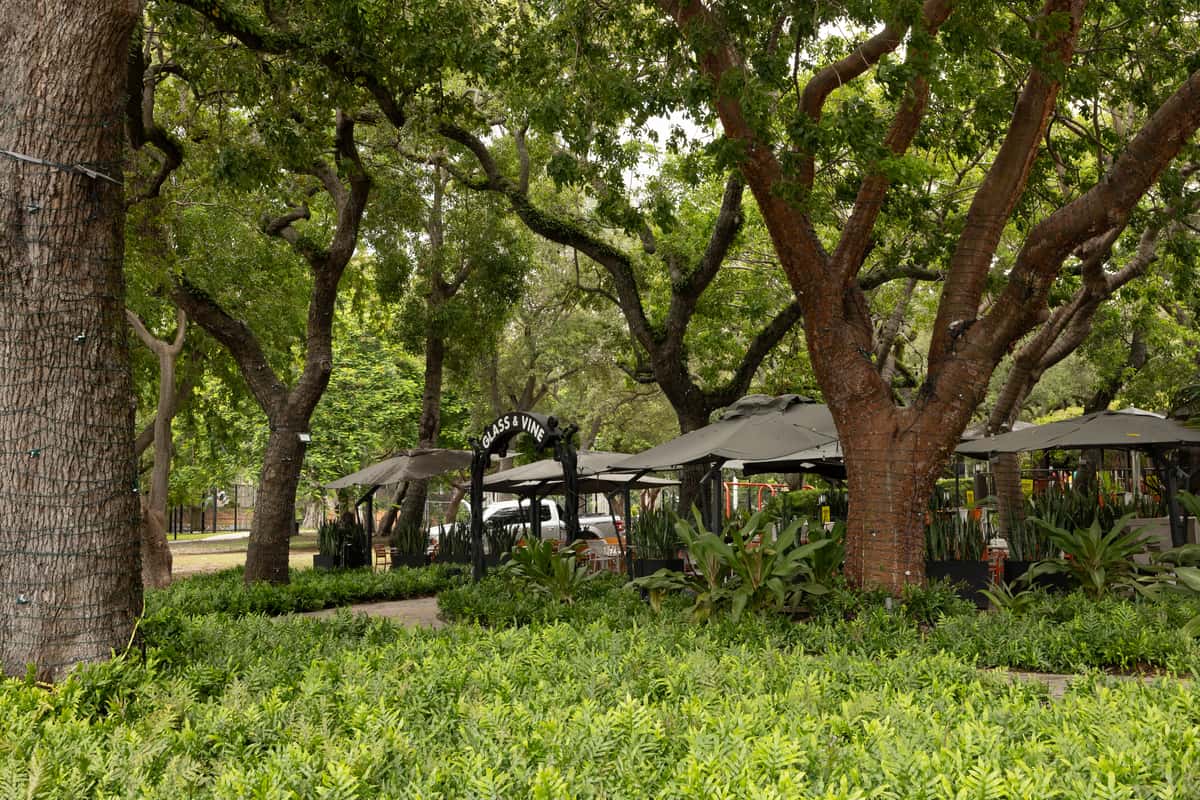
A restaurant's location is a foundational element of the dining experience, shaping how food tastes, how guests feel, and how the meal is remembered long after the visit.
This guide covers how physical settings alter sensory perception, why neighborhood character and walkability define a restaurant's identity, how climate unlocks outdoor dining potential, the way geography shapes guest demographics and locally sourced menus, and why location drives lasting memories more than any single dish.
A restaurant's servicescape, including its ambiance, lighting, and spatial layout, directly influences flavor perception at a neurological level. Background noise above certain thresholds impairs the ability to detect specific tastes, while thoughtfully designed environments anchor flavors in long-term episodic memory. Open-air settings compound this effect by activating a physiological relaxation response that enclosed spaces rarely replicate.
Neighborhood culture, walkability, and proximity to green space filter who shows up and how they feel upon arrival. Park-adjacent restaurants benefit from reduced guest stress, extended dwell times, and multigenerational crowds drawn by safety and accessibility. Pet-friendly patios and intimate garden seating further segment the dining community, each attracting loyal, underserved audiences.
South Florida's tropical climate enables year-round outdoor concepts, turning open-air dining from a seasonal experiment into a permanent revenue driver. That same geography provides direct access to coastal fisheries and continuous tropical agriculture, giving chefs ingredients at peak freshness that landlocked locations cannot match.
Guests consistently remember where they ate more vividly than what they ate, because multisensory environments encode stronger episodic memories than individual dishes. Restaurants embedded in living, distinctive landscapes give diners something no plate alone provides: a story worth retelling.
How Does a Restaurant's Setting Shape the Overall Dining Experience?
A restaurant's setting shapes the overall dining experience by influencing how food tastes, how diners feel emotionally, and how long they choose to stay. The sections below explore physical environment and flavor perception, the emotional shift of outdoor dining, and scenery's effect on guest dwell time.
How Does the Physical Environment Affect How Food Tastes?
The physical environment affects how food tastes by altering sensory perception at a neurological level. A restaurant's servicescape, including its ambiance, lighting, and spatial layout, acts directly on the senses before a single bite reaches the palate.
According to research published in the Journal of Hospitality and Tourism Insights, the servicescape significantly influences customer satisfaction and behavioral intentions, with ambiance and spatial layout serving as primary drivers for return visits. Noise levels matter just as much; background sound above 80 dB selectively impairs the ability to detect sweet and sour tastes while leaving other flavor experiences relatively intact.
Environmental context also shapes how vividly guests recall a meal long after leaving. While implicit food memory tends to be strongest for taste itself, the surroundings create the episodic framework that anchors those flavors in long-term memory. This means a thoughtfully designed dining room does not just complement the food; it becomes part of how guests experience and remember each dish.
Why Do Outdoor and Open-Air Settings Change How Diners Feel?
Outdoor and open-air settings change how diners feel by removing the sensory constraints of enclosed spaces. Fresh air, natural light, and ambient sounds from the surrounding environment activate a physiological relaxation response that walled interiors rarely replicate.
When guests step into a garden patio or tree-shaded terrace, perceived stress drops and social inhibitions ease. Conversations become warmer, appetites sharpen, and the pace of the meal naturally slows. For restaurants in subtropical climates like South Florida, where mild breezes and year-round greenery are available, open-air dining transforms a routine meal into something that feels closer to a small escape. That emotional shift is difficult to engineer indoors, no matter how carefully the interior is designed.
How Does Natural Scenery Influence How Long Guests Stay?
Natural scenery influences how long guests stay by creating a comfortable, visually engaging environment that encourages lingering. According to a study published on ScienceDirect, a 10% increase in customer dwell time in hospitality settings correlates with a 5% increase in non-aeronautical revenues, underscoring the direct economic value of spaces designed to hold attention.
Several elements of natural scenery contribute to extended visits:
Mature tree canopies provide shade and a sense of enclosure without feeling confined.
Visible green space lowers the psychological urgency to leave.
Water features or park views give guests something pleasant to observe between courses.
For any restaurant fortunate enough to sit within a natural landscape, scenery is not decoration; it is a revenue driver that rewards guests and the business simultaneously. Understanding how setting shapes experience leads naturally to the next consideration: the character of the neighborhood itself.
Why Is Neighborhood Character Important When Picking a Place to Eat?
Neighborhood character is important when picking a place to eat because the surrounding culture, walkability, and natural environment shape every moment of the dining experience. The following sections explore how local culture defines a restaurant, why walkable surroundings enhance an outing, and how nearby green space elevates a meal.
How Does a Neighborhood's Culture Define a Restaurant's Identity?
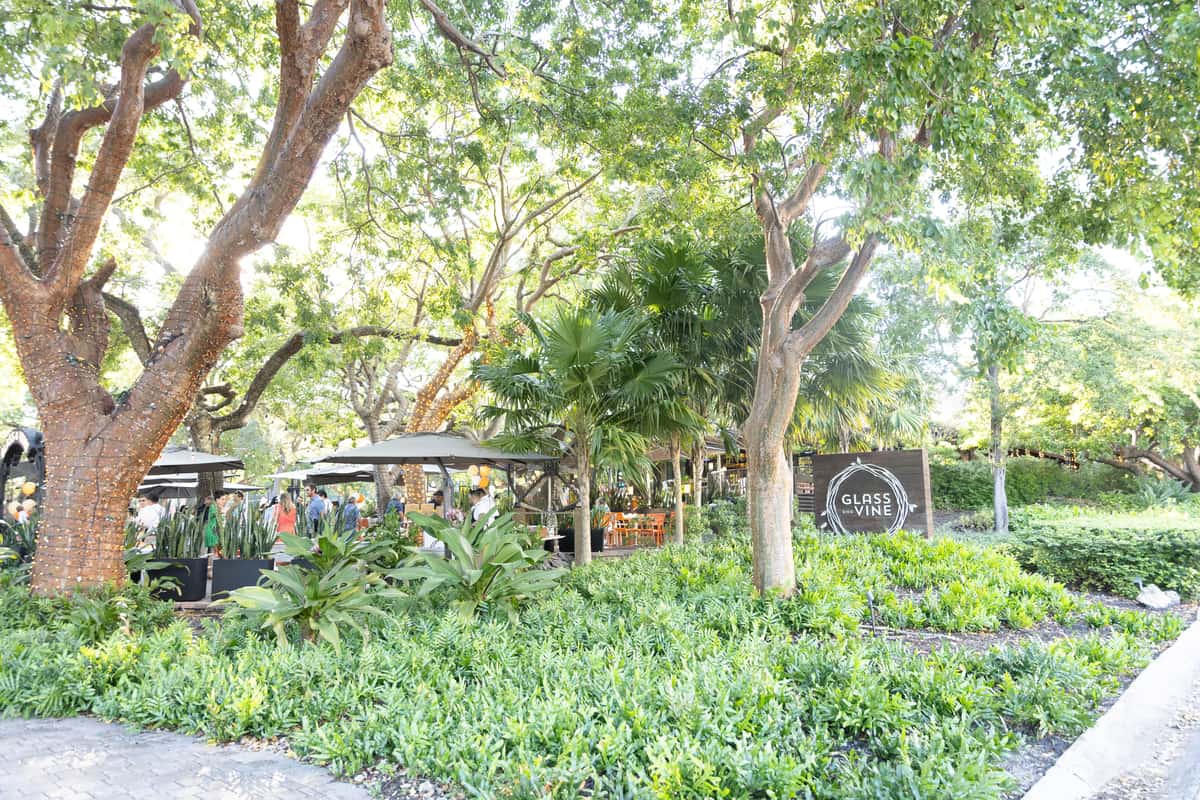
A neighborhood's culture defines a restaurant's identity by providing the social fabric, history, and community values that inform everything from menu philosophy to atmosphere. Coconut Grove, Miami's oldest continuously inhabited neighborhood, carries a bohemian artistic heritage that naturally draws restaurants toward relaxed, nature-forward concepts. When a restaurant reflects the spirit of its surroundings, the experience feels authentic rather than manufactured. Diners sense the difference between a concept dropped into a random location and one that grew organically from the community around it. For restaurants rooted in neighborhoods with distinct personalities, the setting becomes inseparable from what arrives on the plate.
Why Do Walkability and Surroundings Enhance a Dining Outing?
Walkability and surroundings enhance a dining outing by turning a meal into a broader sensory experience. Strolling tree-lined streets, browsing nearby shops, or simply absorbing the energy of an active neighborhood primes guests for enjoyment before they even sit down. This pre-meal engagement builds anticipation and shifts diners into a more relaxed state. Neighborhoods with high walkability also tend to cluster complementary businesses, creating a sense of discovery that extends the evening well beyond the table. For most guests, a restaurant embedded in a vibrant, pedestrian-friendly area delivers far more memorable evenings than one isolated from its surroundings.
How Does Proximity to Parks and Green Space Elevate a Meal?
Proximity to parks and green space elevates a meal by immersing diners in natural elements that reduce stress and heighten sensory pleasure. According to research published in the International Journal of Environmental Research and Public Health, biophilic design interventions in dining spaces, such as integrating greenery and natural elements, are linked to reduced cortisol levels and improved stress recovery for patrons. That physiological calm allows guests to taste more attentively and linger comfortably. Park-adjacent locations also benefit from the vitality that green space brings to a neighborhood; a 2020 study found proximity to passive parks can raise surrounding property values by an estimated 20% within 500 to 600 feet. This investment signals a well-maintained, desirable area where dining feels like a destination rather than an errand.
With neighborhood character setting the stage, local climate determines how fully a restaurant can embrace its surroundings.
What Role Does Climate and Weather Play in Restaurant Location?
Climate and weather play a defining role in restaurant location by determining how much of the year a venue can offer outdoor seating, shaping menu possibilities, and influencing guest comfort. The following sections explore tropical climate advantages and seasonal dining patterns.
How Does a Tropical Climate Like Miami's Favor Outdoor Dining?
A tropical climate like Miami's favors outdoor dining by offering warm temperatures and sunshine nearly year-round, eliminating the seasonal shutdowns that limit patio service in colder regions. Restaurants in subtropical zones can design around open-air concepts as a permanent feature rather than a temporary add-on.
This climate advantage carries measurable financial impact. According to a Bromic Heating industry report, outdoor dining can increase a restaurant's revenue by up to 30 percent, with 70% of restaurants adding outdoor seating post-2020 and 90% planning to maintain it long-term. Miami's consistent warmth makes that commitment far less risky than in markets with harsh winters.
For any restaurant weighing location options, few factors deliver as reliable a revenue boost as year-round patio viability.
Why Does Seasonal Weather Affect When and Where People Eat?
Seasonal weather affects when and where people eat because temperature swings, rainfall patterns, and humidity levels shift guest preferences between indoor and outdoor environments throughout the year. Even in mild climates, summer rain seasons or peak-heat months can redirect foot traffic toward shaded, breeze-friendly venues.
In South Florida, the dry season from November through April draws peak tourist volume and comfortable evening temperatures, making waterfront and garden patios especially desirable. The wetter summer months, while still warm, push diners toward covered or semi-enclosed spaces that offer shelter without sacrificing fresh air.
Restaurants that account for these seasonal rhythms in their site selection and design capture consistent traffic across both peaks and off-seasons. Understanding local weather patterns before committing to a location is one of the most practical steps any operator can take.
How Does Location Determine Who You'll Be Dining With?
Location determines who you'll be dining with by attracting specific guest profiles based on environmental cues, accessibility, and surrounding amenities. Family-oriented parks, pet-welcoming patios, and intimate garden settings each draw distinct communities.

Why Do Family-Friendly Locations Attract a Different Crowd?
Family-friendly locations attract a different crowd because their surroundings signal safety, space, and activities that parents prioritize. Restaurants near playgrounds, wide sidewalks, and walkable neighborhoods naturally draw families who need room for children to move.
According to a study published through PubMed Central, higher Walk Score® ratings correlate significantly with walkable environmental attributes, including population density and access to retail and dining facilities. When parents can stroll to a restaurant without navigating heavy traffic or hunting for parking, the entire outing feels less stressful. Ambient elements like natural lighting and open sightlines also set a relaxed tone that keeps younger guests comfortable. This welcoming dynamic is precisely why a park-adjacent setting tends to fill its tables with multigenerational groups rather than exclusively adult diners.
How Do Pet-Friendly Surroundings Expand the Dining Community?
Pet-friendly surroundings expand the dining community by welcoming a loyal, underserved segment of guests who would otherwise stay home or settle for takeout. Park-adjacent patios and open-air layouts remove the barriers that keep pet owners away from sit-down restaurants.
This shift is not niche. According to Growth Market Reports, the global pet-friendly restaurant meal market reached USD 1.82 billion in 2024, reflecting a robust consumer move toward pet-inclusive dining. Restaurants that accommodate dogs on their patios tap into repeat visits from an enthusiastic community. For any venue serious about building a neighborhood following, overlooking pet owners means leaving significant goodwill and revenue on the table.
Why Do Couples Seek Secluded or Garden-Like Destinations?
Couples seek secluded or garden-like destinations because intimacy requires sensory separation from crowds and noise. Lush canopies, soft ambient lighting, and tucked-away seating create the privacy that romantic dining demands.
Research published in the Journal of Environmental Psychology confirms that ambient lighting conditions and multisensory stimuli influence taste expectations and perceived flavor intensity. Lower light levels heighten sweetness perception, which means a candlelit garden setting does not just feel more romantic; it can genuinely make a shared dessert taste better. This is why couples gravitate toward spaces framed by greenery and natural shade rather than bustling open dining rooms. A well-designed garden restaurant turns a simple dinner into a sensory experience worth repeating.
Understanding who your dining companions will be starts with understanding the space itself, and locally sourced ingredients add another layer shaped entirely by geography.
Why Does Locally-Sourced Cuisine Depend on Where a Restaurant Sits?
Locally-sourced cuisine depends on where a restaurant sits because geographic position determines which farms, fisheries, and producers can deliver ingredients at peak freshness. The following sections explore how proximity to agricultural regions and coastlines shapes menus, and why South Florida's specific location elevates ingredient quality.
How Does Geographic Proximity to Farms and Coasts Affect Menus?
Geographic proximity to farms and coasts affects menus by dictating what ingredients arrive freshest and which seasonal products chefs can feature daily. A restaurant located hours from the nearest farm relies on longer supply chains, where produce loses nutrients and flavor during transit. One situated near agricultural land or fishing ports, however, can receive harvests and catches within hours of production.
This closeness enables chefs to build menus around what is available right now rather than what can survive extended shipping. Shorter distances between source and plate also reduce the need for preservation methods that compromise texture and taste. For restaurants in regions with both fertile farmland and active coastline, the dual access creates menu diversity that landlocked locations simply cannot replicate.
Why Does a Coastal South Florida Location Shape Ingredient Quality?
A coastal South Florida location shapes ingredient quality because the region combines year-round growing conditions with direct access to Atlantic and Gulf fisheries. According to Miami-Dade County Government data, Miami-Dade is one of the few U.S. regions with year-round growing conditions, enabling continuous production of tropical fruits and vegetables that define regional cuisine.
This means kitchens in South Florida never face the seasonal dormancy that forces restaurants in northern climates to rely on imported, out-of-season produce for months at a time. Coastal proximity also shortens the catch-to-table window for seafood, preserving the firm texture and clean flavor that distinguish truly fresh fish from its frozen counterpart. For a restaurant like Glass & Vine in Coconut Grove, this convergence of tropical agriculture and coastal waters provides a foundation of locally-sourced ingredients that shapes every menu season.
With ingredient sourcing tied to location, practical factors like accessibility and convenience further influence where diners choose to eat.
How Does Accessibility and Convenience Affect Restaurant Choice?
Accessibility and convenience affect restaurant choice by determining whether diners can reach, enter, and enjoy a venue without friction. Parking availability, walkability, and ease of access shape decisions before a guest ever sees the menu.
Finding parking remains one of the largest barriers to choosing a restaurant. According to a Parkopedia Global Driver Survey, parking is a significant barrier for 92% of drivers globally, directly impacting location desirability and customer volume for urban restaurant precincts. When guests struggle to park, even exceptional food loses its appeal. Restaurants in walkable neighborhoods with nearby transit options, street parking, or dedicated lots remove this friction point entirely.
Walkability compounds this advantage. Locations surrounded by pedestrian-friendly streets, retail corridors, and green spaces encourage guests to arrive on foot, extending their outing into a broader neighborhood experience rather than a single-destination errand. For restaurants in areas like Coconut Grove, where tree-lined sidewalks and park paths connect dining to leisure, convenience becomes part of the draw itself.
Physical accessibility matters equally. Wide entryways, outdoor seating at grade level, and open-air layouts accommodate guests with mobility needs, families with strollers, and diners with pets. These design choices widen the potential audience without requiring compromise on atmosphere.
Convenience is rarely the reason someone raves about a meal, but inconvenience is almost always the reason someone skips one. The easiest restaurant to reach, park near, and walk into holds a structural advantage that no menu redesign can replicate. Understanding who dines where starts with recognizing these practical realities.
Why Do People Remember Where They Ate More Than What They Ate?
People remember where they ate more than what they ate because environmental context creates stronger episodic memories than individual flavor details alone. The setting, atmosphere, and sensory surroundings of a meal encode themselves into long-term memory as a unified experience, while specific dishes often blur together over time.
This happens partly because dining environments engage multiple memory systems simultaneously. Visual scenery, ambient sounds, social company, and even the feel of outdoor air all layer onto a single memory, making the "where" far more vivid than the "what." A plate of grilled fish may fade from recall within weeks, but the canopy of oaks overhead, the laughter at the table, and the warmth of a garden setting persist for years.
Restaurants that invest in distinctive, multisensory locations understand this phenomenon intuitively. Properties offering unique environmental features, such as pet-friendly patios and outdoor garden seating, consistently outperform competitors in both loyalty and revenue. According to a Roch Society hospitality analysis, pet-friendly hospitality properties generate an average of 28% more bookings and 30% more revenue than comparable non-pet-friendly establishments. These numbers reflect something deeper than a policy choice; they reveal that guests return to places where the entire experience, not just the plate, felt memorable.
For anyone choosing where to eat, this is worth considering. The menu matters, but the memory you carry home is shaped far more by the world surrounding your table. A restaurant set in a living, breathing environment gives you something no dish alone ever could: a story worth retelling.
With that understanding, Coconut Grove offers one of Miami's most compelling examples of location and dining working in harmony.
How Does Coconut Grove Combine Location and Dining at Glass & Vine?
Coconut Grove combines location and dining at Glass & Vine by anchoring a garden-inspired restaurant inside one of Miami's most historic parks. The sections below explore how Peacock Park's open-air setting elevates a meal and why location deserves equal weight alongside any menu.
Can an Open-Air Garden Setting in Peacock Park Transform a Meal?
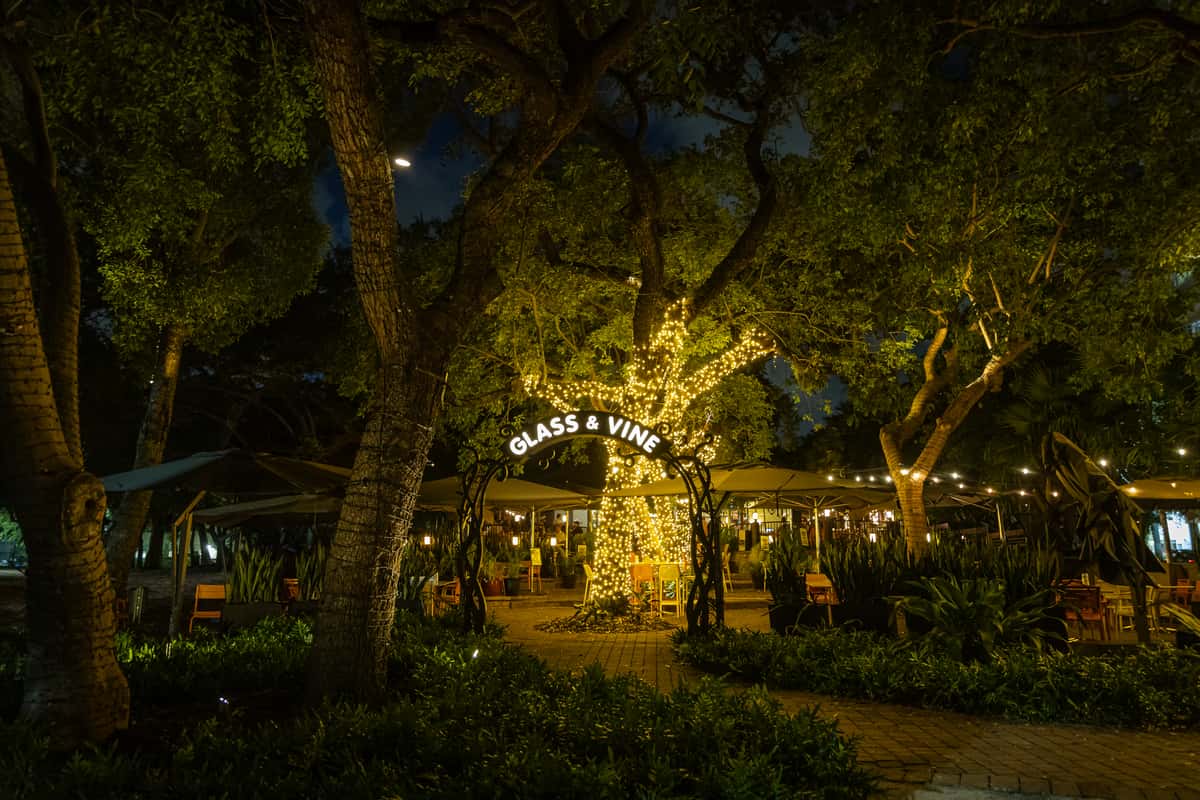
Yes, an open-air garden setting in Peacock Park can transform a meal by immersing guests in a natural canopy that engages every sense before the first course arrives. Glass & Vine sits beneath mature oak shade in Coconut Grove, Miami's oldest continuously inhabited neighborhood, home to approximately 21,000 residents and a median age of 45, according to Discover Homes Miami. That established, walkable community provides the relaxed energy guests feel the moment they arrive.
Peacock Park itself carries layers of local heritage; the site once hosted Miami's first hotel, the Bay View House, built in 1883. Dining under that same canopy connects a plate of locally sourced seafood to over a century of Coconut Grove gathering culture. For most guests, this kind of rooted atmosphere is something no interior renovation can replicate.
What Are the Key Takeaways About Why Location Matters as Much as the Menu?
The key takeaways about why location matters as much as the menu center on three principles:
Setting shapes perception. A restaurant's physical environment drives satisfaction, return visits, and how food actually tastes, because ambient sound, lighting, and spatial layout alter sensory experience at a neurological level.
Neighborhood character filters the crowd. Walkability, park proximity, pet-friendly surroundings, and local culture determine who dines beside you, turning a meal into a community moment.
Climate unlocks design. Year-round tropical weather in South Florida allows open-air concepts to operate continuously, connecting coastal ingredients to the landscape where they originate.
Glass & Vine demonstrates all three. Situated in Peacock Park, it pairs Coconut Grove's historic neighborhood energy with a garden setting, locally sourced menus, and a welcoming atmosphere for families, couples, and dogs alike. When the environment is this intentional, location stops being a backdrop and becomes the meal's defining ingredient.