
Why Garden Dining Is One of the Best Ways to Unwind After a Long Day
Why Garden Dining Is One of the Best Ways to Unwind After a Long Day
If you're searching for natural stress relief after work, wondering how outdoor dining can improve your mental health, or looking for the best garden restaurants in Coconut Grove, you've found your answer. We understand that after a demanding day, you need more than just a meal—you need an experience that genuinely restores your well-being, and garden dining delivers exactly that through proven psychological and physiological benefits.
Garden dining is a scientifically-backed method of stress reduction that combines nature exposure, sensory enhancement, and social connection to create optimal conditions for mental restoration after work. In 2019, a controlled study at the University of Michigan on urban stress found that nature experiences produced a 21.3% per-hour drop in salivary cortisol beyond normal diurnal decline in 36 participants (n=36). This research-validated approach to relaxation engages multiple restorative pathways simultaneously: parasympathetic nervous system activation through green space exposure, enhanced serotonin production from natural light, improved social bonding through communal outdoor eating, and optimized sensory experiences from fresh air circulation—making it one of the most efficient ways to transition from workplace stress to evening relaxation.
TL;DR Summary: Garden dining reduces stress hormones by 21.3% per hour through nature exposure, with optimal benefits achieved in just 20-30 minutes. Natural outdoor settings activate your parasympathetic nervous system while sunlight boosts serotonin and vitamin D production, creating measurable improvements in mood and anxiety levels. The unique sensory experience of al fresco dining—enhanced by natural airflow, ambient sounds, and strategic lighting—significantly improves taste perception and digestive efficiency. Social connections strengthen during outdoor meals, with 76% of people reporting that sharing meals brings them closer together, while communal dining reduces loneliness and emotional distress across all age groups. Coconut Grove's year-round climate (62°F to 90°F) and 7-8 month dry season create ideal conditions for garden dining, with local venues like Glass & Vine offering in-park dining experiences among century-old oaks and lush, park-side scenery. Creating your ideal outdoor dining routine involves selecting venues with biophilic design elements, minimizing digital distractions, and timing visits during the efficient 20-30 minute stress-reduction window.
Quick Tip: For maximum stress relief, arrive at your garden dining venue 10 minutes early and take a brief walk through the outdoor space before sitting down—this pre-meal nature exposure primes your nervous system for relaxation and enhances the restorative benefits of your dining experience.
Our comprehensive exploration of garden dining's benefits will guide you through the science of outdoor relaxation, help you understand why this dining style uniquely supports your well-being, and show you how to maximize these benefits in Coconut Grove's exceptional climate. Whether you're seeking solo restoration or meaningful social connection, the following sections will equip you with everything needed to transform your after-work dining into a powerful tool for mental and physical renewal.
How Does Dining in a Garden Setting Promote Relaxation and Stress Relief?
Dining in a garden setting promotes relaxation and stress relief through measurable physiological changes and psychological restoration. Nature exposure during meals triggers specific biological responses that reduce stress hormones and activate calming neural pathways. The following mechanisms explain why outdoor dining environments offer superior stress relief compared to indoor settings.
What Psychological Benefits Does Outdoor Dining Provide After a Busy Day?
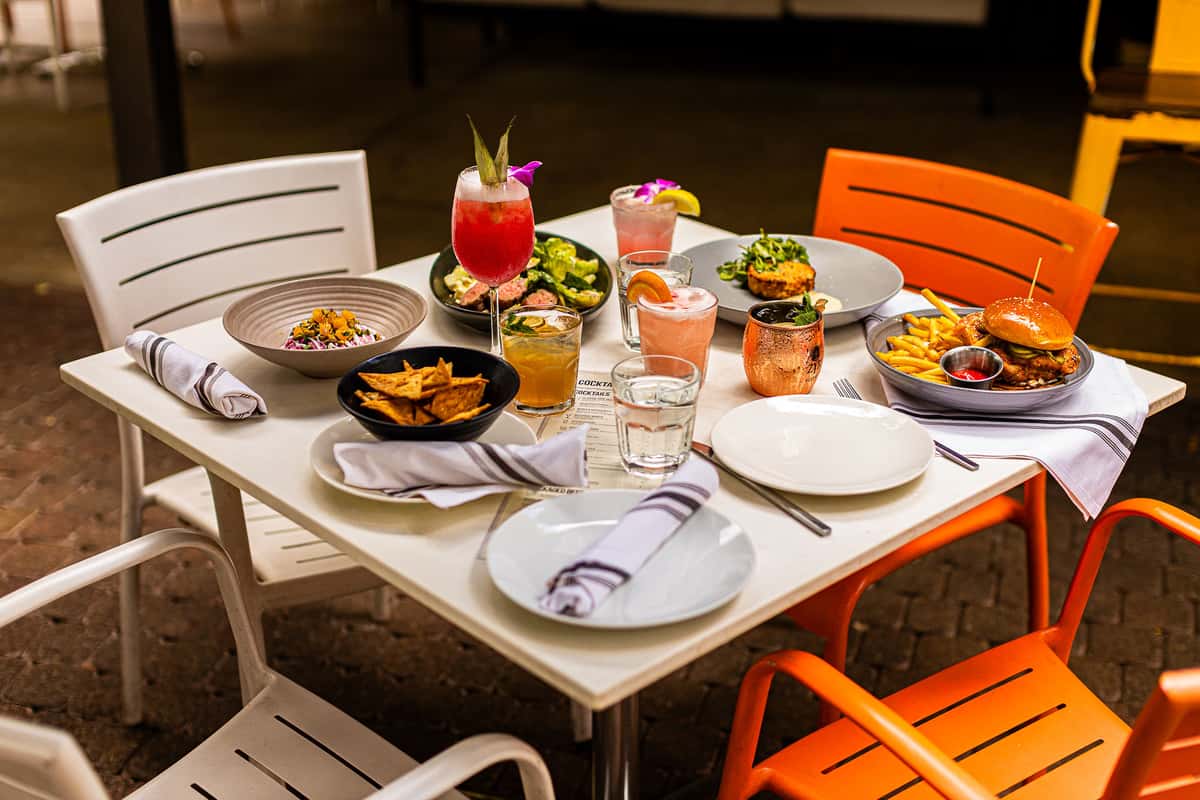
The psychological benefits of outdoor dining after a busy day include reduced cortisol levels, improved attention, and enhanced mood regulation. A 2019 controlled study by Hunter et al. with 36 urban dwellers found nature experiences produced a 21.3% per-hour drop in salivary cortisol beyond normal diurnal decline. The same research identified 20–30 minutes as the most efficient duration for stress reduction benefits.
Nature exposure consistently delivers mental health improvements across multiple domains. According to 2020 APA Monitor and 2021 Coventry et al. reviews, outdoor environments provide improved attention, lower stress, better mood, and reduced risk of some psychiatric disorders. These benefits occur through direct biological pathways rather than placebo effects.
Glass & Vine in Coconut Grove maximizes these psychological benefits through its unique in-park location, allowing diners to experience therapeutic nature exposure while enjoying their meals.
How Does Exposure to Nature During Meals Improve Mental Wellbeing?
Exposure to nature during meals improves mental wellbeing through increased social contact, cognitive improvement, reduced stress, and psychological restoration. A 2023 NIH/NCBI comprehensive review by Geary et al. established clear links between green and blue space exposure and enhanced mental health outcomes. The research demonstrated that residential proximity and higher frequency of visits to natural spaces correlate with better adult mental health.
Nature-based interventions show consistent positive effects across populations. According to 2021 Coventry et al. and 2024 Panțiru et al. systematic reviews and meta-analyses, activities such as gardening, green exercise, and nature therapies significantly improve adult mental health markers. These improvements persist beyond the immediate exposure period.
Why Do So Many People Feel Calmer When Surrounded by Greenery While Eating?
People feel calmer when surrounded by greenery while eating because green spaces activate the parasympathetic nervous system, which reduces stress and promotes relaxation. Dr. Gregory Lawson from Aylo Health and 2025 Delish research confirm this neurological response to natural environments. Sunlight exposure supports serotonin production and vitamin D synthesis while regulating circadian rhythms—physiological pathways directly linked to improved mood and lower anxiety.
Environmental stressor reduction plays a crucial role in this calming effect. According to 2023 Geary et al. research, dining in nature reduces perceived environmental stressors such as urban noise and poor air quality, facilitating psychological restoration. Glass & Vine's garden setting within Peacock Park provides this essential greenery immersion, combining mature oak trees with gentle open-air airflow to create an optimal stress-relief environment for Coconut Grove diners.
What Are the Unique Sensory Experiences of Garden Dining?
Garden dining creates a multi-sensory experience distinct from indoor settings. Natural elements engage sight, sound, smell, touch, and taste simultaneously, transforming meals into immersive experiences that promote relaxation and enhance food enjoyment.
How Do Natural Sounds and Scents Enhance the Dining Atmosphere?
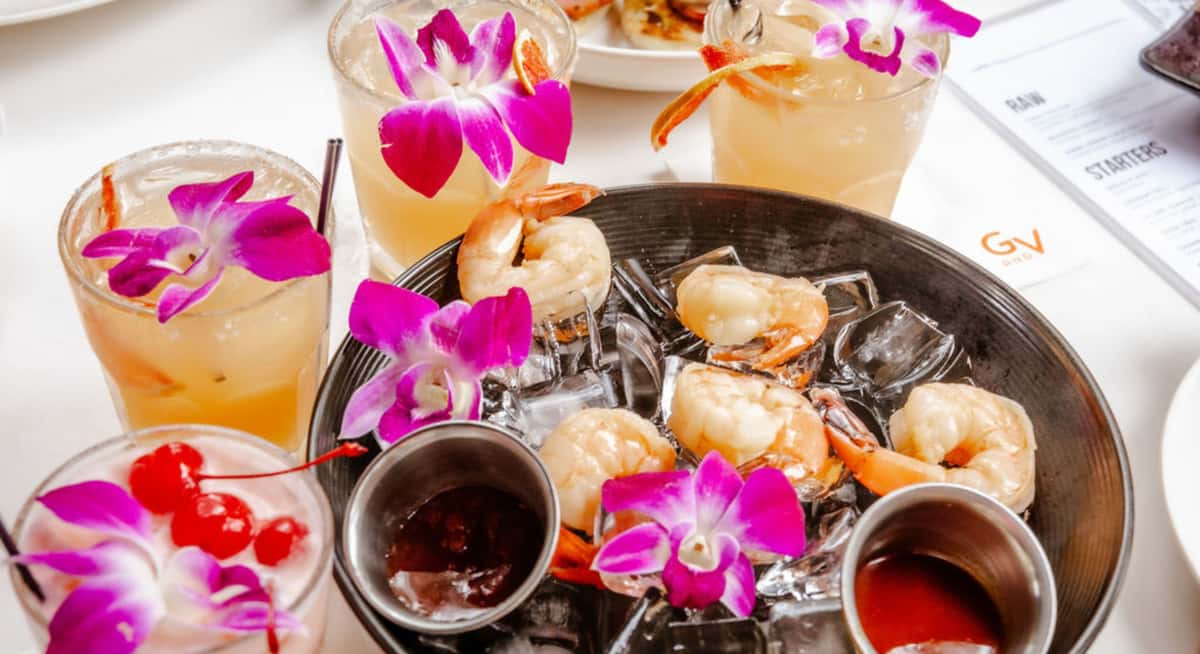
Natural sounds and scents enhance the dining atmosphere through direct sensory engagement that indoor spaces cannot replicate. Natural airflow outdoors carries food aromas more effectively, enhancing the olfactory component of eating. Water features act as visual and auditory focal points that create calming background soundscapes. Outdoor environments reduce perceived noise annoyance compared with some indoor settings. At Glass & Vine in Coconut Grove, fresh open-air airflow carries both natural outdoor scents and culinary aromas through the garden setting, while mature oak trees rustle overhead. The combination of natural sounds—from birdsong to water features—masks urban noise and creates acoustic comfort that supports conversation and relaxation.
What Role Does Ambient Lighting Play in Creating a Relaxed Mood Outdoors?
Ambient lighting plays a crucial role in creating a relaxed mood outdoors by influencing both physiological and psychological responses. Natural daylight helps regulate circadian rhythms and supports vitamin D synthesis, both linked to mood regulation. Sunlight exposure promotes serotonin production, a neurotransmitter associated with improved mood and reduced anxiety. Restaurants extend relaxed outdoor ambiance into evening hours via strategic lighting. Glass & Vine uses strategic evening lighting to maintain atmosphere as daylight fades, creating warm pools of light that preserve intimacy while highlighting garden features. The transition from natural to artificial light becomes part of the dining experience, marking the shift from day to evening in a way indoor spaces cannot achieve.
Are There Differences in Taste Perception When Dining Outside Versus Indoors?
Yes. There are significant and scientifically documented differences in taste perception when dining outside versus indoors. Environmental factors such as airflow, ambient scents, and light significantly influence taste perception and the olfactory contribution to flavor. Fresh outdoor air and increased oxygen circulation enhance digestion and the sensory experience of food. The open-air environment at Glass & Vine allows diners to experience food without competing indoor odors like cleaning products or recirculated air. Natural breezes cleanse the palate between bites, while varying light conditions throughout the meal create visual variety that keeps taste buds engaged. These sensory variations make outdoor dining a more dynamic culinary experience than climate-controlled indoor settings.
How Can Garden Dining Support Social Connection and Quality Time?
Garden dining creates ideal conditions for meaningful social connections by combining nature's calming effects with communal eating benefits. Research shows outdoor settings naturally encourage longer, more relaxed interactions while reducing social barriers that often exist indoors.
Why Do Outdoor Settings Encourage More Meaningful Conversations?
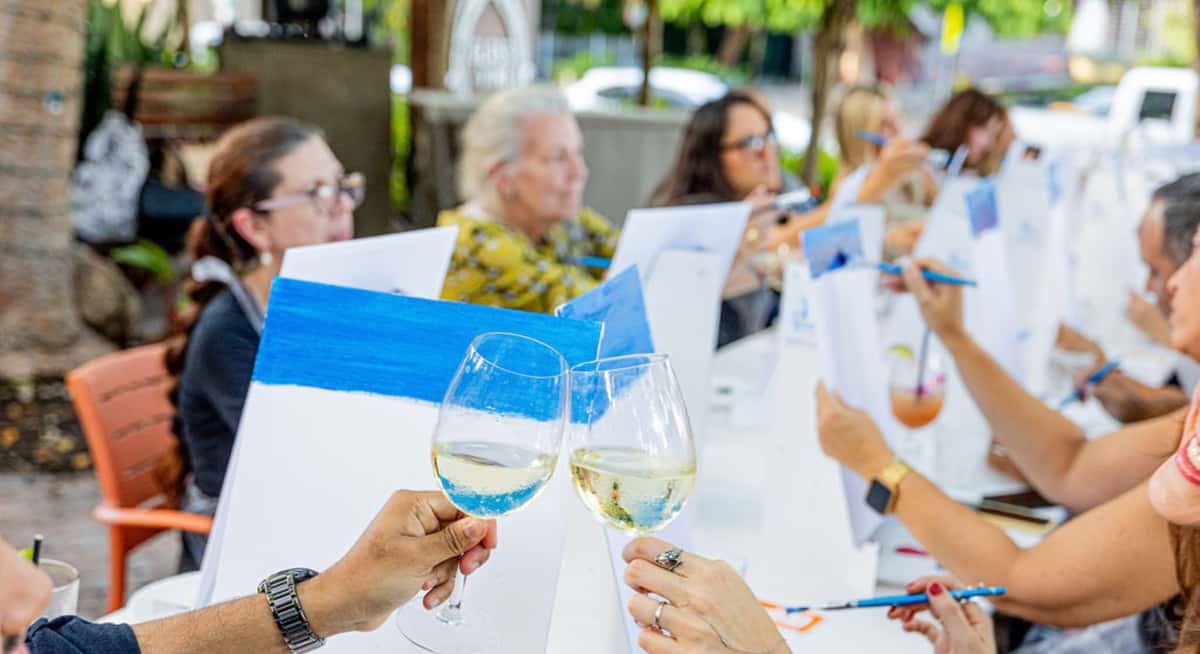
Outdoor settings encourage more meaningful conversations through proven psychological mechanisms that enhance social bonding. A University of Oxford study on social eating found that eating with others increases social bonding, life satisfaction, and feelings of community belonging. According to surveys cited in Oxford research, 76% of people believe sharing a meal brings people closer together. Natural environments reduce cortisol levels and activate parasympathetic responses, creating relaxed states conducive to open communication. The absence of walls and ceilings creates psychological openness that transfers to conversation quality. Background nature sounds mask disruptive noise while maintaining comfortable acoustic levels for dialogue. At Glass & Vine in Coconut Grove, mature oak canopies and a calm open-air setting create intimate conversation zones within the larger garden space.
How Does Al Fresco Dining Foster Better Group and Family Interactions?
Al fresco dining fosters better group and family interactions through environmental and social factors that promote connection. Evidence from Frontiers in Public Health shows communal eating reduces loneliness and emotional distress in older adults and is associated with fewer stress and anxiety symptoms in adolescents. Clinical Nutrition research links communal dining in care settings to improved appetite, cognition, and mental health among older adults. Outdoor settings provide natural activity zones where children can move freely while adults converse. The relaxed atmosphere reduces mealtime tensions common in formal indoor settings. Shared sensory experiences like feeling ocean breezes or watching sunsets create collective memories that strengthen bonds. Glass & Vine's kid-friendly and dog-friendly policies support multigenerational gatherings where families reconnect without indoor dining constraints.
What Makes Garden Gatherings Ideal for Unwinding With Friends or Loved Ones?
Garden gatherings are ideal for unwinding with friends or loved ones due to widespread preferences and measurable behavioral benefits. OpenTable consumer data from 2025 shows 55% of Americans prefer to dine outdoors when weather is nice and 77% prefer an outdoor table with a water view. OpenTable research reveals outdoor brunch guests stay 5% longer and spend 6% more on average. Natural settings activate restorative processes that reduce social fatigue from workday interactions. The informal atmosphere encourages spontaneous sharing and laughter without indoor dining formality. Multiple seating options accommodate different group dynamics and conversation styles. Glass & Vine's location in Peacock Park offers 9.4 acres of green space and a leafy, park-side backdrop, creating the water-view dining experience that 77% of diners prefer.
This section demonstrates how garden dining uniquely supports social wellness through environmental psychology, communal eating benefits, and consumer preferences that align with human connection needs.
What Makes Garden Dining at Restaurants in Coconut Grove Unique?
Garden dining at restaurants in Coconut Grove is unique due to year-round tropical conditions, locally sourced coastal cuisine, and distinctive seasonal patterns that create an ideal outdoor experience. Glass & Vine exemplifies these advantages with its lush garden setting in Peacock Park.

How Does the Local Climate in Coconut Grove Enhance the Garden Dining Experience?
The local climate in Coconut Grove enhances garden dining through temperatures ranging from 62°F to 90°F year-round, enabling consistent outdoor service. According to Weather Spark data, winters average 76°F in January while Biscayne Bay water temperatures reach 86.7°F in August. The dry season spans 7–8 months, providing reliable al fresco conditions. Northeast trade winds moderate temperatures throughout dining hours. Hurricane season from June to November represents the primary seasonal consideration for outdoor operations.
Glass & Vine capitalizes on these conditions with natural shade from mature oaks and strategic positioning to capture bay breezes. The restaurant's location benefits from Coconut Grove's microclimate, where tree canopy and evening outdoor conditions can feel cooler and more comfortable during warmer months.
What Types of Local Ingredients and Culinary Styles Complement Garden Dining Here?
The types of local ingredients and culinary styles that complement garden dining in Coconut Grove include fresh seafood, tropical produce, and shareable coastal cuisine designed for outdoor enjoyment. Glass & Vine emphasizes locally sourced ingredients in culinary creations meant for sharing, aligning with garden-to-table dining preferences.
The restaurant's menu reflects Coconut Grove's coastal location through dishes that pair well with outdoor settings. Light, fresh preparations suit the climate while communal plates encourage extended dining experiences typical of garden restaurants. Local sourcing reduces transport time, ensuring peak freshness for outdoor service where natural airflow enhances food aromas.
Are There Seasonal Factors That Influence Outdoor Dining in Coconut Grove?
Yes. Seasonal factors that influence outdoor dining in Coconut Grove include the distinct dry season lasting 7–8 months and hurricane season from June through November. The dry season offers optimal conditions for garden dining with minimal rainfall and comfortable humidity levels. Hurricane season requires contingency planning for outdoor operations, though most days remain suitable for al fresco service.
Glass & Vine adapts to seasonal variations through flexible seating arrangements and covered areas. The restaurant maintains year-round garden dining by utilizing natural canopy coverage from centennial oaks during brief afternoon showers typical of summer months.
These unique climate advantages, coupled with locally sourced cuisine and thoughtful seasonal adaptations, establish Coconut Grove as an exceptional destination for garden dining experiences throughout the year.
How Can You Create an Ideal Garden Dining Experience for Yourself?
You can create an ideal garden dining experience by selecting the right venue and personalizing your approach to maximize relaxation and stress-reduction benefits. Research shows that 20–30 minutes in nature produces the most efficient stress reduction, making garden dining an accessible way to unwind after work.
What Should You Look for in a Garden Dining Venue to Maximize Relaxation?
To maximize relaxation, you should look for specific biophilic design elements in a garden dining venue that enhance comfort, privacy, and sensory calm. Look for abundant plants, natural materials, water features, organic curved layouts, and shaded seating areas that enhance privacy, air quality, and acoustic comfort. Glass & Vine in Coconut Grove exemplifies these features with mature centennial oaks and a quiet, park-immersed atmosphere.
Covered or screened patios rank high among diner preferences. According to Toast insights, 62% of patrons prefer covered, screened-in patios while 48% prioritize umbrellas or covered areas for shade. These features protect against weather while maintaining outdoor ambiance.
Family and pet amenities significantly enhance the experience. OpenTable data reveals that 54% of dog owners share meals with their pets when dining out. Venues like Glass & Vine accommodate both children and dogs, creating inclusive environments for complete relaxation.
How Can You Personalize Your Outdoor Dining Routine After a Long Day?
You can personalize your outdoor dining routine after a long day by intentionally using short nature exposure periods that deliver powerful stress-reduction results. Multiple studies confirm that 20–30 minutes in natural settings provides optimal stress reduction and mood improvement per time invested. This duration fits perfectly into post-work dining schedules.
Outdoor dining engages all five senses simultaneously. According to Jessica Strawn from Delish, you can personalize through seating choices (sun versus shade), table proximity to water or greenery, and meal pacing. Glass & Vine offers varied seating options from garden-forward views to tree-shaded tables.
Consider timing and environmental factors. Late-afternoon or happy-hour outdoor dining aligns with natural circadian rhythms while providing cooler temperatures and softer lighting that enhance relaxation.
What Tips Help Make the Most of Outdoor Meals for Stress Relief?
One of the most effective tips for making the most of outdoor meals for stress relief is minimizing digital distractions. Harvard's summary of a Frontiers in Psychology study shows participants achieved maximum restorative benefits by avoiding exercise, social media, and phone calls during nature exposure. Apply this principle during garden dining.
Scenic seating preferences matter significantly. OpenTable data shows 77% of diners prefer water views when available. Glass & Vine's green, park-side setting provides the kind of calming scenery diners look for. Consider late-afternoon or happy-hour timing, which many patrons prefer for outdoor dining according to OpenTable and Toast preference data.
Prioritize comfort through covered seating. With 48% of diners rating umbrellas and covered areas as most important, selecting tables with shade protection reduces weather-related discomfort while maintaining outdoor benefits. Creating your ideal garden dining experience combines venue selection, personalization strategies, and mindful practices that together transform a simple meal into effective stress relief.
How Does Choosing a Restaurant Like Glass & Vine Elevate Your Garden Dining Experience?
Choosing a restaurant like Glass & Vine elevates your garden dining experience through its unique in-park location, mature oak canopy, and a park-immersed outdoor setting that combines nature's stress-reducing benefits with thoughtfully designed amenities. Glass & Vine at 2820 McFarlane Road sits within Peacock Park's 9.4 acres, making it Miami's only restaurant operating inside a public park. The venue earned a Diner's Choice 2025 award for excellence. Natural shade from centennial oaks, Biscayne Bay breezes, and strategic evening lighting create an outdoor dining environment that activates your parasympathetic nervous system for deeper relaxation after demanding days.
What Sets Glass & Vine Apart for Garden Dining in Coconut Grove?
Glass & Vine distinguishes itself as Coconut Grove's premier garden dining destination through its exclusive position within Peacock Park and its seamless integration with the natural landscape. The restaurant features mature centennial oaks providing natural shade canopy, a green, park-forward setting that feels removed from the city pace, and 9.4 acres of surrounding parkland. Key amenities include kid-friendly and dog-friendly policies, full bar service, daily happy hour, weekend valet parking, event hosting capabilities, and management by Grove Bay Hospitality Group. The Diner's Choice 2025 award validates Glass & Vine's commitment to exceptional outdoor dining experiences. Visit Glass & Vine to experience how these elements combine to create Coconut Grove's most restorative garden dining atmosphere.
How Do Signature Dishes and Ambience Combine to Support Relaxation at Glass & Vine?
Signature dishes and ambience at Glass & Vine combine to support relaxation by pairing locally sourced, shareable cuisine with a natural garden environment that enhances communal dining and sensory engagement. The restaurant's emphasis on group-friendly dishes supports social bonding, which correlates with reduced loneliness and greater life satisfaction according to University of Oxford research. Natural shade from mature oaks regulates temperature while fresh outdoor airflow carries food aromas more effectively, enhancing the olfactory dining experience. Strategic evening lighting extends the calming atmosphere past sunset, allowing diners to benefit from nature exposure during the optimal 20-30 minute window that produces 21.3% cortisol reduction per hour according to controlled studies.
What Are the Key Takeaways About Why Garden Dining Is One of the Best Ways to Unwind After a Long Day?
The key takeaways demonstrate that garden dining delivers measurable stress reduction through multiple physiological and psychological pathways. A 2019 controlled study of 36 urban dwellers found 20-30 minutes of nature exposure produces 21.3% hourly cortisol drops and 28.1% hourly alpha-amylase reductions beyond normal decline. Green and blue spaces enhance mental health through social contact facilitation, stress reduction, and cognitive recovery according to 2023 NIH research. Communal outdoor eating strengthens social bonds and reduces loneliness, with 76% of survey respondents reporting meals bring people closer together. Market data confirms this preference: 55% of Americans choose outdoor dining in good weather according to OpenTable 2025 data, while the outdoor dining products market reached USD 40.1 billion in 2023 according to GM Insights.