
Why Calm Restaurants Are Becoming the New Luxury
Why Calm Restaurants Are Becoming the New Luxury
If you're searching for dining experiences that offer more than just exceptional food—spaces where conversation flows naturally, stress melts away, and every moment feels restorative—you've discovered why calm restaurants represent the new frontier of luxury dining. We understand that in our increasingly chaotic world, finding a peaceful sanctuary where you can truly savor both your meal and your company has become precious. Calm restaurants are upscale dining establishments that prioritize serene ambiance through thoughtful acoustic design, minimalist aesthetics, and mindful service, creating spaces where tranquility becomes as important as the cuisine itself.
TL;DR Summary: Post-pandemic dining preferences have shifted dramatically toward quieter, wellness-focused experiences, with 65% of Americans now preferring calmer restaurant environments. This new luxury trend redefines upscale dining by replacing traditional opulence with minimalist design, acoustic engineering, and thoughtful spatial planning that commands premium pricing. Key features include customized acoustic systems, natural materials, strategic lighting, and service styles that reduce ambient noise while enhancing taste perception and conversation quality. Diners choose these spaces for proven psychological benefits—reduced stress hormones, improved cardiovascular health, and enhanced social connections—with 46% saying they'd be "much more likely" to visit restaurants offering quiet dining options. Urban restaurants face challenges balancing serenity with convenience while managing acoustic installation costs ($2-$15 per square foot) and maintaining OSHA compliance for staff. Glass & Vine in Coconut Grove exemplifies this trend perfectly, nestled in Peacock Park's natural surroundings, where customer reviews consistently praise its tranquil ambiance as a defining feature of the dining experience.
Quick Tip: When evaluating a restaurant's calm potential before visiting, check online reviews for mentions of "conversation," "peaceful," or "quiet"—these keywords often indicate establishments that prioritize acoustic comfort alongside culinary excellence.
The transformation of luxury dining from ostentatious displays to mindful experiences reflects a fundamental shift in how we value our time and well-being. As wellness spending among Gen Z and Millennials reaches 41% of the market, and with 84% of consumers prioritizing health and mindfulness, restaurants that master the art of calm are positioning themselves at the forefront of a movement that's reshaping the entire hospitality industry.
What Is Driving the Rising Demand for Calm Dining Experiences?
The rising demand for calm dining experiences stems from fundamental shifts in how consumers prioritize wellness and seek respite from urban stress. Post-pandemic dining preferences reveal a transformation where tranquility has become as valuable as cuisine quality, with restaurants like Glass & Vine in Coconut Grove exemplifying this evolution through nature-integrated spaces that offer peaceful escapes.
How Have Social and Cultural Shifts Influenced Restaurant Ambiance Preferences?
Social and cultural shifts have fundamentally transformed restaurant ambiance preferences toward quieter, more mindful dining experiences. A 2024 analysis covering 2019–2024 identifies a significant post-pandemic shift driven by increased emphasis on wellness and restoration. Gen Z and Millennials, representing 36% of the adult population, account for 41% of wellness spending according to McKinsey's 2025 report.
Wellness priorities shape dining choices across demographics. In the U.S., 84% of consumers report wellness as a top or important priority, with key priorities including sleep, health, mindfulness, and cognitive health. These priorities translate directly into restaurant preferences, where calm environments support restoration goals.
The wellness economy drives restaurant design evolution. Establishments responding to these preferences, such as Glass & Vine with its park-side tranquility, capture growing market segments seeking restorative dining experiences. This cultural shift positions calm ambiance as essential rather than optional.

What Role Does Modern Urban Life Play in Valuing Calm Restaurant Environments?
Modern urban life creates heightened demand for calm restaurant environments through constant exposure to noise, digital stimulation, and workplace stress. City dwellers experience average noise levels of 70-85 dBA throughout their day, making quiet dining spaces increasingly valuable as restoration zones.
Urban stressors amplify the appeal of tranquil dining. Professionals working in high-pressure environments seek restaurants offering sensory respite, where conversation flows naturally without shouting over background noise. Glass & Vine's location in Peacock Park provides this urban oasis, surrounded by greenery that buffers city sounds.
The contrast between hectic daily routines and peaceful dining creates premium value. Restaurants offering calm environments command higher prices and stronger loyalty as guests prioritize mental restoration alongside culinary satisfaction. This urban-driven demand transforms tranquility from amenity to luxury essential.
How Do Calm Restaurants Redefine the Concept of Luxury?
Calm restaurants redefine luxury by prioritizing tranquility and mindful experiences over traditional opulence. According to the National Restaurant Association's 2025 findings, 64% of full-service customers consider the overall dining experience more important than the price of the meal. This shift represents a fundamental change in how diners perceive value and sophistication in restaurant settings.
The evolving definition of luxury now encompasses peace, privacy, and personal well-being rather than just expensive décor and exclusive menus. Industry analysis reveals that restaurants offering quieter, calmer environments position themselves to command higher prices and improve profit margins. Glass & Vine in Coconut Grove exemplifies this approach through its nature-surrounded setting in Peacock Park, where tranquility becomes the ultimate luxury amenity.
In What Ways Do Tranquil Spaces Offer a More Upscale Experience Than Traditional Luxury?
Tranquil spaces offer a more upscale experience than traditional luxury dining by allowing guests to fully engage with their food, companions, and surroundings without sensory overload. The National Restaurant Association's 2025 study showing 64% of full-service customers value overall experience over price demonstrates this priority shift. Calm restaurants deliver exclusivity through acoustic comfort and spatial harmony rather than ostentation.
These establishments attract discerning clientele who seek restoration alongside culinary excellence. Industry analysis confirms that quieter environments enable restaurants to retain customers more effectively while justifying premium pricing. The upscale experience manifests through thoughtful details such as conversation-friendly acoustics, unhurried service pacing, and spaces that feel like private sanctuaries within urban settings.
Premium calm dining venues like Glass & Vine distinguish themselves by offering what busy professionals increasingly view as the ultimate luxury: peace. This positioning allows calm restaurants to compete directly with traditional fine dining while appealing to wellness-conscious consumers who represent growing market segments.
How Does Minimalism and Thoughtful Design Contribute to a Sense of Calm?
Minimalism and thoughtful design contribute to a sense of calm in restaurants by integrating acoustics, materials, spatial sequencing, and lighting into a deliberate, holistic guest experience. Creating calm dining environments requires careful orchestration of every design element to reduce visual noise and mental stimulation. Minimalist approaches eliminate unnecessary decoration, allowing diners to focus on food quality and social connection.
Thoughtful design extends beyond aesthetics to functional elements that support tranquility. There are specific design strategies that promote calm, such as natural materials, neutral color palettes, strategic negative space, and biophilic elements. Acoustic materials blend seamlessly into minimalist schemes while controlling sound levels.
The integration of these design principles creates environments where luxury emerges from subtraction rather than addition. Glass & Vine demonstrates this philosophy through its seamless connection with Peacock Park's natural surroundings, where the outdoor environment becomes part of the minimalist design strategy. This approach to calm luxury represents a sophisticated understanding of how physical space influences emotional state and dining satisfaction.
What Features Set Calm Restaurants Apart From Others?
Calm restaurants are set apart from other dining establishments by deliberate architectural choices and operational strategies that prioritize guest comfort over maximizing table turnover. These establishments integrate acoustic engineering, spatial design, and service protocols to create environments where conversation flows naturally and stress dissipates.
Which Elements in Décor, Layout, and Lighting Promote a Peaceful Atmosphere?
The elements that promote a peaceful atmosphere are acoustic treatments, strategic spatial layouts, and controlled lighting systems. Glass & Vine in Coconut Grove exemplifies this approach through its park-adjacent location and nature-integrated design. Ever Restaurant in Chicago uses a customized Turf Design acoustic baffle system that dampens sound while serving as an architectural feature. Marisi La Jolla installed Kirei PET acoustic ceiling panels containing 60% post-consumer recycled content to reduce reverberation.
Acoustic materials serve dual purposes: sound absorption and aesthetic enhancement. Materials include fabric-wrapped panels, perforated wood, and specialized ceiling tiles. Spatial layouts incorporate buffer zones between high-traffic areas and dining rooms. Lighting design employs warm color temperatures (2700K–3000K) and dimmable systems to create intimacy without strain.
Key Acoustic Solutions:
- Ceiling-mounted baffles and clouds
- Wall-mounted absorption panels
- Upholstered seating and banquettes
- Strategic placement of soft furnishings
- Sound-masking systems for privacy
These design choices create measurable reductions in ambient noise levels while maintaining visual coherence with the restaurant's aesthetic vision.
How Do Service Style and Noise Levels Affect the Perception of Calmness?
Service style and noise levels directly impact guest perception through their effects on sensory processing and social interaction. According to a 2014 study by Spence, loud background noise impairs taste perception by suppressing sweet and salty notes while accentuating umami. High noise levels impair conversation, increase cognitive difficulty during social interaction, and elevate reported anxiety and stress levels.
Service protocols in calm restaurants emphasize discretion and timing. Staff training focuses on reading guest cues, maintaining appropriate speaking volumes, and coordinating movements to minimize disruption. Table spacing allows servers to navigate without intrusion.
Noise Impact on Dining Experience:
- Sound levels above 70 dBA interfere with normal conversation
- Background music under 60 dBA enhances rather than dominates
- Kitchen noise isolation prevents operational sounds from reaching dining areas
- Strategic table placement creates acoustic zones for different preferences
The relationship between noise and calmness extends beyond volume to include sound quality and predictability. Restaurants achieving true tranquility manage both decibel levels and acoustic character, creating soundscapes that support rather than challenge the dining experience.
Why Are Guests Choosing Calm Restaurants Over Trendy or Busy Spots?
Guests are choosing calm restaurants over trendy or busy spots because these environments reduce stress, enhance wellbeing, and enable meaningful social connections. Glass & Vine in Coconut Grove exemplifies this trend through its tranquil setting in Peacock Park, offering diners a restorative escape from urban noise. A 2024 Quiet Communities survey found 65% of Americans prefer quieter environments in restaurants, bars, and coffee shops. The following sections explore the psychological benefits and social advantages driving this preference.
What Psychological and Emotional Benefits Do Calm Spaces Provide Diners?
Calm spaces provide diners with psychological and emotional benefits such as reduced stress hormones, lower cardiovascular risk, and improved mental health outcomes. In 2019, research by Hahad et al. on noise exposure found that high noise levels trigger the body's stress response, increasing cortisol, noradrenaline, and dopamine. A 2018 study by Münzel et al. on environmental noise revealed associations with increased risk of hypertension, myocardial infarction, and stroke.
Research from Brieflands in 2014 on chronic noise exposure linked elevated sound levels to increased blood glucose and cortisol levels. The Physiological Society reported in 2022 that stress related to noise exposure causes gastrointestinal dysfunction. Mental health literature consistently shows high noise exposure increases risk of anxiety, depression, and cognitive impairment.
These findings demonstrate why diners increasingly seek peaceful environments where their bodies can maintain homeostasis rather than activate stress responses during meals.
How Do Calm Restaurants Enhance Social Interactions and Wellbeing?
Calm restaurants enhance social interactions and wellbeing by enabling clear conversation and fostering genuine connection between diners. The 2024 Quiet Communities survey revealed 65% of respondents have difficulty hearing their companions in restaurants. The same survey found 66% of respondents feel restaurants are becoming more like bars than places for social gathering.
Consumer receptivity to "quiet hours" averaged 7 out of 10 in the Quiet Communities research. There are strong business incentives for implementing calm dining options:
- 46% of diners would be "much more likely" to visit restaurants offering quiet hours
- 59% would recommend quiet-hour restaurants to others
- 70% of reader reviews mention noise level as a complaint, according to Washington Post food critic Tom Sietsema in 2024
Glass & Vine addresses these preferences through its naturally peaceful Coconut Grove location, where ambient park sounds replace urban clamor. These statistics reveal calm restaurants meet fundamental human needs for connection and restoration that busy venues cannot provide.
What Challenges Do Restaurants Face When Creating a Calm Atmosphere?
Restaurants face challenges creating a calm dining atmosphere because they must balance acoustic comfort, operational efficiency, and financial investment simultaneously. Restaurants face challenges in noise management, space design, and cost considerations while maintaining service quality and guest satisfaction.
How Can Busy Urban Locations Foster Serenity Without Losing Convenience?
Busy urban locations can foster serenity without losing convenience by using strategic acoustic design and spatial planning that preserves accessibility. Glass & Vine in Coconut Grove demonstrates this balance by leveraging its Peacock Park location to create natural sound barriers while remaining centrally located. Urban restaurants achieve calm through methods such as sound-absorbing materials, strategic table spacing, designated quiet zones, and natural elements like water features.
The primary challenge involves managing external noise from traffic, pedestrians, and neighboring businesses. Solutions include double-glazed windows, vestibule entries that create sound locks, and perimeter plantings that absorb street noise. Restaurants must also consider peak-hour management, using reservation systems to control capacity and maintain acoustic comfort during busy periods.
What Operational Considerations Are Involved in Maintaining a Calm Space?
The operational considerations involved in maintaining a calm restaurant space include regulatory compliance, acoustic investment, and ongoing maintenance. OSHA's permissible exposure limit for occupational noise is 90 dBA as an 8-hour time-weighted average, with hearing conservation required when employee exposure meets or exceeds 85 dBA. The World Health Organization recommends nighttime noise limits of 40–45 dBA, substantially lower than occupational standards.
|
Acoustic Element |
Cost Metric |
Estimated Range |
Source |
|
Custom acoustic panels |
Price per panel |
$29.99–$34.99 |
Industry estimates |
|
Standard acoustic panels |
Price per sq ft |
$6.25–$14.00 |
Industry estimates |
|
Acoustic ceiling tiles |
Price per sq ft |
$2.00–$10.00 |
Industry estimates |
|
Ceiling tile installation |
Cost per sq ft |
$4.00–$15.00 |
Installation estimates |
|
Acoustic consultant |
Fee percentage |
5–10% of total |
Industry practice |
Staff training becomes essential for maintaining acoustic standards through service protocols, equipment handling, and communication methods. Kitchen operations require noise-reducing equipment choices and maintenance schedules that prevent excessive mechanical noise. Regular acoustic monitoring ensures compliance with health standards while preserving the intended dining atmosphere.
These challenges require ongoing investment and attention, but restaurants like Glass & Vine that successfully create calm environments position themselves to attract wellness-conscious diners seeking respite from urban noise.
How Can Glass & Vine in Coconut Grove Offer a Unique Calm Dining Experience?
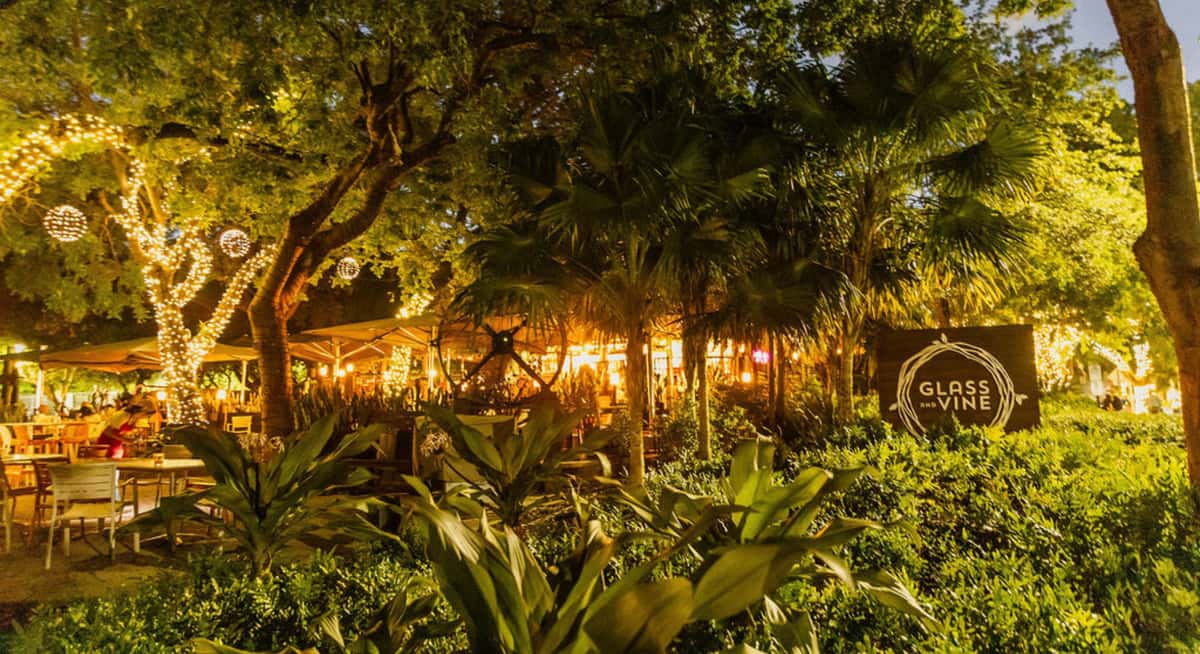
Glass & Vine in Coconut Grove offers a unique calm dining experience through its location in Peacock Park and its commitment to creating a tranquil atmosphere. The restaurant sits adjacent to green space, providing nature-surrounded dining that serves as an escape from Miami's urban intensity. Customer reviews consistently praise Glass & Vine's relaxing ambiance as a key contributor to positive dining experiences.
What Unique Features Does Glass & Vine Provide for Guests Seeking Tranquility?
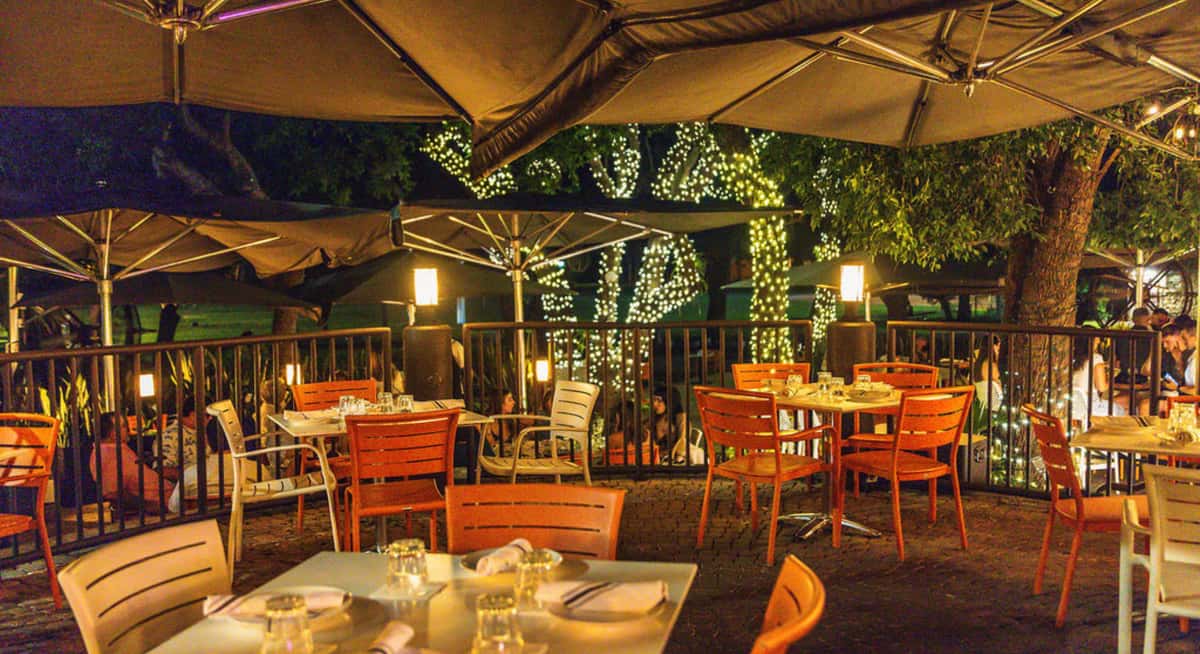
Glass & Vine provides guests seeking tranquility with unique features such as a park-side location that integrates natural elements into the dining experience. The restaurant occupies a prime position in Peacock Park, where mature trees and open green spaces create a buffer from city noise. Floor-to-ceiling windows frame views of the surrounding landscape, bringing natural light and greenery into the dining room.
The outdoor seating area extends the calm atmosphere with shaded tables positioned among native plantings. Sound levels remain moderate even during peak hours due to the natural acoustic dampening provided by vegetation and the open-air design. The interior features warm wood tones and soft lighting that complement the park setting.
Customer reviews highlight specific tranquil features such as the gentle background music, unhurried service pace, and spacious table arrangements. Guests report being able to hold conversations without raising their voices, a rarity in Miami's dining scene. The restaurant's position away from main traffic corridors reduces ambient street noise significantly.
What Are the Key Takeaways About Why Calm Restaurants Are Becoming the New Luxury?
The key takeaways about calm restaurants becoming the new luxury center on shifting consumer priorities toward wellness-focused dining. A cross-disciplinary analysis covering 2019–2024 identifies growing preference for calmer, wellness-aligned experiences that integrate acoustic design and thoughtful spatial planning. Restaurants like Glass & Vine that successfully create tranquil environments position themselves to capture this emerging market opportunity.
The data reveals calm dining addresses multiple consumer needs simultaneously: stress reduction, enhanced social connection, and improved taste perception. Establishments offering quieter environments can command premium prices while building stronger customer loyalty. The trend represents a fundamental shift from noise-as-energy to quiet-as-quality in luxury dining definitions.
Glass & Vine exemplifies this new luxury through its Coconut Grove location, where natural surroundings and deliberate design choices create an oasis of calm. Visitors seeking this elevated dining experience should visit Glass & Vine to experience how tranquil restaurant environments enhance both food quality and social interactions. The restaurant demonstrates that true luxury now means providing spaces where guests can relax, connect, and savor their meals without acoustic interference.