
What Makes a Restaurant Feel Grown-Up Without Feeling Stuffy?
What Makes a Restaurant Feel Grown-Up Without Feeling Stuffy?
Whether you're planning a business dinner, celebrating a milestone, or simply craving an elevated dining experience without the formality, finding a restaurant that strikes the perfect balance between sophistication and comfort can be challenging. We understand you're looking for a place that respects your refined tastes while making you feel relaxed and welcome—you've come to the right place to discover what creates this elusive dining sweet spot.
A restaurant that feels grown-up without feeling stuffy is one that masterfully combines sophisticated design elements, refined cuisine, and professional service while maintaining a relaxed, welcoming atmosphere that encourages genuine enjoyment rather than rigid formality. At Glass & Vine in Coconut Grove, we've perfected this balance by creating an all-outdoor dining experience under mature oak trees that naturally dissolves pretension while elevating every aspect of your meal.
TL;DR Summary: We'll explore how ambiance and design create sophistication through strategic lighting, acoustics, and layout choices that foster intimacy without formality. Our menu discussion reveals how creative cuisine can be approachable through thoughtful organization, descriptive language, and diverse offerings that respect mature palates. We examine service standards that make guests feel special through anticipatory care and personalization without overbearing attention. Understanding why diners seek adult spaces reveals that 54% of Americans willingly pay premiums for unique vibes while avoiding overly formal turn-offs. Location matters significantly, with Coconut Grove's demographics (median age 45, average income $71,106) creating an ideal setting for upscale casual concepts. Glass & Vine exemplifies these principles through our park setting, a locally sourced, seasonally driven menu, and knowledgeable yet friendly service approach.
Quick Tip: When evaluating whether a restaurant achieves grown-up sophistication without stuffiness, observe the staff's body language—relaxed shoulders and genuine smiles indicate a culture that values comfort alongside professionalism.
As we delve deeper into what creates this perfect dining equilibrium, you'll discover the specific elements that transform a meal into an experience worth savoring and repeating.
How Do Ambiance and Design Influence a Sophisticated Yet Relaxed Dining Experience?
Ambiance and design influence a sophisticated yet relaxed dining experience by creating visual depth through layered lighting, controlling acoustic comfort with sound-absorbing materials, and using strategic layouts that balance intimacy with openness. Restaurant ambiance directly affects customer perception and spending patterns. A well-designed space tells a story, evokes emotion, and creates a memorable setting that encourages repeat visits. Glass & Vine in Coconut Grove achieves this balance through its unique outdoor setting under mature oak trees, combining natural elegance with relaxed comfort.
What Elements Help Create a Grown-Up Atmosphere?
Elements that create a grown-up atmosphere include thoughtful lighting design, acoustic control measures, and strategic seating arrangements. Sophisticated restaurants employ layered lighting systems combining ambient, accent, and task lighting to add visual depth. Sound-absorbing materials such as acoustic panels, carpets, and upholstered furniture maintain conversation-friendly noise levels below 70 decibels. Seating configurations feature high-backed booths for intimacy and flexible two-person tables that combine for larger groups. These design choices create mature environments without excessive formality.
How Does Layout and Lighting Affect the Vibe of a Restaurant?
Layout and lighting affect a restaurant's vibe through color temperature, intensity levels, and spatial arrangement. Warm-toned lighting in yellow and amber spectrums creates relaxing, intimate atmospheres ideal for dinner service. Lower lighting levels encourage guests to stay longer and potentially order more courses. Layered lighting approaches combine:
- Ambient lighting for overall illumination
- Accent lighting to highlight architectural features
- Task lighting for functional dining areas
- Natural light maximization during daytime service
Strategic layout elements enhance acoustic comfort and intimacy. High-backed booths create sound-controlled zones. Varied ceiling heights define different dining areas. Counter seating faces the room rather than walls to maintain social connection. Noise levels above 70 decibels interfere with taste perception, making acoustic control essential for dining enjoyment.
What Role Does Music Play in Setting a Non-Stuffy Tone?
Music plays a crucial role in setting a non-stuffy tone by creating familiar, comfortable atmospheres without excessive formality. Background music should remain age-appropriate and less formal than traditional fine dining soundscapes. Consultant Rick Camac advises operators to "lose the house music and make it feel more like a home." Volume levels stay conversational, allowing diners to speak without raising voices. Genre selection reflects the restaurant's personality while avoiding overly trendy or alienating choices. The right musical atmosphere transforms formal spaces into welcoming environments where grown-up diners feel relaxed rather than constrained by rigid etiquette expectations.
How Does the Menu Balance Elegance and Approachability?
A menu balances elegance and approachability through strategic design, thoughtful pricing, and descriptive language that invites rather than intimidates. Glass & Vine exemplifies this balance with its four-section menu structure—Snacks, Garden, Sea, and Land—featuring shareable plates that encourage communal dining while celebrating Florida's seasonal bounty. The following subsections explore how mature palates are satisfied, creative cuisine avoids pretension, and beverage programs complement refined yet relaxed settings.
What Types of Dishes Appeal to a Mature, Diverse Palate?
Dishes that appeal to a mature, diverse palate are those combining familiar flavors with unexpected techniques, seasonal ingredients with global influences, and comfort with sophistication. Glass & Vine's menu showcases locally sourced Florida ingredients prepared with modern techniques that respect traditional flavors. Mature diners seek dishes offering complexity without confusion, such as pan-seared grouper with tropical salsa and vegetable-forward small plates. Shareable formats appeal to experienced diners who value variety and social dining over large individual portions. Seasonal menu changes keep offerings fresh while maintaining signature items that become customer favorites.
How Can a Restaurant Offer Creative Cuisine Without Being Pretentious?
A restaurant offers creative cuisine without being pretentious by using the golden triangle menu layout—placing signature items at center, top right, and top left where eyes naturally focus. Glass & Vine limits choices to around seven items per category, preventing the paradox of choice that overwhelms diners. Evocative, descriptive language makes dishes sound appealing without unnecessary jargon or foreign terms requiring translation. The menu pricing strategy reflects Coconut Grove's upscale-casual market positioning while maintaining approachability for diverse guests. Menu descriptions focus on ingredients and preparation methods rather than chef philosophies or lengthy origin stories.
What Beverage Options Complement a Refined Yet Relaxed Setting?
Beverage options that complement a refined yet relaxed setting include craft cocktails with local ingredients, curated wine lists featuring both accessible and adventurous selections, and artisanal non-alcoholic options. Glass & Vine's beverage program emphasizes natural wines, small-production spirits, and seasonal cocktails incorporating Florida citrus and tropical fruits. Beer selections balance familiar craft breweries with unique imports, appealing to diverse preferences. Non-alcoholic offerings extend beyond standard sodas to include house-made agua frescas, cold-pressed juices, and botanical mocktails. Wine-by-the-glass programs allow exploration without committing to full bottles, while half-bottle options accommodate intimate dining. The outdoor setting under oak trees naturally pairs with refreshing, lighter beverages that complement rather than overpower the fresh, seasonal cuisine.
In What Ways Does Service Contribute to an Upscale but Comfortable Experience?
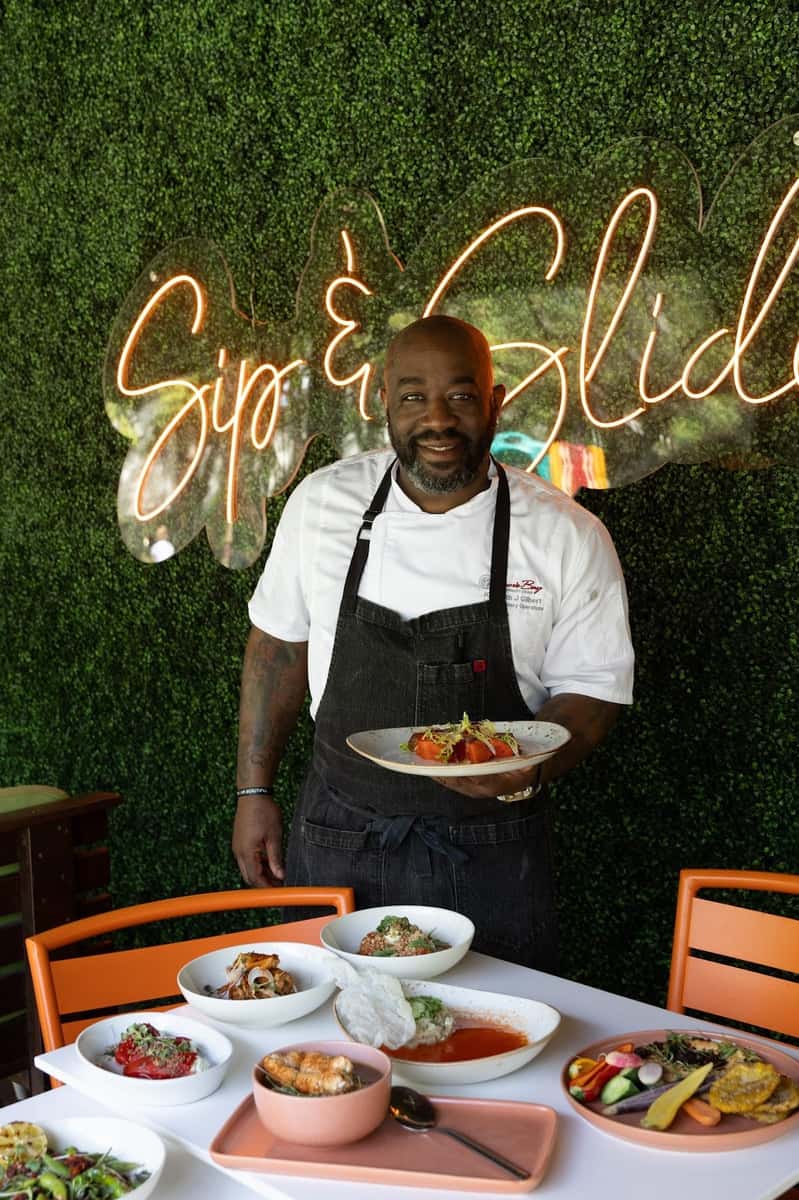
Service creates an upscale but comfortable experience through anticipatory care, personalized touches, and approachable professionalism. Glass & Vine exemplifies this balance in Coconut Grove by training staff to read guest needs before they're voiced while maintaining warmth over formality. The key elements include proactive service, tailored interactions, and knowledgeable staff who create confidence without stuffiness.
How Can Staff Make Guests Feel Special Without Being Overbearing?
Staff make guests feel special without being overbearing through anticipatory service that proactively meets needs. Anticipatory service means servers notice empty water glasses, suggest wine pairings at natural conversation breaks, and remember returning guests' preferences. Personalization enhances guest satisfaction through small, tailored touches such as accommodating dietary restrictions without fanfare, noting celebration occasions, and adjusting service pace to match the table's mood.
Glass & Vine trains its team to balance attentiveness with space. Servers check in at key moments—after appetizers arrive, midway through entrees—without hovering. This approach increases guest loyalty by creating memorable experiences without intrusion. The restaurant's outdoor setting under oak trees naturally encourages this relaxed service style.
What Service Touches Prevent a Restaurant from Feeling Stuffy?
Service touches that prevent stuffiness combine professionalism without pretension and knowledgeable attentiveness that creates confidence without formality. Staff at upscale-casual restaurants greet guests warmly by name when possible, explain menu items in accessible language, and share genuine recommendations based on preferences rather than price points.
Specific approaches include:
- Using conversational language instead of formal scripts
- Offering guidance without condescension when guests ask questions
- Maintaining polish while allowing personality to show
- Creating inclusive atmospheres where all guests feel welcomed
Glass & Vine demonstrates these principles through servers who discuss locally-sourced ingredients enthusiastically without lecturing. The team's approachable expertise helps diners navigate the menu's Garden, Sea, and Land sections comfortably. This service philosophy transforms upscale dining from intimidating to inviting, encouraging guests to relax and enjoy their experience in Coconut Grove's distinctive park setting.
Why Do People Seek Out Adult Spaces That Avoid Formality?
Adults seek refined dining experiences that balance sophistication with comfort. The shift away from rigid formality reflects changing preferences for authenticity over pretense. Modern diners value atmospheres where quality meets accessibility without intimidating protocols.
What Are the Common Turn-Offs of Overly Formal Dining?
The common turn-offs of overly formal dining are rigid dress codes, intimidating service protocols, and pretentious menu language. Excessive formality creates barriers between guests and enjoyment. Stiff interactions with waitstaff diminish relaxation. Overcomplicated presentations prioritize appearance over flavor. Multiple unnecessary utensils confuse rather than enhance the experience. Inflexible seating arrangements prevent natural conversation flow. These elements transform dining from pleasure into performance.
What Motivates Diners to Choose Grown-Up, Comfortable Restaurants?
Diners choose grown-up, comfortable restaurants for authentic experiences that combine quality with approachability. According to research, 54% of Americans willingly pay premiums for unique dining vibes. Visual appeal drives decisions, with 58% selecting TikTok-worthy establishments over less aesthetic options. A 2026 survey revealed 48% of Americans prefer cozy, local-charm interior designs.
Glass & Vine exemplifies this balance through its outdoor setting beneath Coconut Grove's oak canopy. The restaurant offers sophisticated cuisine without pretentious barriers. Mature diners seek spaces for meaningful conversations without shouting over noise. Professional adults want quality ingredients prepared skillfully yet presented accessibly. These restaurants provide escape from both casual chaos and formal rigidity.
How Does Location Enhance the Mood of a Grown-Up, Unpretentious Restaurant?
Location enhances the mood of a grown-up, unpretentious restaurant by connecting the dining experience to neighborhood culture and creating natural boundaries between everyday stress and relaxed enjoyment. The surrounding area shapes guest expectations before they enter, while the physical setting provides environmental cues that encourage adults to unwind without formality.
What Does the Surrounding Neighborhood Add to the Dining Experience?
The surrounding neighborhood adds demographic alignment, cultural context, and accessibility that shape a restaurant's grown-up yet approachable character. Location affects foot traffic patterns, target demographics, and overall restaurant success through community integration.
Coconut Grove exemplifies an ideal neighborhood for upscale casual dining. The area maintains a median age of 45 with average individual income at $71,106. Its racial composition includes approximately 39% White, 38% Hispanic, and 13% African American residents. This demographic mix of affluent professionals, established families, and young adults creates natural demand for sophisticated dining without pretension.
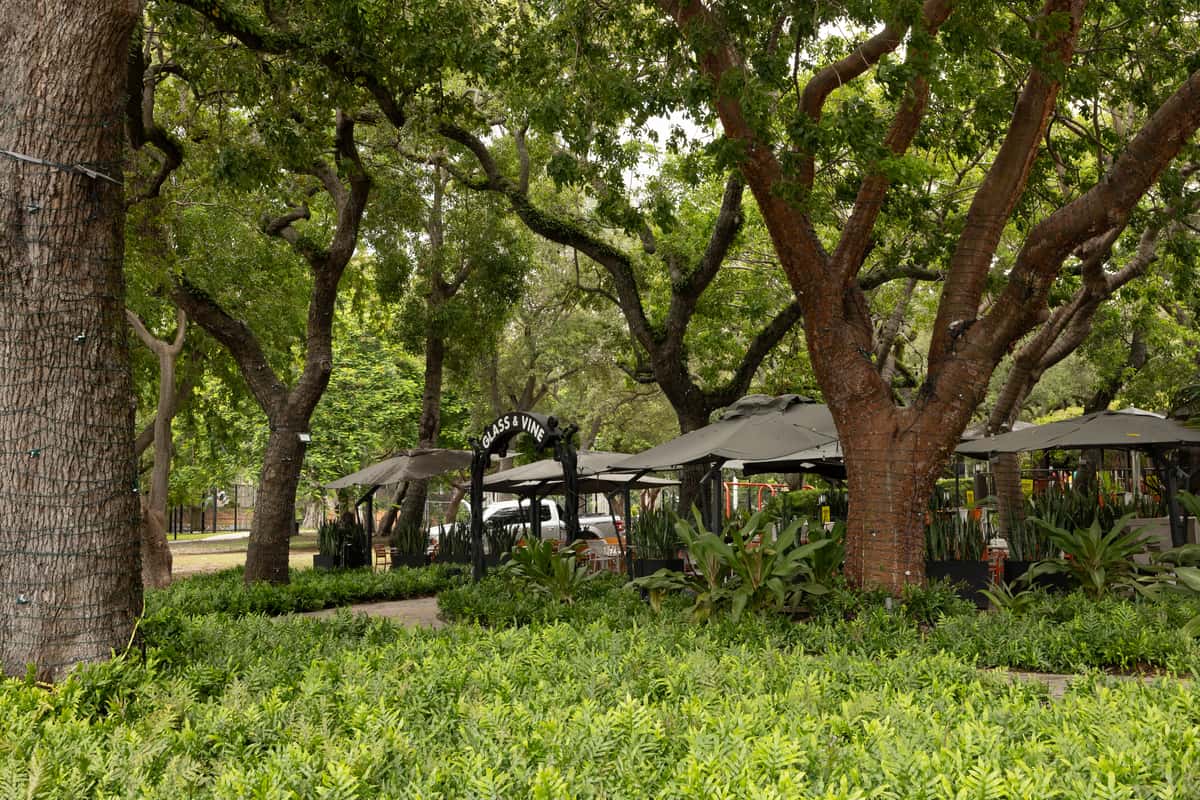
Glass & Vine leverages Coconut Grove's unique park setting within Peacock Park to offer all-outdoor dining beneath mature oak trees. This location provides a competitive advantage through natural ambiance that indoor spaces cannot replicate. The neighborhood's walkability and proximity to residential areas encourage repeat visits from locals seeking regular grown-up gathering spots.
Successful neighborhood integration means restaurants reflect local culture while serving community needs. Coconut Grove's blend of artistic heritage and modern development supports establishments that balance creativity with accessibility.
How Does a Restaurant's Setting Foster Relaxation for Adult Guests?
A restaurant's setting fosters relaxation for adult guests through environmental psychology that reduces formality while maintaining sophistication. Physical separation from urban density creates mental distance from work pressures. Natural elements like trees, water features, or park views trigger parasympathetic nervous system responses that promote calm.
Glass & Vine's position within Peacock Park exemplifies relaxation-inducing design. The canopy of oak trees provides natural acoustic dampening while filtered sunlight creates dynamic lighting throughout service. Outdoor dining removes ceiling constraints that can feel confining in formal restaurants. Fresh air circulation eliminates stuffiness both literally and figuratively.
Settings that foster adult relaxation include:
- Natural boundaries separating dining space from traffic
- Visual connections to greenery or water
- Flexible seating arrangements allowing choice
- Environmental sounds replacing artificial music
Successful restaurants integrate into their neighborhood fabric and reflect local community values. This integration creates familiarity that reduces social anxiety while maintaining special-occasion appeal. The setting becomes part of the experience rather than merely a container for food service, encouraging guests to linger without pressure.
What Sets Glass & Vine Apart as a Grown-Up Yet Unstuffy Restaurant in Coconut Grove?
Glass & Vine distinguishes itself through its unique park setting and sophisticated yet relaxed dining approach. Located in Peacock Park, the restaurant offers an all-outdoor experience beneath mature oak trees, creating an atmosphere that competitors cannot replicate. The natural canopy provides organic ambiance while the open-air concept eliminates traditional dining room stuffiness. This combination delivers refined dining without formality constraints.
How Does Glass & Vine's Atmosphere Encourage Relaxed Sophistication?
Glass & Vine's atmosphere encourages relaxed sophistication through its distinctive Peacock Park location under a canopy of mature oak trees. The all-outdoor dining setup creates natural acoustic zones where conversation flows easily. Daylight filters through branches during lunch service, producing the fresh, airy environment that sophisticated diners seek. Evening service transforms the space as ambient lighting highlights the tree canopy overhead. The park setting serves as Glass & Vine's primary competitive advantage, offering an ambiance that indoor restaurants cannot match. Natural elements replace traditional design features, eliminating pretentious décor while maintaining upscale appeal. Guests experience Coconut Grove's tropical climate directly, fostering connection with the local environment.
What Aspects of Glass & Vine's Menu and Service Stand Out Locally?
Glass & Vine's menu and service stand out through Florida-focused cuisine and approachable professionalism. The menu celebrates local bounty with fresh, seasonal ingredients sourced from regional suppliers. Four distinct sections organize offerings: Snacks, Garden, Sea, and Land. This structure encourages communal dining through shareable plates that spark table conversation. Small plates allow guests to sample multiple flavors without commitment to single entrées. Service maintains the upscale-casual balance through knowledgeable staff who provide attentive care without hovering. Servers demonstrate expertise about ingredient sources and preparation methods while keeping interactions friendly and unpretentious. The team anticipates needs proactively, refilling water glasses and suggesting wine pairings naturally. This service approach aligns with Glass & Vine's philosophy of sophisticated hospitality minus the stuffiness.
Glass & Vine exemplifies grown-up dining without formality through its outdoor park setting and Florida-focused menu. The restaurant's unique advantages position it perfectly for Coconut Grove's diverse demographic seeking refined yet relaxed experiences.
How Can You Experience a Grown-Up Yet Unpretentious Meal at Glass & Vine?
Glass & Vine delivers sophisticated dining without pretension through its unique outdoor setting in Peacock Park. The restaurant combines elegant cuisine with relaxed service under a canopy of mature oak trees. Natural elements create an atmosphere that feels special yet approachable for Coconut Grove diners seeking upscale experiences without formality.
What Should You Know When Planning a Visit to Glass & Vine?
Planning a visit to Glass & Vine requires consideration of its all-outdoor dining format under oak trees. Weather conditions and daylight hours directly impact the dining experience since there are no indoor seating options. The park setting provides natural shade during lunch service while sunset timing enhances evening ambiance. Reservations accommodate weather contingencies with flexible rescheduling policies. The fresh, airy daytime atmosphere comes from abundant natural light filtering through the tree canopy overhead.
What Are the Key Takeaways About a Restaurant That Feels Grown-Up Without Feeling Stuffy We Covered?
The key takeaways about restaurants that feel grown-up without feeling stuffy include strategic ambiance choices, approachable menus, and relaxed service standards. Glass & Vine exemplifies these principles through outdoor dining that eliminates traditional fine-dining barriers. Grown-up restaurants succeed by balancing sophistication with comfort through design elements such as natural lighting, acoustic control, and flexible seating arrangements. Menu accessibility matters equally—creative dishes need descriptive language without pretension. Service should anticipate needs while maintaining warmth over formality. These elements combine to create spaces where mature diners enjoy elevated experiences without rigid protocols.