
Unique Dining Experiences Miami
Unique Dining Experiences Miami
Unique dining experiences in Miami are meals that combine the city's subtropical setting, multicultural cuisine, and sensory elements beyond the plate into something distinctive to the destination.
This guide covers outdoor and waterfront dining formats, brunch and dinner experiences, date night and family-friendly options, neighborhood-specific discoveries, and the sourcing and cocktail programs that tie it all together.
Open-air dining spans garden-canopy restaurants in Coconut Grove, waterfront venues along Biscayne Bay, and rooftop destinations across Brickell and the Design District. Each format uses Miami's year-round warm climate as a core ingredient in the experience.
Brunch options range from all-day scenic settings with flexible scheduling to group-friendly venues built for celebrations, bottomless cocktails, and shareable plates. Dinner experiences include chef-driven tasting menus, communal feast-style formats, and immersive themed events featuring internationally recognized guest chefs.
Date night restaurants pair intimate garden settings and ambient lighting with craft cocktail programs designed alongside the food menu. Family-friendly venues offer playground-adjacent outdoor seating, dedicated kids' menus, and refined dishes that let parents enjoy the meal without compromise.
Coconut Grove, Wynwood, the Design District, Little Havana, and Brickell each bring a distinct culinary identity to the city. Coconut Grove stands apart for its walkable, nature-forward dining beneath historic oak canopies, where restaurants like Glass & Vine blend park settings with locally sourced, all-day menus.
Farm-to-table sourcing and craft cocktail programs anchor the final layer. Restaurants committed to seasonal, regionally grown ingredients and house-crafted beverages using tropical fruits like guava and Key lime deliver experiences that feel genuinely tied to South Florida.
What Makes a Dining Experience Unique in Miami?
A dining experience becomes unique in Miami when it combines the city's tropical setting, multicultural flavors, and sensory elements beyond the plate. Several factors distinguish an ordinary meal from something memorable.
Miami's dining identity draws from its coastal geography, year-round warm climate, and deeply layered cultural influences. Restaurants that tap into these elements create experiences diners cannot replicate elsewhere. According to Johnson & Wales University, experiential dining goes the extra mile to stimulate the senses through unique themes and other interactive elements, not just the food itself.
What separates a truly distinctive Miami restaurant from a standard one often comes down to how well it integrates environment, cuisine, and atmosphere into a single cohesive moment. Key factors that define a unique dining experience in Miami include:
- Open-air and garden settings that take advantage of subtropical weather, allowing guests to dine under tree canopies, beside waterfront views, or on rooftop terraces.
- Culturally diverse menus reflecting Miami's Latin American, Caribbean, and international influences, often through shareable plates and chef-driven tasting formats.
- Locally sourced ingredients that connect the plate to South Florida's farms and fisheries, adding a sense of place to every dish.
- Atmospheric design that engages multiple senses, from lush landscaping to curated lighting and spatial layout.
- Neighborhood character shaped by distinct districts like Coconut Grove, Wynwood, and Little Havana, each offering a different backdrop and energy.
A 2025 study published in PLOS ONE found that restaurant attributes including spatial configuration, sanitation, and menu design have statistically significant associations with behavioral intentions, suggesting that the dining environment, not just the food, can influence guests' intentions. For a city where so much of daily life happens outdoors, these atmospheric elements carry even more weight than in most dining markets.
Miami's best restaurants understand that uniqueness is not a single ingredient; it is the interplay of setting, culture, and culinary craft. The sections ahead explore these elements in detail, from outdoor and waterfront dining to brunch, dinner, date nights, and neighborhood-specific discoveries.
What Are the Best Outdoor Dining Experiences in Miami?
The best outdoor dining experiences in Miami span garden-setting restaurants, waterfront venues, and rooftop destinations. Each format offers a distinct atmosphere shaped by Miami's year-round subtropical climate.
Where Can You Find Garden-Setting Restaurants in Miami?
Garden-setting restaurants in Miami are found in neighborhoods where mature tree canopies and lush landscaping create natural dining rooms. Coconut Grove is home to some of the city's most established garden venues, where historic parks provide shade and greenery that no interior design can replicate.
Restaurants operating in these settings must meet specific municipal requirements. According to Miami-Dade County's commercial sidewalk dining guidance, outside dining areas covered by that guidance are allowed only after obtaining the proper zoning variances. This regulatory framework helps address issues such as safety, accessibility, and the use of commercial outdoor space.
The appeal of garden dining extends beyond aesthetics. Surrounded by natural elements, guests tend to linger longer and engage more fully with seasonal menus built around the setting itself.
Which Waterfront Restaurants Offer Unique Open-Air Dining?
Waterfront restaurants offering unique open-air dining in Miami line Biscayne Bay, the Miami River, and the Intracoastal Waterway. These venues combine unobstructed water views with fresh ocean breezes to create multisensory meals that static indoor spaces cannot match.
According to the Greater Miami Convention & Visitors Bureau, the destination's dining scene offers everything from waterfront to rooftop dining, along with dedicated group menus, flexible seating options, and attentive service. The Greenhouse at Baia Beach Club, at Mondrian South Beach, features floor-to-ceiling views with glass doors that can open to the waterfront, accommodating private events for up to 50 guests.
What separates a truly memorable waterfront meal from a forgettable one is whether the venue treats the setting as an integral part of the experience, not just a backdrop. The best open-air waterfront restaurants design their menus, lighting, and service pacing around the natural environment.
What Rooftop Dining Experiences Stand Out in Miami?
Rooftop dining experiences that stand out in Miami combine elevated skyline views with curated food and cocktail programs. Neighborhoods like Brickell, South Beach, and the Design District host rooftop venues ranging from casual lounges to full-service restaurants with tasting menus.
What distinguishes the strongest rooftop concepts is intentional design. Rather than relying solely on the view, the most compelling venues integrate live music, craft cocktail bars, and seasonal menus that give guests a reason to return. Rooftop elevation may allow greater exposure to natural breezes, although comfort during Miami's warmer months depends on heat, humidity, and shade.
For anyone seeking outdoor dining that feels elevated in both setting and execution, rooftop venues offer a format worth exploring alongside Miami's garden and waterfront options.
What Are the Most Unique Brunch Experiences in Miami?
The most unique brunch experiences in Miami combine scenic outdoor settings, all-day menus, and flexible options for groups. Below, explore where to find extended brunch service with views and which spots handle celebrations best.
Where Can You Find All-Day Brunch with a Scenic Setting?
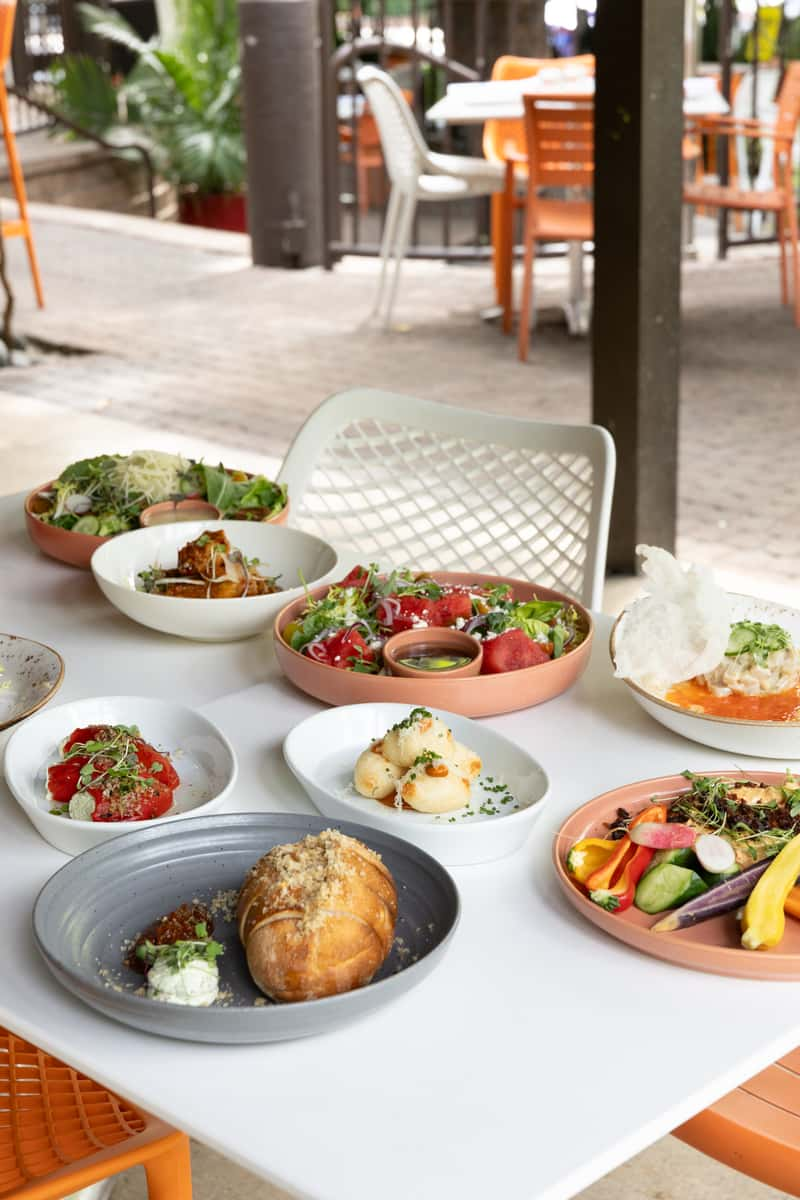
You can find all-day brunch with a scenic setting at open-air restaurants throughout Miami's most picturesque neighborhoods. Coconut Grove, in particular, offers garden-canopy dining where brunch extends well beyond the typical morning window. Restaurants that serve brunch alongside lunch on a flexible schedule allow guests to arrive at their own pace, which transforms a rushed meal into a leisurely occasion. According to a 2020 research recap from the Cornell SC Johnson College of Business, restaurants offering flexible reservation timing could increase modeled revenues by up to 21 percent, highlighting the potential operational value of reservation flexibility. For anyone seeking a brunch that feels more like an escape than a meal, a tree-shaded patio with locally sourced plates is hard to beat.
Which Miami Brunches Are Best for Groups and Celebrations?
The Miami brunches best for groups and celebrations are those offering dedicated group menus, flexible seating configurations, and attentive service that simplifies planning. Venues with semi-private outdoor areas or covered patios accommodate birthday parties, showers, and milestone gatherings without sacrificing the relaxed energy that makes brunch appealing. Bottomless brunch options add a festive layer, keeping the momentum going for larger tables. The key is finding a space where the atmosphere scales naturally; an intimate corner for four should feel just as intentional as a long communal table for twenty. For group-friendly brunches that still feel special, look for restaurants combining versatile layouts with craft cocktail programs and shareable plates.
With brunch covered, Miami's dinner scene opens an entirely different dimension of unique dining.
What Are the Best Unique Dinner Experiences in Miami?
The best unique dinner experiences in Miami range from chef-driven tasting menus and shareable feast-style dining to immersive themed events. Each format transforms an evening meal into something memorable.
Which Restaurants Offer Chef-Driven Tasting Menus?
Restaurants that offer chef-driven tasting menus in Miami include venues across Coconut Grove, Brickell, and the Design District. These multi-course formats let the kitchen guide the evening, with each plate building on the last through seasonal ingredients and deliberate pacing.
Key features of a strong tasting menu experience include:
- A curated sequence of five or more courses designed to showcase a chef's culinary philosophy.
- Seasonal menus that rotate based on ingredient availability and local sourcing.
- Optional beverage pairings that complement each course's flavor profile.
- Intimate seating arrangements that keep the focus on the food.
For diners seeking more than a standard dinner, tasting menus offer a narrative structure that turns a meal into an event.
Where Can You Find Shareable Feast-Style Dining in Miami?
You can find shareable feast-style dining in Miami at restaurants that design menus around communal plates, family-style portions, and dishes built for the center of the table. This format encourages conversation and creates a more relaxed, social atmosphere than individually plated courses.
Shareable dining works especially well for:
- Group celebrations where guests want variety without committing to one entrée.
- Casual yet refined settings where large-format proteins, seasonal sides, and dips anchor the spread.
- Restaurants with outdoor seating, where the informal energy of open-air spaces matches the communal style.
Coconut Grove restaurants, with their garden settings and relaxed pace, are particularly well suited to this approach.
What Immersive or Themed Dinner Events Happen in Miami?
Immersive or themed dinner events in Miami include pop-up collaborations, historically inspired feasts, and multi-sensory experiences that blend storytelling with cuisine. These events go beyond standard restaurant service by building an evening around a specific concept, era, or guest chef.
According to a University of Miami event listing, Chef David de Coca, the creative force behind Sa Llagosta in Menorca, Spain, was featured in a medieval round table discussion exploring historical cuisine and the preparation of traditional recipes. Events like these reflect Miami's capacity to attract internationally recognized culinary talent for one-of-a-kind experiences.
Themed dinners reward adventurous diners willing to step outside familiar formats, and they frequently sell out quickly. With dinner formats explored, the next consideration is how Miami's restaurants set the scene for a memorable date night.
What Are the Most Unique Date Night Restaurants in Miami?
The most unique date night restaurants in Miami combine intimate garden settings, craft cocktail programs, and atmospheric design to create romantic experiences. Below, explore which garden restaurants set the mood and where couples can find cocktail-focused dining.
Which Intimate Garden Restaurants Set the Mood for Couples?
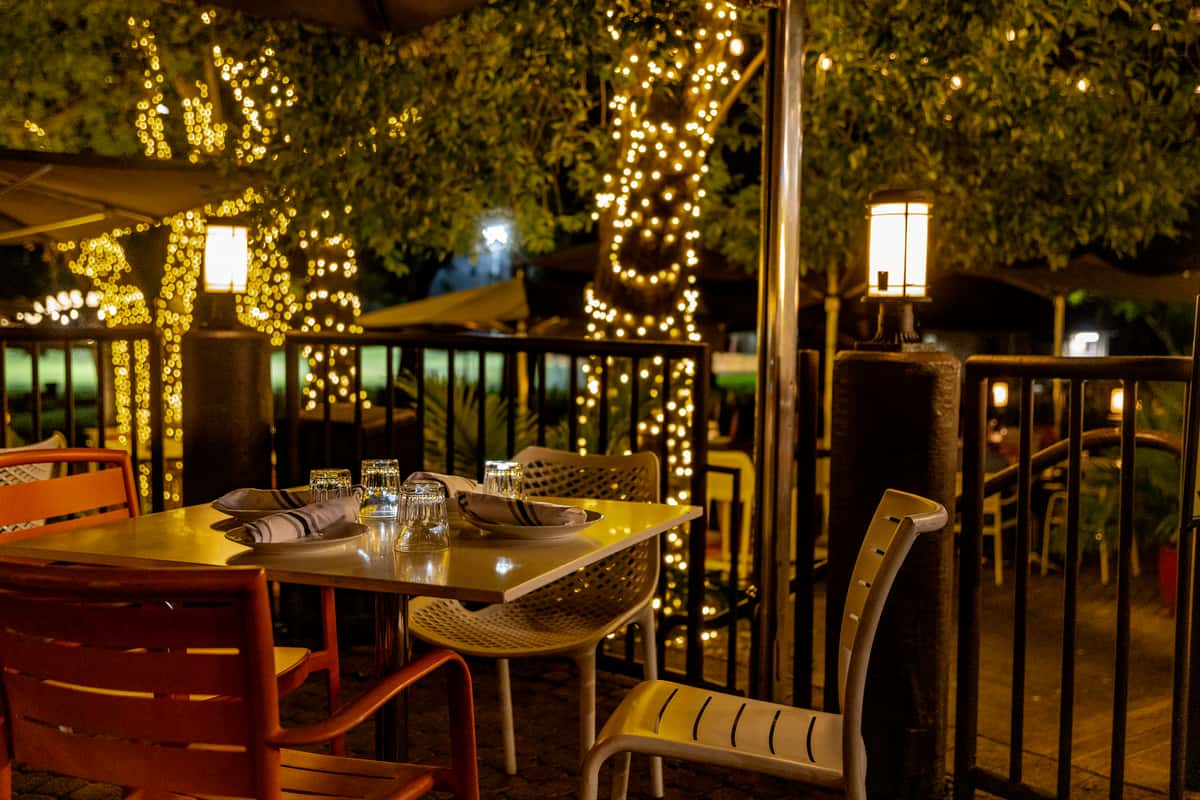
Intimate garden restaurants set the mood for couples by surrounding them with lush landscaping, soft lighting, and open-air seating that feels private yet connected to Miami's tropical environment. Canopy-shaded patios, string-lit courtyards, and tables nestled among mature trees create a sense of seclusion that indoor dining rooms rarely match.
Restaurants positioned within parks or botanical settings offer something particularly special. The natural backdrop eliminates the need for heavy decor, letting the environment itself become the centerpiece of the evening. Couples looking for a relaxed, unpretentious atmosphere should prioritize venues where the garden setting is integral to the design, not an afterthought.
Key features that define the best garden date spots include:
- Canopy shade from mature oaks or tropical trees that creates natural enclosure.
- Ambient outdoor lighting that softens as the evening progresses.
- Spaced seating arrangements that provide conversational privacy.
- Menus built around shareable plates that encourage lingering.
For couples who value atmosphere as much as the food, a garden restaurant transforms dinner into an experience worth remembering.
Where Can Couples Find Craft Cocktail-Focused Dining?
Couples can find craft cocktail-focused dining at Miami restaurants that pair inventive bar programs with full dinner menus, creating a seamless experience where drinks and food complement each other rather than compete. According to a 2025 PLOS ONE study, restaurant attributes such as menu design and spatial configuration show statistically significant associations with behavioral intentions, suggesting that menu choices and restaurant layout can be relevant to guests' overall perceptions.
The best cocktail-forward date night venues share a few common traits:
- Seasonal cocktail menus that rotate ingredients alongside the kitchen's menu.
- Bartenders who customize drinks based on flavor preferences and meal pairings.
- Dedicated happy hour programs that let couples explore the bar before committing to dinner.
- Low-lit bar areas positioned near the dining space for a natural transition between courses and drinks.
Prioritizing restaurants where the cocktail program receives the same creative attention as the food ensures a more cohesive, memorable date night. With the right pairing of drinks and atmosphere, cocktail-focused dining sets the stage for exploring Miami's broader neighborhood dining scene.
What Unique Family-Friendly Dining Experiences Exist in Miami?
Unique family-friendly dining experiences in Miami combine outdoor spaces, kid-welcoming atmospheres, and menus that satisfy both children and adults. The options range from restaurants with adjacent play areas to venues offering casual yet refined dishes the whole family can share.
Which Miami Restaurants Welcome Kids with Outdoor Play Areas?
Miami restaurants that welcome kids with outdoor play areas include venues situated near parks, gardens, and open-air patios where children can move freely while parents dine. These spaces may be subject to local zoning requirements; according to Miami-Dade County's sidewalk dining guidance, covered outside dining areas require proper zoning variances, although these requirements do not establish whether a restaurant is designed for families.
Neighborhoods like Coconut Grove are particularly well suited for this setup, with restaurants positioned alongside shaded playgrounds and green spaces. Families without a car can still access these areas easily. The Coconut Grove Trolley Route operates Monday to Saturday from 6:30 AM to 11:00 PM, connecting families to dining destinations across the neighborhood. For parents, a restaurant next to a playground is one of the most underrated upgrades to a meal out; it turns a potentially stressful dinner into something genuinely relaxing.
Where Can Families Enjoy Casual Yet Refined Menus Together?
Families can enjoy casual yet refined menus together at Miami restaurants that ng to the USDA National A balance approachable kids' options with thoughtfully prepared dishes for adults. The best family dining spots offer dedicated kids' menus alongside seasonally driven plates, shareable appetizers, and craft beverages for parents.
Key features that define these venues include:
- Menus designed at multiple levels, with simple comfort dishes for children and ingredient-forward plates for adults.
- Shareable formats that let the whole table participate in the meal rather than ordering in isolation.
- Relaxed atmospheres where families feel welcome without sacrificing food quality or presentation.
This combination matters because it removes the compromise families often face: choosing between a restaurant the kids will tolerate and one the adults actually enjoy. With family-friendly dining covered, Miami's distinct neighborhoods each bring their own character to the table.
Which Miami Neighborhoods Are Known for Unique Dining?
Miami neighborhoods known for unique dining include Coconut Grove, Wynwood, the Design District, Little Havana, and Brickell. Each district brings a distinct culinary identity shaped by its culture, architecture, and community.
What Unique Restaurants Can You Find in Coconut Grove?
Unique restaurants you can find in Coconut Grove include open-air garden concepts, waterfront seafood spots, and chef-driven neighborhood bistros set beneath the area's signature tree canopy. The Grove's village character encourages walkable dining, where lush landscaping and historic parkland become part of the meal itself.
Restaurants here often emphasize locally sourced menus and relaxed, nature-forward atmospheres. Glass & Vine, set beneath the oak canopy of Peacock Park, captures this ethos with shareable plates in a garden setting that feels removed from the city. For anyone who values ambiance as much as the plate, Coconut Grove consistently delivers one of Miami's most distinctive dining environments.
What Dining Experiences Define Wynwood and the Design District?
The dining experiences that define Wynwood and the Design District center on creative, art-influenced concepts where visual design is as important as the food. Wynwood's warehouse conversions house everything from pan-Asian fusion to wood-fired kitchens, often surrounded by murals and rotating gallery installations.
The Design District leans toward upscale, globally inspired restaurants with polished interiors and curated tasting menus. According to Johnson & Wales University, experiential dining stimulates the senses through unique themes and interactive elements beyond the food itself. Both neighborhoods reward diners who seek bold flavors paired with striking environments, and the energy shifts noticeably between daytime casual and late-night creative dining.
What Stands Out About Dining in Little Havana and Brickell?
What stands out about dining in Little Havana is its deep cultural authenticity. Calle Ocho anchors the neighborhood with Cuban bakeries, ventanitas serving cortaditos, and family-run restaurants offering ropa vieja and lechón that reflect generational recipes.
Brickell, by contrast, delivers a polished, urban dining scene. High-rise rooftop restaurants, sleek sushi bars, and Latin-fusion steakhouses serve the neighborhood's financial-district crowd. The range spans power-lunch spots to late-night lounges.
- Little Havana excels at affordable, tradition-rooted Cuban and Latin American cuisine.
- Brickell specializes in upscale international concepts with skyline views and craft cocktail programs.
Together, these neighborhoods represent two ends of Miami's dining spectrum. Understanding what each offers helps diners choose the right experience for any occasion.
What Are the Best Dog-Friendly Dining Experiences in Miami?
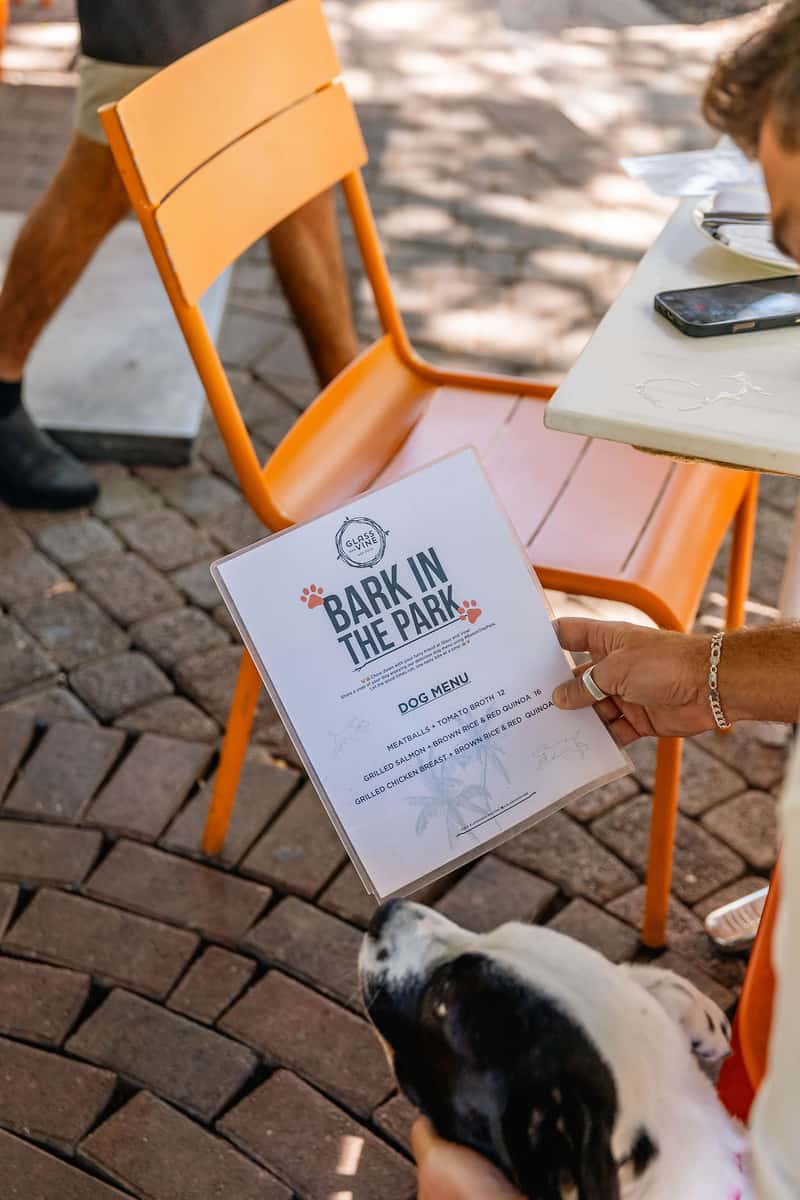
The best dog-friendly dining experiences in Miami are outdoor restaurants with shaded patios, relaxed atmospheres, and menus that cater to both guests and their pets. Miami's warm climate makes year-round al fresco dining possible, and a growing number of restaurants welcome dogs on their patios with water bowls, treats, and even dedicated dog menus. Venues set within parks or gardens offer the most comfortable experience, giving dogs room to relax while owners enjoy a full meal. Glass & Vine in Coconut Grove stands out as a top choice; its open-air patio beneath Peacock Park's oak canopy welcomes dogs and features a dedicated "Doggy" menu designed specifically for four-legged guests. For pet owners seeking more than just tolerance of their companion, restaurants that invest in pet-specific offerings signal a genuinely welcoming environment rather than a reluctant accommodation.
What Locally Sourced and Farm-to-Table Restaurants Are in Miami?
Locally sourced and farm-to-table restaurants in Miami are dining establishments that prioritize ingredients grown or raised within a defined regional radius, connecting South Florida's agricultural bounty directly to the plate. These restaurants emphasize seasonal menus, sustainable sourcing relationships, and transparency about where food originates.
The concept carries a specific federal definition worth understanding. According to the USDA National Agricultural Library, a "locally or regionally produced agricultural food product" is any product raised, produced, and distributed so that the total distance transported is less than 400 miles from its origin, or within the state where it is produced. South Florida's year-round growing season gives Miami restaurants access to tropical fruits, fresh seafood, and specialty produce that most U.S. cities simply cannot source locally.
Several characteristics distinguish genuine farm-to-table restaurants from those using the label loosely:
- Menus change seasonally based on what local farms and fisheries currently harvest.
- Chef relationships with specific growers and purveyors are transparent and often named.
- Ingredients travel shorter distances, preserving freshness and reducing environmental impact.
- Preparations tend to highlight the natural quality of ingredients rather than masking them.
For restaurants committed to this philosophy, the sourcing decisions shape everything from daily specials to cocktail programs that feature locally grown herbs and citrus. In a city where dining culture may value authenticity, farm-to-table can represent more than a marketing trend when a restaurant demonstrates genuine sourcing relationships and transparency.
Understanding how sourcing philosophy connects to the overall dining experience helps explain why craft cocktail programs have become another defining feature of Miami's restaurant scene.
How Do Craft Cocktail Programs Elevate Miami Dining?
Craft cocktail programs elevate Miami dining by transforming beverages into an intentional part of the meal experience. Thoughtfully designed drink menus add sensory depth, complement seasonal ingredients, and encourage guests to linger longer.
A well-executed cocktail program does more than stock a bar. It creates a narrative that runs parallel to the kitchen's vision, using locally sourced fruits, house-made syrups, and regionally inspired flavor profiles to reinforce a restaurant's identity. When cocktails are designed alongside the food menu rather than as an afterthought, each course gains a complementary pairing that heightens both flavor and atmosphere.
According to the National Restaurant Association's updated October 2026 analysis, restaurant and foodservice sales are projected to reach $1.36 trillion nationwide in 2026. That growth reflects diners who increasingly value complete experiences over simple meals. Restaurants that invest in craft cocktail programs may create additional revenue opportunities, while curated drink lists can encourage guests to explore new flavors.
In Miami, where tropical ingredients like passionfruit, guava, and Key lime grow abundantly, cocktail menus naturally reflect the region's agricultural character. Programs that source these ingredients locally strengthen ties to the surrounding community while offering flavors that feel genuinely tied to place. The result is a drink menu that could only exist in South Florida.
For restaurants with open-air settings, cocktails also serve a practical role. A refreshing, well-balanced drink anchors the experience in warm weather, making outdoor dining more comfortable and extending the time guests spend at the table. This connection between setting and beverage is especially powerful in neighborhoods like Coconut Grove, where garden-like environments invite a slower, more intentional pace of dining.
Ultimately, craft cocktail programs signal that a restaurant treats every element of the guest experience with equal care. A kitchen that pairs a seasonal menu with thoughtfully crafted drinks communicates culinary seriousness without sacrificing approachability, and that balance defines some of Miami's most memorable dining destinations.
How Can Open-Air Garden Dining in Coconut Grove Transform a Meal?
Open-air garden dining in Coconut Grove transforms a meal by combining natural surroundings, seasonal menus, and relaxed atmosphere into a single sensory experience. The sections below explore how Glass & Vine delivers this and what defines unique dining across Miami.
Does Glass & Vine Offer a Unique All-Day Dining Experience?
Glass & Vine offers a unique all-day dining experience set beneath the oak canopy of Peacock Park in Coconut Grove. The lush, open-air restaurant serves brunch, lunch, and dinner menus built around locally sourced ingredients and shareable plates. Families enjoy playground-adjacent seating, while couples find a romantic garden atmosphere. A dedicated dog menu, weekend bottomless brunch, and happy hour cocktails round out an inclusive format that accommodates groups of every size. According to a 2025 study published in PLOS ONE, restaurant attributes like spatial configuration, sanitation, and menu design have statistically significant associations with diners' behavioral intentions. Few restaurants blend park setting, all-day flexibility, and neighborhood warmth the way this Coconut Grove destination does.
What Are the Key Takeaways About Unique Dining in Miami?
The key takeaways about unique dining in Miami center on variety, atmosphere, and intentional design. Miami's dining landscape rewards restaurants that pair distinctive settings with thoughtful menus, whether that means rooftop views, waterfront breezes, or garden canopies. The most memorable experiences share a few common traits:
- Outdoor and open-air formats elevate ambiance beyond what interior-only spaces achieve.
- Locally sourced, seasonal ingredients create menus that reflect South Florida's culinary identity.
- Flexible service models, from all-day dining to shareable feasts, accommodate diverse occasions.
- Neighborhoods like Coconut Grove, Wynwood, and Brickell each contribute a distinct character to the city's restaurant culture.
For diners seeking that combination of setting, flavor, and flexibility, Glass & Vine in Coconut Grove brings the open-air garden concept to life every day of the week.