
Tips for Hosting Outdoor Events: Pro Tips
Tips for Hosting Outdoor Events: Pro Tips
Hosting outdoor events is the practice of planning and executing gatherings in open-air settings where venue selection, weather preparedness, and guest comfort drive every decision. In subtropical climates like Coconut Grove, FL, success depends on controlling variables that indoor venues handle by default.
This guide covers venue selection and weather planning, event timing and spatial layout, outdoor food and beverage strategy, ambiance design, guest accommodation, and common mistakes to avoid.
The right venue provides natural shade, adequate square footage per guest, and proximity to indoor backup space so sudden storms don't derail the event. Permit timelines, ADA-compliant surfaces, and climate control infrastructure all factor into that initial choice.
Weather planning for South Florida events requires a rain contingency with covered alternatives, heat mitigation through shade and hydration stations, and a forecast monitoring schedule that begins 10 days out with hourly tracking in the final 48 hours.
Timing and layout shape the guest experience directly. Morning brunch avoids peak heat, evening dinners capitalize on cooler post-sunset temperatures, and golden hour provides natural lighting no fixture can match. Spacing benchmarks, conversation-friendly table arrangements, and distinct dining and mingling zones keep guests comfortable and engaged.
Outdoor menus perform best with shareable plates, strict temperature controls that respect food safety protocols, and cold beverage stations positioned in shaded areas. In warm climates, the window for safe perishable food exposure shrinks significantly.
Layered lighting, natural greenery, and sound systems calibrated for open-air acoustics create cohesive ambiance. Accommodating families with children, dog owners, and guests with mobility needs ensures every attendee feels welcome. Avoiding pitfalls like skipped permits, inadequate space allocation, and missing backup plans protects the entire event from preventable failures.
Why Does Choosing the Right Outdoor Venue Matter Most?
Choosing the right outdoor venue matters most because it determines guest comfort, logistical feasibility, and weather resilience for the entire event. The subsections below cover what to evaluate in an outdoor location, how natural shade improves comfort, and why nearby indoor backup space is essential.
What Should You Look for in an Outdoor Event Location?
You should look for an outdoor event location that offers adequate square footage, permit eligibility, climate control options, and ADA-compliant access. According to MityLite, a general spatial guideline is to allocate between 22 to 44 square feet of usable space per person to ensure guest comfort and safety.
Key factors to evaluate in any outdoor event location include:
- Usable space per guest: Seated dinners need more room than cocktail-style receptions, so confirm the venue's capacity matches your format.
- Local permit timelines: Miami-Dade County requires special event permit applications well in advance, with lead times varying by event classification.
- Climate control infrastructure: Daily climate control rental costs for outdoor events typically range from $400 to $2,500, so venues with existing shade structures or power access reduce that burden.
- Accessible surfaces: Temporary outdoor event flooring must meet ADA standards for wheelchair passage and stable footing.
- Catering and beverage support: The site should accommodate food service logistics, including refrigeration access and bar staging areas.
Venues that check these boxes from the start prevent costly last-minute adjustments.
How Does Natural Shade and Tree Canopy Improve Guest Comfort?
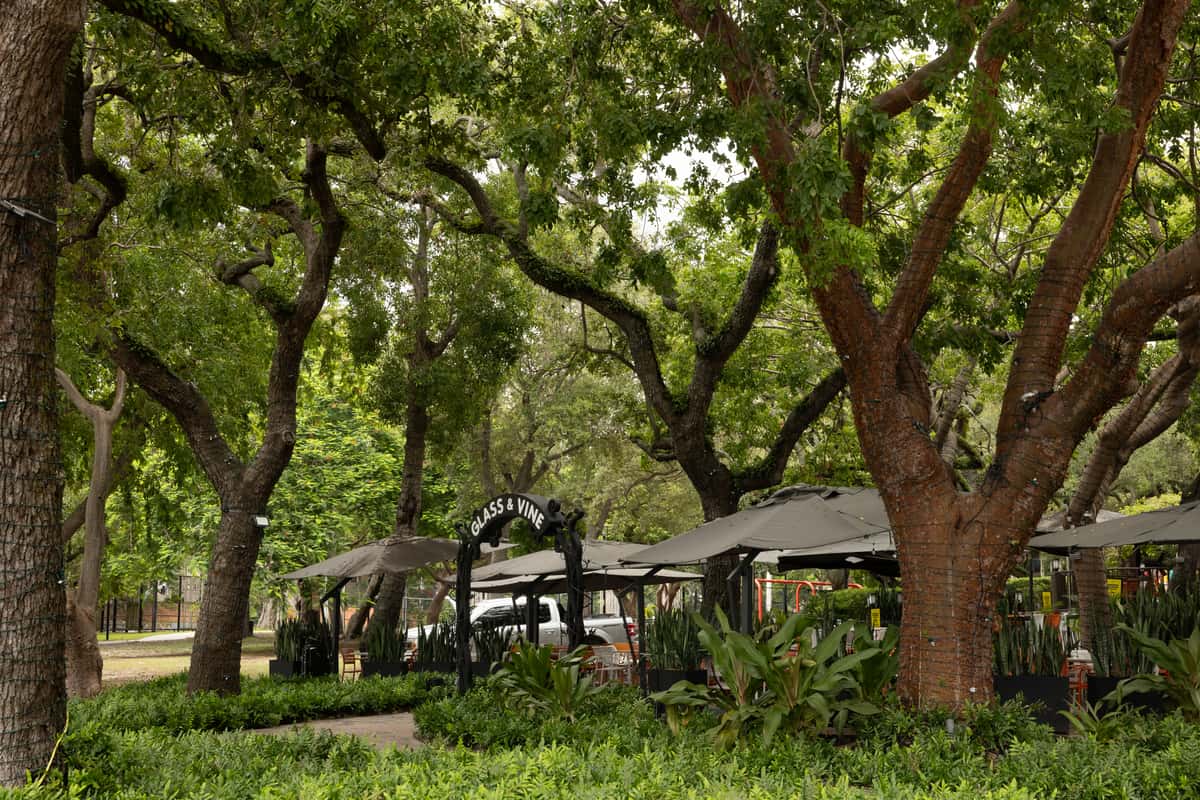
Natural shade and tree canopy improve guest comfort by reducing direct sun exposure, lowering ambient temperatures, and creating a cooler microclimate beneath the foliage. In South Florida's subtropical heat, mature tree coverage can make the difference between a pleasant gathering and an uncomfortably hot one.
Canopy shade offers several practical advantages for outdoor events:
- Temperature reduction: Shaded areas feel noticeably cooler, which decreases the need for supplemental cooling equipment.
- UV protection: Dense leaf cover filters harmful ultraviolet rays, reducing sunburn risk for guests spending hours outdoors.
- Visual atmosphere: A lush canopy creates a naturally elegant backdrop, minimizing the need for heavy décor or overhead installations.
For anyone planning an event in Coconut Grove, a venue set beneath a mature oak canopy provides built-in comfort that tents and misting fans can only approximate.
Why Is Proximity to Indoor Backup Space Important?
Proximity to indoor backup space is important because Florida's weather can shift rapidly, and a nearby sheltered area protects guests, equipment, and the event timeline when sudden rain or storms arrive. Without a close indoor option, hosts face full cancellations or dangerous delays during severe weather.
Indoor backup space serves multiple functions during an outdoor event:
- Immediate shelter: Guests relocate quickly when rain starts, rather than waiting for transportation to a distant alternate site.
- Equipment protection: Sound systems, lighting rigs, and décor avoid water damage when they can be moved indoors within minutes.
- Seamless transitions: Events with adjacent indoor areas maintain energy and flow, since the move feels like a natural shift rather than a disruption.
Choosing a venue where indoor and outdoor spaces sit side by side is one of the most practical safeguards any outdoor event planner can put in place. With the right venue selected, the next priority is preparing for weather variables specific to Miami's climate.
How Do You Plan for Weather When Hosting Outdoors?
Planning for weather when hosting outdoors requires a rain contingency plan, heat mitigation strategies, and consistent forecast monitoring. These three elements protect your event from Miami's unpredictable subtropical climate.
What Should Your Rain Contingency Plan Include?
Your rain contingency plan should include a covered backup space, a clear-span tent reservation, and a communication protocol for notifying guests of location changes. Florida's afternoon thunderstorms arrive quickly, often lasting 30 to 60 minutes before clearing.
A strong rain contingency plan covers these essentials:
- Reserve a tent or indoor backup space at least 60 days before the event date.
- Confirm that your venue offers seamless indoor-outdoor transitions for rapid relocation.
- Assign a point person responsible for making the weather call and directing staff.
- Prepare waterproof signage to guide guests if the setup shifts.
- Protect electronics, speakers, and lighting with weatherproof covers or IP-rated enclosures.
Venues with built-in indoor alternatives reduce last-minute scrambling considerably. For hosts planning in Coconut Grove, choosing a location already equipped with covered structures simplifies this process.
How Do You Protect Guests From Heat and Humidity in Miami?
Protecting guests from heat and humidity in Miami requires shade coverage, airflow management, and hydration access throughout the event space. Miami's subtropical climate means temperatures frequently exceed 85°F with high humidity from May through October, making passive cooling insufficient for most gatherings.
Effective heat mitigation strategies include:
- Position seating under natural tree canopy or tensile shade structures.
- Place water stations at multiple points so guests never walk far to hydrate.
- Use industrial misting fans around high-traffic zones to lower perceived temperatures.
- Choose breathable linens and avoid dark-colored table coverings that absorb heat.
- Schedule physically active portions of the event, like dancing, during cooler evening hours.
According to the University of Kansas accessibility guidelines, ADA standards for accessible dining require table surfaces between 28 and 34 inches from the floor with at least 27 inches of knee clearance. Shaded, accessible seating ensures comfort for all guests, not just those who tolerate heat well.
When Should You Monitor the Forecast Before Your Event?
You should monitor the forecast starting 10 days before your event, with hourly tracking beginning 48 hours out. Early monitoring identifies developing weather patterns, while the 48-hour window provides the accuracy needed for final setup decisions.
A practical monitoring timeline looks like this:
- At 10 days out, check extended forecasts for broad trends like tropical systems or cold fronts.
- At 5 days out, confirm tent and climate control reservations based on projected conditions.
- At 48 hours out, begin hourly forecast checks and finalize your rain contingency decision.
- On event morning, verify conditions and activate backup plans if rain probability exceeds 60%.
According to Reventals, a standard rule for climate-controlled tented events is to provide one ton of air conditioning for every 100 square feet of space when ambient temperatures reach approximately 100°F. Booking climate control equipment early, informed by forecast data, prevents day-of shortages during Miami's peak heat season.
With weather strategies locked in, choosing the right time of day adds another layer of comfort for your guests.
What Is the Best Time of Day to Host an Outdoor Event?
The best time of day to host an outdoor event depends on your format, guest comfort, and the atmosphere you want to create. Daytime brunch, evening dinner, and golden hour each offer distinct advantages.
What Are the Advantages of a Daytime Brunch Event?
The advantages of a daytime brunch event include natural lighting, cooler morning temperatures, and a relaxed social atmosphere that encourages lingering conversation. Morning and midday hours give hosts the benefit of full sunlight, which eliminates the need for supplementary lighting setups and reduces overall event costs.
Brunch timing also works well for families with young children, since the schedule aligns with typical routines. In South Florida, starting before 11 a.m. helps guests enjoy the outdoors before peak afternoon heat sets in. For hosts planning accessible gatherings, the University of Kansas accessibility guidelines recommend considering time-of-day factors that affect guest comfort and participation.
Brunch events tend to feel more casual, which often puts guests at ease faster than formal evening formats.
Why Is an Evening Dinner Event Ideal for Warm Climates?
An evening dinner event is ideal for warm climates because temperatures drop significantly after sunset, making extended outdoor dining far more comfortable. In Coconut Grove, daytime heat and humidity can exceed tolerable levels for seated guests; shifting to an evening timeline solves this naturally.
Evening events also benefit from:
- Cooler ambient temperatures that reduce the need for fans or misting systems.
- A more intimate atmosphere created by lower light and candlelit settings.
- Greater flexibility for beverage service, since cocktail hours pair naturally with dinner.
- Extended guest stays, as cooler air encourages people to linger longer.
From a practical standpoint, evening timing is the single most effective climate control strategy available to outdoor hosts in subtropical regions.
How Does Golden Hour Timing Elevate the Experience?
Golden hour timing elevates the experience by providing soft, warm natural light that flatters guests, enhances photography, and creates an unmistakable sense of occasion. This window, typically occurring 45 to 60 minutes before sunset, bathes outdoor settings in diffused amber tones that no artificial lighting can replicate.
For events in Coconut Grove, golden hour generally falls between 6:00 and 7:30 p.m. depending on the season. Scheduling cocktail reception or ceremony moments during this window maximizes visual impact while transitioning naturally into a cooler evening. The shift from golden light to dusk also gives event planners a built-in atmospheric arc, moving from bright energy to relaxed intimacy without any manual adjustments.
Understanding food safety timing alongside your event schedule helps protect guests as the evening unfolds.
How Should You Set Up Seating and Layout for Outdoor Events?
You should set up seating and layout for outdoor events by arranging furniture to encourage conversation, spacing tables for comfort, and creating distinct zones for dining and mingling.
How Do You Arrange Seating to Encourage Conversation?
You arrange seating to encourage conversation by grouping chairs and tables in intimate clusters rather than long, linear rows. Round tables seating six to eight guests naturally promote face-to-face interaction, while L-shaped lounge groupings draw smaller parties into relaxed dialogue. Angling furniture slightly inward creates a sense of enclosure, even in wide-open settings. For cocktail-style events, scattered high-top tables paired with nearby low seating give guests options to shift between standing and sitting, keeping energy fluid. The goal is eliminating dead space where guests feel isolated. Thoughtful arrangement does more for guest engagement than any single design element.
What Spacing Works Best for Comfort in an Open-Air Setting?
The spacing that works best for comfort in an open-air setting depends on the event format. According to Matters of Gathering's professional floor plan guidelines, seated dinners require 18 to 20 square feet per person, while auditorium-style seating needs 8 to 9 square feet per person. For outdoor events specifically, leave at least five feet between table edges so guests and servers can move freely. Key spacing benchmarks include:
- Seated dinner: 18 to 20 square feet per guest.
- Cocktail reception: 8 to 10 square feet per guest.
- Buffet or food station area: additional 100 square feet per station.
- Service pathways: minimum 4 to 5 feet wide between furniture groupings.
Generous spacing prevents the cramped feeling that drives guests indoors prematurely.
How Do You Create Distinct Zones for Dining and Mingling?
You create distinct zones for dining and mingling by using visual and physical cues that guide guests naturally between areas. Planters, string light borders, rugs, or subtle changes in furniture height signal transitions without walls. A dedicated dining zone anchored by a central table arrangement separates cleanly from a lounge area with sofas and cocktail tables. Positioning the bar or beverage station between zones encourages natural flow, giving guests a reason to move through the space. Keeping high-energy areas like the bar and dance floor away from seated dining protects conversation. With a clear layout plan in place, the next consideration is choosing food and drinks suited to the outdoor setting.
What Kind of Food and Drinks Work Best for Outdoor Events?
The best food and drinks for outdoor events are shareable, heat-resistant, and refreshing. A standard formula estimates two drinks per guest for the first hour and one drink for each additional hour. Below, explore ideal plate styles, food safety strategies, and cooling drink options.
Why Are Shareable Plates Ideal for Outdoor Gatherings?
Shareable plates are ideal for outdoor gatherings because they encourage mingling, reduce wait times, and suit the relaxed flow of open-air events. Guests can graze at their own pace rather than waiting for plated courses, which keeps energy high and logistics simple.
Dishes designed for communal dining also pair naturally with outdoor settings where guests move between zones. Small bites, charcuterie spreads, and family-style bowls let people sample a range of flavors without being anchored to one seat. For hosts planning menus in warm climates, shareable formats reduce the amount of time perishable items sit untouched on individual plates. This approach is one of the most practical strategies for keeping outdoor dining both social and efficient.
How Do You Keep Food Fresh and Safe in Warm Weather?
You keep food fresh and safe in warm weather by controlling temperature, timing exposure, and using proper reheating protocols. According to FoodSafety.gov, the "Danger Zone" for bacterial growth falls between 40°F and 140°F, making temperature management the single most critical factor at outdoor events.
Key practices for warm-weather food safety include:
- Keep cold items below 40°F using ice baths, coolers, or refrigerated stations.
- Serve hot dishes at 140°F or above with chafing dishes or warming trays.
- Reheat all leftovers to an internal temperature of 165°F, verified with a food thermometer, before re-serving.
- Limit perishable food exposure to no more than one hour when ambient temperatures exceed 90°F.
- Rotate smaller portions onto serving tables rather than setting out large quantities at once.
In South Florida's heat, cutting corners on these protocols is not an option. Proactive temperature control prevents illness and protects the entire event experience.
What Drink Options Help Guests Stay Cool Outdoors?
Drink options that help guests stay cool outdoors include infused water stations, frozen cocktails, chilled wines, and non-alcoholic spritzers. Cold beverages serve a dual purpose at outdoor events: they keep guests hydrated and reinforce the relaxed atmosphere.
Practical cooling drink strategies include:
- Setting up self-serve water stations with citrus, cucumber, or herb infusions.
- Offering frozen or blended cocktails that double as refreshment and entertainment.
- Stocking light, chilled options like rosé, sparkling water, and iced teas.
- Providing a dedicated non-alcoholic menu so every guest has refreshing choices.
Keeping beverages iced and easily accessible matters more than variety alone. Guests gravitate toward whatever is coldest and closest, so positioning drink stations in shaded areas ensures quality stays high throughout the event. With drink planning covered, creating the right ambiance ties the full outdoor experience together.
How Do You Create the Right Ambiance for an Outdoor Event?
You create the right ambiance for an outdoor event by layering lighting, natural elements, and sound design into a cohesive sensory experience. The sections below cover evening lighting strategies, greenery integration, and open-air acoustics.
What Lighting Works Best for Outdoor Evening Events?
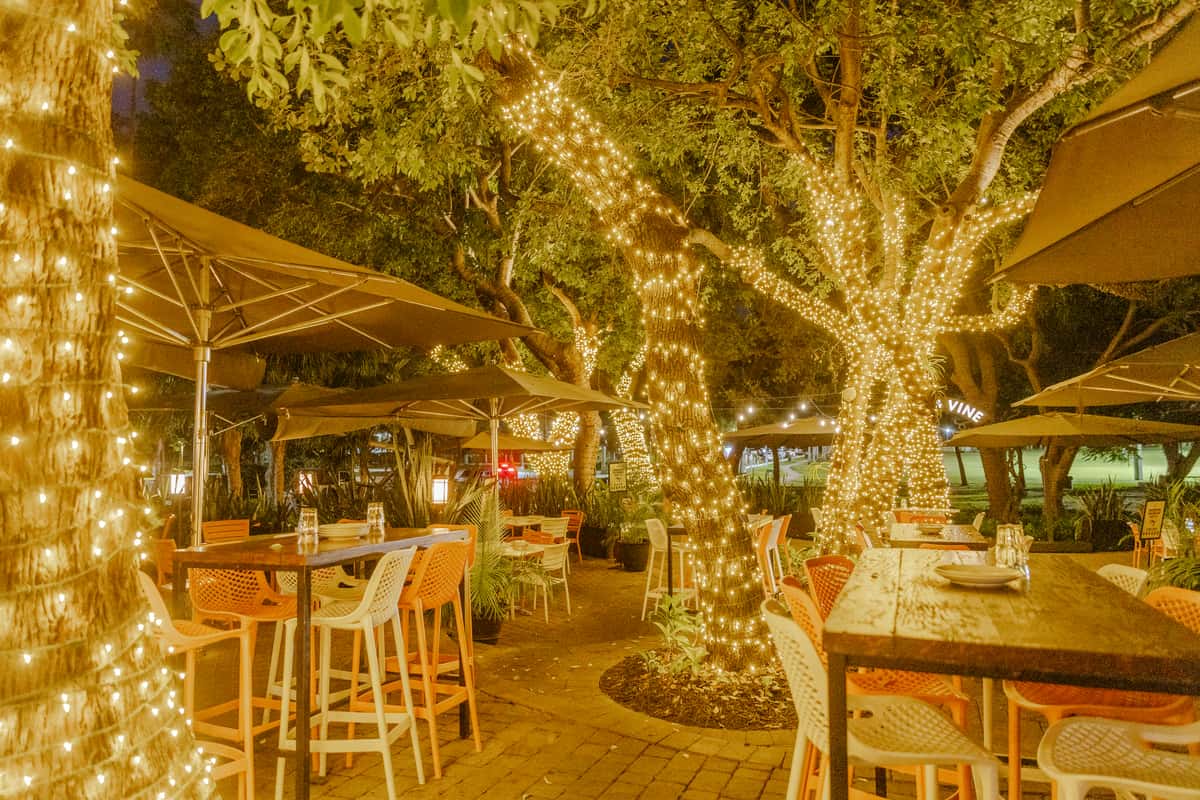
The lighting that works best for outdoor evening events combines layered fixtures at different heights and intensities. String lights and lanterns at eye level create warmth, while uplighting on trees or architectural features adds depth. For broader areas requiring safety illumination, floodlights in the 700-to-1,300-lumen range provide effective coverage, according to City Lights SF's outdoor lighting guide.
IP-rated fixtures are essential for any outdoor installation, since moisture, wind, and temperature shifts can compromise unprotected electrical components. Dimmable options allow you to transition from functional brightness during setup to softer, atmospheric tones once guests arrive. Given that weather disruptions affect nearly one in four outdoor festivals, weatherproof wiring and backup power sources should be part of every lighting plan.
How Can Greenery and Natural Elements Enhance the Setting?
Greenery and natural elements enhance the setting by grounding the event visually in its environment. Potted palms, trailing vines on arbors, and floral centerpieces using local tropical species blur the line between designed space and natural landscape.
Incorporating elements already present at the venue saves cost and adds authenticity. A site like Peacock Park's oak canopy, for instance, provides a living ceiling that no decorator can replicate. Layering in:
- Herb arrangements that double as table decor and garnish sources
- Woven natural-fiber runners or jute accents
- Stone or driftwood place markers
These small touches reinforce a cohesive outdoor aesthetic without competing with the surroundings. The most effective outdoor decor amplifies what nature already offers rather than overriding it.
What Role Does Music and Sound Play in Open-Air Spaces?
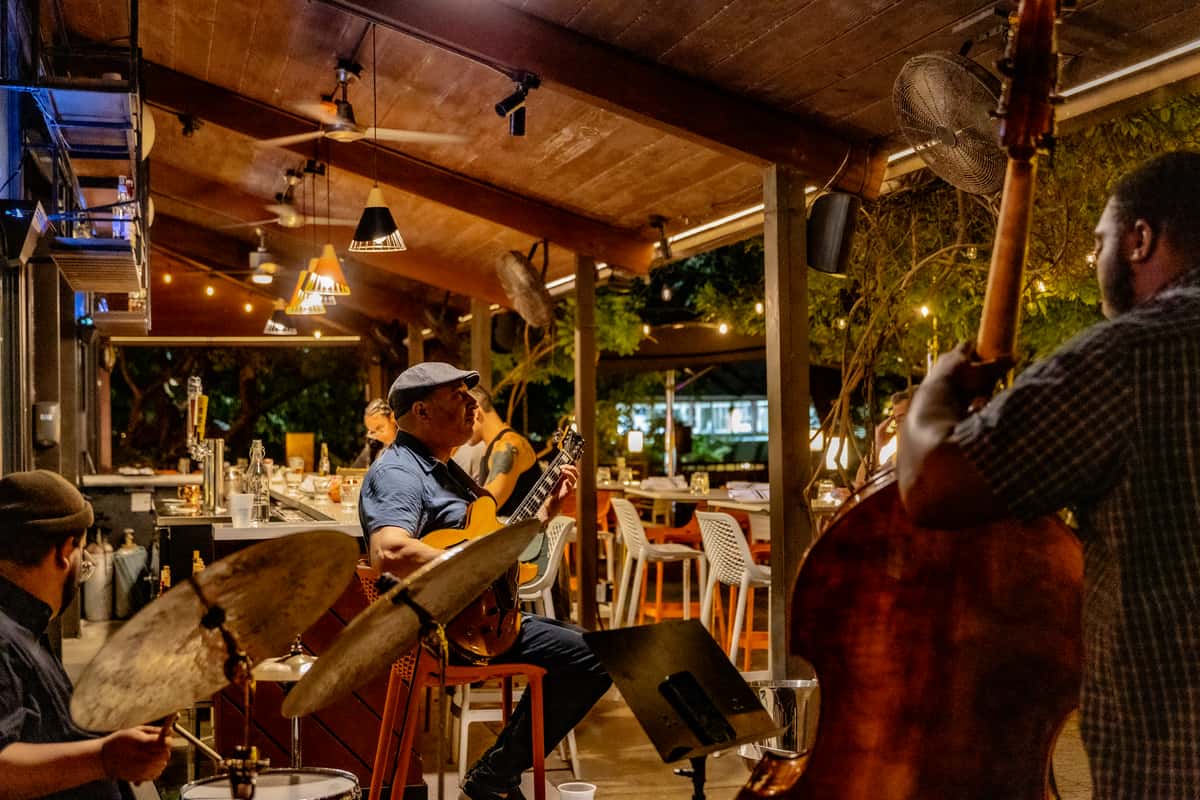
Music and sound play a defining role in open-air spaces by establishing emotional tone and filling the acoustic void that outdoor settings naturally create. According to research by Dr. Jens Holger Rindel, open-air acoustics require different measurement parameters than indoor venues, specifically focusing on sound strength (G) because reverberation is absent.
This means speakers must be positioned to project directly toward guests rather than relying on walls to reflect sound. Practical considerations include:
- Placing speakers at multiple low-volume points instead of one high-volume source
- Using directional speakers to minimize sound bleed to neighboring properties
- Testing levels during setup at the actual event time, since ambient noise shifts throughout the day
For outdoor events in residential areas like Coconut Grove, balancing guest experience with neighborhood courtesy is not optional. With sound dialed in, the next step is ensuring every guest feels welcome and accommodated.
How Do You Accommodate Different Guests at Outdoor Events?
You accommodate different guests at outdoor events by planning for the specific needs of families, pet owners, and guests with mobility limitations. The sections below cover children's needs, dog-friendly considerations, and accessibility requirements.
What Should You Provide for Families With Children?
You should provide a designated safe play area, kid-friendly food options, and age-appropriate entertainment for families with children. Outdoor events benefit from a clearly defined zone where young guests can move freely without wandering into service areas or parking lots.
Essentials for family-friendly outdoor events include:
- A shaded play space with soft ground cover, positioned within parents' sightlines.
- A dedicated kids' menu featuring easy-to-eat items like finger foods and mild flavors.
- Adequate evening lighting for safety, since floodlights with a lumen range of 700 to 1,300 are recommended for broad outdoor areas, according to City Lights SF.
- Highchairs or booster seats at dining tables.
- A diaper-changing station if restroom facilities are nearby.
Families are far more likely to stay longer and enjoy themselves when children are comfortably occupied. Venues like Glass & Vine, which sit adjacent to a playground in Peacock Park, naturally solve this challenge.
How Do You Make Outdoor Events Comfortable for Dog Owners?
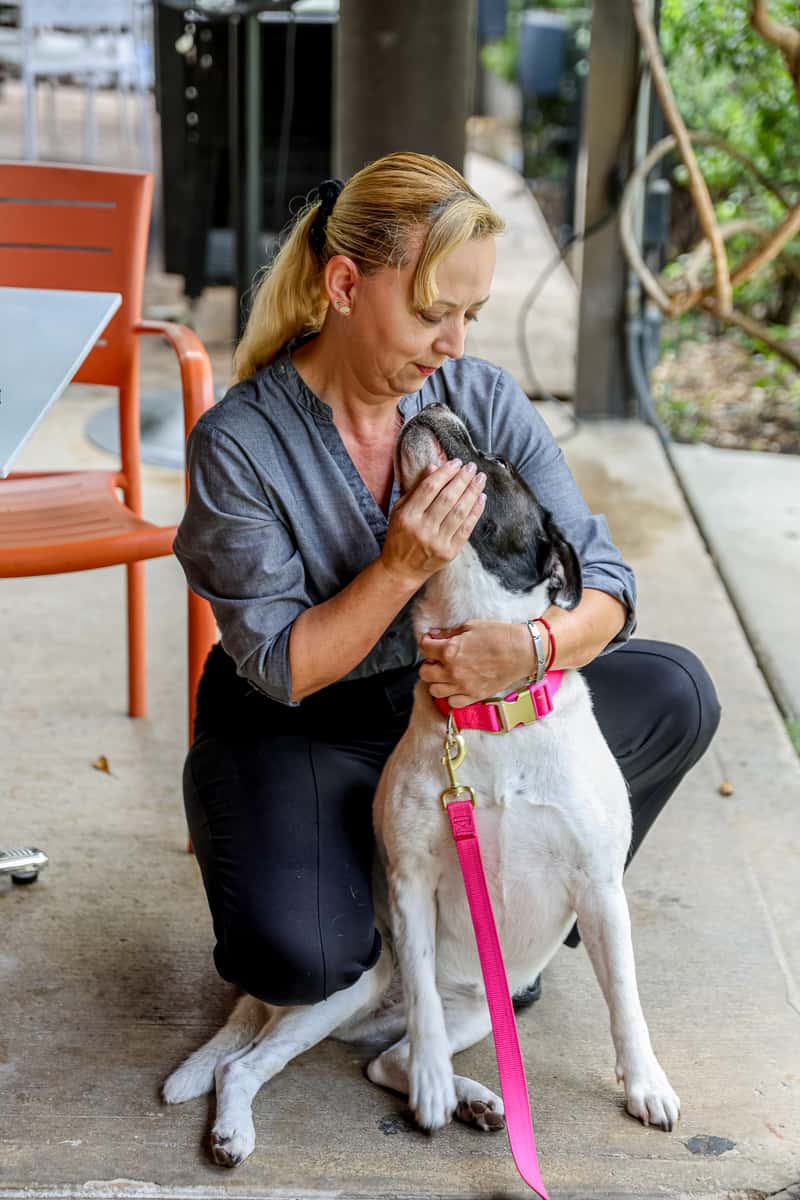
You make outdoor events comfortable for dog owners by providing water stations, shaded rest areas, and clear pet policies communicated in advance. Dogs need a cool spot to settle, fresh drinking water, and enough space to sit beside their owners without crowding neighboring guests.
Practical steps for pet-friendly events include:
- Placing water bowls at multiple points throughout the venue.
- Designating a pet relief area away from dining zones.
- Offering pet-safe treats or a dedicated dog menu.
- Ensuring ground surfaces are paw-friendly, avoiding hot pavement or sharp gravel.
- Communicating leash requirements and pet etiquette to all attendees beforehand.
In my experience, acknowledging dog owners as a distinct guest segment elevates the overall event atmosphere rather than creating complications.
What Accessibility Considerations Apply to Outdoor Venues?
Accessibility considerations that apply to outdoor venues include wheelchair-accessible pathways, compliant seating arrangements, accessible restroom facilities, and clear signage. Site selection must physically and safely accommodate the expected number of attendees, including safety egress, according to FIRST (For Inspiration and Recognition of Science and Technology).
Key accessibility requirements for outdoor settings include:
- Level, firm pathways wide enough for wheelchairs and mobility devices.
- Wheelchair-designated spaces proportional to total seating capacity, per ADA Standards for Accessible Design.
- Dining surfaces between 28 and 34 inches high with at least 27 inches of knee clearance.
- Accessible restrooms positioned on stable, navigable ground.
- Visual and auditory signage for guests with sensory impairments.
Overlooking accessibility does not just exclude guests; it exposes hosts to legal liability and signals a lack of professionalism. With guest accommodations addressed, avoiding common planning mistakes protects the rest of your event.
What Common Mistakes Should You Avoid When Hosting Outdoors?
The most common mistakes to avoid when hosting outdoors include skipping weather backup plans, ignoring food safety timelines, underestimating space needs, and neglecting permits. Each of these oversights can derail an otherwise well-planned event.
- No weather contingency plan. Failing to prepare a Plan B is the most frequent outdoor event mistake. According to a 2025 study published in ScienceDirect (McKinley et al.), extreme weather accounts for 22.4% of reported event disruptions at festivals and outdoor gatherings. Every outdoor event needs a pre-planned evacuation route, shelter protocol, or indoor backup option before guests arrive.
- Violating food safety time limits. Perishable food left out beyond safe windows invites bacterial growth. In warm climates like Miami, where temperatures regularly exceed 90°F, that window shrinks to just one hour. Hosts who skip food thermometers or fail to keep items below 40°F or above 140°F risk serving food in the danger zone.
- Underestimating space per guest. Crowded layouts create discomfort and safety hazards. Professional guidelines recommend allocating 18 to 20 square feet per person for seated dinners, yet many hosts squeeze tables too tightly, blocking pathways and eliminating accessible routes.
- Overlooking permit requirements. Miami-Dade County requires special event permit applications 45 to 120 days in advance depending on event class. Missing these deadlines can force last-minute cancellations or legal complications.
- Ignoring site-specific risk assessments. A primary pitfall in event planning is the lack of a contingency plan for technology and logistics. Conducting a thorough walkthrough of the venue, testing power sources, checking ground surfaces for accessibility, and confirming lighting levels before the event prevents avoidable failures on the day itself.
For hosts who want to sidestep these mistakes entirely, choosing a venue with built-in infrastructure makes the biggest difference. With outdoor events, the venue does half the problem-solving when it already offers shade, proximity to indoor space, and professional catering support.
How Can You Host an Outdoor Event in Coconut Grove?
You can host an outdoor event in Coconut Grove by selecting a venue that combines natural beauty with full event infrastructure. The following sections cover how Glass & Vine's garden setting supports events and the key takeaways for outdoor hosting success.
Does Glass & Vine's Open-Air Garden Setting Work for Events?
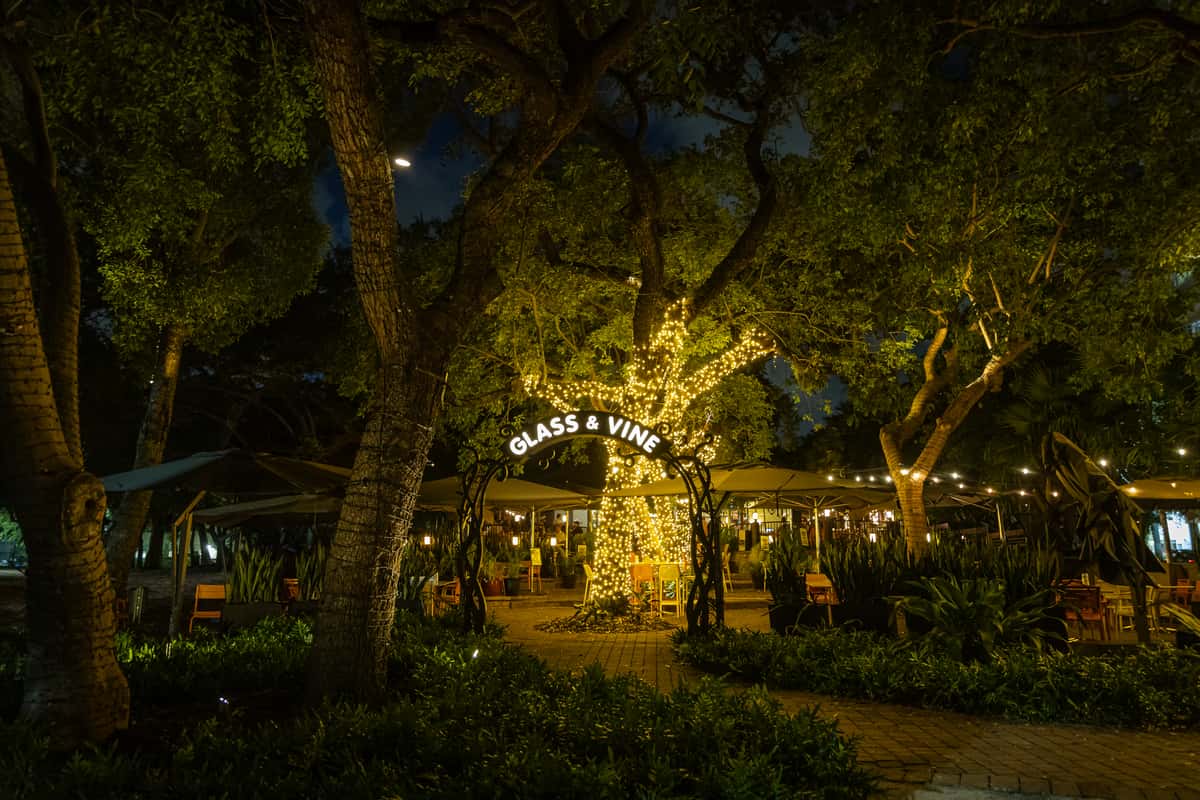
Yes, Glass & Vine's open-air garden setting works exceptionally well for events. Nestled beneath Peacock Park's oak canopy in Coconut Grove, Glass & Vine accommodates up to 150 seated guests or 300 guests for cocktail-style events through a full venue buyout. The lush, garden-inspired layout provides natural shade, scenic greenery, and proximity to Biscayne Bay, creating an atmosphere that requires minimal additional décor.
What makes this venue particularly practical is the built-in flexibility. The open-air design delivers the outdoor ambiance guests want, while the established kitchen and bar eliminate the logistical challenges of temporary catering setups. Family-friendly features like the adjacent playground, a dedicated dog menu, and kid-friendly options mean hosts do not need to arrange separate accommodations for diverse guest lists.
What Are the Key Takeaways About Hosting Outdoor Events?
The key takeaways about hosting outdoor events center on preparation, guest comfort, and venue selection. Successful outdoor hosting depends on a few core principles:
- Choose a venue with natural shade, indoor backup space, and built-in infrastructure to reduce reliance on rentals.
- Build a weather contingency plan early, including tent options, climate control, and a clear communication strategy for guests.
- Prioritize food safety by keeping perishable items within safe temperature windows and planning menus suited to warm conditions.
- Allocate adequate space per guest, with accessible seating and clear zones for dining and mingling.
- Match event timing to climate, favoring evening hours in warm regions to maximize comfort.
For hosts considering Coconut Grove, Glass & Vine combines these elements under one roof, offering a turnkey outdoor event experience in one of Miami's most iconic neighborhoods.