
Supporting the Grove: What It Means to Be Parkside
Supporting the Grove: What It Means to Be Parkside
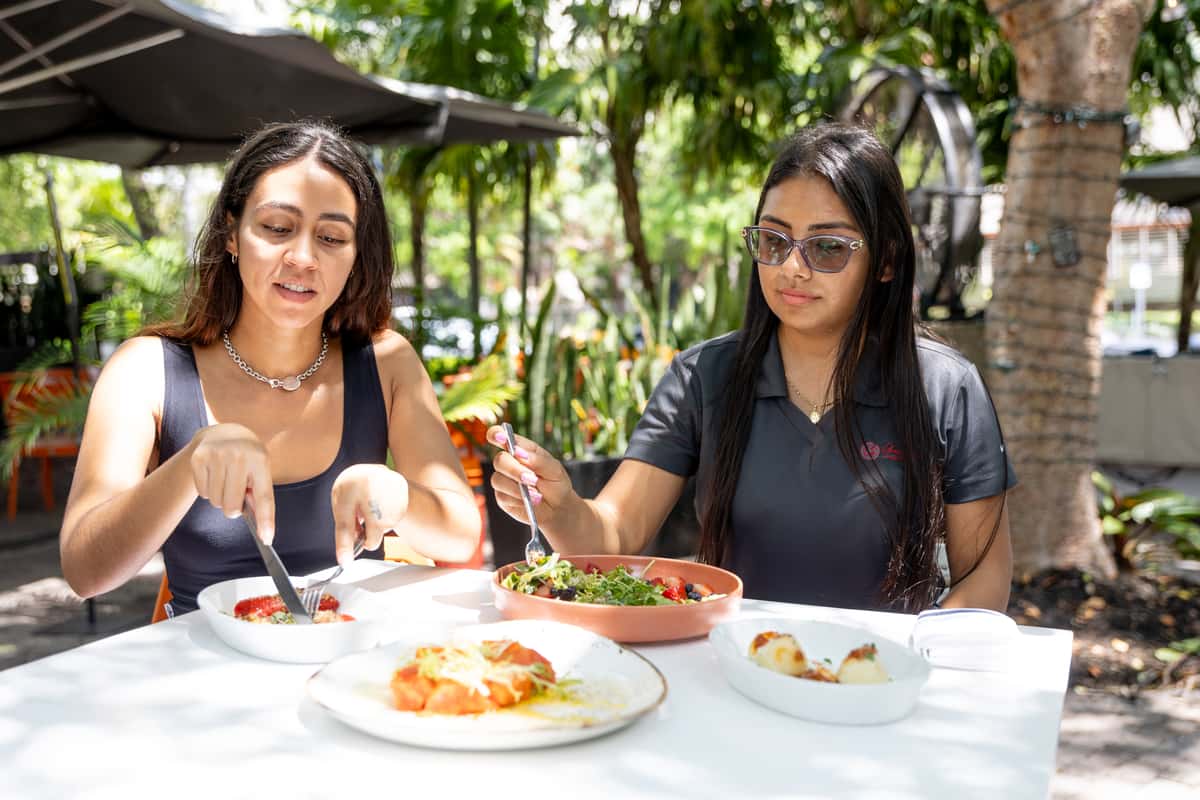
Supporting the Grove as a parkside local means actively preserving Coconut Grove's identity as Miami's oldest neighborhood through daily choices: where you eat, where you shop, and how you engage with the community rooted around Peacock Park.
This guide covers the Grove's parkside identity and what makes it distinct, daily life shaped by green space and the bayfront, how locals give back through commerce and advocacy, the neighborhood's deep historical roots, outdoor dining as cultural tradition, and the role local businesses play in preservation.
Coconut Grove's parkside identity is anchored by its 1873 founding, lower-density living, and a mature tree canopy that delivers measurable ecological benefits. Recent zoning changes and luxury development pressure make understanding this identity more urgent for anyone who calls the Grove home.
Daily parkside life revolves around Peacock Park, a 9.4-acre waterfront green space that functions as the neighborhood's living room. Year-round temperatures between 62°F and 90°F keep residents outdoors for morning jogs, bayfront strolls, and alfresco meals steps from Biscayne Bay.
Locals support the Grove by choosing independent businesses that recirculate revenue locally, attending traditions like the Coconut Grove Arts Festival and King Mango Strut, and advocating for Neighborhood Conservation Districts that regulate density and protect tropical streetscapes.
The Grove's history, from the 1883 Bay View Inn to its mid-century bohemian era, is not background context; it is the operating code behind preservation efforts, community events, and the village-within-a-city character residents defend.
Outdoor dining thrives here because the subtropical canopy and walkable streets make open-air restaurants a natural extension of parkside living. Local businesses like Glass & Vine translate these values into practice through garden-inspired, locally sourced dining beneath Peacock Park's oak canopy.
Why Does Coconut Grove's Parkside Identity Matter?
Coconut Grove's parkside identity matters because it defines a neighborhood where green space, history, and community converge to shape daily life. The sections below explore what sets the Grove apart, how Peacock Park anchors its character, and why residents fiercely protect its village atmosphere.
What Makes Coconut Grove Different From Other Miami Neighborhoods?
Coconut Grove is different from other Miami neighborhoods because it preserves lower-density, canopy-covered living in a city increasingly defined by high-rises. While citywide Miami population reached 487,014 as of July 2024, a 10% increase from 2020, Coconut Grove remains a bright spot for residents seeking a softer urban pace, even as luxury condo development intensifies.
Urban planning experts distinguish the Grove's social fabric by its historical tolerance of diverse lifestyles and a unique architectural blend of 19th-century wood-frame homes and modern boutiques. Temperatures ranging from 62°F to 90°F year-round fuel an outdoor culture where sidewalk cafes and parkside gathering are the norm, not the exception. Research from FIU's Grove ReLeaf project confirms that the neighborhood's tree canopy delivers measurable ecological benefits, including cooler temperatures, improved air quality, and higher property values. Recent City of Miami zoning changes have eliminated a carve-out that previously exempted Coconut Grove from a density transfer program, making the preservation of this distinct character more urgent than ever.
How Did Peacock Park Shape the Grove's Community Character?
Peacock Park shaped the Grove's community character by serving as the neighborhood's social anchor for over 140 years. The park sits on the 1883 site of the Bay View Inn, the area's first hotel opened by Charles and Isabella Peacock, which functioned as the original community hub for the settlement then known as "Jack's Bight."
By the mid-20th century, the park had evolved from a pioneer gathering place into a magnet for South Florida's bohemian counterculture, famously attracting beatniks and hippies to its open lawns. That tradition of welcoming unconventional community life still echoes today; Peacock Park remains the gravitational center where festivals, family outings, and neighborhood dining coexist. Few urban parks anywhere carry this kind of unbroken cultural lineage from frontier hotel grounds to a modern neighborhood's living room.
Why Do Residents Call Coconut Grove a Village Within a City?
Residents call Coconut Grove a village within a city because it operates with a small-town rhythm inside a major metro. Founded in 1873, well before Miami's incorporation, the neighborhood developed organic street patterns and a walkability score of 72 that favor foot traffic over freeway speed.
With approximately 21,000 residents, Coconut Grove leans toward boutique, low-density living compared to neighboring Brickell's high-rise corridors. Independent businesses within the Coconut Grove Business Improvement District recirculate a significantly higher share of revenue locally than chain establishments, generating a multiplier effect that sustains the village economy. As of July 2025, 29 restaurants and cafes held valid sidewalk café permits in the Grove's commercial core, reinforcing the neighborhood's open-air social character. Yet this identity faces real pressure: between 2016 and 2020, total tree cover declined by nine percent to just under one-third of the area, driven largely by city-issued removal permits for new construction. The Coconut Grove Arts Festival, founded in 1963, continues to draw tens of thousands every Presidents' Day weekend, proving that the village spirit endures even as development reshapes the canopy around it.
Understanding what makes the Grove a village sets the stage for how that parkside setting shapes everyday life.
What Does Living Parkside in Coconut Grove Actually Look Like?
Living parkside in Coconut Grove looks like a daily rhythm shaped by green space, waterfront gathering, and year-round outdoor connection. The following sections explore how proximity to parks, communal events, and the bayfront setting define everyday life here.
How Does Proximity to Green Space Define Daily Life in the Grove?
Proximity to green space defines daily life in the Grove by anchoring routines around Peacock Park, a 9.4-acre urban green space that serves as the neighborhood's social and cultural center along the Biscayne Bay waterfront. Morning jogs, afternoon picnics, and evening strolls all orbit this single parkside corridor.
According to research from FIU's Grove ReLeaf project, Coconut Grove's tree canopy provides critical ecological benefits, including cooling temperatures, improving air quality, and increasing both property values and mental wellness. These aren't abstract advantages; residents feel them stepping outside their front doors. When your neighborhood park doubles as your living room, the boundary between home and community softens considerably.
What Role Do Outdoor Gatherings Play in Parkside Culture?
Outdoor gatherings play a central role in parkside culture by transforming shared green space into the Grove's default social venue. Rather than meeting in enclosed lobbies or private clubs, neighbors connect at farmers markets, weekend fitness groups, and impromptu cookouts under the oak canopy.
This open-air gathering tradition traces back generations. Peacock Park has hosted everything from bohemian meetups in the mid-20th century to modern arts festivals drawing tens of thousands. The pattern holds because the setting encourages it: subtropical shade, walkable streets, and a community that treats public space as common ground. For a neighborhood with roughly 21,000 residents, these gatherings sustain the tight-knit social fabric that larger Miami districts often lack.
How Does the Bayfront Setting Influence the Parkside Lifestyle?
The bayfront setting influences the parkside lifestyle by adding a coastal dimension to every outdoor experience. Biscayne Bay borders Peacock Park's eastern edge, merging parkland with waterfront views, sailing access, and ocean breezes that moderate South Florida's heat.
With annual temperatures ranging from 62°F to 90°F, this waterfront orientation supports nearly year-round outdoor activity. Residents kayak before work, walk dogs along the seawall at sunset, and dine alfresco steps from the shoreline. The bayfront doesn't just decorate the Grove's parkside identity; it functionally extends it, turning a neighborhood park into something closer to a coastal village green.
Understanding what daily parkside life looks like sets the stage for how locals actively give back to this community.
How Do Locals Actively Support the Grove Community?
Locals actively support the Grove community by shopping at independent businesses, attending neighborhood events, and advocating for tree canopy preservation. Each effort reinforces Coconut Grove's character as a walkable, connected village.
How Does Shopping and Dining Locally Strengthen the Grove?
Shopping and dining locally strengthens the Grove by keeping revenue circulating within the neighborhood. According to the American Independent Business Alliance, local independent businesses in the Coconut Grove Business Improvement District recirculate a significantly higher percentage of revenue within the local economy compared to chain establishments, creating a multiplier effect that stimulates secondary local spending.
This economic cycle sustains the independent boutiques, galleries, and restaurants that define Center Grove's streetscape. As of July 2025, 29 restaurants and cafes in Coconut Grove held valid sidewalk cafe permits, reflecting the growing economic footprint of outdoor dining. Every meal at a neighborhood restaurant and every purchase at a local shop reinforces the village-scale commerce that separates Coconut Grove from Miami's chain-dominated corridors.
What Community Events Bring Parkside Neighbors Together?
Community events bring Parkside neighbors together through shared traditions that span decades. The Coconut Grove Arts Festival, founded in 1963 as a publicity stunt for the Coconut Grove Playhouse, has grown into one of the nation's largest outdoor arts festivals, attracting tens of thousands of visitors every Presidents' Day weekend.
Equally beloved is the King Mango Strut, a satirical parade that embodies the Grove's irreverent spirit. The 42nd annual King Mango Strut in January 2026 featured over 750 participants and 50 parade floats, continuing its legacy as what locals call "Miami's weirdest tradition." These gatherings, rooted in humor and creativity, do more than entertain; they reinforce the social bonds that make parkside living feel like a genuine community rather than just a zip code.
How Do Grove Residents Protect the Neighborhood's Tree Canopy?
Grove residents protect the neighborhood's tree canopy through zoning advocacy and conservation policy. Coconut Grove's Neighborhood Conservation Districts are specifically designed to preserve the neighborhood's historic, physical, and social character by regulating building density and protecting the unique tropical streetscapes, according to the City of Miami Planning Department.
This protective framework matters because development pressure continues to mount. A 2025 WLRN report highlighted that Miami remains far short of its tree canopy goals, with Coconut Grove facing particular pressure as luxury construction reshapes the landscape. Residents who attend zoning hearings, support NCD enforcement, and advocate against unnecessary tree removal permits play a direct role in maintaining the canopy that defines parkside life.
With the community actively preserving its green spaces, local dining traditions thrive under that same shade.
Why Is Coconut Grove's History Central to Its Identity?
Coconut Grove's history is central to its identity because the neighborhood's founding story, landmark sites, and cultural traditions form the living framework that residents and businesses still build upon today. Founded in 1873, Coconut Grove predates the city of Miami itself, establishing a community character rooted in independence, creativity, and connection to the natural landscape. That origin story is not just historical trivia; it actively shapes how the Grove looks, feels, and operates more than 150 years later.
Every layer of the neighborhood's evolution reinforces this continuity. The 1883 Bay View Inn, opened by Charles and Isabella Peacock on what is now Peacock Park, created the Grove's first communal gathering place. By the mid-20th century, that same open green space attracted South Florida's bohemian community of beatniks and hippies, cementing the Grove's reputation for welcoming diverse lifestyles. According to iCoconutGrove, urban planning experts distinguish Coconut Grove's social fabric by its historical tolerance of diverse lifestyles and its unique architectural blend of 19th-century wood-frame homes and modern luxury boutiques.
This historical layering produces something rare in Miami: a neighborhood where preservation is not just policy but practice. The Coconut Grove Arts Festival, founded in 1963 as a publicity effort for the Coconut Grove Playhouse, has grown into one of the nation's largest outdoor arts festivals. The King Mango Strut, now in its fifth decade, continues as a community-driven celebration of local satire and spirit. These traditions survive because they grew organically from the same soil as the neighborhood itself.
For a neighborhood facing increasing development pressure, this deep historical identity serves as both an anchor and a compass. Coconut Grove's Neighborhood Conservation Districts regulate building density and protect tropical streetscapes precisely because residents understand what makes the Grove worth preserving. History here is not a museum exhibit; it is the operating code that guides zoning decisions, community events, and the daily choices of local businesses rooted in Peacock Park's legacy.
What Makes Outdoor Dining a Grove Tradition?
Outdoor dining is a Grove tradition because the neighborhood's subtropical climate, lush canopy, and village-like streetscapes create ideal conditions for year-round open-air meals. The sections below explore why residents prefer it, how climate shapes it, and how welcoming spaces keep families and pets included.
Why Do Coconut Grove Residents Prefer Open-Air Restaurants?
Coconut Grove residents prefer open-air restaurants because the neighborhood's identity is built around its relationship with nature. Dining beneath mature oak canopies and alongside tropical foliage feels like a natural extension of the Grove's parkside lifestyle, not just a novelty. Sidewalk cafés and garden patios blur the line between public green space and private dining, reinforcing the "village within a city" atmosphere that residents actively protect. For a neighborhood where daily life revolves around proximity to Peacock Park and the Biscayne Bay waterfront, enclosed dining rooms feel disconnected from the very environment that defines the community. Open-air settings simply match how Grove locals already live.
How Does the Tropical Climate Shape Dining Culture in the Grove?
The tropical climate shapes dining culture in the Grove by making outdoor seating viable nearly every month of the year. Annual temperatures typically range from 62°F to 90°F, which eliminates the seasonal shutdowns that limit patio dining in cooler regions. This consistency has encouraged restaurants to invest in permanent outdoor infrastructure rather than treating patios as a warm-weather bonus. Consumer research indicates that 62% of diners prefer covered or screened-in patios for outdoor dining, a trend reflected in the architectural design of newer parkside establishments throughout the Grove. Covered patios manage afternoon rain and direct sun while preserving the breezy, open feel that defines the neighborhood's dining character.
What Role Do Pet-Friendly and Family-Friendly Spaces Play?
Pet-friendly and family-friendly spaces play a central role in sustaining the Grove's outdoor dining culture. Restaurants that welcome dogs on their patios and position seating near playgrounds remove the barriers that force families to choose between a quality meal and time outdoors with their whole household. These inclusive spaces encourage longer visits, repeat patronage, and a relaxed atmosphere where neighbors linger and connect. In a neighborhood that values community gathering over formality, accommodating all members of a household, including four-legged ones, reflects the Grove's broader ethos. With outdoor dining this deeply embedded in local culture, Glass & Vine's approach to preserving the Grove's character starts at the table.
How Do Local Businesses Preserve the Grove's Character?
Local businesses preserve the Grove's character by recirculating revenue locally, sourcing ingredients from nearby producers, and operating in ways that reflect the neighborhood's independent spirit. The sections below explore why locally sourced food matters and how independent restaurants embody Grove values.
Why Does Locally Sourced Food Matter to Grove Supporters?
Locally sourced food matters to Grove supporters because it strengthens the neighborhood's economy and reinforces Coconut Grove's identity as a self-sustaining community. When restaurants purchase from regional farms and producers, those dollars stay closer to home, fueling a cycle of local investment rather than flowing to distant corporate supply chains.
According to the American Independent Business Alliance, local independent businesses in the Coconut Grove Business Improvement District recirculate a significantly higher percentage of revenue within the local economy compared to chain establishments, creating a "multiplier effect" that stimulates secondary local spending. This economic pattern is particularly meaningful in a neighborhood facing increasing development pressure. Every meal built around regional ingredients becomes a quiet act of preservation, keeping the Grove's commercial ecosystem rooted in the same independent ethos that has defined it for over a century.
How Do Independent Restaurants Reflect the Grove's Values?
Independent restaurants reflect the Grove's values by prioritizing community connection, environmental sensitivity, and the kind of unhurried, human-scale experience that distinguishes Coconut Grove from Miami's more corporate corridors. Rather than replicating a formula designed elsewhere, these establishments adapt their menus, atmospheres, and operations to the neighborhood's subtropical setting and walkable streetscape.
As of July 2025, 29 restaurants and cafes in Coconut Grove held valid sidewalk café permits, according to Coconut Grove Spotlight, reflecting the significant role outdoor, street-level dining plays in the commercial core. That proliferation of open-air seating is not accidental; it mirrors the Grove's preference for greenery over glass towers and conversation over transaction. For a neighborhood built on tolerance, creativity, and proximity to nature, independently owned restaurants serve as cultural anchors that reinforce what makes the Grove worth supporting.
Understanding how local businesses sustain this character sets the stage for experiencing it firsthand.
How Can You Experience the Parkside Spirit at Glass & Vine?
You can experience the parkside spirit at Glass & Vine by dining beneath Peacock Park's oak canopy in a garden-inspired setting that embodies Coconut Grove's outdoor culture. The sections below explore this connection and summarize key takeaways.
Does Garden-Inspired Dining at Peacock Park Capture the Grove?
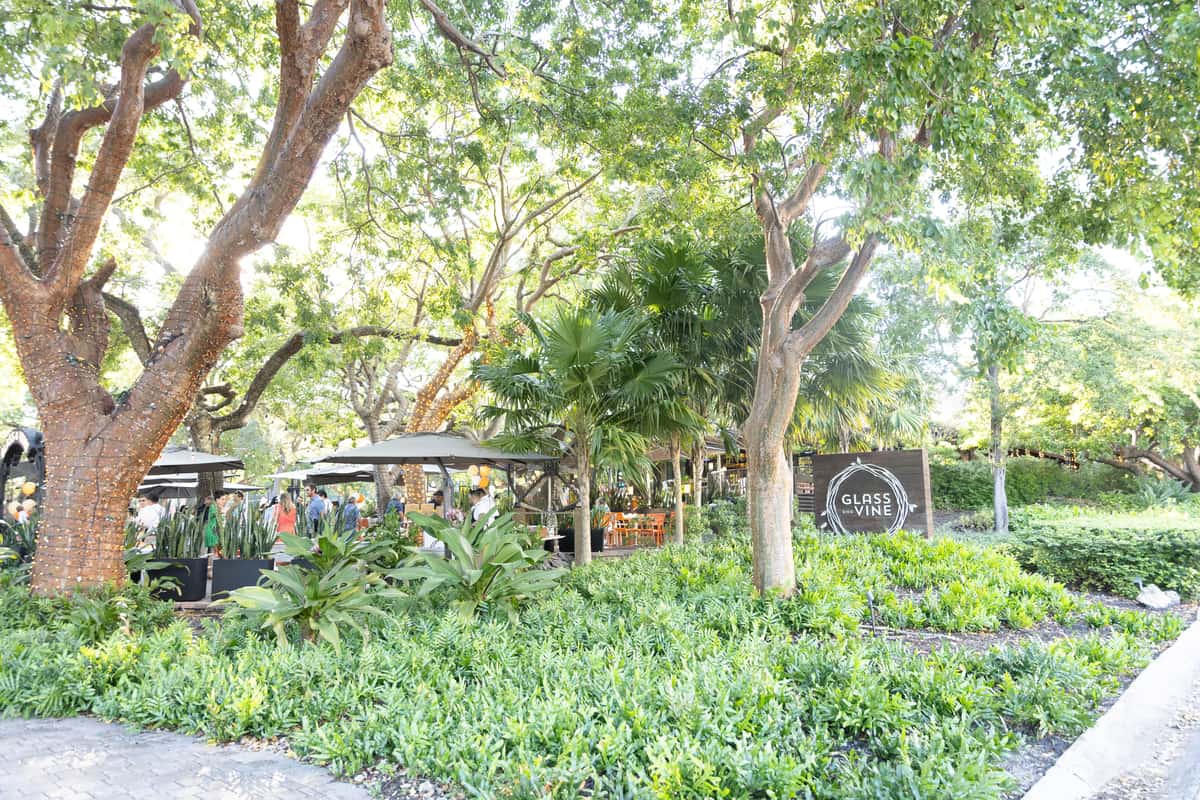
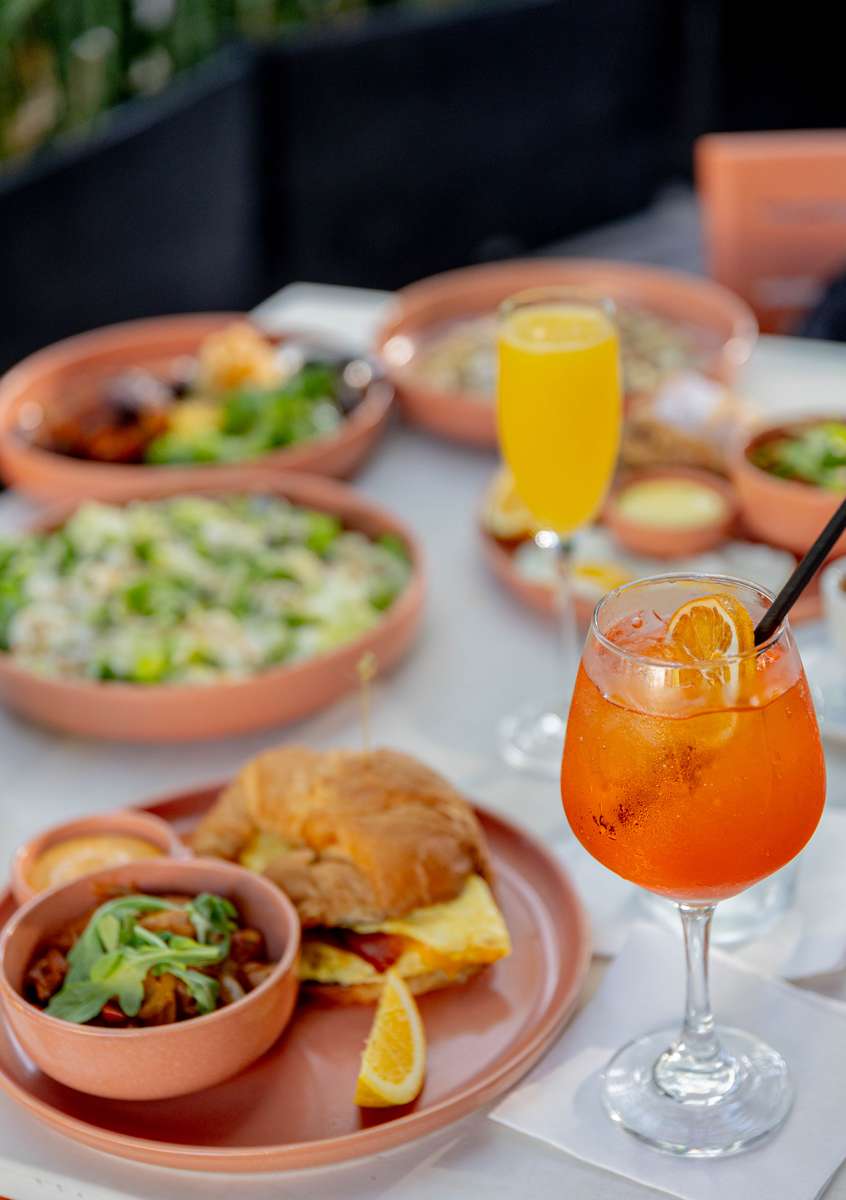
Yes, garden-inspired dining at Peacock Park captures the Grove. Glass & Vine sits directly beneath the shade of Peacock Park's mature oak canopy, placing guests at the historic heart of Coconut Grove's community life. The open-air layout, designed around locally sourced ingredients and a relaxed atmosphere, reflects the neighborhood's preference for nature-forward experiences. Families enjoy playground-adjacent seating, dog owners take advantage of a dedicated doggy menu, and couples settle into what the restaurant calls "a secret garden by the sea." This blend of accessibility and refinement mirrors the Grove's own character: sophisticated without pretense, rooted in its subtropical surroundings. Few restaurants so directly translate a neighborhood's identity into a dining experience.
What Are the Key Takeaways About Supporting the Grove?
The key takeaways about supporting the Grove center on three principles:
Protect the green canopy. Coconut Grove's tree cover, parklands, and bayfront setting define the parkside lifestyle that residents cherish.
Choose local first. Independent businesses recirculate more revenue within the neighborhood, strengthening the economic fabric that keeps the Grove distinct from Miami's high-rise corridors.
Show up for community. Attending festivals, dining at neighborhood restaurants, and advocating for conservation districts all reinforce the village-within-a-city character that has defined this neighborhood since 1873.
Glass & Vine offers one tangible way to practice these values: a meal at Peacock Park that supports local sourcing, celebrates open-air tradition, and keeps you connected to the oldest neighborhood in Miami.