
Restaurants That Fit a Wellness-Oriented Lifestyle Without Being "Health Food"
Restaurants That Fit a Wellness-Oriented Lifestyle Without Being "Health Food"
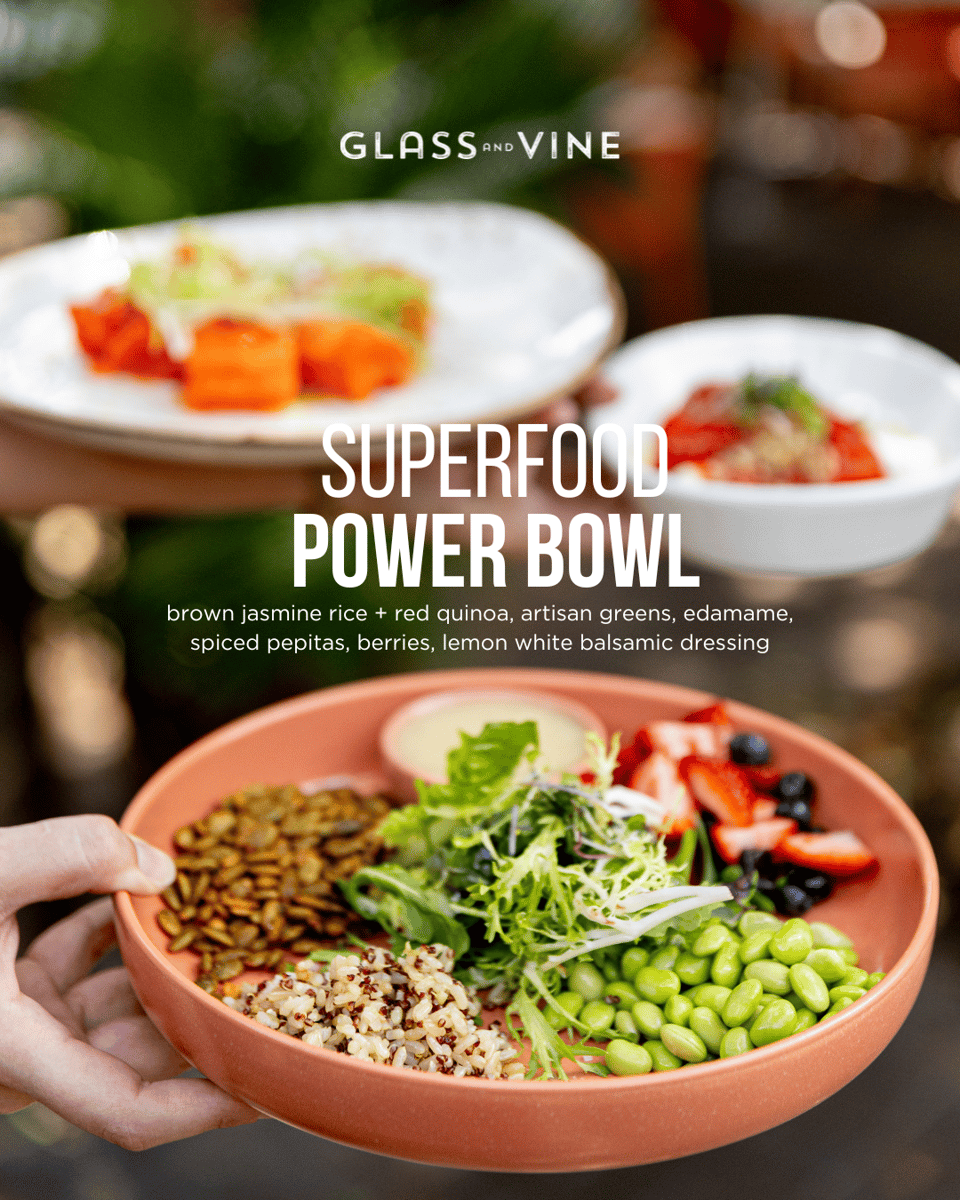
If you're searching for dining experiences in Coconut Grove that support your wellness goals without the restrictive "health food" label, you've found the right guide. We understand you want restaurants where you can enjoy memorable meals that naturally align with a balanced lifestyle—places that prioritize quality ingredients and thoughtful preparation without sacrificing flavor or ambiance. Whether you're a local resident seeking your next favorite spot or a visitor exploring Coconut Grove's culinary scene, we'll show you how to identify restaurants that enhance wellbeing through their entire dining experience, not just their menu labels.
Restaurants that fit a wellness-oriented lifestyle without being "health food" are establishments that prioritize high-quality, locally-sourced ingredients, balanced menu options, restorative atmospheres, and sustainable practices while maintaining broad culinary appeal and avoiding restrictive dietary labels.
TL;DR Summary: Wellness-oriented restaurants distinguish themselves from typical "health food" spots by emphasizing ingredient quality, culinary artistry, and holistic dining experiences rather than restrictive menus. The growing demand for these establishments reflects broader wellness economy trends, with the global market reaching $6.8 trillion in 2024 and 84% of U.S. consumers prioritizing wellness. These restaurants succeed by offering menu variety that balances indulgent and lighter options, incorporating fresh seasonal ingredients, and creating restorative atmospheres through biophilic design and outdoor spaces. When choosing wellness-supportive restaurants in Coconut Grove, look for transparent sourcing practices, sustainability certifications, and balanced menus that showcase chef-driven technique. Glass & Vine exemplifies this approach with its park-side setting, four-section menu structure offering both hearty proteins and vegetable-forward dishes, and commitment to local sourcing—all while maintaining broad appeal without "health food" positioning.
Quick Tip: Look for restaurants that organize their menus into multiple sections (like "Garden," "Sea," and "Land") rather than categorizing dishes as "healthy" or "guilty pleasures"—this structure typically indicates a balanced approach that lets you choose based on what your body needs that day.
What Defines a Restaurant as Wellness-Oriented Rather Than Typical "Health Food"?
A wellness-oriented restaurant distinguishes itself through culinary artistry, ingredient integrity, and holistic dining experiences rather than restrictive health-food labels. Glass & Vine exemplifies this approach with its secret garden setting in Peacock Park and a menu balancing vegetable-forward and protein-forward options. Three-Michelin-star chef Tim Raue states that "star cuisine is healthy, even very healthy," emphasizing high-quality natural ingredients and lighter cooking techniques as pathways to wellbeing. Wellness-focused establishments prioritize ingredient provenance, preparation mastery, and atmospheric design over prescriptive dietary frameworks.
How Do Concept, Atmosphere, and Menu Choices Influence a Restaurant's Wellness Appeal?
Concept, atmosphere, and menu choices influence a restaurant's wellness appeal by emphasizing ingredient quality, thoughtful preparation, and immersive dining experiences without relying on explicit "health food" positioning. Eleven Madison Park's transition to a fully plant-based menu demonstrates how conceptual shifts advance wellness goals through sustainability and luxury redefinition rather than health-food framing. Glass & Vine structures its menu into four sections—Snacks, Garden, Sea, and Land—offering dishes such as Red Pepper Hummus ($16) and 16 oz Ribeye Steak ($70). This organizational approach allows diners to navigate between lighter and indulgent options naturally. Atmospheric elements like outdoor seating amid lush greenery create restorative environments that support wellness through sensory experience. 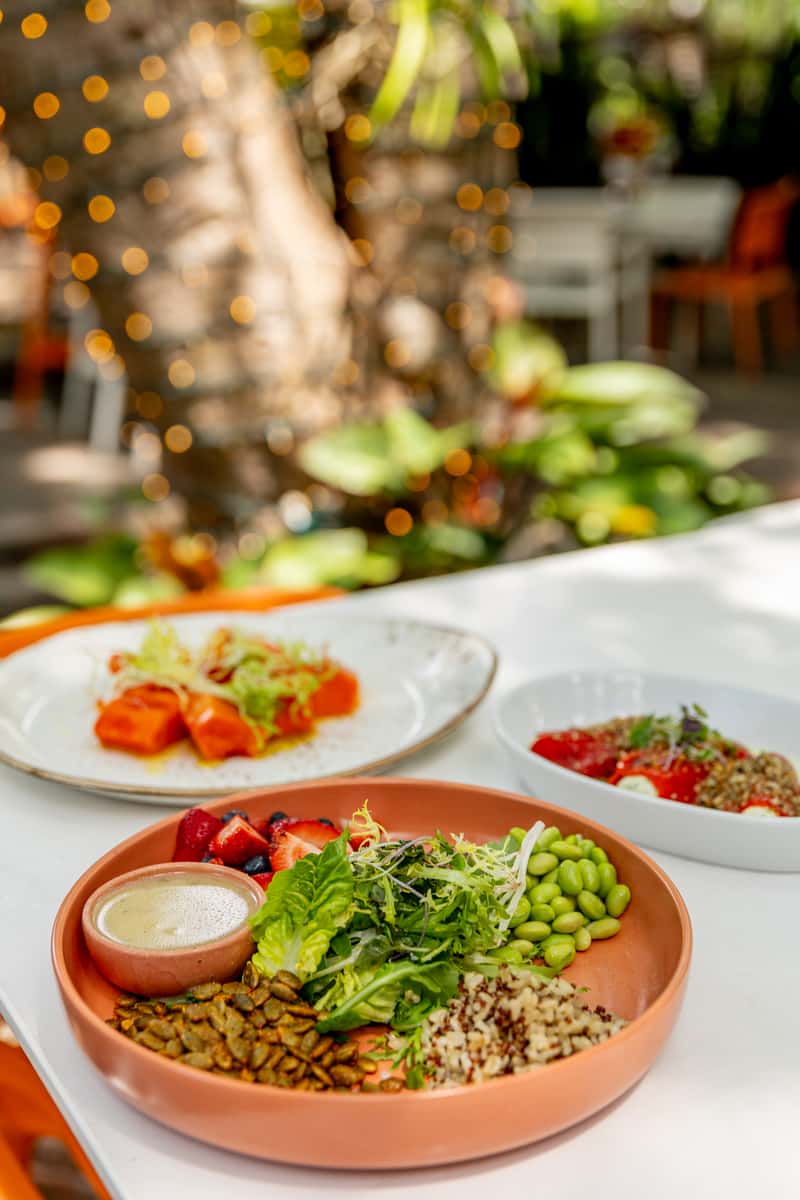
What Sets Apart Wellness-Forward Dining from Traditional Healthy-Eating Spots?
Wellness-forward dining distinguishes itself through artistry of preparation, ingredient provenance, and immersive sensory experiences rather than restrictive "health food" labeling. These restaurants design menus with balanced options including both indulgent and lighter dishes, appealing broadly without categorical constraints. Glass & Vine demonstrates this principle through offerings like Local Catch Ceviche ($28) alongside heartier selections, maintaining culinary sophistication while supporting varied dietary preferences. Traditional healthy-eating spots often emphasize calorie counts and dietary restrictions, whereas wellness-forward establishments focus on ingredient transparency, cooking techniques, and social dining experiences. The distinction manifests in presentation quality, menu flexibility, and atmospheric design that elevates dining beyond nutritional functionality.
Why Are More People Seeking Wellness-Oriented Dining Experiences in Coconut Grove?
More people are seeking wellness-oriented dining experiences in Coconut Grove because wellness has become a central consumer priority supported by significant economic investment in wellbeing-focused lifestyles. The global wellness economy reached $6.8 trillion in 2024 and is projected to reach $9.8 trillion by 2029, according to Global Wellness Economy data. The U.S. wellness economy alone was valued at $2 trillion in 2025, reflecting strong domestic demand for wellness-oriented consumption. These dining experiences combine quality ingredients, thoughtful preparation, and mindful atmospheres without restrictive health-food labels.
What Are the Main Motivations Behind Choosing Wellness-Focused Restaurants?
The main motivations behind choosing wellness-focused restaurants are prioritizing personal health, supporting mental wellbeing, and investing in dining experiences perceived as healthier. A 2025 McKinsey survey found 84% of U.S. consumers consider wellness a "top" or "important" priority. Nearly 30% of Gen Z and millennial respondents reported prioritizing wellness "a lot more" than a year prior, with these demographics accounting for about 41% of annual wellness expenditure in the U.S. A 2023 IFIC survey found 74% of consumers believe their food and beverage choices impact mental and emotional wellbeing.
Consumer price tolerance demonstrates commitment to wellness dining. A 2022 systematic review found consumers are willing to pay between 5.6% and 91.5% more for foods they perceive as healthier. Glass & Vine in Coconut Grove meets this demand through balanced menu sections including Garden, Sea, and Land options that provide both indulgent and lighter choices.
This generational shift toward wellness reflects broader lifestyle changes where dining becomes an extension of personal wellbeing values rather than mere sustenance.
How Does the Local Community Benefit from These Dining Options?
The local community benefits from these dining options through increased economic growth, job creation, and sustained support for regional agriculture. Wellness-oriented restaurants contribute to local economies by creating jobs and supporting local farmers and suppliers, according to economic impact analysis. The restaurant industry is the second-largest private-sector employer in the U.S., and growth in the wellness-dining segment supports employment and local economic activity.
Glass & Vine exemplifies this community benefit by sourcing locally and maintaining year-round operations in Peacock Park since 2015. The restaurant creates employment opportunities while supporting Coconut Grove's reputation as a wellness-conscious dining destination. These establishments foster community gathering spaces that promote social wellbeing alongside nutritional health.
Local wellness-oriented restaurants strengthen Coconut Grove's economy while providing residents with dining options that align with their health priorities and support sustainable local food systems.
How Can Menu Variety Satisfy Wellness-Oriented Diners Without Resorting to Restrictive "Health Food" Labels?
Menu variety satisfies wellness-oriented diners by offering fresh, seasonal ingredients alongside creative culinary techniques that prioritize flavor over restrictive dietary labels. Glass & Vine exemplifies this approach through its four-section menu structure—Snacks, Garden, Sea, and Land—which provides both vegetable-forward and protein-rich options ranging from Red Pepper Hummus ($16) to a 16 oz Ribeye Steak ($70). This balanced approach allows diners to choose according to their preferences without feeling confined to predetermined "healthy" categories.
What Role Do Fresh and Seasonal Ingredients Play in Wellness Dining?
Fresh and seasonal ingredients play a central role in wellness dining by enhancing flavor, improving nutritional value, and signaling sourcing transparency to diners. Wellness-oriented menus prioritize locally sourced, seasonal, and nutrient-dense ingredients to maximize freshness and support perceived wellbeing through ingredient quality rather than restrictive preparations. Farm-to-table concepts demonstrate this principle through explicit seasonal sourcing commitments. Naked Farmer's locally-sourced seasonal cooking approach illustrates how restaurants use ingredient provenance as both a wellness signal and quality indicator. Seasonal menus ensure peak nutrient density while reducing transportation distances, supporting both diner health and environmental sustainability. The connection between seasonal availability and menu creativity drives continuous innovation in wellness-oriented establishments.
How Are Flavors and Creativity Balanced with Nutrition and Wellbeing?
Flavors and creativity are balanced with nutrition and wellbeing through culinary techniques that enhance natural ingredient qualities without relying on heavy sauces or excessive processing. Wellness-oriented restaurants design menus to combine nutrient density with sophisticated flavor development, using methods such as fermentation, dry-aging, and precise temperature control. Glass & Vine's Local Catch Ceviche ($28) demonstrates this balance through acid-cooking techniques that preserve nutrients while creating complex flavor profiles. PLANTA Queen's creative upscale plant-based approach proves that culinary innovation delivers satisfying dishes while meeting wellness and sustainability goals. Professional chefs apply technical expertise to extract maximum flavor from high-quality ingredients without relying on excess fats, sugars, or sodium. This technical approach to wellness dining transforms simple ingredients into memorable experiences that satisfy both nutritional needs and culinary expectations.
Which Types of Atmospheres Align Best With a Wellness-Oriented Lifestyle Without Being Overtly "Health Food"?
The atmospheres that align best with a wellness-oriented lifestyle incorporate biophilic design, outdoor dining spaces, and features that encourage social connection without overt health-focused aesthetics. Glass & Vine exemplifies this approach through its intimate secret garden setting in Coconut Grove's Peacock Park, where lush greenery creates a restorative dining environment. These design choices support wellbeing through natural elements rather than clinical health-focused aesthetics.
The following sections explore how specific atmospheric elements enhance wellness dining experiences and appeal to diverse lifestyle needs.
How Do Design, Outdoor Spaces, and Ambience Affect the Wellness Dining Experience?
Design, outdoor spaces, and ambience affect the wellness dining experience by reducing stress and enhancing wellbeing through natural light, greenery, and organic materials. Research on biophilic design demonstrates measurable stress reduction when diners experience these natural elements. Glass & Vine's park-side location amid lush greenery provides these biophilic benefits naturally.
Outdoor dining spaces create restorative atmospheres through direct nature exposure. There are multiple wellness benefits from outdoor dining, such as improved mood, vitamin D exposure, and enhanced air quality. The combination of Peacock Park views and open-air park surroundings at Glass & Vine delivers these outdoor wellness advantages year-round in Coconut Grove's climate.
Natural materials in restaurant interiors support wellness through tactile and visual comfort. Design elements include reclaimed wood, stone surfaces, living walls, and water features. These materials create sensory experiences that promote relaxation without overtly signaling "health food" positioning.
What Social or Lifestyle Features Enhance the Appeal of These Restaurants?
Social and lifestyle features enhance the appeal of these restaurants by encouraging connection through communal seating, relaxed dining formats, and flexible social experiences. Glass & Vine's garden setting naturally facilitates social interaction while maintaining intimate dining options. The restaurant serves both celebratory occasions and everyday nourishing meals, broadening its lifestyle appeal.
Menu variety supports diverse lifestyle needs by offering indulgent and lighter options within the same dining experience. Glass & Vine's four-section menu structure—Snacks, Garden, Sea, and Land—allows diners to customize their wellness approach. Options range from a 16 oz Ribeye Steak at $70 to Red Pepper Hummus at $16, accommodating varied dietary preferences.
Flexible dining formats accommodate different social scenarios and wellness goals. There are many ways to experience wellness dining, such as leisurely weekend brunches, quick business lunches, romantic dinners, and group celebrations. These varied formats prevent the restrictive feeling often associated with health-focused establishments.
The integration of atmospheric elements with lifestyle features creates dining experiences that support wellbeing without sacrificing enjoyment or social connection.
What Qualities Should You Look for When Choosing a Wellness-Supportive Restaurant in Coconut Grove?
When choosing a wellness-supportive restaurant in Coconut Grove, you should look beyond surface-level health claims to identify genuine commitments to quality ingredients, sustainability, and balanced menus. Glass & Vine exemplifies these principles through its park-side location and thoughtfully organized menu sections spanning Garden, Sea, and Land options. The following qualities distinguish authentic wellness-oriented establishments from conventional dining spots.
Which Ingredients, Sourcing Practices, or Menu Flexibility Signal True Wellness Priorities?
Ingredients, sourcing practices, and menu flexibility signal true wellness priorities through explicit local sourcing commitments, farm-to-table transparency, and balanced menu choices. Glass & Vine demonstrates this approach through seasonal menu updates and local ingredient integration. Sustainability recognitions serve as concrete indicators—Krüs Kitchen holds a Michelin Green Star for seasonal dining, while other Michelin-recognized restaurants combine refined technique with local ingredients.
Specific positioning reveals wellness commitments across Coconut Grove establishments. There are restaurants emphasizing "zero seed oils, no microwaves, and 100% real ingredients" such as Avo Miami. PLANTA Queen offers fully plant-based menus focused on sustainability. Naked Farmer promotes locally-sourced seasonal cooking throughout their offerings.
Menu flexibility signals wellness priorities through balanced choices rather than restrictive categories. Restaurants integrating both indulgent and lighter options—like Glass & Vine's $70 Ribeye alongside $16 Red Pepper Hummus—demonstrate genuine wellness integration without "health food" labeling.
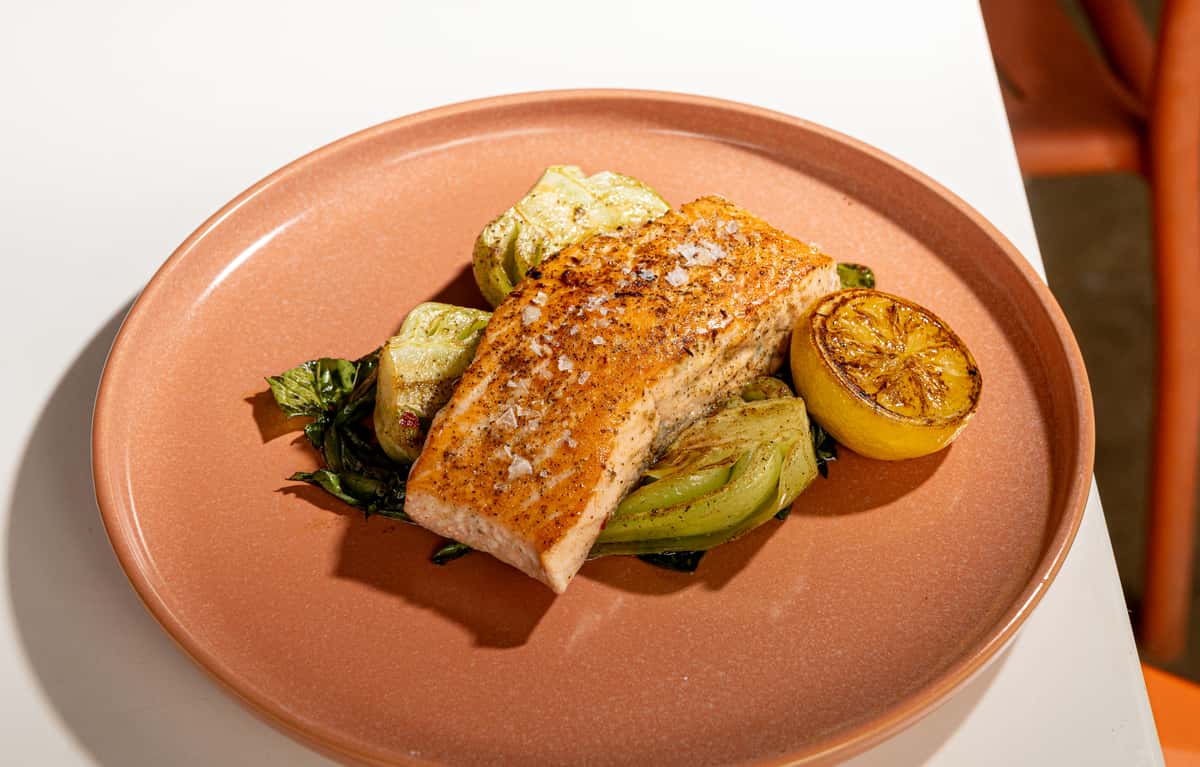
How Can You Assess Whether a Restaurant Genuinely Promotes Wellbeing?
You can assess whether a restaurant genuinely promotes wellbeing by looking for transparent sourcing information and visible operational practices. Sustainability certifications such as Michelin Green Stars provide third-party validation of environmental commitments. Clear menu descriptions detailing ingredient provenance distinguish authentic wellness restaurants from marketing-driven concepts.
Operational practices reveal true priorities through waste reduction initiatives and local procurement visibility. Menus presenting balanced choices with chef-driven technique indicate wellness integration beyond superficial health claims. Glass & Vine's four-section menu structure—Snacks, Garden, Sea, and Land—exemplifies this balanced approach while maintaining culinary sophistication.
Authentic wellness-supportive restaurants in Coconut Grove combine these tangible indicators with restorative atmospheres and transparent practices, creating dining experiences that nourish both body and community without resorting to restrictive "health food" stereotypes.
How Does Glass & Vine Offer a Wellness-Oriented Dining Experience Without Fitting the "Health Food" Stereotype?
Glass & Vine offers a wellness-oriented dining experience without fitting the "health food" stereotype by combining thoughtful menu design with restorative natural surroundings. The restaurant balances indulgent and lighter options across four menu sections while its park-side location creates a restorative atmosphere. This approach demonstrates how restaurants can support wellbeing through quality ingredients and environment without limiting themselves to typical health-food categories.
In What Ways Does Glass & Vine's Menu and Setting Encourage a Balanced, Enjoyable Lifestyle?
Glass & Vine's menu and setting encourage a balanced, enjoyable lifestyle through strategic menu organization and seamless integration with Peacock Park's natural environment. Established in 2015 in Coconut Grove, Glass & Vine structures its menu into four sections: Snacks, Garden, Sea, and Land. This organization allows diners to balance vegetable-forward and protein-forward options based on personal preferences.
Menu offerings demonstrate this balance with items such as the 16 oz Ribeye Steak ($70), Red Pepper Hummus ($16), and Local Catch Ceviche ($28). These selections illustrate how Glass & Vine combines indulgent and lighter dishes without restrictive labels.The restaurant operates as an intimate secret garden surrounded by lush greenery, emphasizing its park-side outdoor setting and connection to nature.
The natural setting enhances the wellness experience through biophilic elements that reduce stress and promote relaxation. Glass & Vine's approach allows guests to enjoy celebratory meals alongside nourishing options in a restorative environment that supports social connection and personal wellbeing.
What Are the Main Takeaways About Restaurants That Fit a Wellness-Oriented Lifestyle Without Being "Health Food"?
The main takeaways about wellness-oriented restaurants center on quality, balance, and environment rather than restrictive labels. Glass & Vine exemplifies this approach with ratings of 4.1 stars on Yelp and 4.7 on OpenTable. Media recognition includes a 3.5-star review from the Miami Herald and a 3-star review from the Sun-Sentinel, indicating strong customer satisfaction and critical recognition.
Successful wellness-oriented restaurants share key characteristics:
- High-quality, locally sourced ingredients
- Thoughtful menu balance between indulgent and lighter options
- Restorative design including outdoor and biophilic elements
- Transparent sustainability and sourcing practices
These restaurants prioritize ingredient provenance, preparation techniques, and overall dining experience over prescriptive health-food marketing. Glass & Vine demonstrates how establishments can support wellness through comprehensive approaches that appeal to diverse dining preferences. Visit Glass & Vine to experience how wellness-oriented dining transcends traditional health-food boundaries through quality, atmosphere, and thoughtful menu design.