
Popular Brunch Drinks [Top Picks]
Popular Brunch Drinks [Top Picks]
Popular brunch drinks are cocktails and beverages designed for late-morning and midday occasions, defined by lighter alcohol content, refreshing flavor profiles, and natural compatibility with breakfast and lunch dishes.
This guide covers classic cocktail foundations, non-alcoholic alternatives, food pairing principles, group-friendly formats, and current trends shaping brunch menus in 2025.
Classic brunch cocktails span six essential recipes: the Mimosa, Bellini, Bloody Mary, Aperol Spritz, French 75, and Paloma. Each originated between the 1910s and 1950s across bars in Paris, Venice, and Mexico, and each brings a distinct flavor profile suited to daytime drinking.
Non-alcoholic brunch drinks include fresh-squeezed juices, cold brew coffee, lavender lemonade, sparkling water with fruit, and matcha lattes. These options deliver flavor complexity and visual appeal without alcohol, reflecting a category now projected to exceed $1 billion in market value.
Food pairing works best when drinks share flavor compounds with the dish they accompany. Acidic, citrus-forward cocktails complement rich proteins and seafood, while lighter effervescent options suit delicate plates like avocado toast and salads.
Group-friendly formats like pitcher cocktails, sangria carafes, and bottle service simplify communal ordering and offer better per-glass value. Shareable drink formats have seen significant growth as diners increasingly prefer communal pouring experiences at brunch.
Trending styles include espresso martini variations (now representing 15% of all U.S. cocktail orders), tropical tiki-inspired builds, and low-ABV spritzes made with vermouth or sherry. In Coconut Grove, officially proclaimed Miami's "Brunch Capital" in 2025, venues like Glass & Vine bring these elements together in a garden setting designed for lingering over craft cocktails.
What Are the Classic Brunch Cocktails Everyone Should Try?
The classic brunch cocktails everyone should try are the Mimosa, Bellini, Bloody Mary, Aperol Spritz, French 75, and Paloma. Each offers a distinct flavor profile suited to daytime drinking.
Mimosa
The Mimosa is a sparkling cocktail made with equal parts champagne and chilled orange juice. Frank Meier, a bartender at the Ritz Hotel in Paris, reportedly invented the Mimosa in 1925. Its simplicity and refreshing citrus-forward character make it the most universally recognized brunch drink. The light effervescence keeps the alcohol perception low, which is precisely why it works so well for late-morning occasions when heavier spirits feel out of place.
Bellini
The Bellini is a sparkling cocktail combining Prosecco with white peach puree. According to the National Bartenders School, Giuseppe Cipriani created the Bellini in 1948 at Harry's Bar in Venice, naming it after the 15th-century Venetian painter Giovanni Bellini because the drink's pink color reminded him of a saint's toga in one of Bellini's paintings. The stone-fruit sweetness balanced by dry sparkling wine gives this cocktail a softer, more dessert-like quality than a Mimosa.
Bloody Mary
The Bloody Mary is a savory cocktail built on vodka, tomato juice, and a blend of spices. Bartender Fernand Petiot is widely credited with inventing the drink in 1921 while working at Harry's New York Bar in Paris, originally calling it the "Bucket of Blood," according to CultureNow. Horseradish, Worcestershire sauce, hot sauce, and celery salt create a layered complexity that sets this drink apart from every other brunch option. For those who prefer a more substantial, meal-like cocktail, nothing else on the menu competes.
Aperol Spritz
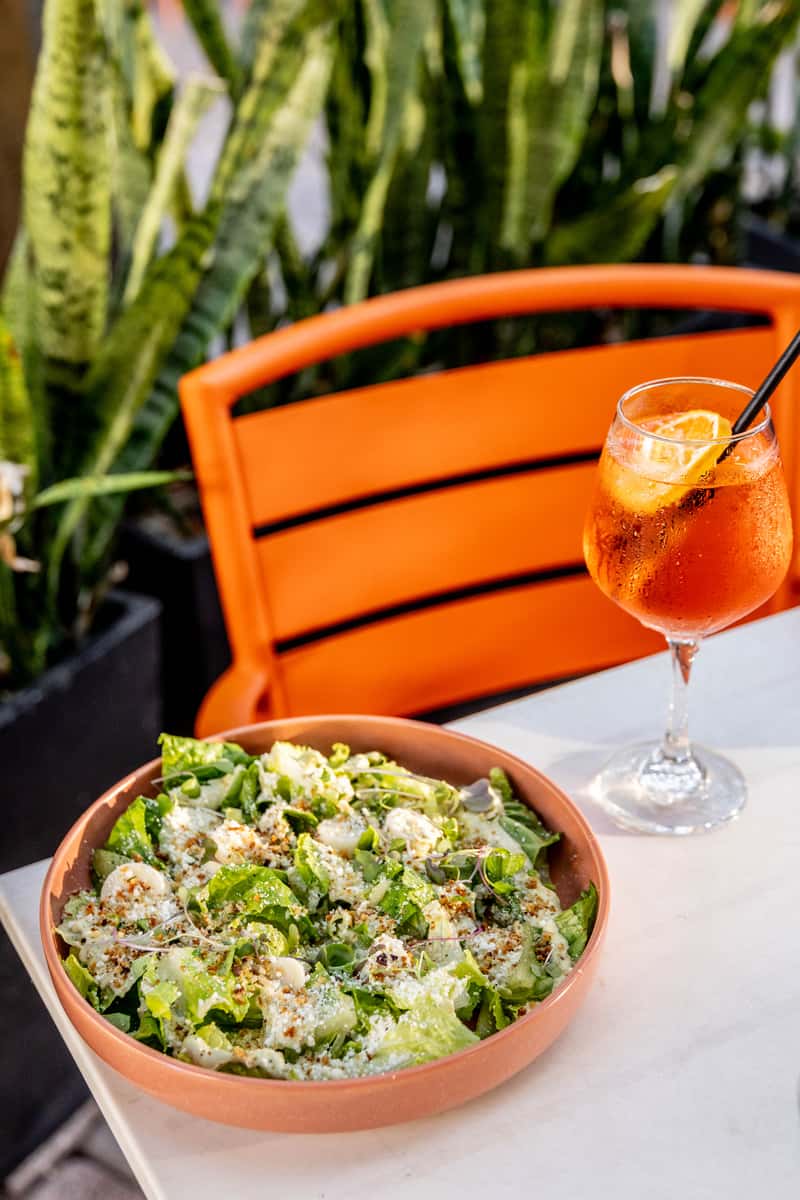
The Aperol Spritz is a low-ABV cocktail combining Aperol, Prosecco, and a splash of soda water. Brothers Luigi and Silvio Barbieri originally created Aperol in 1919 in Padua, Italy, though the specific spritz recipe gained global popularity during the 1950s. The bittersweet orange flavor and vibrant color make this an ideal choice for outdoor brunch settings, particularly in warm climates where something lighter and more refreshing is preferred.
French 75
The French 75 is a cocktail combining gin (or Cognac), fresh lemon juice, simple syrup, and champagne. Named after the French 75mm field gun used in World War I, the recipe was first recorded in "Harry's ABC of Mixing Cocktails" in 1922, according to Arnaud's Restaurant in New Orleans. The botanical complexity of gin layered with bright citrus and champagne effervescence creates a brunch drink that feels celebratory without being overly sweet.
Paloma
The Paloma is a tequila-based cocktail featuring grapefruit soda, lime juice, and salt. While its origins remain somewhat obscure, the drink is often attributed to Don Javier Delgado Corona of La Capilla in Tequila, Mexico. The IBA official recipe specifies 50ml of 100% agave tequila with 100ml pink grapefruit soda, 5ml fresh lime juice, and a pinch of salt. Bright, tart, and slightly saline, the Paloma offers a refreshing alternative for brunch guests who want something beyond the champagne-based options.
With these timeless recipes in mind, exploring non-alcoholic alternatives broadens brunch possibilities further.
What Are the Best Non-Alcoholic Brunch Drinks?
The best non-alcoholic brunch drinks include fresh-squeezed juices, cold brew coffee, lavender lemonade, sparkling water with fruit, and matcha lattes. Each offers distinct flavors suited to different brunch moods.
Fresh-Squeezed Juices
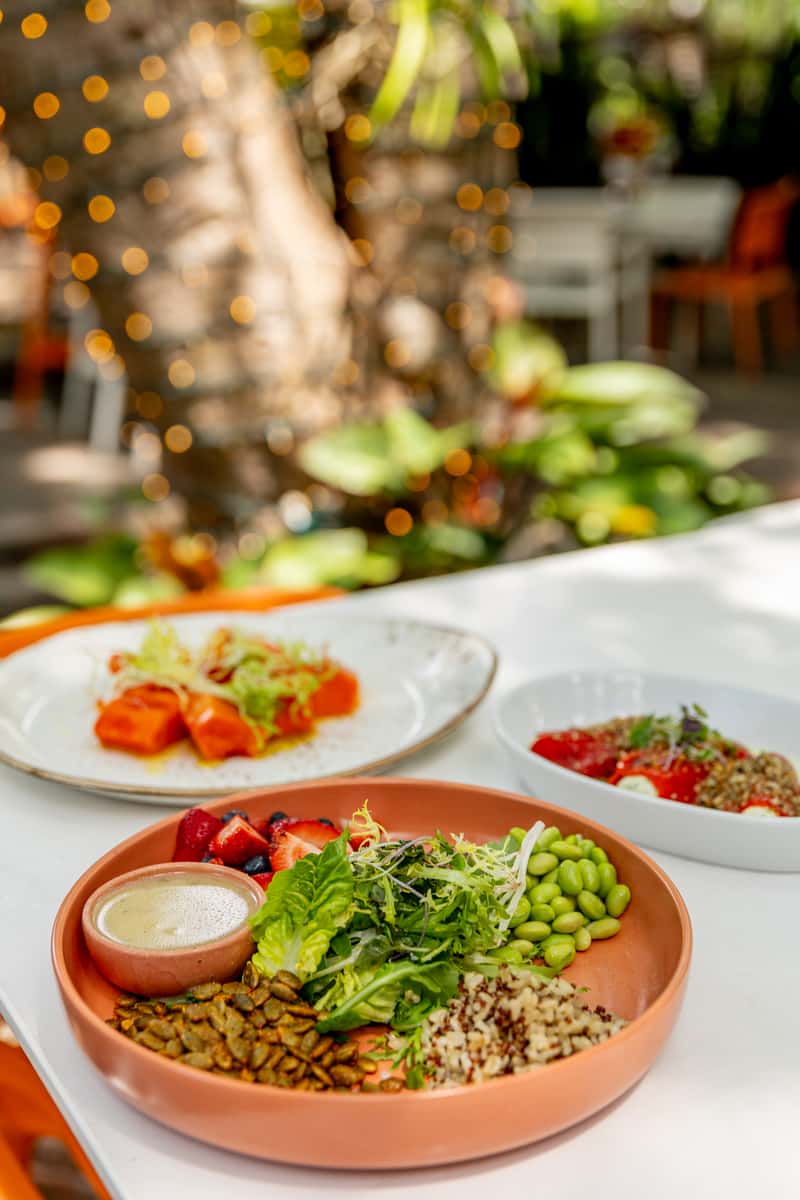
Fresh-squeezed juices are the foundation of any non-alcoholic brunch beverage lineup. Orange juice remains the most iconic option, though grapefruit, watermelon, and green blends made with kale or spinach provide refreshing alternatives. The key distinction is freshness; juice pressed to order retains more vitamins and delivers a brighter flavor profile than pre-bottled varieties. For those who enjoy complexity, combining citrus with ginger or turmeric adds a layered, slightly spicy dimension that pairs naturally with rich brunch dishes.
Cold Brew Coffee
Cold brew coffee is a smooth, low-acidity alternative to traditional hot coffee at brunch. The brewing process involves steeping coarse grounds in cold water for 12 to 24 hours, which extracts sweetness while minimizing bitter compounds. Served over ice or blended with oat milk, cold brew provides sustained energy without the harshness that can overwhelm delicate brunch flavors. Vanilla or cinnamon infusions add subtle sweetness without relying on heavy syrups.
Lavender Lemonade
Lavender lemonade is a floral, lightly sweetened drink that balances tartness with aromatic complexity. Fresh lemon juice provides the citrus base, while lavender syrup introduces a calming, herbaceous note. This combination works particularly well at garden-style brunch settings where the atmosphere calls for something elegant yet unpretentious. Adjusting the lavender concentration allows customization, from a subtle hint to a pronounced floral character.
Sparkling Water with Fruit
Sparkling water with fruit is a zero-sugar, effervescent option that mimics the celebratory feel of champagne-based cocktails. Grapefruit, lime, cucumber, and fresh berries are popular additions that provide natural flavor without artificial ingredients. The carbonation delivers the same refreshing bite found in cocktails like the Paloma, whose IBA official recipe pairs grapefruit soda with lime juice and salt for balanced brightness. For brunch, this same citrus-and-effervescence principle creates a satisfying non-alcoholic experience.
Matcha Latte
A matcha latte is a vibrant, antioxidant-rich brunch drink made from finely ground green tea whisked with steamed milk. Matcha contains L-theanine, an amino acid that promotes calm alertness without the jittery effect of coffee. Oat milk or coconut milk variations add creaminess while keeping the drink dairy-free. The earthy, slightly sweet flavor profile complements lighter brunch plates, making it an ideal choice for those seeking energy and balance in a single cup.
Understanding non-alcoholic options helps clarify what separates a great brunch drink from an ordinary beverage.
What Makes a Great Brunch Drink Different from Other Cocktails?
A great brunch drink differs from other cocktails through lighter alcohol content, refreshing flavor profiles, and versatility alongside morning and midday foods. The following explores timing, balance, and social context.
Brunch cocktails prioritize refreshment over potency. Where evening cocktails often feature spirit-forward compositions designed for sipping slowly, brunch drinks lean toward effervescence, citrus brightness, and lower ABV levels that sustain a leisurely meal without overwhelming the palate. Sparkling wine bases, fresh juices, and bitter aperitifs define this category precisely because they complement rather than compete with food.
The social occasion also shapes what works. Brunch is inherently communal, often stretching across two or more hours. Drinks suited to this pace tend to be sessionable, visually appealing, and easy to batch for groups. According to Adrian Biggs, director of trade advocacy at Bacardi, "luxury is evolving from simply 'top shelf' to deeply experiential, story-driven and meaningful," a shift that aligns perfectly with brunch's emphasis on atmosphere over sheer strength.
Key characteristics that distinguish brunch cocktails include:
- Lower alcohol by volume, typically using sparkling wine or diluted spirit bases
- Bright acidity from fresh citrus or fruit that cuts through rich brunch dishes
- Batchability for pitcher or bottle service at group tables
- Visual presentation that suits daytime ambiance and social sharing
For anyone choosing a brunch cocktail over an evening drink, the guiding principle is balance: enough complexity to feel intentional, enough lightness to carry through a full meal without fatigue. Understanding these distinctions helps when evaluating which brunch drinks pair best with popular brunch foods.
Which Brunch Drinks Pair Best with Popular Brunch Foods?
The best brunch drinks pair with popular brunch foods by matching shared flavor compounds and complementary taste profiles. Scientific flavor pairing theory confirms that approximately 80% of the flavor experience is defined by smell, meaning harmonious combinations occur when ingredients share key odorants.
What Should You Drink with Eggs Benedict?
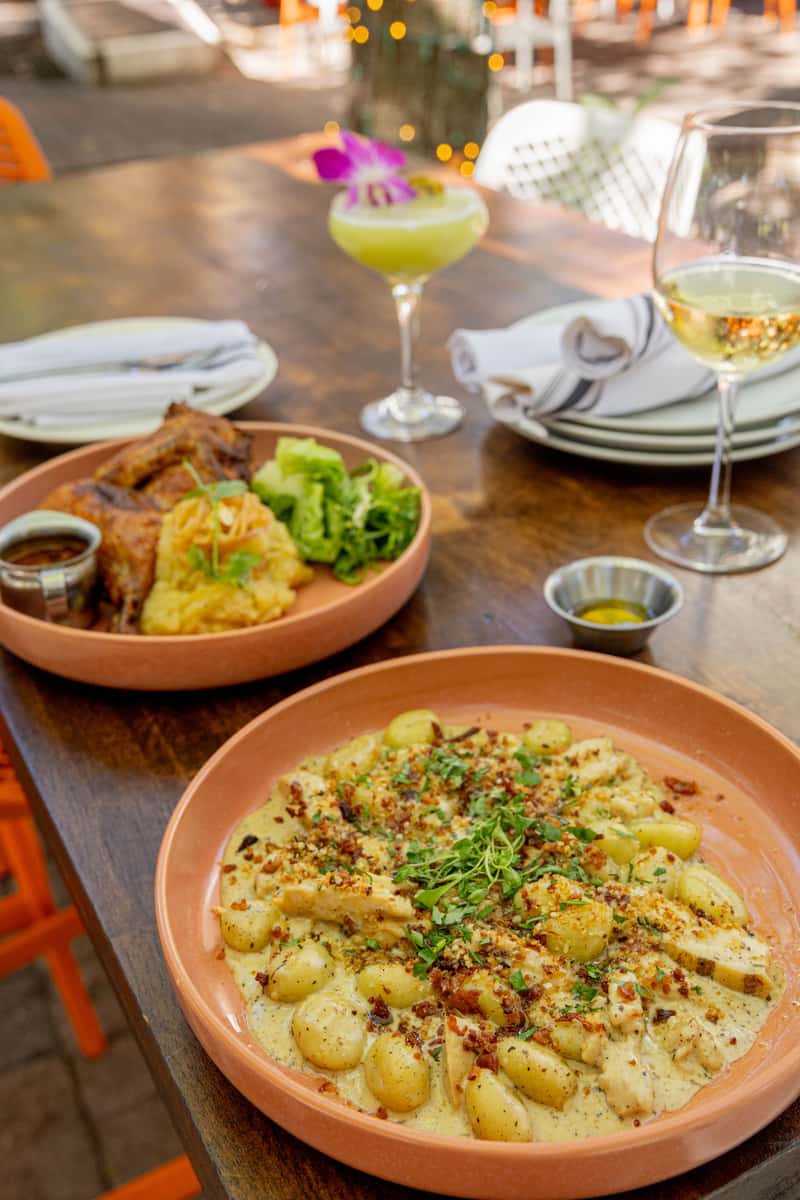
You should drink a Bloody Mary or an Espresso Martini with Eggs Benedict. The rich Hollandaise sauce involves egg yolks heated just enough to cause proteins to "uncoil" without forming too many bonds, creating a heavy emulsion that demands a drink with acidity or bitterness to cut through.
A Bloody Mary's tomato-based acidity and spice contrast the dish's buttery richness. For those craving caffeine with their late-morning meal, the Espresso Martini offers a bitter counterpoint. According to data from Union, Espresso Martini consumption in the United States increased from 2% to 15% of all cocktail orders in 2024, solidifying its place as a versatile brunch option.
A dry sparkling wine like Champagne also works well, as the effervescence lifts the palate between bites of poached egg and Canadian bacon.
What Pairs Well with Pancakes and Waffles?
Pancakes and waffles pair well with cold brew coffee, fresh-squeezed orange juice, or a classic Mimosa. The Maillard Reaction, a chemical reaction between amino acids and reducing sugars, creates the distinctive caramelized flavor profile of these breakfast staples. Drinks need to complement that toasty sweetness without overwhelming it.
Cold brew's smooth, low-acid bitterness balances maple syrup's sweetness. A Mimosa's citrus brightness refreshes the palate between bites of dense, buttery batter. Fresh orange juice accomplishes the same with less alcohol. For a more indulgent pairing, a latte with vanilla or cinnamon mirrors the warm spice notes already present in many waffle batters.
What Brunch Drink Complements Seafood Dishes?
The brunch drink that complements seafood dishes best is a citrus-forward cocktail, such as a Paloma or a French 75. Citrus acidity neutralizes natural salts and amines (alkaline compounds) in fish, which balances the flavor profile and elevates the seafood's inherent sweetness.
A Paloma's grapefruit soda and tequila pair exceptionally well with ceviche or shrimp dishes. The French 75, with its lemon juice and Champagne base, works beautifully alongside lighter preparations like smoked salmon or oysters. An Aperol Spritz offers a gentler bitter-citrus combination for grilled fish. For non-alcoholic options, sparkling water with fresh grapefruit achieves a similar palate-cleansing effect.
What Should You Sip with a Light Salad or Avocado Toast?
You should sip a Bellini, lavender lemonade, or a light sparkling wine with a salad or avocado toast. These dishes rely on fresh, delicate flavors that heavier cocktails would overpower.
According to The Sydney Morning Herald, avocado toast works as a pairing because of the molecule hexanal, found in both avocados and sourdough fermentation, allowing the aromas to blend seamlessly. Drinks that echo this lightness succeed best. A Bellini's peach purée complements avocado's creamy texture without competing. Lavender lemonade's floral and citrus notes enhance herb-forward salads. A dry rosé or Aperol Spritz adds just enough complexity to elevate greens dressed with vinaigrette, while remaining refreshing enough for a daytime meal.
With pairing principles in mind, exploring group-friendly formats makes brunch ordering even easier.
What Are the Best Brunch Drinks for Groups and Sharing?
The best brunch drinks for groups and sharing are pitcher cocktails and bottle service options that encourage communal pouring. Below, we cover which pitcher recipes work for brunch tables and how bottle service elevates the experience.
What Pitcher Cocktails Work Well for Brunch Tables?
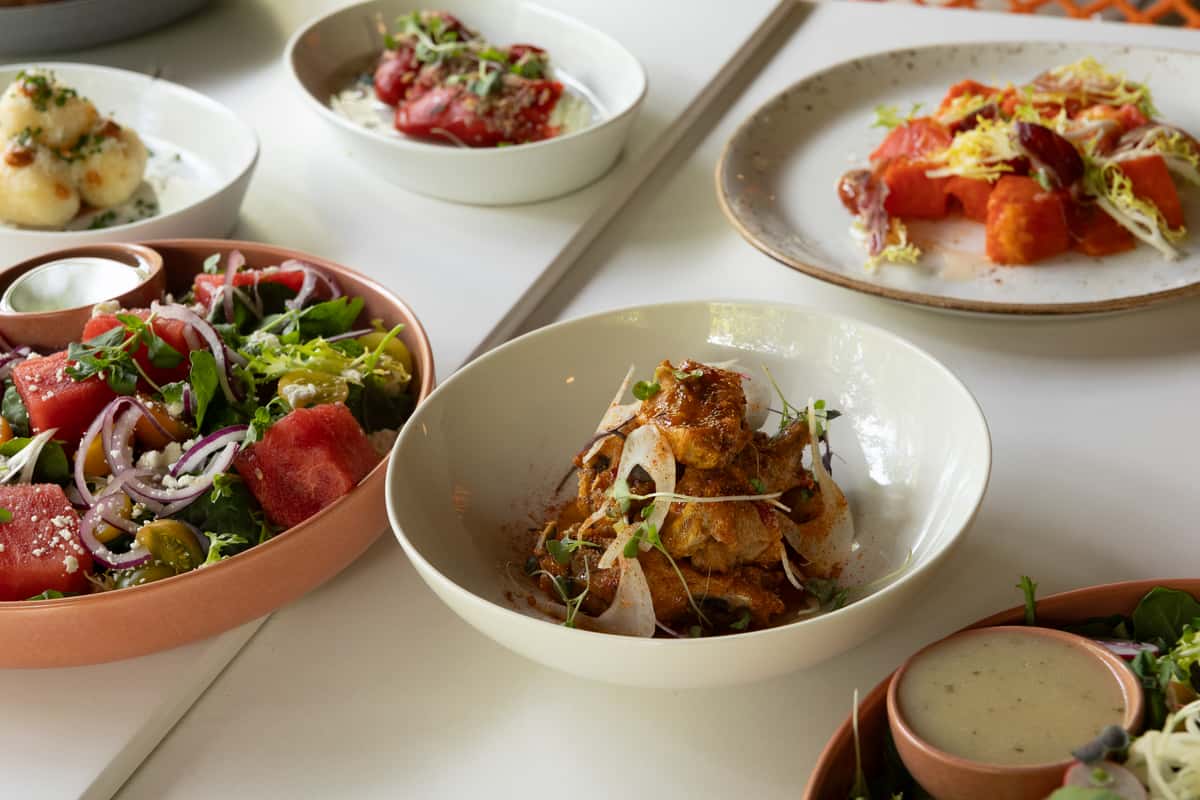
Pitcher cocktails that work well for brunch tables include sangria, mimosa pitchers, and batch Bloody Marys. These large-format drinks simplify ordering for groups and keep the table flowing without constant reorders. Sangria blends wine with fresh fruit for a crowd-pleasing option, while a citrus mimosa pitcher offers a lighter, effervescent choice. Batch Bloody Marys allow guests to customize garnishes individually. For groups gathering at a garden setting like Glass & Vine in Coconut Grove, pitcher service pairs naturally with the shareable small plates designed for communal dining.
Which Bottle Service Options Elevate a Group Brunch?
Bottle service options elevate a group brunch by offering a premium, self-paced pouring experience that transforms a meal into an event. Prosecco bottles, champagne, and sangria carafes are popular choices that let tables control their own pace.
According to a 2025 Ground Signal insights report, the share of bottle service cocktail mentions for sangria increased by 64% over a three-year period, reflecting significant momentum toward shareable, large-format brunch drinks. This trend suggests diners increasingly prefer communal formats over individual cocktails when celebrating together.
For most groups, bottle service offers better per-glass value than ordering individually, making it both a social and practical choice for weekend brunch gatherings.
What Are the Trending Brunch Drinks Right Now?
The trending brunch drinks right now include tropical tiki-inspired cocktails, espresso martini variations, and low-ABV options. Each reflects a broader shift toward daytime-friendly flavors and lighter alcohol content.
What Tropical and Tiki-Inspired Brunch Drinks Are Popular?
Tropical and tiki-inspired brunch drinks that are popular include rum punches with passion fruit, coconut-washed daiquiris, and pineapple-forward spritzes. These vibrant, fruit-driven cocktails translate the escapist appeal of tiki culture into a daytime format. Lighter bases like white rum or cachaça replace heavier dark spirits, while fresh tropical juices provide natural sweetness without excessive syrup. For brunchers seeking something visually striking, garnishes like edible flowers and dehydrated citrus wheels complete the presentation. The style works particularly well in warm-weather settings where the atmosphere already encourages a vacation mindset.
What Espresso Martini Variations Are Trending at Brunch?
Espresso martini variations trending at brunch include pistachio espresso martinis, salted caramel versions, and tiramisu-inspired builds. According to Union's 2024 data, espresso martini consumption in the United States surged from 2% to 15% of all cocktail orders, solidifying the drink as the third best-selling cocktail in high-volume bars by early 2025. Brunch-specific twists lean into dessert-adjacent flavors:
- Pistachio espresso martinis use pistachio liqueur for a nutty, creamy finish.
- Salted caramel versions incorporate caramel syrup with a salted rim.
- Coconut cold brew martinis swap traditional espresso for cold brew and coconut cream.
This category bridges the gap between morning coffee ritual and cocktail indulgence, making it ideal for late-morning service.
What Low-ABV Brunch Cocktails Are Gaining Popularity?
Low-ABV brunch cocktails gaining popularity include spritzes built on vermouth or sherry, diluted wine-based highballs, and shrub sodas with a splash of amaro. The appeal lies in sessionability; guests can enjoy two or three drinks across a leisurely brunch without the heaviness of full-strength cocktails. Aperol spritzes remain a foundation, but newer variations use blanc vermouth, fino sherry, or gentian liqueurs as the base spirit. For most brunch settings, prioritizing low-ABV options keeps guests comfortable longer and encourages higher food and beverage spend per table.
With these trending styles in mind, knowing what to look for on a brunch menu helps narrow the choices.
What Should You Look for in a Brunch Drink Menu?
You should look for a brunch drink menu that balances variety, quality ingredients, and options for every preference. Key indicators include classic cocktails made with fresh components, non-alcoholic alternatives, shareable formats, and seasonal selections.
A well-rounded menu signals that the kitchen and bar work together. When brunch drinks are thoughtfully curated, they complement the food rather than compete with it. Look for menus that offer sparkling options alongside spirit-forward choices, fresh juices used as mixers rather than from concentrate, and clear descriptions that help you match drinks to your meal. Venues that include both individual cocktails and group-friendly pitchers or bottle service demonstrate an understanding of how brunch is actually enjoyed, whether as an intimate morning or a celebratory gathering with friends.
According to a 2025 Mintel report, approximately 57% of consumers express concern about restaurant spending and rising menu prices, leading diners to prioritize perceived value when selecting menu items. This makes bottomless brunch packages and promotion-based concepts particularly appealing, as they offer a predictable cost for an elevated experience.
The best brunch drink menus also reflect current trends without abandoning timeless favorites. A menu featuring both a well-made Mimosa and a creative seasonal cocktail with ingredients like pistachio or tropical flavors shows range and intentionality. Transparency in pricing and the inclusion of low-ABV or zero-proof options round out a menu that respects every guest at the table.
Where Can You Enjoy Popular Brunch Drinks in Coconut Grove?
You can enjoy popular brunch drinks in Coconut Grove at restaurants like Glass & Vine, set within a neighborhood officially recognized for its dining scene. Below, find details on craft cocktails at Glass & Vine's garden brunch and key takeaways about popular brunch drinks.
Does Glass & Vine's Garden Brunch Offer Craft Cocktails?
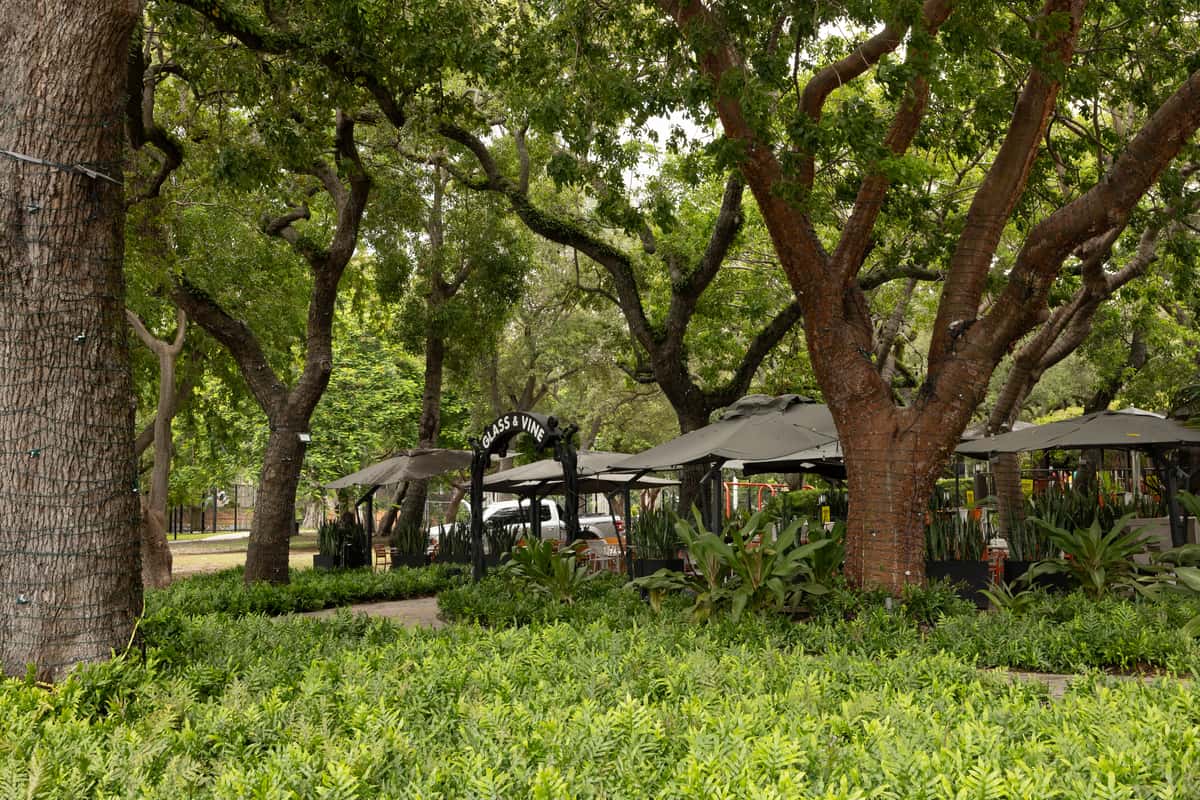
Yes, Glass & Vine's garden brunch offers craft cocktails alongside a curated selection of beer and wine. The open-air restaurant, nestled beneath Peacock Park's oak canopy in Coconut Grove, serves a bottomless brunch option priced at $35 that pairs well with its sharing-focused menu. According to Coconut Grove Magazine, the City of Miami officially proclaimed Coconut Grove as Miami's "Brunch Capital" in September 2025, recognizing the neighborhood's dense concentration of vibrant culinary establishments. Glass & Vine captures this energy through a garden-inspired setting where guests can sip cocktails while overlooking the park, making it one of the most scenic spots for brunch drinks in the area.
What Are the Key Takeaways About Popular Brunch Drinks?
The key takeaways about popular brunch drinks are that variety, quality ingredients, and intentional food pairing elevate the entire brunch experience. Whether choosing a classic mimosa, an espresso martini, or a non-alcoholic option, the best brunch drinks balance flavor, occasion, and personal preference. Consider these practical guidelines:
- Match your drink's acidity and weight to your food for harmonious pairings.
- Explore non-alcoholic options when you want flavor complexity without alcohol.
- Choose shareable formats like pitchers or bottle service for group brunches.
- Look for seasonal and trending ingredients that signal a creative bar program.
- Prioritize venues with craft-focused menus in brunch-forward neighborhoods like Coconut Grove.
Glass & Vine brings these principles together in one lush, open-air setting designed for lingering over great drinks and good company.