
Planning Outdoor Events in Miami
Planning Outdoor Events in Miami
Planning outdoor events in Miami is the process of coordinating venue selection, seasonal timing, guest comfort, and local regulations to host successful open-air gatherings in South Florida's subtropical climate.
This guide covers Miami's year-round event appeal, the types of outdoor gatherings that work best here, seasonal timing and weather preparation, venue selection and heat management, permits and compliance, menu and beverage planning, and ambiance design and budgeting.
Miami's subtropical climate delivers warm temperatures across all twelve months, with average highs peaking near 90°F in August and winter lows rarely dropping below 60°F. That narrow range, combined with a 7.3-month dry season and a mature vendor infrastructure supporting over 28 million annual visitors, makes the region one of the most reliable outdoor event destinations in the country.
From corporate retreats and milestone celebrations to brunch gatherings and rehearsal dinners, each event type benefits from open-air formats that encourage natural interaction. Coconut Grove's waterfront character and garden venues suit intimate occasions, while other Miami neighborhoods offer distinct settings for larger activations.
Scheduling during the dry season (November through May) provides the most predictable conditions, though wet season planning remains viable with proper rain backup strategies and hurricane preparedness built into vendor contracts and guest communications.
Choosing a venue with built-in shade, misting systems, and flexible indoor-outdoor layouts is the single most consequential planning decision. Pairing that with heat-conscious menu design, including lighter cuisine, shareable plates, and strong hydration stations, keeps guests comfortable throughout the event.
Local permits, noise ordinances, liability insurance, and food safety compliance all scale with event size. Layered lighting, natural landscaping, and cohesive décor transform outdoor spaces once the sun sets, while careful budgeting ensures resources go where they create the strongest guest experience.
What Makes Miami Ideal for Outdoor Events Year-Round?
Miami is ideal for outdoor events year-round because of its subtropical climate, which delivers warm temperatures and extended daylight across all four seasons. Average highs reach 89.9°F in August, while January lows rarely drop below 59.6°F, according to the Western Regional Climate Center. This narrow temperature range means planners can confidently schedule open-air gatherings in every month. The dry season, lasting approximately 7.3 months from late autumn to early spring, offers especially predictable conditions. Even during the wetter summer months, rainfall tends to arrive in brief afternoon bursts rather than all-day storms, leaving mornings and evenings clear for events. Greater Miami's record-setting visitor numbers, surpassing 28 million in 2024, also reflect the region's appeal as an outdoor destination. That steady tourism flow supports a mature event infrastructure, from experienced vendors to venues designed specifically for open-air hosting. For planners weighing specific timing, understanding seasonal weather patterns sharpens every decision.
What Types of Outdoor Events Can You Plan in Miami?
The types of outdoor events you can plan in Miami range from corporate gatherings to intimate celebrations. Below, each category covers what makes it work in an open-air setting.
Corporate Events and Team Gatherings
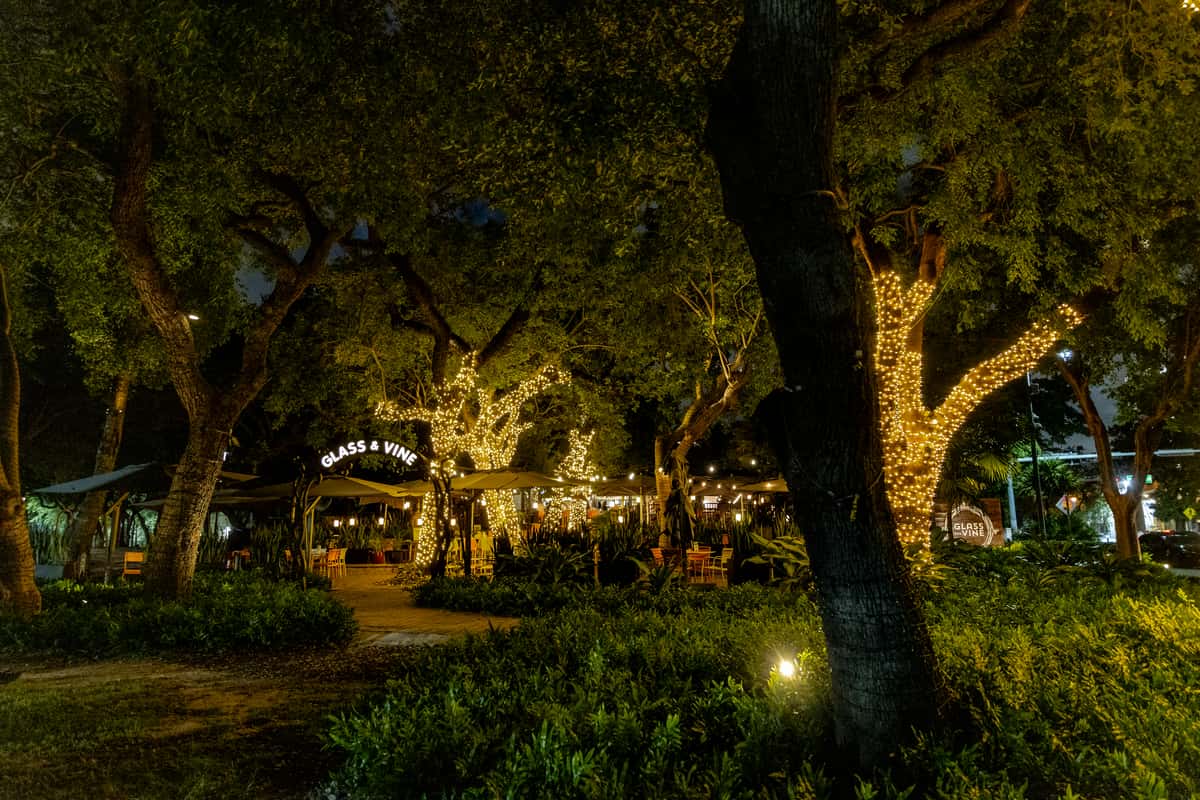
Corporate events and team gatherings use Miami's outdoor venues for product launches, leadership retreats, team-building activities, and client appreciation dinners. Open-air settings encourage informal networking that indoor conference rooms rarely achieve. Shaded garden spaces and waterfront locations keep attendees comfortable while reinforcing a company's brand through memorable surroundings. For organizations planning large-scale activations, the City of Miami requires event permits with advance submission timelines based on expected attendance.
Private Celebrations and Milestone Parties
Private celebrations and milestone parties in Miami include birthdays, anniversaries, engagement parties, and graduation dinners. The subtropical climate allows hosts to design events around lush landscaping, string lighting, and al fresco dining year-round. Intimate guest counts of 30 to 100 fit naturally into garden courtyards and park-adjacent patios, where the setting itself becomes part of the celebration. Choosing a venue with in-house catering simplifies coordination and ensures food quality matches the occasion.
Brunch Events and Daytime Social Gatherings
Brunch events and daytime social gatherings thrive in Miami's outdoor dining culture, particularly in Coconut Grove, which was officially proclaimed "The Brunch Capital of Miami" in September 2025 by the Coconut Grove Business Improvement District. Morning and midday timing takes advantage of milder temperatures before peak afternoon heat. According to NYFF Events, layered lighting transforms outdoor social spaces more effectively than any other design component once the sun sets; for daytime events, canopy shade and natural foliage serve the same atmospheric role.
Rehearsal Dinners and Intimate Wedding Events
Rehearsal dinners and intimate wedding events pair well with Miami's garden-style outdoor venues, where smaller guest lists allow personalized table arrangements under tree canopies or along waterfront sightlines. These events typically host 20 to 75 guests, making courtyard and patio settings ideal. Couples often choose venues that offer both the rehearsal dinner and ceremony space to streamline logistics. Seasonal timing matters; scheduling during the dry season, from late autumn through early spring, reduces weather-related disruptions.
Holiday Parties and Seasonal Celebrations
Holiday parties and seasonal celebrations in Miami benefit from outdoor settings that accommodate festive décor without the space constraints of indoor rooms. Popular formats include:
- Thanksgiving dinners under oak canopies with farm-to-table menus
- Winter holiday gatherings featuring cocktail stations and string-lit gardens
- New Year's Eve receptions with open-air bars and live music
- Summer solstice events with tropical-themed food and refreshments
Miami's mild winter temperatures, with average lows around 60°F in January, make December and January particularly comfortable for evening outdoor celebrations.
With event types established, choosing the right time of year ensures each gathering benefits from Miami's most favorable conditions.
What Is the Best Time of Year for Outdoor Events in Miami?
The best time of year for outdoor events in Miami is during the dry season, roughly November through May. Planning around seasonal weather patterns, hurricane risk, and visitor volume shapes every decision. The sections below cover dry season advantages, wet season challenges, and hurricane season preparation.
How Does Miami's Dry Season Affect Event Planning?
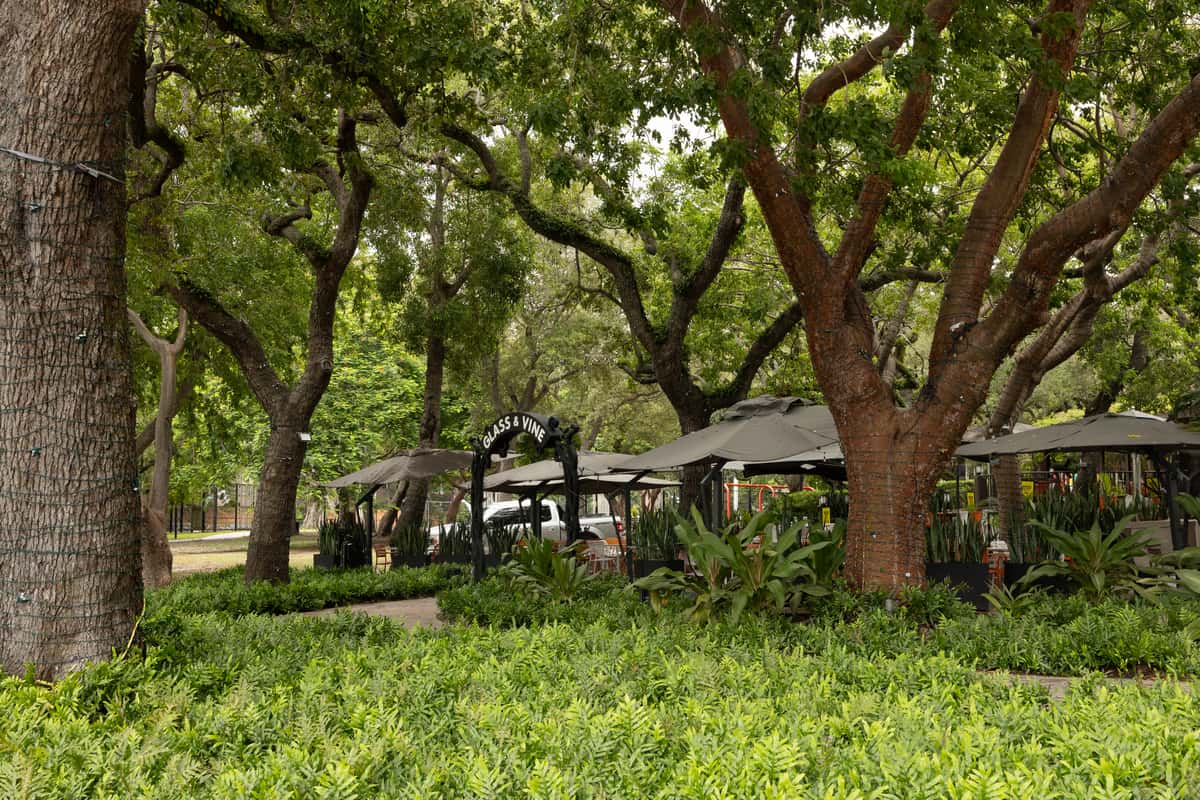
Miami's dry season affects event planning by offering the most reliable weather window for outdoor gatherings. According to WeatherSpark, this dry season lasts approximately 7.3 months from late autumn to early spring, providing more predictable conditions compared to the wet season.
Lower rainfall and milder temperatures during these months reduce the need for extensive rain contingencies. Humidity drops to its lowest levels around April, making evening events particularly comfortable. This period also coincides with peak tourism; Greater Miami attracted more than 28 million visitors in 2024, so securing venues and vendors early is essential. For planners prioritizing weather certainty, scheduling between November and April remains the strongest approach.
How Does Miami's Wet Season Affect Event Planning?
Miami's wet season affects event planning by introducing daily afternoon thunderstorms, higher humidity, and increased logistical complexity. Running from roughly late May through October, this period demands flexible scheduling and robust backup strategies.
Afternoon storms are often brief but intense, so shifting event start times to morning or late evening helps avoid peak rainfall windows. Covered structures, tent rentals, and indoor overflow areas become non-negotiable rather than optional. Vendor contracts should include weather delay clauses, and communication plans for guests need real-time updates. Despite these challenges, the wet season offers lower venue competition and potentially better pricing, which makes it viable for planners willing to invest in contingency infrastructure.
When Is Peak Hurricane Season and How Should You Plan?
Peak hurricane season occurs during the Atlantic hurricane season, which runs from June 1 to November 30. According to the National Hurricane Center, the climatological peak of activity falls on September 10.
Planning around this window requires specific safeguards:
- Purchase event cancellation insurance that explicitly covers named storms.
- Build contractual flexibility with vendors for date changes within a 7 to 14 day window.
- Monitor NOAA forecasts starting at least two weeks before the event date.
- Identify fully enclosed backup venues that can accommodate your guest count on short notice.
September and early October carry the highest risk, making these months the least predictable for outdoor commitments. Experienced planners in Miami often avoid mid-August through mid-October entirely for large-scale outdoor events, reserving those dates only when indoor alternatives are secured.
With seasonal timing established, selecting the right venue becomes the next critical decision.
How Do You Choose the Right Outdoor Venue in Miami?
You choose the right outdoor venue in Miami by evaluating the space's cooling infrastructure, neighborhood character, and guest accessibility. The following sections cover what to prioritize in an event space, why location matters, and how parking and access shape the experience.
What Should You Look for in an Outdoor Event Space?
You should look for an outdoor event space that offers built-in heat mitigation, versatile lighting, and flexible layouts. Miami's subtropical climate makes cooling infrastructure non-negotiable. As event professional McKinley recommends, "on-site contingencies are needed to reduce heat exposure" for outdoor gatherings.
Key features to evaluate include:
- Cooling systems: High-pressure misting systems reduce perceived temperature while using significantly less energy than traditional air conditioning units.
- Shade coverage: Mature tree canopies, pergolas, or retractable awnings protect guests from direct sun exposure.
- Layered lighting: This design element transforms an outdoor space more effectively than any other component once the sun sets.
- Flexible layouts: Spaces that accommodate both seated dinners and standing receptions give planners room to adapt.
Venues surrounded by natural landscaping, like a garden setting beneath established oaks, often reduce ambient heat while creating an inviting atmosphere that requires less decorative intervention.
Why Does the Neighborhood and Setting Matter?
The neighborhood and setting matter because they shape guest expectations, logistics, and the overall event atmosphere. A waterfront location in Coconut Grove delivers a different experience than an arts district venue in Wynwood, and each neighborhood carries its own parking patterns, noise considerations, and dining options for guests arriving early or staying late.
Coconut Grove, for example, offers a walkable village character with boutique hotels and marina-side dining nearby, which simplifies accommodations for out-of-town attendees. Matching the neighborhood's personality to your event's tone reduces friction and elevates the guest experience from arrival to departure.
How Important Is Accessibility and Parking?
Accessibility and parking are critical factors that directly affect guest satisfaction and legal compliance. ADA requirements for accessible parking spaces mandate a minimum width of 96 inches for cars with a 60-inch wide access aisle, according to ADA.gov.
Practical accessibility considerations include:
- Proximity to main roads and highways for guests unfamiliar with Miami.
- Dedicated accessible parking that meets federal ADA standards.
- Rideshare drop-off zones to accommodate guests using Uber or Lyft.
- Clear wayfinding signage from parking areas to the event entrance.
Venues in walkable neighborhoods with nearby public parking reduce congestion and guest frustration. For planners weighing all these venue factors, understanding Miami's permitting requirements is the next essential step.
How Do You Handle Miami's Heat and Humidity at Events?
You handle Miami's heat and humidity at events by combining shade structures, strategic timing, and menu choices designed for warm conditions. The following sections cover cooling strategies, scheduling adjustments, and food and beverage considerations.
What Shade and Cooling Strategies Work Best?
The shade and cooling strategies that work best combine physical coverings with active temperature reduction. Tent canopies, sail shades, and mature tree cover block direct sunlight, while misting fans lower perceived temperatures through evaporative cooling. Positioning guest seating beneath existing canopy, like the oak shade at Peacock Park, reduces radiant heat exposure without additional infrastructure costs.
According to the University of Florida's Institute of Food and Agricultural Sciences, best management practices for subtropical environments emphasize strategies that are technically feasible, scientifically sound, and economically viable. Layering passive shade with portable misting stations reflects this principle well. For most outdoor gatherings in Miami, investing in proper cooling infrastructure is not optional; it is the single biggest factor in whether guests actually enjoy themselves.
How Should You Adjust Event Timing for Comfort?
You should adjust event timing for comfort by scheduling key activities during cooler parts of the day. Late afternoon starts, typically after 4:00 p.m., avoid peak sun intensity while still offering daylight for outdoor enjoyment. Evening events benefit from lower temperatures and the natural breeze that moves through waterfront areas like Coconut Grove.
Brunch gatherings work best with early morning start times before humidity builds. If a midday event is unavoidable, plan the most active portions, such as dancing or lawn games, for shaded periods. Structuring the timeline around Miami's daily heat cycle keeps guests comfortable without relying entirely on mechanical cooling.
What Food and Beverage Considerations Help Guests Stay Cool?
The food and beverage considerations that help guests stay cool prioritize hydration, lighter fare, and proper safety protocols. Chilled dishes, raw bars, and smaller shareable plates reduce the heaviness that compounds heat discomfort. Infused water stations and frozen fruit garnishes encourage consistent hydration throughout the event.
According to a 2025 BizBash industry report, elevated mocktails, embedded sustainability, and family-style catering are the dominant food and beverage trends event planners expect this year. These trends align naturally with warm-weather needs, since lighter cocktail alternatives and shared plates keep energy levels steady without overwhelming guests. Equally important is food safety: proper cooking, cooling, and reheating protocols become critical when outdoor temperatures accelerate bacterial growth. For planners choosing between heavy plated courses and lighter grazing formats, the grazing approach nearly always wins in Miami's climate.
With heat strategies in place, understanding local permits ensures your event runs smoothly.
What Permits and Regulations Apply to Outdoor Events in Miami?
Permits and regulations for outdoor events in Miami cover special event applications, noise limits, alcohol licensing, and liability insurance. Requirements scale with event size and type.
The City of Miami requires a special event permit for gatherings held on public or private property that affect normal city operations. According to the City of Miami's permitting guidelines, a large event with over 1,001 attendees requires a $500 application fee and must be submitted at least 45 days in advance. Smaller events carry lower fees and shorter lead times, but all applications require detailed site plans, traffic management proposals, and coordination with city departments.
Key regulatory areas include:
- Noise ordinances: Miami-Dade County prohibits sound levels exceeding 85 decibels during any 24-hour period, which directly affects live music, DJ setups, and amplified speeches at outdoor gatherings.
- Alcohol permits: Florida law allows temporary alcoholic beverage permits for nonprofit organizations at $25 per permit, valid for up to three days. Private events at licensed venues operate under the venue's existing liquor license.
- Liability insurance: Events exceeding 3,000 but fewer than 7,500 participants require general liability coverage with limits of $2,000,000 per occurrence and $2,000,000 aggregate. Smaller gatherings typically need lower coverage thresholds, though the City of Miami must be named as an additional insured.
- Food service compliance: Any outdoor food preparation or service must meet Florida Department of Health food safety standards, including proper temperature controls for perishable items.
For planners unfamiliar with the process, starting permit applications well before the minimum deadline is worth the effort. Approval timelines often extend beyond the stated minimums when multiple city departments need to review traffic, fire safety, or environmental impact assessments. Building in extra lead time prevents last-minute complications that can derail an otherwise well-organized event.
With permits secured, having a weather contingency plan protects that investment.
How Do You Create a Rain Backup Plan for Miami Events?
You create a rain backup plan for Miami events by securing covered alternatives, building weather clauses into vendor contracts, and establishing clear communication timelines for guests. Since Miami averages 18.5 wet days in August alone, preparation is essential rather than optional.
The most effective rain backup strategies address three areas: venue flexibility, contractual protection, and guest communication.
- Choose a venue with indoor-outdoor flexibility. Spaces that offer covered patios, retractable canopies, or adjacent indoor rooms allow seamless transitions without relocating entirely. A venue already equipped with weather-ready infrastructure eliminates the cost of renting separate tent structures.
- Add weather contingency clauses to every vendor contract. Specify what happens if rain forces a format change, including setup adjustments, timeline shifts, and cancellation terms. Caterers, florists, and entertainment providers should all have documented rain protocols before the event date.
- Rent clear-span tents or sail-shade canopies as dedicated rain coverage. Tent rentals for Miami events typically require permits and must meet local wind-load requirements, so plan at least four to six weeks ahead.
- Set a weather-call deadline. Decide 48 to 72 hours before the event whether to activate the backup plan. According to WeatherSpark, August is Miami's wettest month with an average of 18.5 days receiving at least 0.04 inches of precipitation, making real-time weather monitoring during wet season events critical.
- Prepare a guest notification plan. Use email, text alerts, or a dedicated event webpage to communicate location or timing changes quickly. Guests who receive clear updates in advance are far less likely to cancel.
For planners working during peak wet season, building rain into the plan from the start is smarter than treating it as an afterthought. The best outdoor events in Miami succeed not because they avoid rain, but because they handle it without disrupting the guest experience. With menu planning equally important for outdoor success, food selection deserves the same level of preparation.
How Should You Plan the Menu for an Outdoor Miami Event?
You should plan the menu for an outdoor Miami event by selecting heat-friendly cuisine, following strict food safety protocols, and choosing serving styles that encourage social interaction. The sections below cover ideal cuisine types, outdoor food safety, and the appeal of shareable plates.
What Types of Cuisine Work Best in Warm Weather?
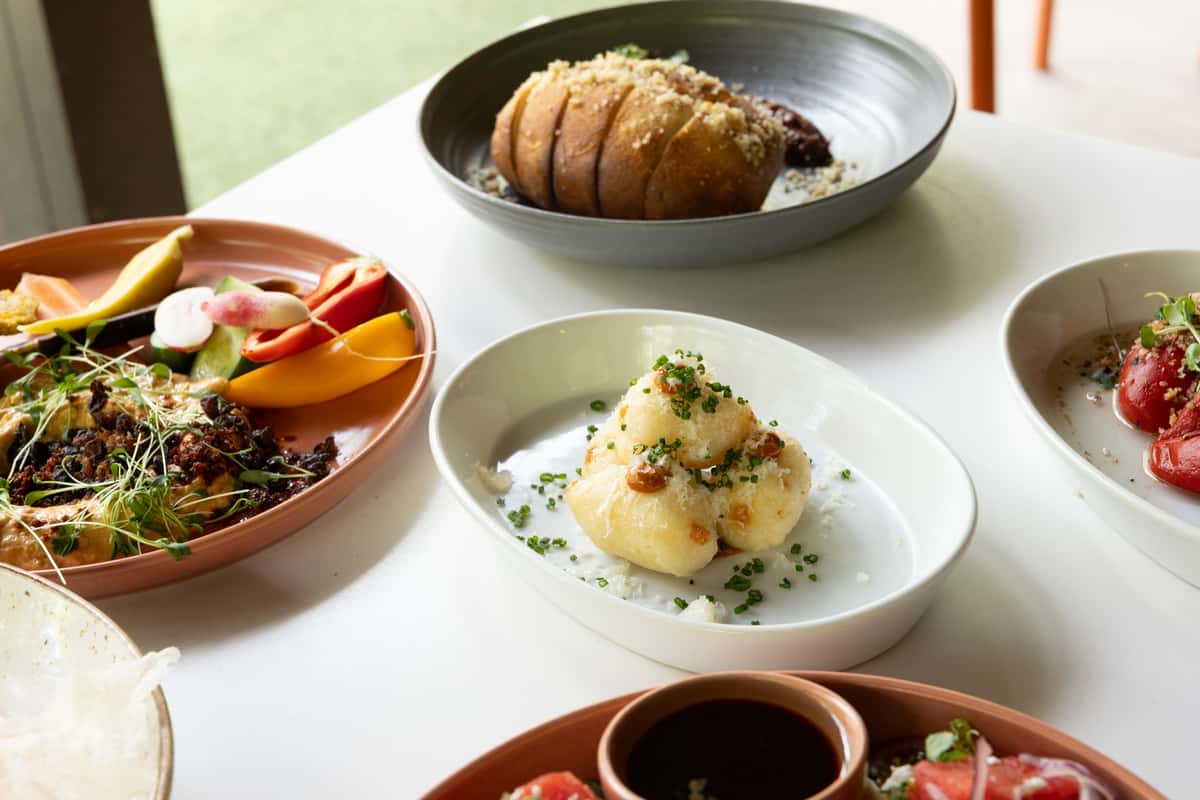
The types of cuisine that work best in warm weather are light, refreshing options that feel satisfying without weighing guests down in Miami's heat. Tropical and Mediterranean-inspired dishes perform especially well because they emphasize bright, fresh ingredients over heavy sauces and rich proteins.
Cuisine styles suited for warm-weather outdoor events include:
- Ceviche and crudo stations featuring citrus-cured seafood that stays appealing at ambient temperatures.
- Grilled vegetables and lighter proteins like fish, shrimp, and chicken that pair naturally with seasonal produce.
- Tropical fruit displays and chilled salads incorporating local ingredients like mango, avocado, and hearts of palm.
- Grain bowls and composed salads offering customizable, portable options that hold up well outdoors.
For most outdoor gatherings in Miami, prioritizing dishes built around locally sourced, seasonal ingredients gives the menu both freshness and a sense of place that guests remember.
How Do You Keep Food Fresh and Safe Outdoors in Miami?
You keep food fresh and safe outdoors in Miami by maintaining strict temperature controls and following Florida's food hygiene codes throughout service. According to the Florida Department of Health, potentially hazardous foods that are cooked and then refrigerated must be reheated rapidly to a minimum of 165 degrees Fahrenheit for 15 seconds before re-serving.
Essential food safety practices for outdoor Miami events include:
- Keeping cold items below 40°F using ice baths, refrigerated display units, or shaded stations.
- Limiting how long prepared dishes sit at outdoor temperatures; replenish small batches rather than setting out large quantities.
- Positioning all food service stations under shade structures to minimize direct sun exposure.
- Assigning dedicated staff to monitor temperatures with food thermometers throughout the event.
Miami's combination of high heat and humidity accelerates bacterial growth, making these precautions non-negotiable for any outdoor gathering.
Why Are Shareable Plates Popular for Outdoor Events?
Shareable plates are popular for outdoor events because they create a communal, relaxed dining atmosphere that matches the casual energy of open-air gatherings. Rather than confining guests to individual plated courses, family-style service encourages conversation and movement.
The practical benefits extend beyond ambiance. Shareable formats reduce the need for synchronized plating and formal service timing, which can be difficult to manage in outdoor settings with variable conditions. Guests graze at their own pace, keeping the event flowing naturally instead of pausing for structured meal courses.
This serving style also allows caterers to showcase a wider variety of flavors and textures across the table, giving every guest options that suit their preferences. For outdoor events where the setting itself is part of the experience, shareable plates keep the focus on connection rather than rigid formality.
With the menu approach settled, selecting the right drink options ensures guests stay refreshed throughout the event.
What Are the Best Drink Options for an Outdoor Event in Miami?
The best drink options for an outdoor event in Miami balance refreshment, hydration, and seasonal flavor. Choosing the right beverage program depends on the event format, time of day, and Miami's warm climate.
Tropical cocktails built with fresh citrus, coconut, and light spirits keep guests cool without heavy sweetness. Drinks like mojitos, palomas, and rum punches pair naturally with Miami's outdoor atmosphere and warm-weather menus. Frozen options, including daiquiris and frosé, offer immediate relief from heat while doubling as visual highlights.
According to BizBash, event planners in 2025 expect elevated mocktails, embedded sustainability, and family-style catering to be the dominant food and beverage trends. Non-alcoholic options deserve equal attention; craft mocktails made with fresh herbs, sparkling water, and tropical fruit provide inclusive alternatives that feel intentional rather than like an afterthought.
Hydration stations stocked with infused water, coconut water, and electrolyte drinks are essential for any daytime gathering. Guests exposed to Miami's humidity lose fluids faster than they realize, so passive hydration access throughout the venue prevents discomfort before it starts.
For evening events, a curated wine and beer selection works well alongside a signature cocktail menu. Rosé, crisp white wines, and light craft beers complement open-air settings without overwhelming the palate. Offering a single signature cocktail that reflects the event's theme streamlines bar service while creating a memorable touchpoint.
Practical considerations matter as much as the menu itself:
- Pre-batched cocktails reduce bartender wait times during peak service.
- Compostable cups and reusable glassware align with sustainability expectations.
- Shaded bar stations prevent ice from melting too quickly in direct sun.
- Drink tickets or consumption caps help manage costs for hosted bars.
For planners who want a beverage program that feels both polished and effortless, prioritizing two to three strong cocktail options over an overwhelming menu consistently delivers a better guest experience. Understanding drink logistics in Miami's climate sets the stage for how the overall event atmosphere comes together.
How Do You Set the Right Ambiance for an Outdoor Miami Event?
You set the right ambiance for an outdoor Miami event by combining layered lighting, natural landscaping, and cohesive décor elements tailored to the open-air setting. Each of these design layers works together to transform an outdoor space.
What Lighting Works Best for Evening Outdoor Events?
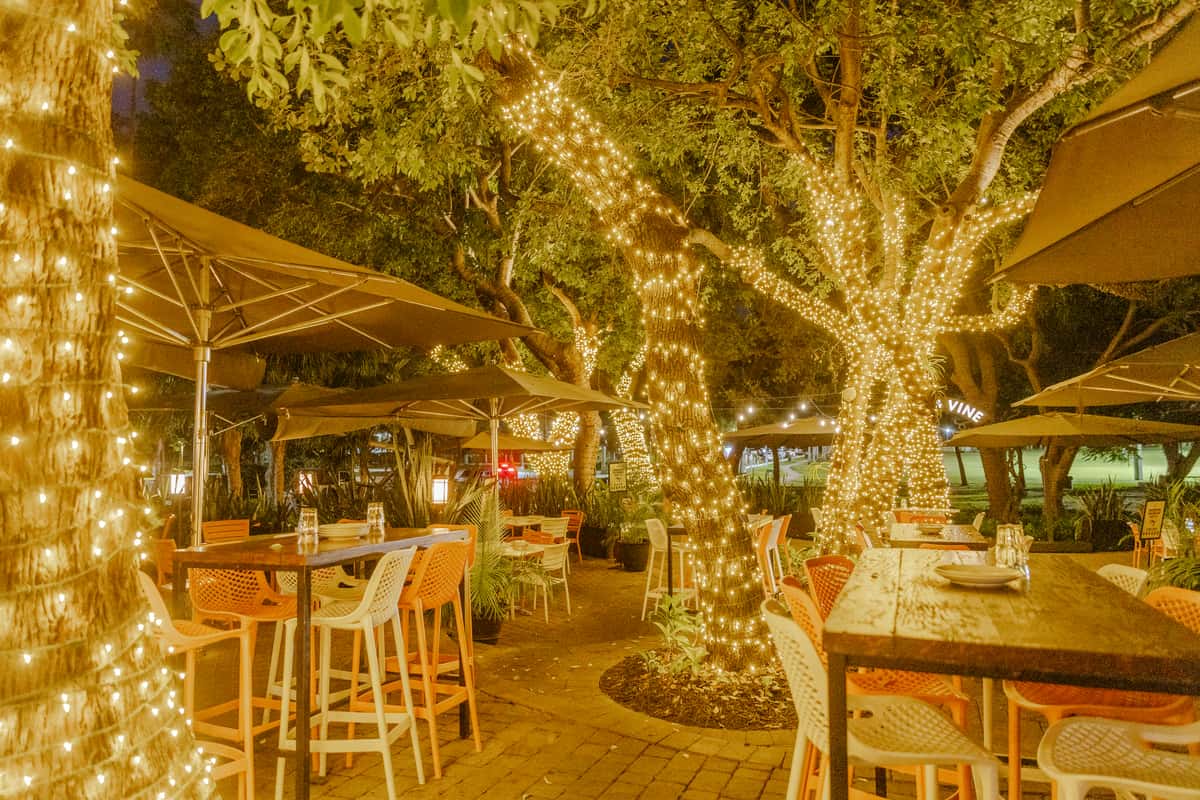
Layered lighting works best for evening outdoor events. According to NYFF Events, layered lighting is a critical design element for outdoor social events because it transforms the space more effectively than any other design component once the sun sets. String lights draped across canopy trees create a warm overhead glow, while uplighting on surrounding foliage adds depth and dimension. Combining these ambient layers with focused task lighting at bars and buffet stations ensures both beauty and functionality. Candles and lanterns at table level soften the overall effect. For Miami venues set beneath mature tree canopies, lighting becomes the single most impactful investment in evening atmosphere.
How Can Natural Landscaping Enhance an Event Atmosphere?
Natural landscaping enhances an event atmosphere by providing organic texture, shade, and visual framing that manufactured décor cannot replicate. Mature oak canopies, tropical palms, and flowering hedges create a built-in backdrop that reduces the need for excessive decorations. In Miami's subtropical climate, lush greenery also contributes to cooler microclimates under tree cover, improving guest comfort during warm evenings. Planners should work with existing landscape features rather than against them, positioning seating areas where foliage naturally frames sightlines. Garden settings surrounded by established plantings, like those found in Coconut Grove's park environments, offer an inherently elevated atmosphere that complements rather than competes with added design elements.
What Décor Elements Complement an Open-Air Setting?
The décor elements that complement an open-air setting are those that harmonize with the natural surroundings rather than overpower them. Effective choices include:
- Neutral linen tones and natural fiber table runners that echo the organic setting.
- Potted tropical greenery and loose floral arrangements using local botanicals.
- Wooden or rattan furniture pieces that blend with garden environments.
- Minimalist signage made from natural materials like wood or acrylic.
Cohesion matters more than volume in open-air spaces. Every added element should feel intentional and connected to the landscape. Immersive design, where food presentation and event décor merge into a single visual experience, is a rising trend that works particularly well outdoors.
With ambiance designed around lighting, landscaping, and décor, the next consideration is budgeting for these outdoor event elements.
How Much Does It Cost to Plan an Outdoor Event in Miami?
The cost to plan an outdoor event in Miami varies widely based on event type, guest count, venue selection, and service requirements. Key cost factors include venue rental, catering, permits, insurance, and rentals.
A 100-person wedding in Miami offers a useful benchmark. According to The Barn 305, the average cost for a 100-person wedding in Miami in 2026 is estimated between $35,000 and $50,000. Corporate gatherings and private celebrations typically fall across a different range depending on production needs, but this figure illustrates how quickly expenses accumulate when food, beverage, décor, and logistics are combined.
Several core budget categories shape total costs:
- Venue rental accounts for one of the largest line items, with pricing influenced by location, capacity, and included amenities.
- Catering and beverage service often represents 40–50% of the overall budget for seated events.
- Permits and insurance add mandatory costs; small businesses typically pay an average premium of $250 to $285 for special event liability insurance, according to Insureon.
- Rentals and décor cover tents, furniture, lighting, and floral arrangements specific to outdoor settings.
- Entertainment and staffing round out the budget with DJs, live musicians, servers, and coordinators.
For planners working within tighter budgets, brunch-format events and cocktail-style receptions reduce per-guest costs compared to plated dinners. Selecting a venue that includes built-in infrastructure, such as lighting, seating, and covered areas, eliminates many rental surcharges that inflate outdoor event budgets. Understanding these cost drivers early helps allocate funds where they create the most impact for guests.
How Can Coconut Grove's Glass & Vine Elevate Your Event?
Glass & Vine can elevate your event by combining Coconut Grove's waterfront charm with a lush, open-air garden setting designed for memorable gatherings. International visitors to Miami frequently cite Coconut Grove's boutique hotels and marina-side dining as primary attractions, making the neighborhood an ideal backdrop for special occasions.
Does Glass & Vine's Garden Setting Work for Private Events?
Yes, Glass & Vine's garden setting works for private events that benefit from a natural, open-air atmosphere. Nestled beneath Peacock Park's oak canopy in Coconut Grove, the restaurant provides a shaded, scenic space where guests can enjoy locally sourced cuisine in a relaxed yet refined environment. The playground-adjacent layout accommodates families, while the intimate garden aesthetic suits rehearsal dinners, milestone celebrations, and corporate gatherings alike. Glass & Vine offers brunch, lunch, and dinner menus alongside curated cocktails, beer, and wine selections, giving hosts flexibility to tailor the experience. For planners seeking a venue that blends Miami's outdoor energy with polished hospitality, few settings in Coconut Grove deliver the same combination of character and convenience.
What Are the Key Takeaways About Planning Outdoor Events in Miami?
The key takeaways about planning outdoor events in Miami center on timing, permits, venue selection, and weather preparedness:
- Schedule events during the dry season for the most predictable conditions, and always prepare a rain backup plan.
- Secure permits early; according to Miami.gov, large events with over 1,001 attendees require a $500 application fee submitted at least 45 days in advance.
- Choose a venue with built-in shade, cooling options, and flexible indoor-outdoor capabilities.
- Match the neighborhood to your audience; Wynwood offers an arts-focused demographic, while Coconut Grove provides a waterfront, garden-oriented setting.
- Prioritize food safety protocols, layered lighting for evening ambiance, and guest comfort strategies tailored to Miami's subtropical humidity.
Selecting the right outdoor venue is ultimately the decision that shapes every other planning detail, from menu design to guest experience.