
Outdoor Vs Indoor Event Spaces Miami: How to Choose
Outdoor Vs Indoor Event Spaces Miami: How to Choose
Choosing between outdoor and indoor event spaces in Miami is a decision shaped by climate, guest comfort, budget, and event format. Each setting offers distinct advantages that align with different planning priorities.
This guide covers Miami's climate considerations, the core benefits of outdoor and indoor venues, event type suitability, cost comparison strategies, backup planning, food and beverage evaluation, venue touring questions, and how open-air garden settings in Coconut Grove fit into the decision.
Miami's subtropical weather plays an outsized role in venue selection. The dry season from November through April offers mild temperatures ideal for open-air gatherings, while the May-through-October rainy season brings daily afternoon thunderstorms that require reliable contingency plans. Coastal venues benefit from consistent ocean breezes, which naturally lower perceived temperatures and improve guest comfort outdoors.
Outdoor spaces deliver natural atmosphere, flexible layouts that scale from 40-person dinners to 300-guest celebrations, and superior photography lighting. Indoor spaces counter with climate control, built-in audiovisual infrastructure for presentations and live entertainment, and streamlined logistics where parking, restrooms, and catering kitchens operate under one roof.
Cost comparisons require looking beyond base rental rates. Outdoor venues often quote lower upfront prices but add expenses for tenting, generators, and permits. Indoor venues bundle more services into higher flat fees but may layer on overtime surcharges, corkage fees, and mandatory vendor restrictions.
Evaluating food and beverage programs, asking pointed questions during venue tours, and confirming weather backup protocols separate thorough planners from those who face preventable surprises. Venues that combine open-air garden settings with on-site culinary teams offer a practical middle ground between outdoor ambiance and indoor reliability.
What Is the Difference Between Outdoor and Indoor Event Spaces?
The difference between outdoor and indoor event spaces comes down to environment, control, and guest experience. Outdoor venues offer natural beauty and open-air flexibility, while indoor venues provide climate control, built-in infrastructure, and logistical simplicity. The sections below break down how each setting handles atmosphere, capacity, amenities, and the specific considerations Miami hosts should weigh.
Outdoor event spaces are venues situated partially or fully in open-air environments, such as gardens, parks, and patios. These spaces rely on natural surroundings to create ambiance, which often reduces the need for extensive decor. In Miami, outdoor venues range from intimate garden restaurants to expansive parks; Peacock Park in Coconut Grove, for example, spans more than 9 acres of recreational space. Capacity tends to be more flexible outdoors because layouts can be reconfigured without fixed walls. However, outdoor settings require hosts to plan around weather, permitting, and temporary infrastructure like tenting or portable restrooms.
Indoor event spaces are enclosed venues with permanent walls, roofing, and climate systems, such as ballrooms, convention centers, banquet halls, and private dining rooms. These spaces offer a controlled environment with built-in amenities including parking, restrooms, climate control, and accessibility features for elderly guests or children. According to The Grange Hall Ohio's venue guide, indoor venues simplify these logistical elements, reducing the coordination burden on event planners. Sound systems, lighting rigs, and AV equipment integrate more easily within enclosed structures, making indoor spaces particularly well suited for presentations, live music, and formal receptions.
Some Miami venues blend both formats. Semi-outdoor spaces with retractable roofs, covered patios, or garden-adjacent dining rooms let hosts capture natural atmosphere while maintaining shelter. For planners weighing outdoor vs indoor event spaces in Miami, the choice ultimately depends on the event's size, formality, season, and tolerance for weather-related variables.
Understanding these foundational differences sets the stage for evaluating how Miami's subtropical climate shapes that decision even further.
Why Does Miami's Climate Matter When Choosing a Venue?
Miami's climate matters when choosing a venue because heat, rain, and humidity directly shape guest comfort and event logistics. The subsections below cover how the rainy season disrupts outdoor plans, how heat and humidity affect attendees, and how ocean breezes benefit open-air settings.
How Does Miami's Rainy Season Affect Outdoor Events?
Miami's rainy season affects outdoor events by introducing sudden, intense afternoon downpours that can disrupt schedules, damage decor, and scatter guests. Running roughly from May through October, this wet season brings nearly daily thunderstorms, often arriving with little warning during peak afternoon hours.
Planners hosting outdoor events during these months need reliable contingency options:
- Tent or canopy rentals to shield guests from sudden rain.
- Flexible timelines that shift key moments away from peak storm windows.
- Venues with covered or semi-enclosed areas that allow quick transitions indoors.
Choosing a venue with built-in weather adaptability, such as a canopied garden setting, reduces the logistical burden considerably. For anyone planning between June and September, a backup plan is not optional; it is essential.
How Does Miami's Heat and Humidity Impact Guest Comfort?
Miami's heat and humidity impact guest comfort by creating conditions where prolonged sun exposure leads to fatigue, dehydration, and general discomfort. Summer temperatures regularly exceed 90°F, and humidity often hovers above 70%, making even shaded outdoor spaces feel stifling without airflow or cooling measures.
Practical steps to protect guests include:
- Scheduling events during cooler hours, typically early evening or after sunset.
- Providing hydration stations with cold water and electrolyte beverages.
- Selecting venues with mature tree canopy coverage that blocks direct sunlight.
Indoor venues eliminate this concern entirely through climate control. However, a well-designed outdoor space with natural shade can strike a balance between open-air ambiance and thermal comfort, especially during Miami's milder dry season from November through April.
What Role Does Miami's Ocean Breeze Play in Outdoor Venues?
Miami's ocean breeze plays the role of a natural cooling system that makes waterfront and coastal outdoor venues significantly more comfortable than inland locations. Consistent easterly trade winds off Biscayne Bay lower perceived temperatures and improve air circulation, which is particularly valuable during warmer months.
Outdoor venues in Coconut Grove often provide flexible capacity options within open-air settings that benefit from this natural airflow. Venues positioned near the water capitalize on these breezes without relying on mechanical cooling.
For event planners weighing outdoor options, proximity to the coast is one of the most underrated comfort factors in Miami. Understanding these climate dynamics helps narrow down which venue features matter most for your event type.
What Are the Key Advantages of Outdoor Event Spaces in Miami?
The key advantages of outdoor event spaces in Miami include enhanced atmosphere through natural settings, flexible layouts for varied guest counts, and superior natural lighting for photography.
How Does a Natural Setting Enhance Event Atmosphere?
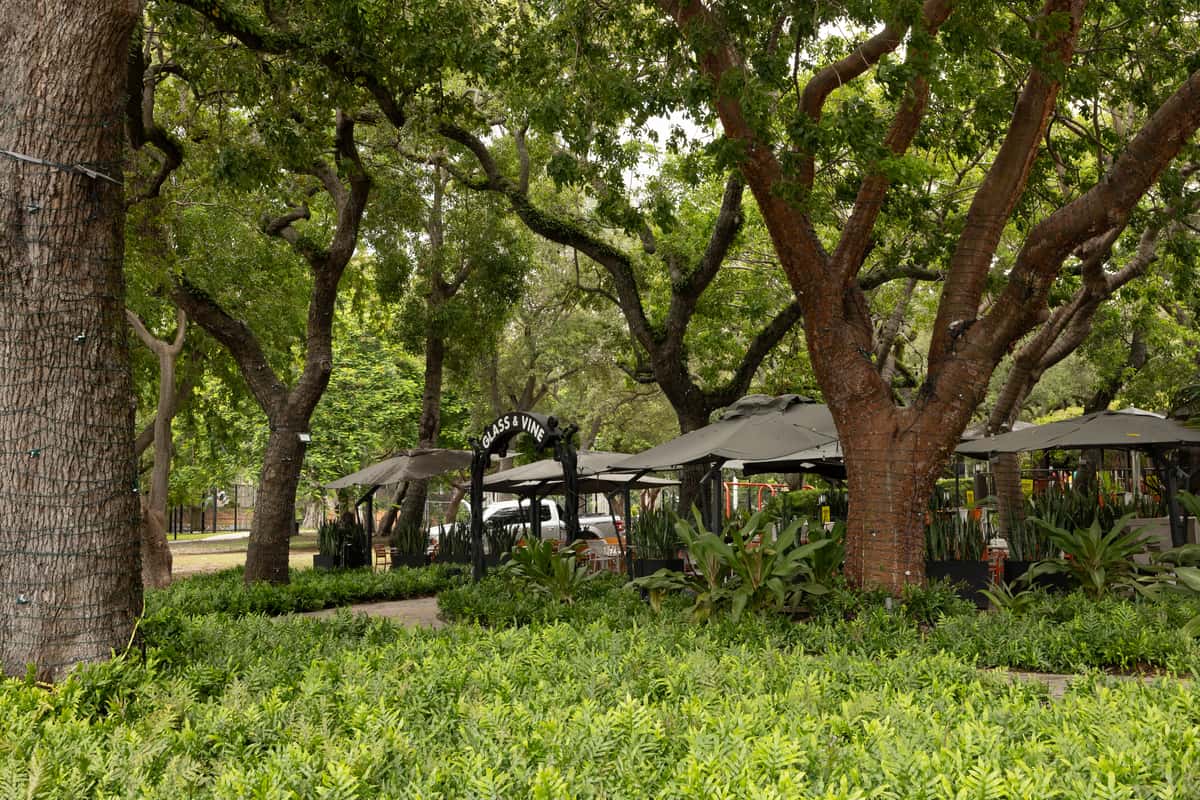
A natural setting enhances event atmosphere by immersing guests in living greenery, open skies, and fresh air that no interior design can replicate. In Miami, tropical landscaping create a sensory experience where the venue itself becomes part of the decor. Mature tree canopies, flowering plants, and ocean breezes establish an emotional tone that feels both celebratory and relaxed.
This organic ambiance reduces the need for heavy decorations, since the environment provides its own visual richness. For events like weddings, corporate retreats, or milestone celebrations, that connection to nature encourages guests to linger, socialize, and engage more freely than they might within four walls.
Why Do Outdoor Venues Offer More Flexible Layouts?
Outdoor venues offer more flexible layouts because open-air spaces lack fixed walls, permanent seating, and rigid floor plans. Event planners can configure seating, staging, and flow zones to match the exact guest count and event style.
According to the City of Miami, Peacock Park alone spans more than 9 acres and provides both outdoor and indoor recreational areas. That kind of acreage allows hosts to scale from intimate gatherings of 40 to large celebrations exceeding 200 guests without switching venues. Key layout advantages include:
- Adjustable ceremony and reception footprints within a single site.
- Open sightlines that accommodate standing cocktail formats or seated dinners equally well.
- Room for supplementary zones like lounges, dance floors, or children's play areas.
This spatial freedom is one of the strongest practical reasons to choose an outdoor setting in Miami.
How Does Natural Lighting Benefit Event Photography?
Natural lighting benefits event photography by providing soft, diffused illumination that produces richer skin tones, more accurate colors, and greater depth in images. Miami's abundant sunshine, combined with golden-hour light reflecting, gives photographers a dynamic range that artificial strobes struggle to match.
During daytime ceremonies, open-air settings eliminate harsh overhead fluorescents and mixed color temperatures common indoors. As the sun descends, the warm, directional glow creates flattering backlit portraits without additional equipment. For planners who prioritize visual documentation, this is a meaningful advantage; professional-quality results often come more naturally outdoors, reducing both editing time and supplemental lighting costs.
With natural lighting and flexible layouts established, the next step is understanding what indoor venues bring to the table.
What Are the Key Advantages of Indoor Event Spaces in Miami?
The key advantages of indoor event spaces in Miami include reliable climate control, superior audiovisual capabilities, and streamlined logistics. These benefits matter especially in a city where heat and humidity can challenge outdoor gatherings.
How Does Climate Control Improve Guest Experience?
Climate control improves guest experience by maintaining consistent temperature and airflow regardless of Miami's tropical weather. When outdoor temperatures regularly exceed 90°F with high humidity from May through October, air-conditioned interiors keep guests comfortable throughout multi-hour events. According to The Grange Hall Ohio's venue comparison guide, indoor venues simplify climate control and accessibility for elderly guests or children. This comfort factor is particularly valuable for formal occasions where guests wear suits, gowns, or other attire unsuited to South Florida heat. Reliable temperature management also protects sensitive elements like floral arrangements, chocolate displays, and tiered cakes that would wilt or melt outdoors.
Why Are Indoor Venues Easier for Audiovisual Production?
Indoor venues are easier for audiovisual production because enclosed walls and ceilings create a controlled environment for sound, lighting, and projection. Outdoor settings force planners to compete with ambient noise, wind interference, and shifting sunlight, all of which degrade audio clarity and screen visibility. Indoor spaces in Miami, such as the Mr. C Coconut Grove Starlight Ballroom with its 2,500 square feet of event space, offer built-in infrastructure for speakers, microphones, and projectors. Permanent electrical systems eliminate the need for rented generators. For corporate presentations, live entertainment, or events requiring precise lighting cues, an enclosed venue delivers far more consistent results than any open-air alternative.
How Do Indoor Spaces Simplify Event Logistics?
Indoor spaces simplify event logistics by consolidating essential services under one roof. Parking access, restroom facilities, storage areas, and catering kitchens are typically integrated into the venue's floor plan, reducing the need for external rentals. According to the Thursford Garden Pavilion, indoor venues provide a controlled environment, privacy, and versatility in decor. Setup and teardown timelines also become more predictable when weather is not a variable; vendors can load equipment without worrying about rain delays or wind damage. For planners coordinating multiple vendors in Miami, this predictability translates directly into fewer last-minute changes and lower contingency costs.
With indoor advantages clear, understanding which event types benefit most from each setting helps narrow the right venue choice.
What Types of Events Work Best Outdoors in Miami?
Outdoor event spaces in Miami suit weddings, cocktail receptions, corporate retreats, and family celebrations. The best results depend on timing and guest count, which the following sections address.
Which Months Are Ideal for Outdoor Events in Miami?
The ideal months for outdoor events in Miami are November through April. During this dry season, temperatures average in the mid-70s, humidity drops noticeably, and afternoon rain showers become far less frequent. These conditions allow planners to rely on open-air setups without heavy weather contingencies.
May through October brings Miami's rainy season, when daily thunderstorms can appear with little warning. Events held during summer months typically require covered backup areas or tent rentals, which add cost and logistical complexity. For anyone prioritizing a seamless outdoor experience, scheduling between late fall and early spring remains the safest choice.
What Size Gatherings Suit Outdoor Spaces in Coconut Grove?
Outdoor spaces in Coconut Grove accommodate a wide range of gathering sizes, from intimate dinners to large-scale celebrations. According to the City of Miami, Peacock Park spans more than 9 acres, offering extensive room for community events and private functions alike.
Smaller gatherings of 40 to 60 guests work particularly well in semi-private garden settings, where the atmosphere stays personal without feeling sparse. Larger cocktail-style events of 200 to 300 guests benefit from Coconut Grove's open layouts, which allow natural crowd flow between stations. The neighborhood's tree-canopied parks and waterfront proximity give even mid-size events a grand, memorable feel that enclosed venues struggle to replicate.
Knowing which gathering size fits your preferred setting makes comparing venue costs and logistics much easier.
What Types of Events Work Best Indoors in Miami?
The types of events that work best indoors in Miami include corporate conferences, audiovisual-heavy presentations, formal galas, and celebrations scheduled during the June-through-October rainy season. Indoor venues provide climate control, built-in infrastructure, and weather reliability that certain event formats require. According to The Grange Hall Ohio's venue guide, indoor venues simplify parking, restrooms, climate control, and accessibility for elderly guests or children, making them especially practical for events with diverse attendee needs.
- Corporate conferences and seminars benefit from enclosed acoustics, projection screens, and reliable Wi-Fi that indoor spaces supply as standard.
- Weddings during hurricane season avoid last-minute weather disruptions when held inside a ballroom or enclosed dining room.
- Formal galas and award ceremonies require controlled lighting, sound systems, and temperature settings that only indoor environments guarantee.
- Product launches and media events depend on precise audiovisual setups, branded decor, and blackout capability that outdoor settings rarely accommodate.
- Private dinners for elderly guests or young children run more smoothly indoors, where accessibility, restroom proximity, and comfortable temperatures are built in.
For planners weighing indoor reliability against outdoor ambiance, some Miami venues blend both qualities under one roof.
How Should You Compare Costs for Outdoor Vs Indoor Venues?
You should compare costs for outdoor vs indoor venues by evaluating base rental fees alongside setting-specific hidden expenses. The sections below break down rental pricing differences, outdoor hidden costs, and indoor hidden costs.
How Does Venue Rental Pricing Differ by Setting?
Venue rental pricing differs by setting based on what the base fee includes. Indoor venues typically bundle climate control, lighting, restrooms, and parking into one rate, while outdoor venues often quote a lower base price that excludes those essentials. According to EventUp, prices typically range from $500 to $10,000 per day for event venues in Miami, with wide variation depending on the setting and included amenities.
Outdoor spaces in parks or gardens may charge less upfront, but the quoted rate rarely covers infrastructure. Indoor ballrooms and convention centers, by contrast, fold operational costs into a higher flat fee. When comparing quotes, the most reliable approach is requesting an itemized breakdown from each venue so you can evaluate true all-in costs rather than misleading base numbers.
What Hidden Costs Come With Outdoor Event Spaces?
The hidden costs that come with outdoor event spaces include infrastructure and weather-related contingencies not covered by base rental fees. Because outdoor venues lack built-in facilities, planners must budget separately for several additions:
- Tent or canopy rentals to protect against Miami's rain and intense sun.
- Portable restroom trailers when permanent facilities are unavailable.
- Generator rentals for lighting, sound equipment, and catering power needs.
- Permit fees required by many Miami parks and public outdoor spaces.
- Pest control treatments, especially during warmer months.
These line items can add thousands to the final bill. Outdoor venues offer natural beauty and spacious accommodations, as noted by Riverbend Ranch, but planners who fail to account for supplemental infrastructure often face budget overruns that erode the initial savings of a lower base rate.
What Hidden Costs Come With Indoor Event Spaces?
The hidden costs that come with indoor event spaces typically involve overtime charges, décor upgrades, and vendor restrictions. Indoor venues may require planners to use approved caterers or in-house bar service at premium pricing, limiting flexibility. Additional fees to watch for include:
- Overtime surcharges when events run beyond contracted hours.
- Room-flip or setup fees for rearranging furniture between ceremony and reception.
- Mandatory service charges and gratuities added on top of food and beverage minimums.
- Corkage fees if outside alcohol is permitted at all.
- Parking validation or valet costs not included in the rental package.
For most Miami event planners, building a side-by-side spreadsheet of base rental plus every hidden line item is the only reliable way to make an accurate cost comparison between settings.
With costs mapped out clearly, having a solid backup plan ensures your outdoor event stays on track regardless of weather.
What Backup Plans Should You Have for Outdoor Events?
Backup plans for outdoor events should address weather disruptions, guest comfort, and logistical continuity. The essentials include weather contingency structures, communication protocols, and venue flexibility.
Every outdoor event in Miami needs a rain plan, a heat mitigation strategy, and a timeline adjustment protocol. Miami's subtropical climate makes afternoon thunderstorms common from June through October, so treating backup planning as optional is a mistake that even experienced hosts make. The most resilient outdoor events build contingencies into the original plan rather than scrambling to react.
Essential backup measures for outdoor events include:
- Tent or canopy reservations secured at least four to six weeks before the event date to guarantee availability during peak season.
- Indoor overflow space confirmed with the venue in advance, ideally an adjacent covered area that keeps guests close to the original setting.
- A weather monitoring protocol starting 72 hours before the event, with a clear decision point for activating the backup plan.
- Guest communication templates pre-written for email and text, ready to send if the venue, timeline, or layout changes.
- Portable climate comfort supplies such as fans, misting stations, and shaded seating areas to manage Miami's heat and humidity.
- Vendor rain clauses written into contracts for caterers, photographers, and entertainment, specifying responsibilities if conditions shift.
Choosing a venue with built-in flexibility reduces the need for costly standalone contingencies. Semi-covered spaces, retractable awnings, or garden venues with adjacent indoor options let hosts pivot without relocating entirely. For anyone planning an outdoor gathering in Coconut Grove or greater Miami, asking the venue about their specific weather protocol during the tour should be a non-negotiable step.
Beyond weather, food and drink options play an equally important role in shaping the guest experience.
How Do You Evaluate an Event Venue's Food and Drink Options?
You evaluate an event venue's food and drink options by assessing menu flexibility, catering structure, beverage packages, and how well the cuisine fits your event style. Key factors include whether the venue handles food in-house or requires outside caterers, dietary accommodation range, and per-guest pricing transparency.
When comparing outdoor and indoor event spaces in Miami, food service logistics differ significantly between settings. Outdoor venues may face temperature-related food safety constraints, while indoor spaces typically offer full kitchen infrastructure. The following considerations help you make an informed comparison:
- In-house catering vs. external vendors: Venues with on-site kitchens and dedicated culinary teams simplify coordination and often deliver more consistent quality. Outside catering adds vendor management, rental fees, and potential liability concerns.
- Menu customization and dietary options: Look for venues that accommodate allergies, vegan or kosher requests, and culturally specific menus. A flexible kitchen signals operational maturity.
- Beverage program depth: Evaluate whether the venue offers curated cocktail, beer, and wine lists or only basic bar packages. A strong beverage program elevates the guest experience considerably.
- Service style compatibility: Plated dinners, buffet stations, passed hors d'oeuvres, and family-style service each require different spatial layouts. Confirm the venue supports your preferred format in its specific setting, whether open-air or enclosed.
- Per-guest pricing structure: Transparent per-person pricing with clear inclusions prevents budget surprises. Ask whether tax, gratuity, and service charges are bundled or added separately.
- Food safety in outdoor settings: Miami's heat demands careful attention to perishable items at outdoor venues. Confirm that the venue has protocols for temperature control, shaded service stations, and timely food rotation.
A venue where culinary excellence is central to the experience, rather than an afterthought, consistently produces more memorable events. Prioritizing food and drink quality during your venue search often matters more than decor or layout, since guests remember what they ate and drank long after other details fade.
With food and beverage priorities established, knowing the right questions to ask during a venue walkthrough ensures nothing gets overlooked.
What Questions Should You Ask When Touring Miami Venues?
The questions you should ask when touring Miami venues cover capacity limits, weather contingencies, catering flexibility, and total cost transparency. Preparing a focused checklist before each site visit ensures no critical detail gets overlooked.
The following questions address the most important areas to evaluate during a venue walkthrough:
- What is the maximum guest capacity for both seated and standing arrangements? Venue capacities in Miami vary dramatically. According to Tagvenue, Mana Wynwood Convention Center accommodates up to 11,000 seated or 12,000 standing guests, while intimate garden restaurants may cap at a few hundred. Confirming both configurations prevents overcrowding or wasted space.
- What is the rain backup plan for outdoor spaces? Miami's weather demands a clear contingency. Ask whether the venue provides covered areas, tent options, or an indoor alternative included in the rental fee.
- Are there noise ordinances or time restrictions? Outdoor venues in neighborhoods like Coconut Grove may have sound curfews that affect live music or DJ sets. Clarify end times and decibel limits before signing a contract.
- What does the rental fee include, and what costs extra? Ask specifically about tables, chairs, linens, lighting, AV equipment, and staffing. A lower base price often masks significant add-on charges.
- Can you accommodate dietary restrictions and custom menus? Venues with in-house kitchens typically offer more flexibility than those requiring outside catering. Confirm whether the chef can adjust menus for allergies, cultural preferences, or themed events.
- What is the vendor policy for outside catering, florals, and entertainment? Some venues restrict outside vendors or charge a service fee. Understanding these rules early prevents planning conflicts.
- Is there on-site parking, and what is the valet or lot capacity? Guest arrival logistics shape first impressions. Limited parking may require shuttle coordination or rideshare staging areas.
In my experience, the single most revealing question is simply asking to see the space during an event in progress, or at minimum during the same time of day your event would run. Lighting, noise levels, and energy shift considerably between a quiet Tuesday morning tour and a Saturday evening in full swing.
With a thorough venue checklist complete, the right setting can transform any gathering into something memorable.
How Does an Open-Air Garden Venue in Coconut Grove Elevate Your Event?
An open-air garden venue in Coconut Grove elevates your event by combining lush tropical scenery, flexible capacity, and a distinctive atmosphere that indoor-only spaces cannot match. Below, explore how Glass & Vine fits this role and the essential takeaways for choosing between outdoor and indoor settings.
Can Glass & Vine's Garden Setting Host Your Next Miami Event?
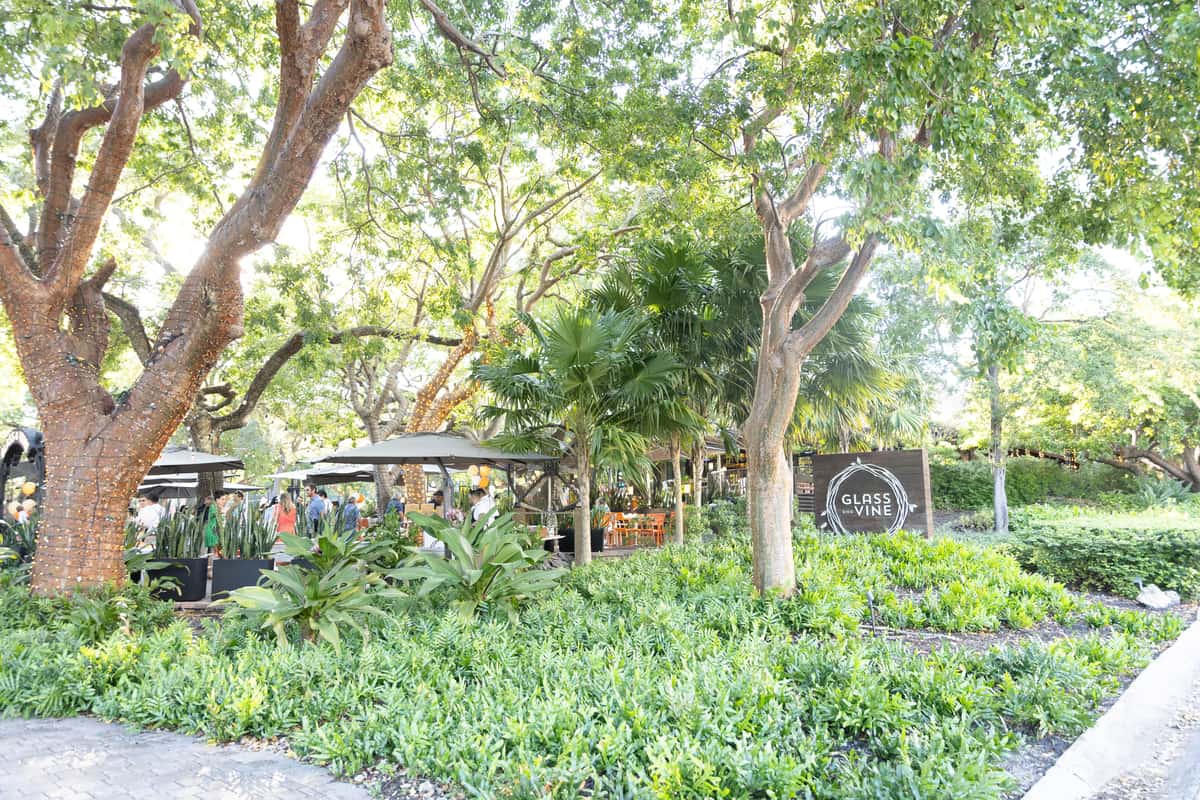
Yes, Glass & Vine's garden setting can host your next Miami event. Nestled beneath the shade of Peacock Park's oak canopy, Glass & Vine offers semi-private dining for 40 seated or 60 cocktail guests, along with a full buyout option accommodating 200 seated or 300 cocktail guests. This range of configurations suits intimate gatherings and large celebrations alike.
For context, Miami event venue pricing typically ranges from $500 to $10,000 per day, according to EventUp. Glass & Vine's open-air format delivers the natural beauty of a garden setting with on-site food and beverage service, eliminating the need for separate catering contracts. That combination of built-in hospitality and flexible outdoor space is difficult to find elsewhere in Coconut Grove at comparable scale.
What Are the Key Takeaways for Choosing Between Outdoor and Indoor Event Spaces in Miami?
The key takeaways for choosing between outdoor and indoor event spaces in Miami center on five practical considerations:
- Climate preparedness: Miami's heat, humidity, and rainy season demand backup plans for any outdoor event, whether tenting, covered patios, or indoor rain alternatives.
- Guest comfort priorities: Indoor venues simplify climate control and accessibility, while outdoor spaces offer atmosphere and natural lighting that photographs capture well.
- Budget alignment: Outdoor venues can reduce decor costs through natural scenery, but may add expenses for weather contingencies, portable restrooms, or generators.
- Event type and size: Large-format corporate events often benefit from indoor audiovisual infrastructure, whereas weddings, brunches, and social gatherings thrive outdoors.
- Food and beverage integration: Venues like Glass & Vine that pair an open-air setting with a full kitchen streamline logistics and reduce coordination between separate vendors.
The strongest choice balances your guest count, season, and desired atmosphere against the practical realities of each setting.