
Outdoor Event Aesthetic Trends Miami: Fresh Ideas
Outdoor Event Aesthetic Trends Miami: Fresh Ideas
Outdoor event aesthetic trends in Miami are design styles shaped by the city's year-round tropical climate, coastal geography, and culturally diverse hospitality market. With 28.3 million visitors in 2025 and a $32.2 billion tourism economy, Miami generates constant demand for distinctive outdoor gatherings that push creative boundaries.
This guide covers popular aesthetic styles, climate-responsive design strategies, color and décor selection, venue matching, and sustainability practices for outdoor events in Miami.
Six aesthetic approaches to consider are tropical garden, coastal minimalist, bohemian luxe, Old Florida glamour, modern tropical brutalist, and eco-natural. Each draws on Miami's native landscape and architectural identity differently, from lush orchid-and-monstera installations to raw concrete softened by geometric plantings.
Climate drives every material and layout decision. Average heat-index values at Miami International Airport reach 90.5°F in August, morning humidity typically exceeds 80%, and approximately 69% of annual rainfall occurs during the summer season. These conditions require UV-stable textiles, corrosion-resistant metals, salt-tolerant greenery, and built-in rain contingency zones.
Color palettes split sharply between daytime and evening events. High-saturation corals, citrus tones, and sea-glass greens hold their impact under direct subtropical sun, while deep jewel tones and metallic accents gain richness under candlelight and string lighting after sunset.
Venue selection, whether waterfront, garden, or urban rooftop, determines how much supplemental décor an event actually needs. Garden settings with mature canopy cover and waterfront properties with natural horizon lines consistently reduce design overhead while amplifying aesthetic impact.
Sustainability is now a baseline expectation rather than an optional upgrade. Florida's county recycling mandates, federal food-waste reduction goals, and native plant sourcing through verified university databases all shape how planners execute within these spaces.
Why Is Miami Leading Outdoor Event Aesthetic Innovation?
Miami is a setting for outdoor event aesthetic innovation because its unique combination of subtropical climate, massive tourism economy, and culturally diverse population creates opportunities for outdoor design. According to the Greater Miami Convention & Visitors Bureau's June 2026 release, 2025 brought 28.3 million visitors and $32.2 billion in total economic impact, with visitor spending reaching $22.7 billion (up 4.1% from 2024) and the tourism industry supporting more than 216,000 jobs, representing 10% of all employment in Miami-Dade County.
That volume of visitors, combined with a population of over 2.8 million residents in Miami-Dade County, may support demand for distinctive outdoor gatherings. Event planners and designers working in this market face pressure to differentiate, pushing creative boundaries across florals, lighting, furniture, and spatial layout. Few cities offer the same convergence of factors: a climate that permits outdoor events nearly every month, a deep pool of international design influences drawn from Latin American, Caribbean, and European traditions, and a hospitality infrastructure built to serve millions. For event professionals, this ecosystem can encourage experimentation over repetition, making Miami a potential source of emerging outdoor aesthetic trends that may attract wider interest.
What Are the Most Popular Outdoor Event Aesthetics in Miami?
The most popular outdoor event aesthetics in Miami are tropical garden, coastal minimalist, bohemian luxe, Old Florida glamour, modern tropical brutalist, and eco-natural. Each style draws on the city's natural landscape, architecture, and climate in distinct ways.
Tropical Garden Aesthetic
The tropical garden aesthetic uses lush foliage, layered greenery, and vibrant blooms to create immersive outdoor spaces. This style suits Miami's year-round growing season, where planners can source from an exceptionally deep plant inventory. A 2024 systematic review published in Intelligent Buildings International found that greenery, nature views, and visual comfort produced the largest positive effect sizes among biophilic design patterns studied.
Key elements of a tropical garden event include:
- Oversized palm arrangements and monstera leaf installations as backdrops
- Dense orchid clusters in jewel tones for table centerpieces
- Canopy-style overhead greenery that filters natural sunlight
- Moss and fern ground cover replacing traditional aisle runners
For planners considering this style, tropical garden is arguably the most forgiving aesthetic in Miami because the surrounding environment already does much of the design work.
Coastal Minimalist Aesthetic
The coastal minimalist aesthetic pairs clean lines and neutral tones with subtle ocean-inspired textures. White linen, bleached wood, and soft sand tones define the palette, while design restraint keeps each element intentional. According to the University of Florida Institute of Food and Agricultural Sciences, plants within roughly one-eighth of a mile of saltwater coasts should have at least some salt tolerance; species such as muhly grass, sea oats, and beach sunflower are recommended.
Core features of coastal minimalist events include:
- Streamlined furniture in white or natural wood finishes
- Salt-tolerant greenery like Fakahatchee grass as living décor
- Sheer, flowing fabric accents rather than heavy drapery
- A restrained color palette of ivory, driftwood gray, and seafoam
This aesthetic works particularly well at waterfront locations where the scenery speaks for itself and overdesigning would compete with the view.
Bohemian Luxe Aesthetic
The bohemian luxe aesthetic blends eclectic, free-spirited design with elevated materials and finishes. Layered textiles, mixed metallics, macramé installations, and rich jewel tones distinguish this style from casual boho. In Miami's outdoor settings, the warmth of ambient candlelight and woven textures creates an intimate atmosphere even in large-capacity spaces.
Signature bohemian luxe elements include:
- Moroccan-style lanterns and brass accent pieces
- Velvet lounge furniture in deep emerald, burgundy, or mustard
- Woven rattan arches and hanging installations
- Mismatched vintage tableware for curated imperfection
This style rewards layering, so planners who invest in textural variety across furniture, linens, and overhead installations create the strongest visual impact.
Old Florida Glamour Aesthetic
The Old Florida glamour aesthetic draws on Miami's historic architecture, Art Deco heritage, and mid-century elegance. Coral stone, wrought iron, and tropical motifs define this style, often paired with champagne, blush, and gold palettes. Vizcaya Museum and Gardens, a nonprofit waterfront venue overlooking Biscayne Bay, publishes an evening base rental fee of $23,000 for 100 guests with a maximum capacity of 300.
Defining elements of Old Florida glamour include:
- Crystal chandeliers set against tropical foliage
- Vintage silver and gold serviceware
- Coral and ivory floral arrangements with garden roses
- Formal seating with cane-back chairs
Old Florida glamour demands a venue with architectural character. Without that foundation, the aesthetic risks feeling costumey rather than authentic.
Modern Tropical Brutalist Aesthetic
The modern tropical brutalist aesthetic merges raw concrete surfaces, geometric forms, and tropical plantings into a bold visual statement. Exposed structural materials serve as the design canvas, softened by strategic greenery and warm accent lighting. This style can reflect elements of Miami's contemporary architectural identity, using brutalist-inspired forms as a design influence.
Hallmarks of this aesthetic include:
- Unfinished concrete or stone as intentional backdrop surfaces
- Oversized tropical plants in angular, minimalist planters
- Monochromatic palettes with single-color floral accents
- Sculptural furniture pieces that double as art installations
This aesthetic suits event producers seeking strong visual contrast and a gallery-like atmosphere outdoors.
Eco-Natural Aesthetic
The eco-natural aesthetic prioritizes sustainability, native plantings, and minimal environmental impact in event design. The University of Florida's Florida-Friendly Landscaping Plant Guide catalogs 500 regionally appropriate species with data on drought tolerance, salt tolerance, and wildlife benefits, giving planners a substantial sourcing foundation.
Core eco-natural design principles include:
- Native Florida species replacing imported floral arrangements
- Compostable or reusable serviceware and décor
- Reclaimed wood furniture and natural fiber textiles
- Potted plant centerpieces guests can take home
As climate awareness may influence guest expectations, eco-natural can appeal to sustainability-conscious clients planning Miami outdoor events.
What Color Palettes Define Miami Outdoor Events Right Now?
The color palettes defining Miami outdoor events right now shift based on time of day and season. Daytime events favor sun-resilient, high-contrast tones, while evening gatherings lean into deeper, moodier hues. Seasonal transitions further refine these choices.
What Colors Work Best for Daytime Outdoor Events in Miami?
The colors that work best for daytime outdoor events in Miami are warm whites, soft corals, sea-glass greens, and saturated citrus tones. These shades hold their visual impact under intense subtropical sunlight, where pastel and muted colors tend to wash out.
Because Miami's direct sun flattens low-contrast palettes, pairing a bright accent color against neutral linen or natural wood keeps tablescapes and installations readable from a distance. High-saturation florals in mango, hibiscus pink, or ocean turquoise photograph well without filtering. Since the City of Miami limits certain permitted special events to no more than four per calendar year on the same private property, each lasting a maximum of seven consecutive days, planners should confirm permit applicability and plan palette choices deliberately.
What Color Palettes Suit Evening Outdoor Events in Miami?
The color palettes that suit evening outdoor events in Miami are deep jewel tones, such as emerald, sapphire, burgundy, and burnished gold. These richer hues absorb ambient light rather than competing with it, creating visual depth once the sun sets.
Candlelight and string lighting intensify warm metallics and dark greens in ways that cooler daytime palettes simply cannot replicate. Venues like Vizcaya Museum and Gardens, which accommodates up to 300 seated guests on its East Terrace overlooking Biscayne Bay, demonstrate how historic waterfront backdrops pair naturally with moody, saturated palettes. Layering velvet textures in plum or navy against gold flatware produces a dimensional richness that flat color alone cannot achieve. For most evening events, anchoring the palette around one dominant jewel tone with metallic accents yields a more cohesive result than spreading across too many competing colors.
What Seasonal Color Shifts Matter for Miami Events?
The seasonal color shifts that matter for Miami events follow the city's wet and dry seasons rather than traditional four-season cycles. From November through April, the dry season invites lighter, crisper palettes: sandy neutrals, bright whites, and tropical greens that mirror the comfortable outdoor conditions. These months offer lower humidity and softer light, allowing delicate fabrics and lighter tones to maintain their intended appearance.
From May through October, Miami's wet season brings intense afternoon storms and elevated humidity. Deeper, more saturated colors, such as tropical teal, bougainvillea magenta, and palm green, perform better during this period because they resist the visual dulling that moisture-heavy air creates. Choosing fade-resistant materials in these bolder shades also protects the investment when UV exposure peaks.
Understanding décor elements beyond color further refines the overall event aesthetic.
What Décor Elements Are Trending for Outdoor Events in Miami?
Trending décor elements for outdoor events in Miami include energy-efficient LED lighting, lush tropical florals, climate-resistant furniture, and performance textiles designed for heat and humidity. The sections below cover lighting, floral arrangements, seating styles, and fabric choices.
What Lighting Trends Elevate Miami Outdoor Event Spaces?
Lighting trends that elevate Miami outdoor event spaces center on LED technology, layered fixture design, and warm ambient arrangements. According to the U.S. Department of Energy's LED Adoption Report, outdoor lighting has seen 51.4% LED penetration, compared to 29.8% for indoor lighting.
For Miami events, this shift translates into practical advantages:
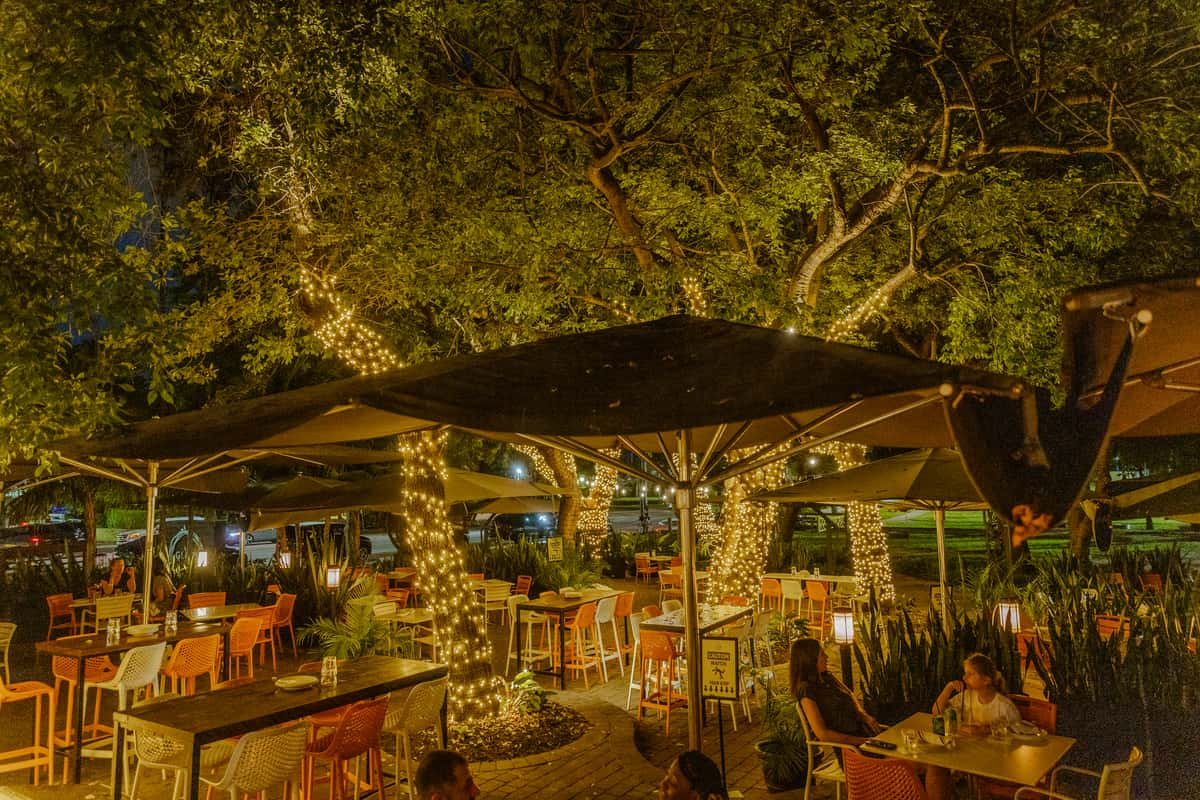
- String lights and Edison-style LED bulbs create warm canopy effects under trees.
- Uplighting on palms and tropical foliage adds dramatic vertical dimension.
- LED lanterns and wireless fixtures simplify setup across park and waterfront venues.
- Color-tunable LEDs allow transitions from golden sunset tones to cooler evening hues.
Planners working in Miami's outdoor venues should note that tent fire-safety and building-permit reviews depend on the applicable jurisdiction and tent dimensions, which can affect where powered lighting rigs can be installed. Wireless, battery-operated LED options often simplify compliance while maintaining visual impact.
What Floral and Greenery Arrangements Are Most Popular?
The most popular floral and greenery arrangements for Miami outdoor events feature tropical species that thrive in South Florida's heat and humidity. The University of Florida's Florida-Friendly Landscaping Plant Guide catalogs over 500 regionally adapted species with data on drought tolerance, salt tolerance, and wildlife benefits.
Arrangements trending in this market include:
- Oversized monstera and palm leaf installations as ceremony backdrops.
- Orchid and heliconia centerpieces that hold up in high humidity.
- Trailing greenery on arches and pergolas using pothos and philodendron.
- Native wildflower mixes for eco-conscious tablescapes.
Choosing species already adapted to South Florida conditions reduces wilting risk and supports a more sustainable supply chain. From a design perspective, locally sourced tropical greenery consistently outperforms imported florals in outdoor Miami settings because the arrangements maintain their structure throughout multi-hour events.
What Furniture and Seating Styles Define the Look?
Furniture and seating styles that define the look of Miami outdoor events blend natural materials with clean, modern silhouettes. Rattan and wicker lounge sets, acrylic ghost chairs, and teak farm tables are among the most requested pieces for garden and waterfront settings.
Key style categories include:
- Rattan and cane lounge groupings for cocktail areas.
- Cross-back wooden chairs for garden-style seated dinners.
- Acrylic or lucite seating that keeps sightlines open in scenic venues.
- Mixed-material pieces combining metal frames with woven seats.
Selecting UV-resistant and moisture-tolerant materials is essential. A peer-reviewed study published in Polymers (MDPI) found that accelerated UV-weathering cycles of just 14 days for the polyethylene film studied approximated 90 days of actual outdoor exposure in Florida, underscoring the potential for UV degradation in exposed materials.
What Textile and Fabric Choices Work in Miami's Climate?
Textile and fabric choices that work in Miami's climate prioritize moisture resistance, UV stability, and breathability. Solution-dyed acrylics, polyester blends, and outdoor-grade linens are the most practical options for tablecloths, draping, and cushion covers.
Performance characteristics to prioritize:
- Solution-dyed acrylic resists fading from intense UV exposure.
- Polyester microfiber repels moisture and dries quickly after rain showers.
- Open-weave linens allow airflow, reducing heat retention on tables and seating.
- Mildew-resistant treatments prevent odor and discoloration in sustained humidity.
Research indexed in PubMed Central confirms that solar ultraviolet radiation can damage the appearance and mechanical integrity of outdoor materials, causing yellowing, chalking, and cracking in some unprotected plastics. For Miami events, investing in textiles rated for outdoor performance is not optional; it is the difference between a polished presentation and visible deterioration by the end of the evening.
With the right décor elements selected, Miami's tropical climate becomes the next factor shaping every design decision.
How Does Miami's Tropical Climate Shape Event Design Choices?
Miami's tropical climate shapes event design choices by dictating material durability, layout flexibility, and lighting strategy. The subsections below cover heat and humidity effects on materials, rain contingency planning, and sunlight's role in aesthetic decisions.
How Do Heat and Humidity Affect Material Selection?
Heat and humidity affect material selection by accelerating degradation, warping, and mold growth in fabrics, woods, and finishes unsuitable for sustained moisture exposure. Miami's average morning relative humidity reaches 83% in August, according to the Florida Climate Center at Florida State University, while 1991–2020 heat-index averages at Miami International Airport climb to 90.5°F that same month.
These conditions demand specific material choices:
- Powder-coated aluminum and marine-grade stainless steel resist corrosion better than untreated iron or mild steel.
- Solution-dyed acrylic fabrics, such as Sunbrella, withstand moisture without mildew buildup.
- Teak and ipe hardwoods tolerate humidity swings that cause softer woods to crack or swell.
- Resin wicker outperforms natural rattan, which absorbs moisture and deteriorates rapidly.
Choosing climate-appropriate materials from the start prevents mid-event failures and costly replacements.
How Do Sudden Rain Showers Influence Layout Planning?
Sudden rain showers influence layout planning by requiring built-in contingency zones that protect guests and décor without dismantling the design. A National Weather Service study of Miami International Airport records found a median summer season starting May 21 and ending October 17, with an average duration of 152 days and approximately 69% of annual precipitation occurring during the summer season.
Practical layout strategies include:
- Positioning key focal points, such as bars and lounge areas, under permanent pergolas or mature tree canopies.
- Specifying clear-span tents with open sidewalls that preserve airflow while blocking downpours.
- Elevating electrical connections and lighting controllers above splash zones on waterproof platforms.
- Keeping a flexible "swing space" that converts from open lawn to covered seating within minutes.
For an outdoor event in Miami between May and October, treating rain as a significant possibility rather than a remote contingency can produce more resilient designs.
How Does Natural Sunlight Change the Aesthetic Approach?
Natural sunlight changes the aesthetic approach by intensifying colors, creating harsh shadows, and shifting the visual mood dramatically between midday and golden hour. Miami receives strong direct sun for most of the year, which washes out pastel tones at noon yet deepens saturated hues during late afternoon.
Key adjustments include:
- Selecting deeper, richer fabric and floral tones that hold visual weight under bright overhead light.
- Using sheer canopy layers or sail shades to diffuse midday glare without blocking airflow.
- Scheduling ceremony or keynote moments for golden hour, when warm, angled light flatters skin tones and décor alike.
- Incorporating reflective surfaces, such as mirrored tabletops or metallic accents, sparingly to avoid uncomfortable glare.
Designing around the sun's arc, rather than ignoring it, turns Miami's intense light into a deliberate aesthetic asset rather than a liability. Understanding these climate factors helps planners select venues that already work with the environment.
What Venue Styles Best Showcase Outdoor Event Aesthetics?
The venue styles that best showcase outdoor event aesthetics are waterfront locations, garden settings, and urban rooftops. Each category offers distinct backdrops that amplify trending design elements differently.
What Makes Waterfront Venues Ideal for Trending Aesthetics?
Waterfront venues are ideal for trending aesthetics because they provide natural horizon lines, reflective water surfaces, and open sightlines that enhance nearly every décor style. Coastal minimalist palettes gain depth against bay or ocean backdrops, while tropical garden arrangements contrast beautifully with waterside settings. Natural light bouncing off the water creates a layered glow that reduces reliance on artificial fixtures during daytime events. Historic waterfront properties in Miami, such as Vizcaya Museum and Gardens, demonstrate how architecture and shoreline merge into a single visual statement. For planners prioritizing atmosphere with minimal added décor, few venue types deliver as much built-in drama as a waterfront site.
What Makes Garden-Setting Venues Stand Out for Events?
Garden-setting venues stand out for events because their mature canopy cover, lush plantings, and organic textures create an immersive environment that requires less supplemental décor. Overhead foliage filters harsh Miami sunlight, softening the light quality for both photography and guest comfort. Tropical garden, bohemian luxe, and eco-natural aesthetics all thrive where living greenery already forms the backdrop. A 2024 systematic review published in Intelligent Buildings International found that greenery and window views of nature produced the largest positive effect sizes among biophilic design patterns studied. Garden venues can reward planners who let the landscape do the visual work, potentially reducing supplemental décor needs for achieving a polished outdoor aesthetic in South Florida.
What Makes Urban Rooftop Venues Popular for Modern Looks?
Urban rooftop venues are popular for modern looks because they pair open-sky exposure with Miami's skyline as a ready-made backdrop. According to the City of Miami, no more than four special events may be permitted on the same private property per calendar year, each lasting a maximum of seven consecutive days. This permitting framework may affect scheduling for rooftop events that require the relevant permit. The elevated vantage point suits modern tropical brutalist and coastal minimalist aesthetics, where clean lines and geometric furniture contrast against the cityscape. Rooftops also offer unobstructed sunset views that shift the color palette naturally from golden hour into evening.
Choosing the right venue category sets the foundation; sustainable practices now shape how planners execute within these spaces.
How Are Sustainability Trends Shaping Miami Outdoor Events?
Sustainability trends are shaping Miami outdoor events through waste-reduction mandates, compostable décor materials, native plant sourcing, and food-waste prevention strategies driven by state and federal goals.
Florida law sets aggressive recycling targets for every county. According to the 2024 Florida Statutes (Section 403.706), each county must implement a recyclable materials recycling program with a goal reaching 75 percent by December 31, 2020. These benchmarks may encourage interest among event planners in compostable serviceware, reusable rental inventory, and décor sourced from reclaimed or biodegradable materials. Synthetic single-use decorations increasingly conflict with county compliance expectations.
Food waste compounds the challenge. The U.S. Environmental Protection Agency reports that 30 to 40 percent of the U.S. food supply is never eaten, making food waste the single most common material landfilled and incinerated nationally. For outdoor events in Miami's heat, where perishables spoil faster, pre-portioned service formats and donation partnerships with local food banks reduce both waste volume and disposal costs.
Material choices reflect this shift as well. The University of Florida's Florida-Friendly Landscaping Plant Guide catalogs 500 plants with information on drought and salt tolerance and regional suitability, giving planners a verified resource for selecting appropriate greenery. Choosing locally grown species also reduces spoilage during transport in Miami's heat and humidity.
Permit frameworks reinforce sustainable planning at the operational level. Miami-Dade Parks classifies special events by duration and attendance across five categories, from Class D events (1 day, up to 250 attendees) to Class A events (more than 7 days, fewer than 5,000 attendees). Each classification triggers requirements for site maps, waste management plans, and regulatory permits, embedding sustainability accountability into the approval process itself.
Globally, the pressure will only intensify. The United Nations Environment Programme projects municipal solid waste generation will grow from 2.1 billion tonnes in 2023 to 3.8 billion tonnes by 2050. For planners working in Miami's outdoor event market, integrating sustainability into the aesthetic concept from the start is no longer optional; it is the baseline expectation that clients, regulators, and guests now share. Understanding how presentation reinforces these values starts with food and drink styling choices.
What Food and Drink Presentation Styles Complement the Look?
Food and drink presentation styles that complement the look include grazing tables styled to match your color palette, plated courses with garnishes that echo your floral arrangements, and interactive stations designed around your event's theme. Below, key considerations for outdoor service in Miami are covered.
Miami's subtropical climate creates strict safety requirements for outdoor food service. According to the U.S. Food and Drug Administration, picnic food should not remain in the "danger zone" between 40°F and 140°F for more than two hours, or one hour if outdoor temperatures exceed 90°F. Given that Miami can experience outdoor air temperatures above 90°F from July through September, this one-hour window may apply to summer events when the actual temperature exceeds that threshold.
Presentation formats that protect food quality while reinforcing your aesthetic include:
- Grazing stations with climate controls: Chilled marble or slate display boards paired with appropriate refrigeration or ice can help keep cold items at 40°F or below while complementing coastal minimalist and eco-natural aesthetics.
- Passed small bites: Servers circulate dishes that spend minimal time at ambient temperature, ideal for tropical garden and bohemian luxe themes.
- Live cooking stations: Chefs prepare hot items to order, keeping food above 140°F and adding theatrical energy suited to modern tropical brutalist or Old Florida glamour events.
- Plated multi-course service: Each course arrives at proper temperature from the kitchen, offering the tightest food-safety control and the most refined presentation for formal seated events.
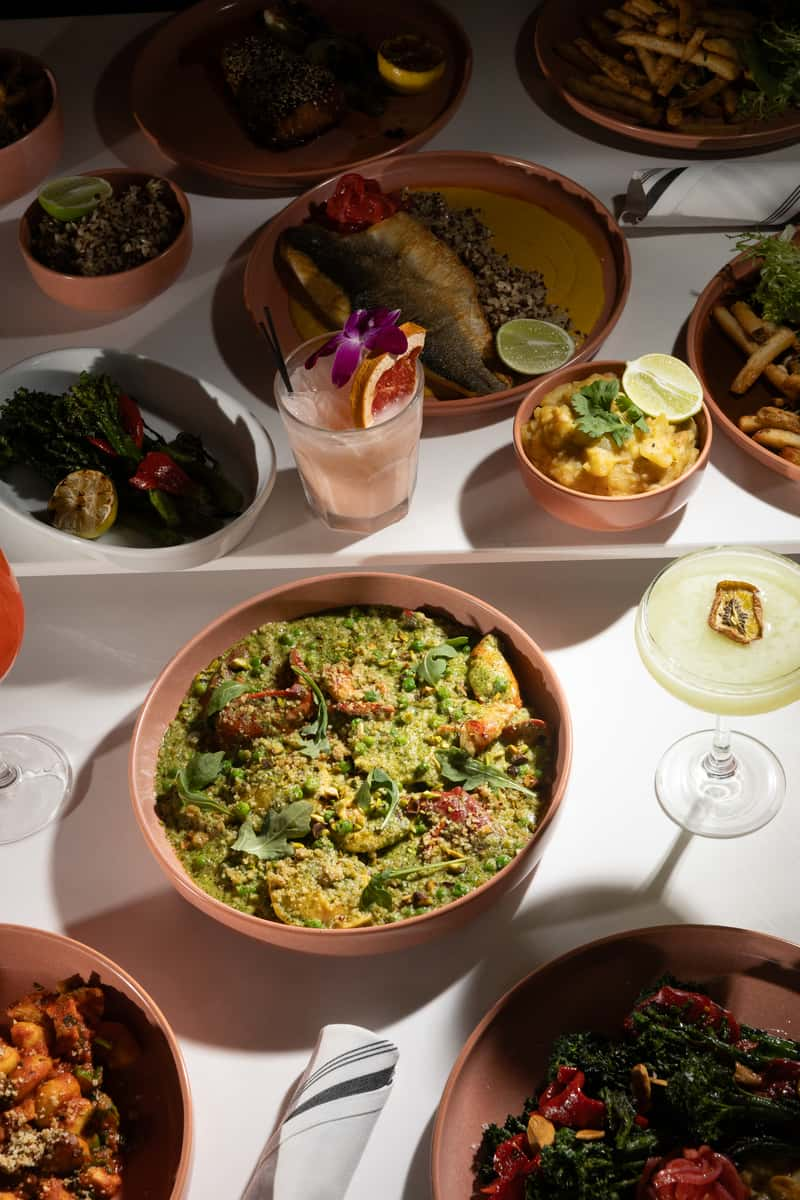
Drink presentation follows similar logic. Ice displays and chilled dispensers maintain safe temperatures for craft cocktails and infused waters, while their visual design can reinforce your chosen palette. Tropical garnishes like edible orchids and citrus wheels tie beverages into a garden-inspired look; clean glassware with minimal ornamentation supports a coastal minimalist feel.
For planners working in Miami's heat, building the service format around food safety first and then layering the aesthetic on top is the most reliable approach. Choosing beautiful platters means nothing if items are discarded after sitting out too long. With presentation and safety aligned, the next step is selecting the right overall aesthetic for your specific event type and guest count.
How Do You Choose the Right Aesthetic for Your Miami Event?
You choose the right aesthetic for your Miami event by matching the design style to your guest count, event purpose, and venue setting. The following subsections break down ideal aesthetics for intimate gatherings, large celebrations, and corporate outdoor events.
What Aesthetic Works Best for Intimate Gatherings?
The aesthetic that works best for intimate gatherings is one built around warmth, texture, and personal detail. Events under 50 guests benefit from styles like bohemian luxe or tropical garden, where layered textiles, lush greenery, and candlelit tablescapes create closeness without feeling sparse. Smaller guest counts allow planners to invest more per table in custom florals, handwritten details, and curated place settings that would be cost-prohibitive at scale.
Venue choice reinforces the aesthetic; garden settings with natural canopy cover, such as those beneath mature oaks, amplify the sense of seclusion. For intimate events in Miami, prioritizing richly detailed aesthetics over minimalist ones tends to yield the most memorable guest experiences, because every design element remains visible and felt at close range.
What Aesthetic Works Best for Large Celebrations?
The aesthetic that works best for large celebrations is one with bold visual impact that reads clearly across a wide venue footprint. Coastal minimalist and modern tropical brutalist styles may translate well at scale because their clean lines, oversized structural elements, and high-contrast color palettes can help maintain cohesion across larger open-air spaces.
Large celebrations benefit from statement lighting installations, monochromatic floral arrangements, and modular furniture layouts that define distinct zones for dining, socializing, and dancing. According to Miami-Dade County Parks, events of one to three days accommodating up to 2,000 attendees fall under Class C permitting, which requires insurance, site maps, and fire-safety review. Factoring permit logistics into the aesthetic plan early prevents costly last-minute design compromises.
What Aesthetic Works Best for Corporate Outdoor Events?
The aesthetic that works best for corporate outdoor events is one that balances brand alignment with venue-appropriate sophistication. Old Florida glamour and eco-natural styles both suit professional gatherings; the former conveys prestige through Art Deco accents and refined palettes, while the latter signals sustainability commitments through native plantings and compostable serviceware.
Corporate planners should prioritize:
- Neutral base palettes with branded accent colors woven into linens, signage, and floral choices.
- Modular lounge zones that encourage networking without rigid seated rows.
- Climate-conscious material selection, since Miami's heat and humidity degrade certain fabrics and finishes rapidly.
For most corporate hosts, the strongest aesthetic decision is the one guests associate with the brand long after the event ends. With aesthetic direction established, a garden-inspired venue can bring these design choices to life.
How Can a Garden-Inspired Outdoor Dining Venue Elevate Your Event?
A garden-inspired outdoor dining venue can elevate your event by providing a naturally immersive setting where lush landscaping, open-air ambiance, and refined hospitality converge. The sections below explore how Glass & Vine delivers this experience and summarize the key outdoor event aesthetic trends shaping Miami.
Can Glass & Vine's Open-Air Setting in Coconut Grove Bring Your Event Aesthetic to Life?
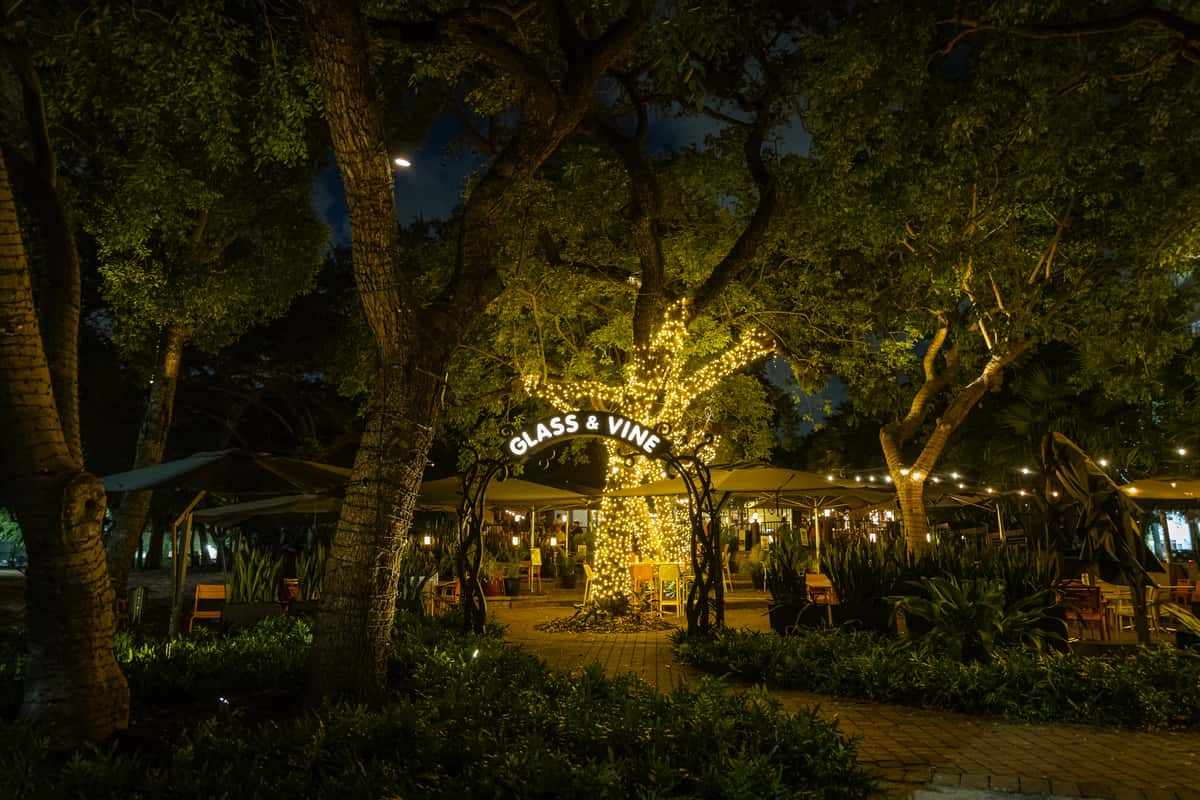
Yes, Glass & Vine's open-air setting in Coconut Grove can bring your event aesthetic to life. Nestled beneath the oak canopy of Peacock Park, Glass & Vine offers a garden-inspired atmosphere where natural shade, tropical greenery, and waterfront proximity create a ready-made backdrop for trending Miami aesthetics. The venue's relaxed yet refined character suits intimate gatherings, family celebrations, and corporate occasions without requiring heavy décor intervention. Glass & Vine may offer dining across multiple dayparts, while event planners should confirm private-event availability directly with the venue. For hosts seeking a setting where the environment does the design work, few Coconut Grove venues match this combination of historic parkland charm and modern culinary hospitality.
What Are the Key Takeaways About Outdoor Event Aesthetic Trends in Miami?
The key takeaways about outdoor event aesthetic trends in Miami center on climate-responsive design, native plant integration, and flexible venue selection. Miami's heat, humidity, and coastal salt exposure make material and botanical choices critical. According to the University of Florida Institute of Food and Agricultural Sciences, plants installed within about one-eighth of a mile of saltwater coasts should be at least somewhat salt tolerant; species such as beach sunflower, sea oats, and muhly grass perform well in these conditions.
The most actionable lessons from current trends include:
- Climate dictates décor materials, lighting placement, and layout contingency plans.
- Native and salt-tolerant greenery reduces maintenance while reinforcing a tropical aesthetic.
- Venue type, whether waterfront, garden, or rooftop, should align with the chosen aesthetic rather than force it.
- Sustainability practices, from waste reduction to locally sourced florals, increasingly influence guest expectations.
- Color palettes and textile selections must account for intense UV exposure and afternoon humidity.
Choosing a venue with built-in natural beauty, like a garden setting under mature tree canopy, remains the most efficient way to achieve a polished outdoor aesthetic in Miami's demanding climate.