
Midweek Dining Ideas When You Want Something Easy but Special
Midweek Dining Ideas When You Want Something Easy but Special
Midweek dining ideas are strategies for turning an ordinary Tuesday or Wednesday evening into something memorable without elaborate planning or extra effort. The best approaches focus on atmosphere, shareable food formats, and locations that do the work for you.
This guide covers why midweek dining deserves more than takeout, how to tailor your evening to your company, what cuisine and timing choices keep things easy yet elevated, how to choose the right restaurant, and why Coconut Grove stands out as an ideal setting.
More Americans are dining out on weeknights than ever before, with Wednesday reservations climbing year-over-year faster than any other day. The shift reflects a broader move toward treating weeknight meals as genuine occasions rather than afterthoughts.
Matching the experience to your group makes all the difference. Couples benefit from garden patios and curated cocktails; families need kid-friendly spaces with flexible pacing; friends thrive with communal plates and walkable neighborhoods; solo diners find their best seat at a welcoming bar with full menu access.
Locally sourced seasonal menus keep weeknight dining fresh without requiring diners to overthink their order, and choosing between small plates or a full dinner menu depends on whether the evening calls for casual exploration or a more structured meal.
Timing shapes the experience as much as the venue. Early arrivals secure the best outdoor tables, while later seatings unlock a quieter, more unhurried pace that weekends rarely allow.
Outdoor seating, walkability, and a focused drink program consistently separate a forgettable weeknight from a special one. In Coconut Grove, where tree-lined streets meet waterfront dining and a Walk Score of 81 keeps everything within a comfortable stroll, these elements come together naturally.
Why Does Midweek Dining Deserve More Than Takeout?
Midweek dining deserves more than takeout because it transforms an ordinary evening into a genuine experience, offering better atmosphere, connection, and variety than eating from a container on the couch. A growing number of Americans are proving this shift with their reservations.
According to OpenTable CEO Debby Soo, "We're seeing a new age of dining out that is more adventurous than years past, evidenced by diners embracing midweek dining, dining solo or with large groups, or upping the ante with a dining experience." The numbers back this up. OpenTable data reveals that 54% of Americans plan to dine out more in 2025 than they did in 2024, with Gen Z (71%) and Millennials (68%) leading the charge. Solo dining has climbed 10% year-over-year, while parties of six or more are up 8%, suggesting that weeknight outings now serve a wider range of social needs.
Beyond company, the setting matters. A 2024 Toast survey found that 54% of respondents are more likely to choose a restaurant with an outdoor dining area. When the alternative is reheating leftovers under fluorescent kitchen lights, even a simple patio table with fresh air changes the entire mood of a Tuesday or Wednesday night.
For anyone still defaulting to delivery apps midweek, the real cost is not just financial; it is the missed opportunity to slow down, sit somewhere inviting, and turn an otherwise forgettable evening into something worth remembering.
What Makes a Midweek Dinner Feel Special Without Extra Effort?
A midweek dinner feels special when the setting, food style, and drinks work together to create an experience beyond the ordinary. The right atmosphere, shareable plates, and a curated drink pairing each contribute without requiring extra planning.
How Does Atmosphere Elevate an Otherwise Ordinary Weeknight?
Atmosphere elevates an otherwise ordinary weeknight by shifting how you perceive the meal itself. Soft lighting, background music, and a thoughtfully designed space signal to your brain that this is an occasion, not just fuel. According to a BMI/NRG study, nearly 80% of survey respondents said they would stay longer if good music was playing, with close to 60% stating they would buy more food and drinks.
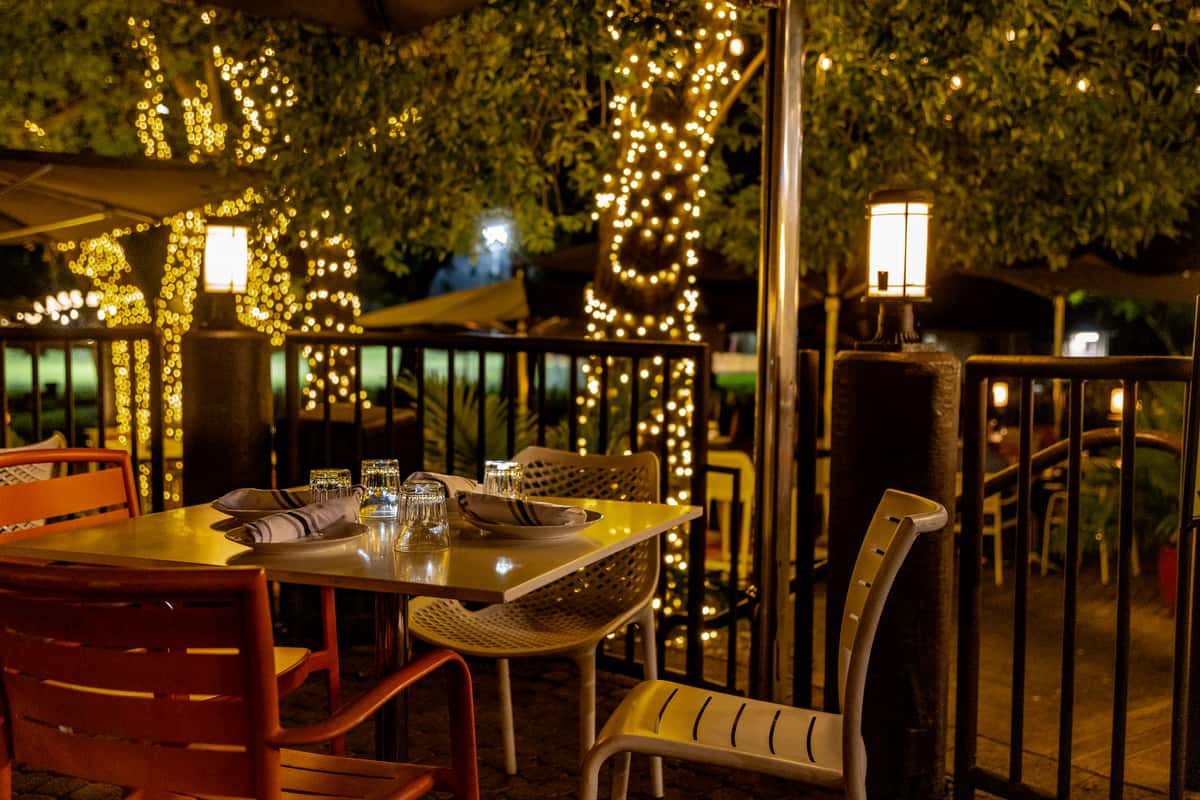
An open-air setting under a tree canopy or beside a waterfront amplifies this effect further. The sensory details, warm air, ambient sound, natural surroundings, do the work that elaborate planning would otherwise require. For most people, choosing a restaurant with strong atmosphere is the single easiest upgrade to a Tuesday or Wednesday night.
Why Do Shareable Plates Make Midweek Meals Feel More Relaxed?
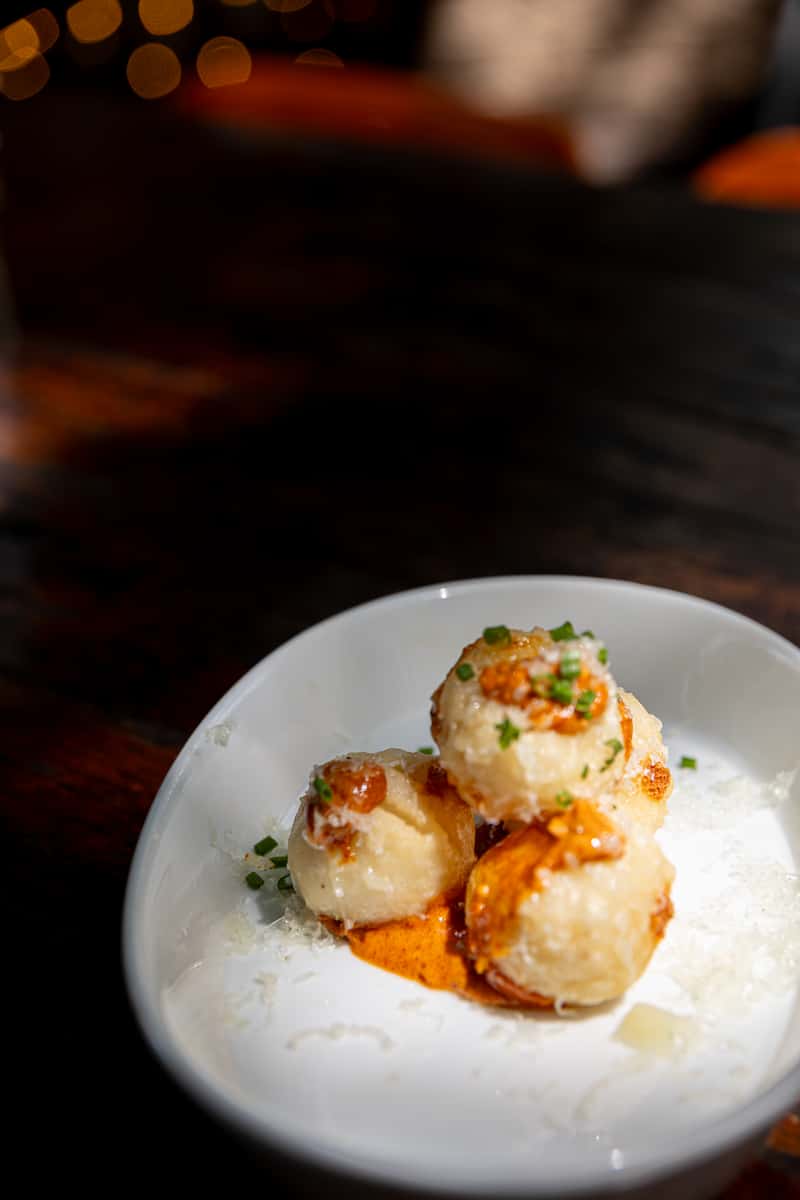
Shareable plates make midweek meals feel more relaxed because they remove the pressure of committing to a single entree. Ordering several small dishes encourages conversation, exploration, and a slower pace. A 2017 University of Oxford study found that eating with others is more enjoyable and makes people feel more connected to their communities.
This communal approach pairs naturally with the midweek dining advantage: shorter wait times and more attentive service create space to linger over each plate. Rather than rushing through a main course, guests can sample flavors at their own rhythm. Shared dishes turn an ordinary weeknight into something that feels generous and unhurried without any advance preparation.
How Does a Curated Drink Pairing Add a Touch of Occasion?
A curated drink pairing adds a touch of occasion by framing the meal as a deliberate experience rather than a routine dinner. When a cocktail or glass of wine complements a specific dish, even a simple weeknight meal gains a sense of intention. The pairing creates a narrative across courses that elevates perception without adding complexity to ordering.
Restaurants with focused beverage programs simplify this further. Instead of scanning an overwhelming menu, guests can follow seasonal cocktail recommendations or ask for a pairing suggestion. This small ritual transforms midweek dining from functional to celebratory. With atmosphere and shareable plates setting the tone, the right drink ties the entire evening together.
What Are the Best Midweek Dining Ideas by Who You're With?
The best midweek dining ideas depend on who joins you, whether that's a partner, kids, friends, or just yourself. Each group benefits from a different approach to venue, timing, and menu style.
What Works for a Midweek Date Night as a Couple?
What works for a midweek date night as a couple is choosing a restaurant with a relaxed atmosphere, outdoor seating, and a menu designed for sharing. Weeknights offer shorter wait times and more attentive service, which naturally creates a more intimate experience than a crowded Saturday.
Look for these elements to elevate a Tuesday or Wednesday date:
- A garden or patio setting where conversation flows without competing noise.
- Shareable small plates that encourage tasting and exploring together.
- A curated cocktail list that replaces the need for a separate bar stop.
Research published by the National Center for Biotechnology Information confirms that outdoor dining and nature exposure are associated with improved psychological well-being and reduced stress. That calming effect turns a simple weeknight dinner into something genuinely restorative for couples who rarely get uninterrupted time together.
What Are Easy Midweek Dinner Ideas for Families with Kids?
Easy midweek dinner ideas for families with kids center on restaurants that welcome children without sacrificing quality for adults. The key is a venue where kids stay entertained and parents actually enjoy the meal.
Prioritize spots that offer:
- A dedicated kids menu with approachable options.
- Proximity to outdoor space or a playground so children can move freely.
- A relaxed, unhurried pace that does not pressure families to rush.
Midweek timing works especially well for families because restaurants are less crowded, servers have more bandwidth, and seating is easier to secure without a reservation. For parents balancing school nights and early bedtimes, an early weeknight dinner between 5 and 6 p.m. keeps everyone on schedule.
How Can Friends Turn a Wednesday Into a Group Dinner Out?
Friends can turn a Wednesday into a group dinner out by choosing a venue with communal-friendly seating, shareable plates, and a lively drinks program. According to Yelp data from 2022, the COVID-19 pandemic led to a surge in outdoor dining, with consumer searches for outdoor dining options increasing by 292%, making patio-friendly restaurants a natural gathering point.
A few strategies make group dinners seamless midweek:
- Order family-style or small plates so everyone samples broadly.
- Start during happy hour to ease into the evening with lower-priced drinks.
- Pick a walkable neighborhood where the group can stroll before or after.
Midweek group dinners feel more spontaneous and less logistically stressful than weekend plans, which often require weeks of coordination.
What Should Solo Diners Look for on a Weeknight Out?
Solo diners should look for a welcoming bar area, an engaging atmosphere, and a menu that works well for one. A comfortable counter seat or bar-adjacent table gives solo guests a front-row view of the kitchen or bartender's craft, which transforms dining alone into an experience rather than an afterthought.
The best solo weeknight spots share a few traits:
- Bar seating with full menu access, not just appetizers.
- Ambient lighting and background music that create energy without overwhelming.
- A neighborhood feel where regulars and staff make the space inviting.
Solo dining is one of the fastest-growing trends in the restaurant industry. The weeknight advantage is real: quieter rooms mean better conversation with bartenders, more personalized service, and zero pressure to rush through the meal. With the right setting, a midweek dinner for one becomes the most indulgent way to recharge.
What Type of Cuisine Keeps Midweek Dining Easy yet Memorable?
The type of cuisine that keeps midweek dining easy yet memorable balances familiar comfort with unexpected freshness. Locally sourced seasonal menus, shareable small plates, and full dinner options each serve a different weeknight need.
Why Are Locally Sourced Seasonal Menus Ideal for Weeknights?
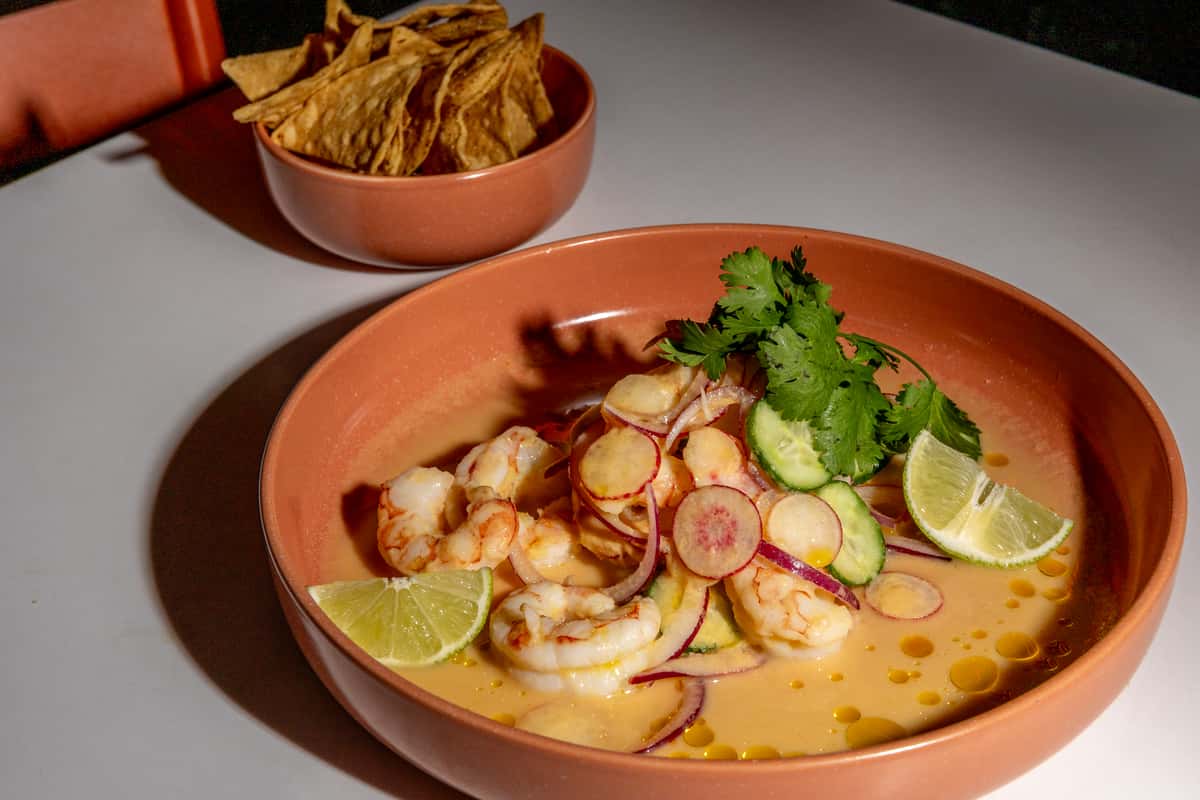
Locally sourced seasonal menus are ideal for weeknights because they deliver peak-flavor ingredients without requiring diners to overthink their choices. When a kitchen builds its dishes around what is freshest that week, every plate feels intentional and current. Seasonal produce, local seafood, and regional proteins rotate naturally, so even regular guests encounter something new on a Tuesday that was not available the previous Wednesday. This built-in variety eliminates the monotony that makes weeknight dining feel routine. For a neighborhood spot like Glass & Vine, in a garden setting, seasonality turns an ordinary dinner into a small discovery.
Glass & Vine in Coconut Grove builds its menu around this philosophy, with locally sourced ingredients that change with the seasons, ensuring each midweek visit offers something fresh beneath the shade of Peacock Park's oak canopy.
How Do Small Plates and Shared Dishes Simplify Ordering?
Small plates and shared dishes simplify ordering by removing the pressure of committing to a single entrée. Instead of one person choosing for themselves, the table selects several plates together, which turns the meal into a collaborative, low-stakes experience. Shared formats work especially well midweek because they accommodate different appetite levels and keep the pace flexible. A group can start with two or three plates and add more as the evening unfolds, rather than front-loading a heavy order. This approach also lets diners sample a wider range of flavors in one sitting. For weeknight meals designed around good company, communal plates naturally encourage conversation and connection.
When Does a Full Dinner Menu Beat a Casual Bar Bite?
A full dinner menu beats a casual bar bite when the occasion calls for more substance and structure. Bar bites work well for a quick happy hour stop, but they often leave diners wanting more if the evening is meant to feel complete. A full menu provides courses that build on one another, from starters through mains, creating a sense of progression that a handful of snacks cannot replicate. Midweek dinners celebrating a small milestone, hosting an out-of-town friend, or simply craving a proper sit-down meal all benefit from a broader menu. Knowing how to match the format to the moment is what separates a forgettable weeknight from one worth repeating.
What Time Should You Go Out for a Midweek Dinner?
The best time to go out for a midweek dinner depends on whether you want to avoid crowds or enjoy a leisurely pace. Early evening and later seatings each offer distinct advantages.
Is an Early Weeknight Dinner Worth It for Avoiding Crowds?
An early weeknight dinner is worth it for avoiding crowds, especially if you prefer a relaxed pace and open seating. Arriving between 5 and 6 p.m. on a Tuesday or Wednesday typically means shorter waits and more attentive service. According to a Toast survey, 40% of guests prefer to dine outside during the late afternoon, making that window particularly popular for patio seating. If outdoor tables are your priority, booking early locks in the best spot before demand peaks. For anyone balancing an early morning the next day, this timing keeps the evening feeling indulgent without running late.
Why Is a Lingering Late Dinner Easier on a Weeknight?
A lingering late dinner is easier on a weeknight because the restaurant naturally empties as the evening progresses. Without the Saturday-night pressure of back-to-back reservations, kitchens and servers shift into a more unhurried rhythm after 8 p.m. You can order another round, split a dessert, or simply sit without feeling rushed toward the check. Weeknight crowds thin faster than on weekends, so a 7:30 or 8 p.m. arrival often leads to a quieter, more private dining room by the time you settle in. For those who thrive later in the evening, this slower pace turns dinner into a genuine occasion rather than a scheduled stop.
Knowing when to arrive sets the tone; choosing where to go shapes the entire experience.
How Do You Pick the Right Restaurant for a Weeknight Out?
You pick the right restaurant for a weeknight out by weighing outdoor seating, neighborhood walkability, and drink program quality. The following subsections break down each factor.
Why Does Outdoor Seating Change the Feel of a Midweek Meal?
Outdoor seating changes the feel of a midweek meal because it shifts the experience from routine to restorative. Eating outside introduces fresh air, natural light, and a sense of openness that indoor dining rarely matches on a Tuesday or Wednesday evening.
According to a Toast survey on outdoor dining preferences, 70% of respondents are willing to wait longer for outdoor seating. That level of preference signals something beyond convenience; people genuinely associate patios and garden settings with a better meal. When the weather cooperates, especially in South Florida, choosing an open-air restaurant transforms an ordinary weeknight into something that feels closer to a small getaway. For midweek dining in particular, outdoor tables tend to be easier to secure than on weekends, giving you that coveted al fresco spot without the wait.
In Coconut Grove, Glass & Vine exemplifies this appeal with its lush, open-air garden setting under a natural canopy, a space designed specifically for the kind of restorative outdoor dining that turns a Tuesday evening into something memorable.
How Important Is a Walkable or Neighborhood Location?
A walkable or neighborhood location is highly important for weeknight dining because it removes the friction that keeps people home. When a restaurant sits within a strollable neighborhood, the decision to go out feels effortless rather than like a planned event.
Walkability matters on weeknights for several practical reasons:
- Shorter commutes mean less time spent in traffic after a full workday.
- Neighborhood restaurants foster a familiar, low-pressure atmosphere that suits midweek energy levels.
- Walking to dinner adds a decompression buffer between the workday and the meal itself.
Tree-lined streets and nearby parks amplify this effect, turning the walk itself into part of the experience. For anyone living in or near a walkable enclave, the neighborhood restaurant becomes the most natural midweek choice.
Should You Prioritize a Full Bar or a Focused Drink Menu?
You should prioritize a focused drink menu over a full bar when dining midweek. A curated cocktail list signals that the restaurant invests in quality over volume, which typically means better-crafted drinks and more thoughtful pairings with food.
A full bar offers breadth, but on a weeknight you are unlikely to need dozens of options. A focused selection, whether it highlights seasonal cocktails, local craft beers, or a well-edited wine list, simplifies the decision and keeps the evening moving. Restaurants that pair a concise drink program with happy hour pricing during early evening hours make the proposition even more compelling. The best midweek cocktail is one chosen quickly and enjoyed slowly.
With your restaurant criteria narrowed down, avoiding common midweek dining mistakes keeps the night on track.
What Midweek Dining Mistakes Make the Experience Feel Ordinary?
Midweek dining mistakes that make the experience feel ordinary include defaulting to the same familiar spot, ignoring atmosphere, rushing through the meal, and skipping intentional touches like a cocktail or shared plates.
With Wednesdays seeing an 11% increase in dining year-over-year (the largest jump of any day, according to Nation's Restaurant News), more people are treating weeknights as real occasions. Yet many still approach them with a weekend-leftovers mindset, and a few common missteps are usually to blame.
The first mistake is choosing convenience over setting. Picking a restaurant purely because it is close, without considering lighting, music, or ambiance, flattens the entire evening. Research from the National Center for Biotechnology Information confirms that both service quality and restaurant ambience have a positive effect on customers' behavioral intentions; when the atmosphere is an afterthought, the meal feels forgettable regardless of what you order.
Another frequent error is rushing the experience. Midweek evenings naturally offer shorter wait times and more attentive service, yet diners often eat quickly out of habit. Slowing down, ordering an extra round, or lingering over dessert costs nothing but transforms a Tuesday dinner into something worth remembering.
Skipping drinks or shareable plates is equally deflating. A single well-chosen cocktail or a board meant for the table signals occasion. Without these small gestures, even excellent food can feel routine.
Finally, many diners overlook timing altogether. Arriving during the post-work rush rather than shifting to a slightly earlier or later window means more noise, less personal attention, and a generic experience that could happen any night of the week. For anyone making the effort to dine out midweek, avoiding these pitfalls is what separates a forgettable meal from a genuinely special one.
How Can Coconut Grove Enhance Your Midweek Dinner Plans?
Coconut Grove can enhance your midweek dinner plans by combining waterfront scenery, walkable streets, and a vibrant dining scene into one effortless evening. The sections below cover what makes park-side dining special on a weeknight and why the Grove's walkability matters after dark.
What Makes Dining Near a Park or Waterfront Special Midweek?
Dining near a park or waterfront is special midweek because the natural setting transforms an ordinary weeknight into something restorative. Coconut Grove is a tree-lined, waterfront enclave with one of Miami's most exciting dining scenes, according to Timeout. On a Tuesday or Wednesday, when weekend crowds thin out, restaurants alongside Biscayne Bay offer shorter waits and unhurried pacing that let you actually notice the breeze off the water.
That combination of greenery, open air, and quieter service is hard to replicate at home. For anyone looking to break up the workweek without elaborate planning, a park-adjacent table in the Grove delivers the change of pace that makes midweek dining worth the effort.
Why Is a Walkable Neighborhood Like the Grove Ideal at Night?
A walkable neighborhood like the Grove is ideal at night because it eliminates the logistics that make weeknight outings feel like a chore. According to Walk Score, Coconut Grove has a Walk Score of 81, classifying it as a "Very Walkable" neighborhood. That means you can stroll from dinner to a second spot for dessert or drinks without searching for parking between stops.
After dark, the Grove's canopy-covered sidewalks and low-rise storefronts create an intimate atmosphere distinct from Miami's busier corridors. For a midweek evening when energy is limited, being able to park once and walk everywhere keeps the night simple and spontaneous, qualities that pair well with a neighborhood already built for lingering.
Glass & Vine sits at the heart of this walkable neighborhood, adjacent to Peacock Park, making it an easy midweek destination where the walk to dinner becomes part of the evening's appeal rather than a logistical hurdle.
How Does an Open-Air Garden Restaurant in Coconut Grove Fit Your Midweek Plans?
An open-air garden restaurant in Coconut Grove fits your midweek plans by combining a relaxed natural setting with flexible dining options that require zero advance preparation. Glass & Vine's all-day menu and garden atmosphere simplify the decision below.
Can Glass & Vine's All-Day Dining Menu Simplify Your Weeknight?
Yes, Glass & Vine's all-day dining menu can simplify your weeknight by removing the pressure of timing your visit to a narrow service window. Whether you arrive for a late lunch, early happy hour, or a full dinner, the menu runs continuously, so there is no rush to plan around rigid meal periods.
The open-air setting beneath Peacock Park's oak canopy offers a natural change of pace without requiring a reservation weeks in advance. Families can let kids enjoy the playground-adjacent space while ordering shareable, locally sourced plates. Couples or solo diners can settle into the garden patio with a curated cocktail and linger as long as the evening allows. For midweek dining, that kind of built-in flexibility is more valuable than any single dish on the menu.
What Are the Key Takeaways About Midweek Dining Ideas When You Want Something Easy but Special?
The key takeaways about midweek dining ideas when you want something easy but special center on three principles: choose atmosphere over complexity, prioritize flexible menus, and pick a walkable neighborhood that makes the outing feel effortless.
- Atmosphere does the heavy lifting; an outdoor setting or garden patio elevates a Tuesday dinner without extra planning.
- Shareable plates and all-day menus remove decision fatigue and let the meal unfold naturally.
- Walkable, neighborhood-driven locations like Coconut Grove reduce logistics so the evening stays relaxed.
- Dining midweek consistently offers shorter waits and more attentive service compared to weekend rushes.
Glass & Vine brings these principles together in one place: an open-air garden restaurant in Coconut Grove with locally sourced food, a full bar, and a setting designed for exactly the kind of low-effort, high-reward weeknight experience worth repeating.