
Miami Outdoor Event Venue Inspiration: Fresh Ideas
Miami Outdoor Event Venue Inspiration: Fresh Ideas
Miami outdoor event venue inspiration starts with matching the right space to your celebration's personality. The city offers waterfront properties, botanical gardens, rooftops, historic estates, and public parks, each serving different guest counts, budgets, and atmospheres.
This guide covers venue types and what makes them ideal for Miami's climate, fresh event themes, top neighborhoods for outdoor spaces, weather planning and guest comfort, food and drink strategy, lighting and décor, and booking essentials.
Miami's five main venue categories range from bay-view waterfront settings that need minimal décor to rooftop spaces with skyline drama and unique logistical demands. Garden and courtyard venues offer capacities from intimate gatherings to large-scale celebrations, while historic estates add Mediterranean Revival and Art Deco architectural character.
The tropical monsoon climate shapes every venue decision. Natural shade from mature tree canopies provides passive cooling that temporary structures cannot replicate, and scenic surroundings reduce decorating costs by letting the landscape serve as the design foundation.
Themes trending for 2025 and 2026 include garden party concepts, tropical bohemian layering, farm-to-table gatherings built around seasonal South Florida produce, and coastal chic designs grounded in rattan, natural textures, and ocean-inspired palettes.
Coconut Grove, Wynwood, the Design District, Key Biscayne, and Virginia Key each bring distinct character. Coconut Grove stands out for its dense oak canopy and high concentration of garden-set venues, while Wynwood delivers flexible creative spaces accommodating up to 1,600 guests.
Locally sourced cuisine, shareable plates, and signature cocktails define the current outdoor catering approach. Smart lighting technology, sustainable fixtures, and layered design extend events into the evening. Confirming capacity, layout flow, vendor policies, weather backup options, and rental inclusions before signing a contract protects against surprise costs.
What Types of Outdoor Event Venues Does Miami Offer?
Miami offers five main types of outdoor event venues: waterfront spaces, garden and courtyard settings, rooftops, historic estates, and parks. Each category serves different guest counts, budgets, and atmospheres.
Waterfront Venues
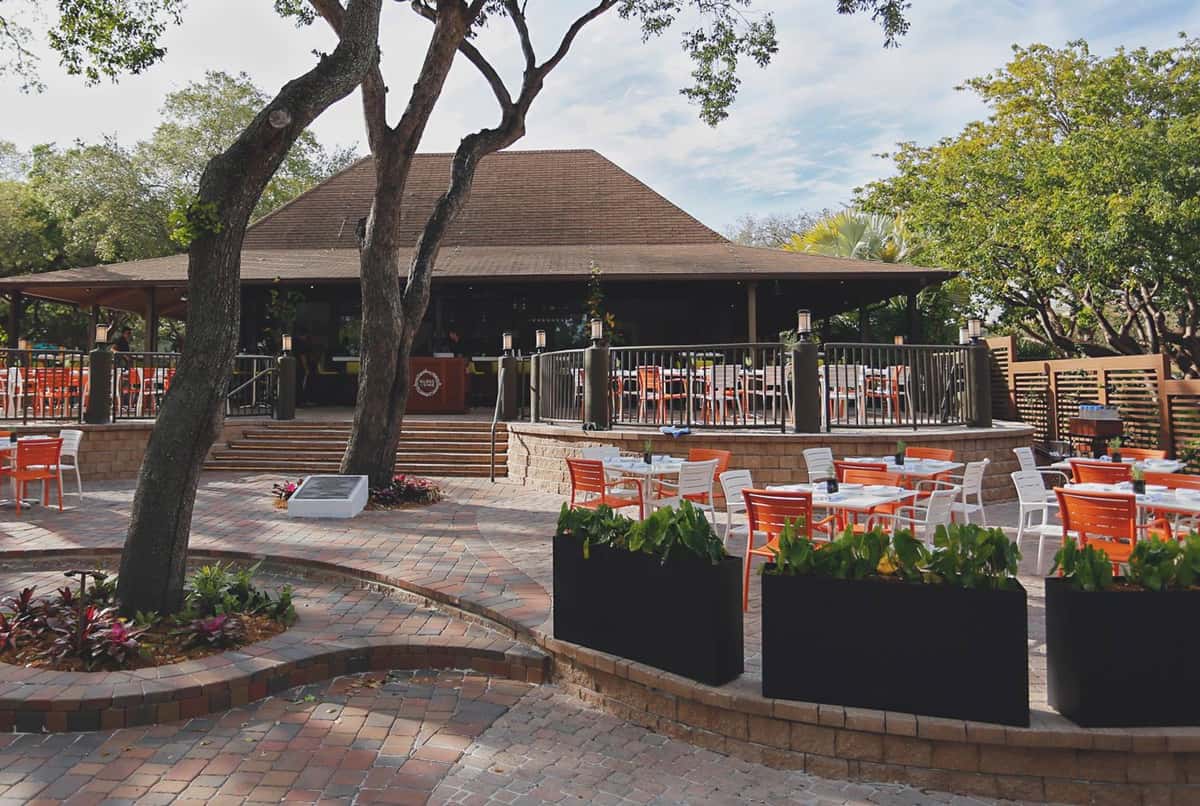
Waterfront venues feature romantic settings overlooking the ocean, bay, or river. Architectural elements such as arches, gazebos, pavilions, and tents frame outdoor ceremonies against the water. These spaces capitalize on Miami's coastline, offering natural backdrops that require minimal additional décor. Biscayne Bay locations and beachfront properties remain the most sought-after options for both weddings and corporate receptions. For planners prioritizing photography, few venue types rival the golden-hour potential of a waterfront setting.
Garden and Courtyard Venues
Garden and courtyard venues provide lush, landscaped environments with multiple distinct spaces for ceremonies and receptions. According to Fairchild Tropical Botanic Garden, its Miami location offers outdoor venues with capacities ranging from 40 to 200 guests, with daytime rental rates from $2,000 to $4,000 and evening rates from $3,250 to $7,500 for events up to 5 hours. Pavilions, rose gardens, and greenhouse areas allow planners to host everything from intimate 10-guest gatherings to large-scale celebrations. Courtyard venues tucked within Miami's older neighborhoods add a sense of enclosure and intimacy that open-air settings sometimes lack.
Rooftop Venues
Rooftop venues provide elevated spaces with Miami skyline views, fresh air, and a vibrant urban atmosphere. According to Precon Events, these spaces present specific challenges including weather dependency, accessibility limitations, noise restrictions, and safety concerns requiring thorough planning. Most rooftop locations have limited kitchen facilities, so close coordination with caterers is essential for smooth food and beverage service. Wind can displace decorations, table settings, and lightweight furniture, making secure installation a priority. Despite these considerations, a well-planned rooftop event delivers a dramatic setting that ground-level spaces simply cannot replicate.
Historic Estate Venues
Historic estate venues typically accommodate 100 to 300 guests across indoor and outdoor settings. Capacities vary based on permanent structures, tented areas, and outdoor ceremony sites. According to DLE Event Group, historic mansion venues offer pricing ranges of $3,600 to $4,300 for events accommodating up to 175 guests with permanent tented patios and multiple ceremony locations. Miami's collection of preserved estates, including Mediterranean Revival and Art Deco properties, adds architectural character that modern venues rarely match. These spaces work especially well for events where elegance and a sense of history are central to the experience.
Park and Green Space Venues
Park and green space venues offer expansive open-air settings for events that benefit from natural surroundings and flexible layouts. Miami's public and semi-private parks provide mature tree canopies, waterfront access, and open lawns suitable for tented receptions, seated dinners, or casual gatherings. Permit requirements and available amenities vary by park, so confirming restroom access, power supply, and noise ordinances early in the planning process is critical. For planners on tighter budgets, parks often represent the most cost-effective path to a memorable outdoor event.
With venue type selected, the next step is understanding what makes a space ideal for Miami's unique conditions.
What Makes an Outdoor Venue Ideal for Events in Miami?
An ideal outdoor venue in Miami balances climate readiness, natural coverage, and visual impact. The following sections cover how tropical weather shapes venue needs, why shade matters, and how scenery elevates guest experience.
How Does Miami's Tropical Climate Shape Venue Requirements?
Miami's tropical climate shapes venue requirements by demanding built-in solutions for heat, humidity, and sudden rainfall. Miami has a tropical monsoon climate with hot, humid summers, short warm winters, and a marked drier season in winter months. These conditions mean every outdoor venue needs rain contingency options, adequate airflow, and cooling infrastructure to protect guests year-round.
Venues that lack weather-ready features often require costly add-ons. According to Fairchild Tropical Botanic Garden, ancillary fees of approximately $450 to $1,250 per event cover necessities such as catering permits, security officers, facilities staff, and Certificate of Insurance requirements. Choosing a venue with integrated climate solutions reduces surprise costs and simplifies planning.
Why Does Natural Shade and Tree Canopy Matter So Much?
Natural shade and tree canopy matter because they provide passive cooling that no tent or temporary structure can fully replicate. Mature trees lower ground-level temperatures, reduce direct sun exposure, and create a comfortable microclimate without mechanical equipment. In a city where perceived temperatures regularly exceed actual readings due to high humidity, established canopy coverage becomes a non-negotiable venue feature.
Tree-shaded venues also reduce reliance on misting systems and portable fans, which can add humidity in already-saturated air. A dense canopy filters harsh afternoon light, creating softer conditions ideal for photography and prolonged outdoor dining. For Miami events, prioritizing venues with old-growth trees over open-field spaces is one of the smartest comfort decisions a planner can make.
What Role Does Ambiance and Scenery Play in Guest Experience?
Ambiance and scenery play a defining role in guest experience by setting emotional tone before a single design element is added. Lush garden surroundings, and architectural character give an event a sense of place that artificial decor alone cannot achieve. Guests respond to natural beauty instinctively; it encourages lingering, conversation, and a relaxed mood.
Scenic venues also reduce decorating budgets significantly. When tropical foliage, mature oaks,serve as the backdrop, planners spend less on florals, draping, and staging. The venue itself becomes the design statement. For Miami outdoor events, this means selecting a location where the natural environment does the heavy lifting visually, allowing food, music, and company to take center stage.
With venue character established, the next step is choosing a theme that complements Miami's natural outdoor settings.
What Fresh Themes Work Best for Miami Outdoor Events?
The fresh themes that work best for Miami outdoor events lean into the city's natural landscape and year-round warmth. Garden parties, tropical bohemian designs, farm-to-table gatherings, and coastal chic concepts each offer distinct ways to create memorable open-air celebrations.
How Can You Create a Garden Party Atmosphere?
You can create a garden party atmosphere by building your design around lush greenery, floral accents, and relaxed outdoor entertaining elements. According to trending 2026 party themes highlighted on social media, popular garden party concepts include "Mamma Mia Summer Spritz," "La Dolce Vita Sunsets & Sequins," "Life is Better in Ibiza," and "BBQ Bash," all emphasizing vibrant outdoor settings.
Key elements for a garden party atmosphere include:
- Overflowing floral arrangements in soft, seasonal palettes
- Vintage or mismatched furniture for an effortless feel
- Bistro string lights woven through tree canopies
- Cocktail stations surrounded by potted herbs and greenery
A venue already framed by mature trees and natural landscaping eliminates much of the heavy lifting, letting your décor enhance rather than manufacture the garden mood.
What Does a Tropical Bohemian Theme Look Like Outdoors?
A tropical bohemian theme outdoors looks like a bold, layered celebration that blends Miami's natural foliage with free-spirited design elements. According to the Swimply Blog's 2026 theme trends, tropical themes emphasize big palm leaves, bright pineapples, and bold colors, with tiki torches and immersive décor creating vibrant atmospheres.
Signature details that define this theme include:
- Macramé backdrops paired with monstera and bird-of-paradise arrangements
- Woven rattan seating mixed with colorful floor cushions
- Tiki torches or bamboo lanterns for ambient evening light
- Rich jewel tones layered against natural wood textures
This theme works especially well at Miami venues where tropical landscaping already provides an authentic backdrop. Forcing a bohemian look in a sterile space rarely feels genuine.
How Do You Pull Off a Farm-to-Table Gathering Outside?
You pull off a farm-to-table gathering outside by centering the event around seasonal, locally sourced ingredients and rustic, nature-forward presentation. Long communal tables dressed with simple linens and wildflower runners set the visual tone immediately.
Essential elements for an outdoor farm-to-table event include:
- Menus built around seasonal South Florida produce and local proteins
- Family-style platters that encourage sharing and conversation
- Wooden serving boards, ceramic dishes, and natural table décor
- Herb centerpieces guests can touch and smell
Miami's active farm-to-table movement gives planners direct access to local growers, making ingredient sourcing practical rather than aspirational. Choosing a venue with an existing culinary program simplifies coordination significantly.
What Makes a Coastal Chic Theme Feel Authentic in Miami?
A coastal chic theme feels authentic in Miami when it draws from the city's waterfront surroundings rather than relying on generic beach props. According to Wedding Chicks, coastal chic design incorporates rattan, layered patterns, interesting textures, relaxed elegance, shell seating cards, sailboat décor, coastal wildflowers, and blue hydrangeas.
Elements that ground this theme in authenticity include:
- Natural materials like rattan, driftwood, and linen
- A soft color palette of sandy neutrals, ocean blues, and seafoam greens
- Textured details such as woven placemats and shell accents
- Coastal wildflower arrangements instead of overly styled florals
The difference between coastal chic and a themed beach party comes down to restraint. Subtle nautical touches woven into an elegant design read as sophisticated, while overloading on starfish and anchors quickly veers into costume territory. With the right theme selected, lighting and décor choices bring these concepts to life after sunset.
Which Miami Neighborhoods Have the Best Outdoor Venues?
The best Miami neighborhoods for outdoor venues include Coconut Grove, Wynwood, the Design District, Key Biscayne, and Virginia Key. Each neighborhood offers distinct architectural character, natural surroundings, and event infrastructure.
Why Is Coconut Grove Known for Outdoor Event Spaces?
Coconut Grove is known for outdoor event spaces because of its historic character, dense tree canopy, and high concentration of venues designed for open-air gatherings. As one of Miami's oldest neighborhoods, Coconut Grove features distinctive architectural elements that provide natural backdrops for weddings, corporate events, and social celebrations. The Coconut Grove Business Improvement District provides supplementary support for special events, streamlining coordination for planners working in the area. Mature oak canopies and lush tropical landscaping give the neighborhood a garden-like quality that few other Miami districts can match. For planners prioritizing natural shade and walkability, Coconut Grove remains one of the most practical choices in the city.
What Outdoor Venue Options Stand Out in Wynwood?
The outdoor venue options that stand out in Wynwood combine flexible event spaces with a bold creative atmosphere. According to PartySlate, Wynwood features flexible indoor and outdoor event spaces accommodating 30 to 1,600 guests, comprising 5 gallery spaces and a tropical garden with distinctive street art surroundings. This range makes Wynwood suitable for intimate dinners and large-scale productions alike. Venues here often provide natural light and outdoor access, which are critical for photography and videography. Because weather can shift quickly during hurricane season, planners should confirm that any Wynwood venue offers seamless indoor alternatives with same-day decision flexibility. Wynwood's artistic energy creates a visual backdrop that requires minimal additional decor.
What Does the Design District Offer for Outdoor Events?
The Design District offers outdoor events a blend of high-end architecture, curated public spaces, and upscale dining options. According to the Miami Design District, the neighborhood is a vibrant international destination for fashion, art, architecture, and fine dining, with multiple indoor and outdoor venue spaces available for hire. Palm Court is a notable outdoor venue space, well suited for cocktail receptions, dinners, and live performances. Accessibility considerations, including wheelchair access, designated seating, and accessible restrooms, add planning complexity but ensure inclusive events. The district's polished aesthetic pairs especially well with corporate launches and fashion-forward celebrations.
Why Do Event Planners Look at Key Biscayne and Virginia Key?
Event planners look at Key Biscayne and Virginia Key for their waterfront settings and natural seclusion. Key Biscayne offers waterfront outdoor venue options with distinctive natural features and accessibility for large-scale events. Virginia Key provides outdoor venue space with its own natural and architectural character, appealing to planners seeking a more secluded, island-like atmosphere. Both locations sit just minutes from mainland Miami yet feel removed from the urban core, which makes them strong options for events where scenery and privacy are priorities. With neighborhood options ranging from bohemian Coconut Grove to polished Design District, selecting the right Miami location starts with matching the venue's character to the event's vision.
How Do You Plan for Miami's Weather at an Outdoor Event?
You plan for Miami's weather at an outdoor event by building rain contingency strategies, selecting venues with indoor backup options, and investing in guest comfort infrastructure. Miami event planners recommend having seamless indoor alternatives with same-day decision flexibility since conditions can shift quickly.
What Backup Plans Should You Have for Rain Season?
The backup plans you should have for rain season include tent reservations with non-refundable deposits, a confirmed indoor alternative space, and a clear decision timeline for day-of pivots. According to NBC Miami, Miami's rainy season runs from May 15 to October 15 and accounts for 60–70% of the region's yearly rainfall, sometimes exceeding that percentage during active hurricane seasons.
Effective rain contingency planning requires these essentials:
- Reserve professional-grade tents and canopies well in advance, securing equipment with non-refundable deposits.
- Choose a venue that offers a seamless indoor alternative, so the transition feels intentional rather than improvised.
- Set a weather-check deadline (typically 24–48 hours before the event) to trigger your backup plan.
- Stock readily available ponchos or umbrellas for guests if a brief shower passes through.
The dry season, November through April, features sunny skies and minimal rain, making it the safest window for fully open-air celebrations. For events scheduled during the wet season, having a well-rehearsed Plan B is not optional; it is the difference between a memorable gathering and a logistical disaster.
How Do You Keep Guests Comfortable in Miami's Heat?
You keep guests comfortable in Miami's heat by combining shade structures, airflow solutions, and hydration stations throughout the event space. Fans tend to outperform misting stations in South Florida's humidity, where added moisture can make conditions feel worse rather than better. Umbrellas, sailcloths, and pergolas provide effective shade for open-air seating areas.
Practical comfort measures include:
- Position fans strategically in high-traffic zones and seating areas.
- Offer chilled water stations and cold towels at entry points.
- Schedule key activities, such as ceremonies or speeches, during late afternoon or evening hours when temperatures drop.
- Provide digital displays with real-time weather updates so guests can anticipate sudden downpours.
For cooler winter evenings, outdoor heaters or fire pits keep the atmosphere comfortable without sending guests indoors. Choosing the right food and drink pairings can further enhance outdoor comfort in any season.
What Food and Drink Ideas Elevate a Miami Outdoor Event?
Food and drink ideas that elevate a Miami outdoor event include locally sourced cuisine, shareable plates, and signature cocktails designed for open-air settings. The sections below cover sourcing strategy, plating format, and drink styles shaping menus in 2025 and 2026.
Why Does Locally Sourced Cuisine Work for Outdoor Gatherings?
Locally sourced cuisine works for outdoor gatherings because seasonal ingredients connect the menu directly to the surrounding environment. Miami has an active farm-to-table movement, with chefs partnering with local farmers to bring fresh tropical fruits and vegetables to event menus. This approach reduces transport time, so produce arrives at peak flavor and texture. According to Lily & Lime, farm-to-table weddings represent an experience that intertwines the beauty of nature with elegance and intimacy, featuring seasonal ingredients and locally sourced menus. For Miami outdoor events specifically, tropical staples like starfruit, mamey, and hearts of palm give guests a sense of place that imported ingredients simply cannot replicate.
How Do Shareable Plates Change the Outdoor Dining Dynamic?
Shareable plates change the outdoor dining dynamic by encouraging movement, conversation, and a more relaxed flow between guests. Unlike plated courses that anchor diners to a single seat, family-style platters and small-format dishes let people mingle naturally across an open-air space. Passed appetizers and bite-sized portions are especially practical outdoors because they are easy to hold without a full table setting. This format also accommodates varied dietary preferences in a single spread, reducing the need for separate menus. For most outdoor events, prioritizing shareability over formality leads to higher guest satisfaction because it matches the casual energy an al fresco setting already creates.
What Cocktail Styles Pair Best With an Open-Air Setting?
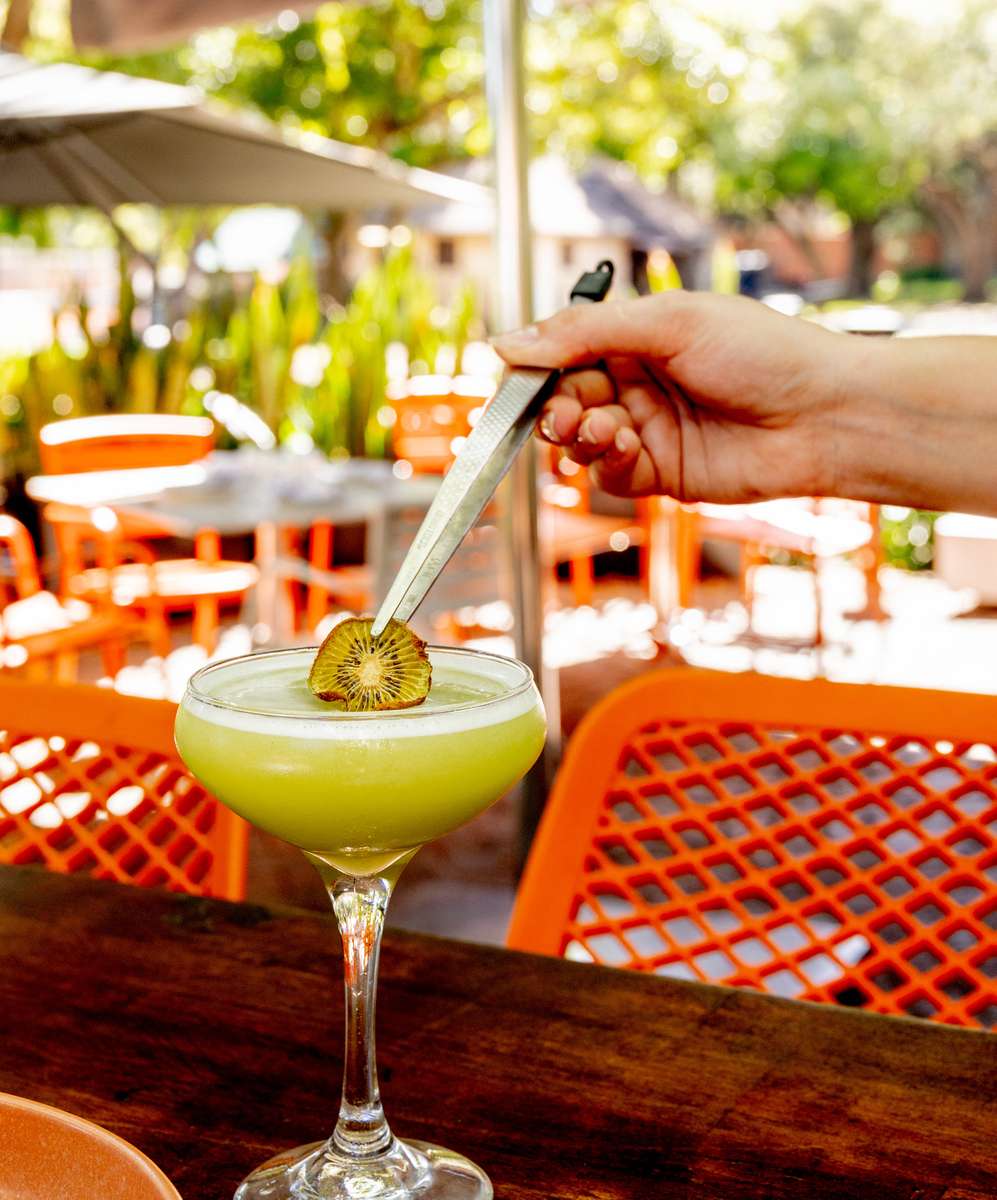
The cocktail styles that pair best with an open-air setting are signature cocktails, elevated mocktails, and batch-style drinks designed for warm weather. According to BizBash, event planners expect elevated mocktails, embedded sustainability, and family-style catering to be major food and beverage trends in 2025 and 2026. Practical considerations matter just as much as flavor in outdoor environments; wind can affect lightweight glassware and table settings, so sturdy drinkware and weighted garnish presentations help maintain a polished look. Key cocktail approaches for Miami outdoor events include:
- Signature cocktails featuring tropical spirits, fresh citrus, and herb infusions that reflect the local palate.
- Elevated mocktails with house-made syrups and botanical sodas for non-drinking guests.
- Batch cocktails served from dispensers or pitchers for efficient, high-volume service.
- Frozen options that double as a cooling element during warm evening receptions.
Pairing these drinks with passed appetizers creates a cohesive experience where every element feels intentional, not improvised. With food and drink strategy in place, lighting and décor choices complete the transformation of any outdoor space.
How Can Lighting and Décor Transform an Outdoor Space?
Lighting and décor transform an outdoor space by setting mood, defining zones, and extending usability into the evening. The subsections below cover current lighting trends, décor strategies, and what to confirm with your venue.
What Outdoor Lighting Trends Are Shaping Events in 2025–2026?
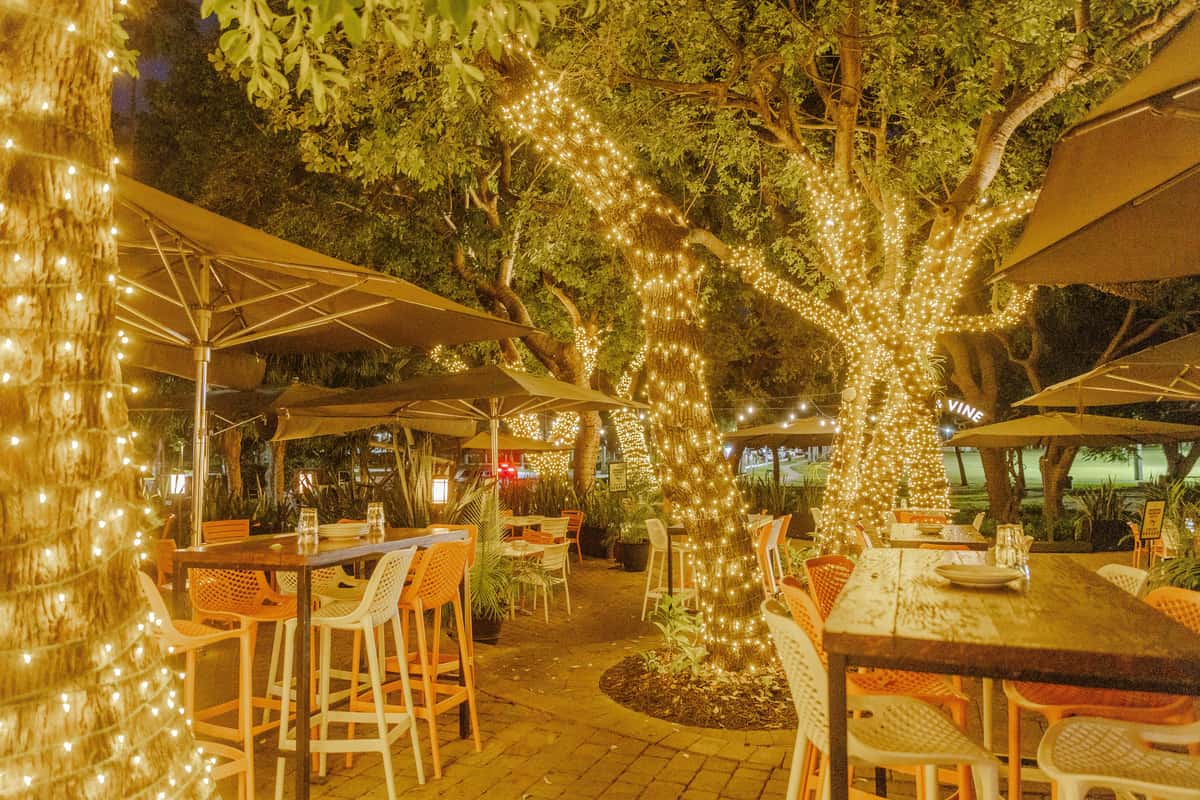
The outdoor lighting trends shaping events in 2025–2026 center on smart technology, sustainability, and layered design. According to Kouboo's 2025 trend report, solar-powered fixtures, portable table lamps, and layered lighting approaches are among the top outdoor lighting directions for the current cycle. Color-changing LEDs controlled by smart sensors allow hosts to shift ambiance from cocktail warmth to dance-floor energy without swapping fixtures. Minimalist silhouettes crafted from sustainable materials and vintage-inspired styles add character while keeping installations clean. For a Miami outdoor event, layering ambient string lights overhead with accent uplighting on trees and task lighting at bars creates depth that flat, single-source setups cannot match.
How Does Décor Enhance an Open-Air Event Atmosphere?
Décor enhances an open-air event atmosphere by adding texture, color, and visual structure to spaces that lack interior walls. Sculptural centerpieces, structured draping, and textured linens, including velvets and bouclé, bring dimension that anchors tablescapes against an open sky. When wind and natural light are factors, weighted décor elements and secure installations prevent disruption. The most effective approach treats the surrounding landscape as a design partner rather than a backdrop; lush greenery, mature tree canopies, and natural stone become foundational layers that supplemental décor complements rather than competes with. This is why garden-set venues in neighborhoods like Coconut Grove tend to require less added décor for a polished result.
What Lighting and Sound Inclusions Should a Venue Provide?
The lighting and sound inclusions a venue should provide are clearly documented basics that prevent surprise costs on event day. Essential rental inclusions to confirm before signing a contract include:
- Tables and chairs suited to your guest count and layout
- Built-in lighting and sound systems with adequate coverage
- Setup and breakdown support from venue staff
- Getting-ready spaces for hosts or wedding parties
- Transparent fee schedules for outside vendors or supplementary services
Venues that bundle these essentials into the rental simplify coordination and reduce the number of third-party vendors you need to manage independently. When evaluating Miami outdoor venues, always request an itemized inclusion list before comparing headline prices.
What Should You Look for When Booking a Miami Outdoor Venue?
When booking a Miami outdoor venue, you should evaluate natural surroundings, guest capacity and layout flow, and on-site dining flexibility. The following subsections cover each factor in detail.
How Important Is the Venue's Natural Surroundings?
The venue's natural surroundings are critically important because they set the visual tone for every event moment, from ceremony to reception. Waterfront venues typically feature romantic settings overlooking ocean, lake, or river landscapes, often complemented by architectural elements such as arches, gazebos, pavilions, or tents. Mature tree canopy, lush gardens, and natural shade reduce the need for costly tent rentals while keeping guests comfortable in Miami's heat. A venue framed by greenery also produces stronger photography results, since natural light filtering through foliage creates depth that artificial backdrops cannot replicate. Prioritize spaces where the landscape does the design work for you.
What Capacity and Layout Questions Should You Ask?
The capacity and layout questions you should ask cover both maximum headcounts and guest flow between event phases. According to Brides Magazine, event professionals stress the importance of understanding vendor policies, including whether venues allow outside photographers, videographers, florists, and DJs, or require approved vendor lists with associated fees. Beyond vendor access, confirm these specifics before signing a contract:
- Seated dinner capacity versus standing cocktail capacity
- Indoor backup space and same-day decision flexibility for weather changes
- Layout flow from ceremony to cocktail hour to reception
- Noise and time restrictions that may affect music or speeches
- Included rentals such as tables, chairs, lighting, and sound equipment
A venue that answers these questions clearly signals professional event management.
Why Does an All-Day Dining Option Matter for Events?
An all-day dining option matters for events because it eliminates logistical gaps between event phases. When a venue offers continuous food and beverage service from brunch through dinner, guests stay engaged without awkward downtime between a ceremony and reception. This flexibility also supports varied event formats, whether a midday celebration that extends into evening or a sunset cocktail hour with late-night service. Venues with established kitchens and full menus handle dietary accommodations, timing adjustments, and menu customization more seamlessly than spaces requiring outside catering coordination.
With booking priorities defined, a garden-inspired Coconut Grove setting can bring these elements together naturally.
How Can a Garden-Inspired Coconut Grove Venue Bring Your Event to Life?
A garden-inspired Coconut Grove venue brings your event to life by combining lush natural surroundings with open-air dining, locally sourced cuisine, and a relaxed yet refined atmosphere. Below, explore what Glass & Vine offers and the essential takeaways for planning a Miami outdoor event.
Can Glass & Vine's Open-Air Setting Host Your Next Gathering?
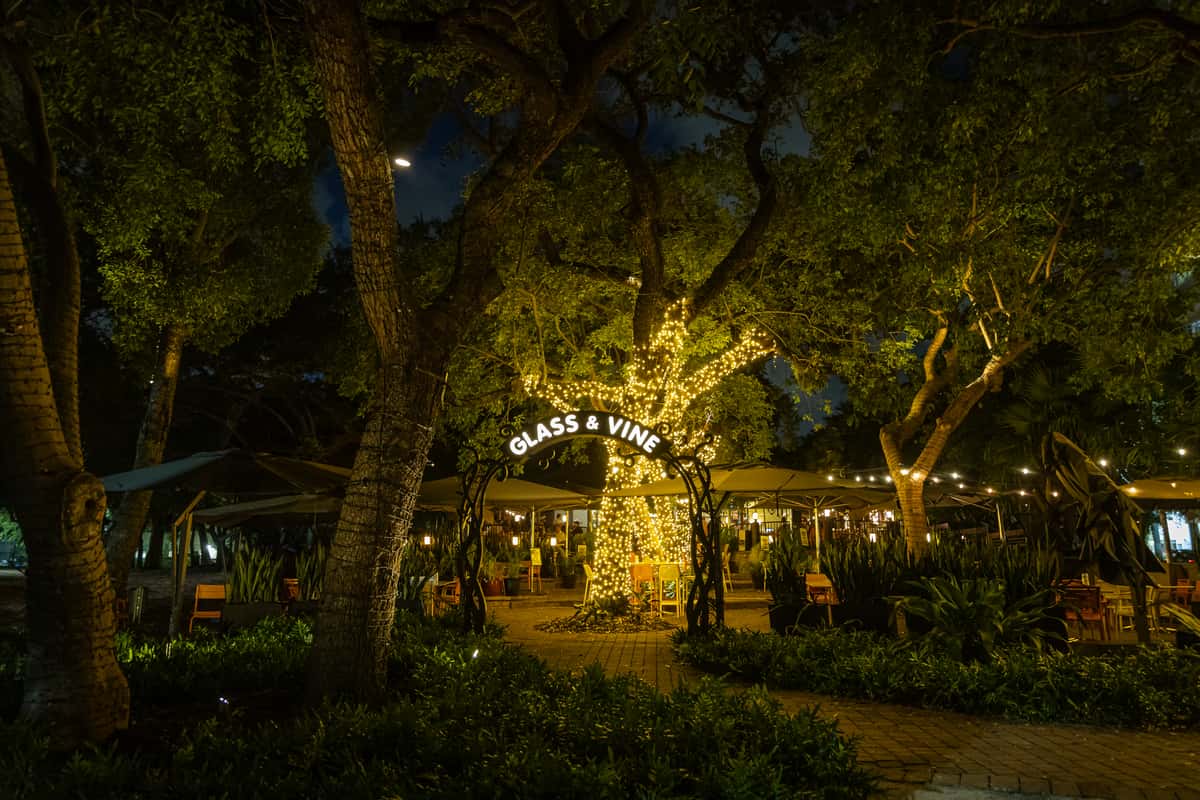
Yes, Glass & Vine's open-air setting can host your next gathering. Nestled beneath Peacock Park's oak canopy in Coconut Grove, Glass & Vine provides a garden-inspired environment where mature shade trees, natural breezes, and lush landscaping create an intimate backdrop for events. The all-day dining format accommodates brunch, lunch, and dinner gatherings, while a menu built around locally sourced ingredients aligns with Miami's growing farm-to-table movement. Families benefit from the playground-adjacent location; couples appreciate the romantic, scenic atmosphere. For planners seeking a venue that feels like a secret garden by the sea, few Coconut Grove settings blend natural beauty with culinary versatility as seamlessly.
What Are the Key Takeaways About Miami Outdoor Event Venues?
The key takeaways about Miami outdoor event venues center on pricing, permits, guest comfort, and catering coordination.
- Budget early. Average outdoor event space rental in Miami ranges from $1,425 to $2,875 per day, with a median around $2,000. According to Tagvenue, large venue pricing spans from roughly $105 per hour for small spaces to $40,000 per session for convention centers.
- Secure permits on time. The City of Miami classifies events as Small (up to 250 persons), Medium (251 to 1,000), or Large (over 1,001), with applications due at least 30 to 45 days in advance and fees of $250 to $500.
- Plan for heat. When air temperature hits 88°F with 80% humidity, the perceived temperature can reach 106°F. Misting systems, shade structures, and proper hydration stations are essential.
- Prioritize local sourcing. Miami venues increasingly expect caterers to use locally grown and organic ingredients, making farm-to-table menus a standard rather than a luxury.
- Coordinate vendors for open-air conditions. Outdoor event management adds complexity around weather exposure, requiring tight coordination between venue, caterers, and service providers.
- Carry adequate insurance. Most Florida venues require liability coverage of $1,000,000 per occurrence and $2,000,000 aggregate, with the venue named as Additional Insured.
Choosing a venue that already integrates natural shade, flexible dining, and local culinary expertise simplifies every aspect of this planning process. Glass & Vine offers exactly that combination in the heart of Coconut Grove.