
Miami Event Venue Design Trends: Fresh Ideas
Miami Event Venue Design Trends: Fresh Ideas
Miami event venue design trends are the evolving styles, materials, and spatial strategies shaping how hosts and planners create memorable gatherings across South Florida. These trends reflect the city's subtropical climate, cultural energy, and growing demand for spaces that feel immersive rather than staged.
This guide covers popular venue design styles, open-air and indoor-outdoor innovations, color and material selections, lighting and layout strategies, and how neighborhood setting influences the overall event experience.
Miami's most sought-after design styles range from tropical biophilic spaces filled with living greenery and organic forms to industrial-chic minimalism built on exposed brick and reclaimed wood, with coastal Mediterranean elegance, Art Deco revival, and bohemian garden aesthetics rounding out the options planners choose from most often.
Open-air venues are redefining flexibility through retractable roof systems that deliver weather protection on demand, natural canopy integration that replaces heavy décor with mature tree cover, Material and color choices ground each style in Miami's landscape. Reclaimed wood, terrazzo, rattan, and natural stone dominate venue surfaces, while tropical palettes built on ocean blues, coral pinks, and earthy neutrals create an atmosphere that feels cohesive with outdoor surroundings. Sustainable sourcing has shifted from niche preference to baseline expectation.
Lighting layers ambient string and Edison bulb warmth with programmable LED installations and natural flame accents, giving planners control over emotional tone throughout an event. Lounge-style seating and communal table layouts replace rigid banquet rows, prioritizing comfort and conversation. Living green walls, tropical floral installations, and dried botanical accents reflect the broader push toward nature-immersive design that neighborhoods like Coconut Grove naturally support.
Why Does Venue Design Matter for Miami Events?
Venue design matters for Miami events because it directly shapes guest experience, sets emotional tone, and determines how well a space performs for different event types. Miami's subtropical climate, vibrant cultural identity, and competitive hospitality scene make design choices especially consequential. A thoughtfully designed venue influences everything from guest comfort and photo-worthy moments to event flow and overall satisfaction.
The city's year-round warmth creates unique opportunities that most markets cannot replicate, particularly with open-air and indoor-outdoor layouts. When venue architecture, materials, and color palettes align with an event's purpose, guests stay longer and engage more deeply. Poorly considered design, on the other hand, leads to awkward traffic flow, uncomfortable temperatures, and a disconnect between the event's vision and the physical space.
For planners evaluating Miami event venues, design is not a secondary consideration; it is the foundation that every other decision builds upon. The sections ahead explore the most popular design styles, open-air innovations, material and color trends, lighting strategies, furniture layouts, technology integration, and floral concepts shaping Miami's event landscape today.
What Are the Most Popular Event Venue Design Styles in Miami?
The most popular event venue design styles in Miami range from tropical biophilic spaces to Art Deco revival settings. Below, each style offers distinct aesthetic and functional advantages for events.
Tropical Biophilic Design
Tropical biophilic design connects event guests directly with nature through living greenery, water features, and organic materials. According to Inside Out Contracts, biophilic design maximizes natural light, utilizes organic forms and patterns, prioritizes sustainable natural materials, and aims to blur the lines between indoors and outdoors. In Miami's subtropical climate, this style thrives naturally. Venues incorporate lush canopy coverage, native tropical plants, and open-air layouts that let warm breezes flow through the space. The result feels immersive rather than decorated, which is why this approach consistently outperforms traditional ballroom settings for guest engagement at Miami events.
Industrial-Chic Minimalism
Industrial-chic minimalism pairs raw, unfinished materials with clean, open layouts. Exposed brick walls, steel beams, and polished concrete floors create a neutral canvas for event designers. Reclaimed wood accents add warmth without cluttering the visual field. This style works particularly well for corporate launches, fashion events, and modern weddings where the décor itself becomes the statement. Miami's warehouse districts, especially in Wynwood and the Design District, have popularized this aesthetic. For planners seeking maximum creative flexibility, industrial-chic venues offer a blank slate that adapts to virtually any theme or color palette with minimal structural additions.
Coastal Mediterranean Elegance
Coastal Mediterranean elegance blends warm-toned stonework, arched doorways, and terracotta accents with breezy ocean-inspired elements. As Studio Stina describes, Mediterranean interior design is characterized by its vibrant colors, natural materials, and a harmonious blend of indoor and outdoor living spaces. In Miami, this style draws from the city's historic coral rock architecture and waterfront proximity. Whitewashed surfaces paired with deep blues, olive greens, and sun-washed golds create a refined yet approachable atmosphere. For seated dinners and cocktail receptions, few styles match the timeless sophistication that coastal Mediterranean design delivers.
Art Deco Revival
Art Deco revival channels Miami Beach's iconic 1920s and 1930s architectural heritage into modern event spaces. Geometric patterns, bold metallic finishes, and symmetrical layouts define this style. Venues featuring terrazzo flooring, curved mirrors, and brass fixtures capture the glamour of the era while feeling distinctly contemporary. South Beach's historic district remains the epicenter of this aesthetic, though it now influences venue design across greater Miami. Art Deco revival pairs exceptionally well with upscale galas, milestone celebrations, and brand activations where visual impact and a sense of legacy matter. Of all Miami design styles, this one carries the strongest sense of place.
Bohemian Garden Aesthetic
Bohemian garden aesthetic layers eclectic textiles, mismatched vintage furniture, and abundant greenery into relaxed, free-spirited event settings. Macramé installations, woven rugs, and handcrafted pottery replace uniform décor with intentional imperfection. Unlike industrial-chic spaces, bohemian venues feel warm, personal, and intimate. This style suits outdoor celebrations, garden parties, and casual receptions where comfort takes priority over formality. Miami's year-round growing season makes it easy to incorporate flowering vines, hanging ferns, and tropical blooms as living design elements rather than imported decorations.
With these five styles shaping Miami's event scene, material and color choices further refine each aesthetic.
How Are Open-Air and Indoor-Outdoor Venues Shaping Miami Events?
Open-air and indoor-outdoor venues are shaping Miami events by offering flexible spaces that adapt to the city's subtropical climate and guest expectations. Below, we explore retractable roof systems, natural canopy integration, and waterfront settings.
Why Are Retractable and Flexible Roof Structures Trending?
Retractable and flexible roof structures are trending because they allow venues to maximize outdoor ambiance while providing weather protection on demand. Event planners in Miami need spaces that transition seamlessly between open-air and covered configurations, especially during the summer rain season. According to a thesis published on Theseus, a semi-recessed retractable roof system offers unique mechanical properties and cost benefits, delivering an ROI of approximately 30%. This financial return, combined with year-round usability, makes flexible roofing one of the smartest infrastructure investments for hospitality venues pursuing the indoor-outdoor design trend.
How Does Natural Canopy and Garden Integration Elevate Events?
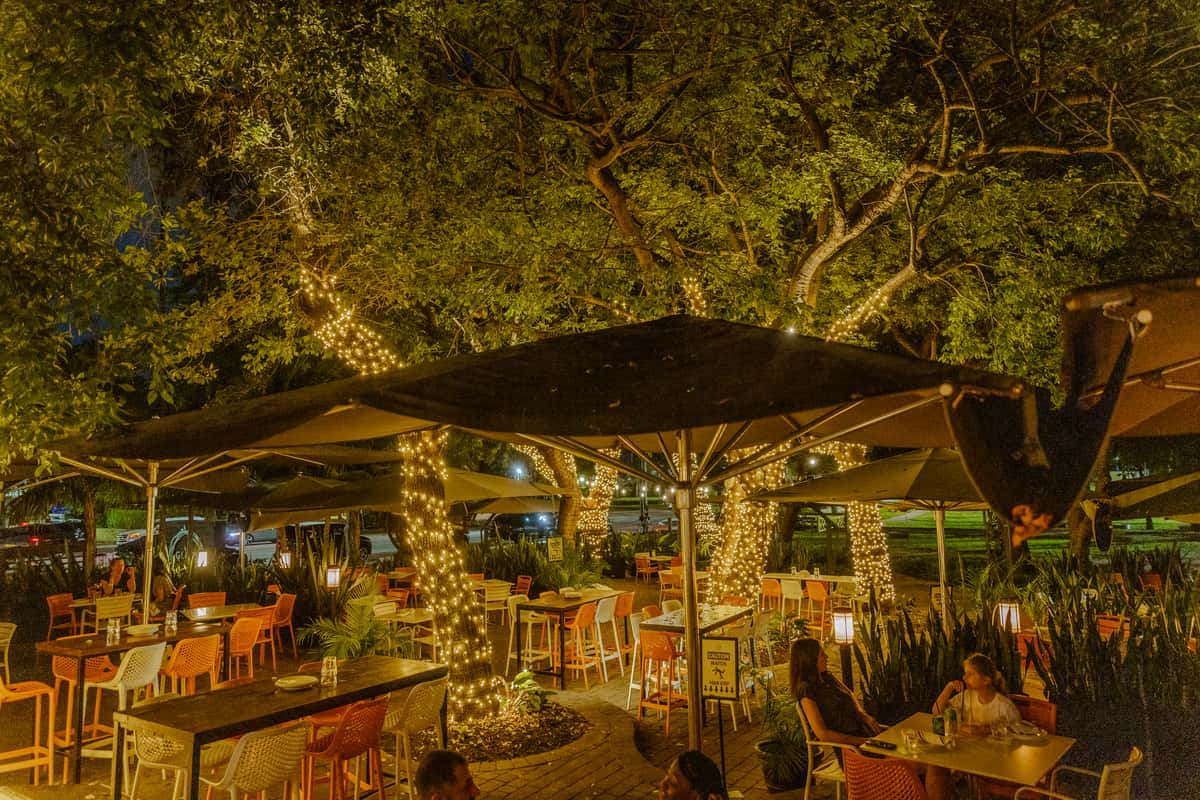
Natural canopy and garden integration elevate events by creating immersive, organic atmospheres that feel distinctly separate from urban surroundings. Mature tree cover provides shade and visual texture, while lush plantings soften architectural lines and introduce seasonal color. Guests at canopy-shaded venues often describe the experience as intimate and restorative, qualities that are difficult to replicate in fully enclosed spaces. Garden-integrated layouts also reduce the need for heavy décor, since the landscape itself serves as the design centerpiece. For Miami event planners, this approach aligns naturally with biophilic design principles that prioritize the connection between built environments and the natural world.
What Makes Waterfront Open-Air Settings So Sought After?
Waterfront open-air settings are so sought after because they combine panoramic views, natural breezes, and a sense of occasion that enclosed venues cannot replicate. In Miami, proximity adds an aspirational quality to corporate receptions, weddings, and social gatherings alike. The interplay of water reflections and natural light creates dynamic visual backdrops that shift throughout the day, reducing reliance on artificial lighting during golden-hour events. Waterfront venues also benefit from built-in ventilation, keeping guests comfortable even during warmer months. For any event where atmosphere is a priority, few design elements rival the draw of open water on the horizon.
With outdoor settings driving guest demand, the materials and color palettes chosen for these spaces play an equally important role.
What Color Palettes and Material Trends Define Miami Events?
Miami events are defined by color palettes rooted in tropical warmth and materials that blend raw texture with refined elegance. The following sections cover dominant natural materials, ideal tropical color schemes, and sustainable material sourcing.
What Natural Materials Are Dominating Miami Venue Design?
Natural materials dominating Miami venue design include reclaimed wood, rattan, stone, terrazzo, and woven textiles. These elements ground event spaces with organic warmth while complementing the city's lush subtropical surroundings.
According to The Interior Design Institute, industrial chic embraces raw, unfinished materials like exposed brick, steel, and reclaimed wood to create a rugged yet stylish urban aesthetic. Miami planners frequently layer these industrial textures against softer natural counterparts:
- Reclaimed wood for farm tables, accent walls, and ceremony backdrops
- Terrazzo for flooring and bar surfaces, offering zero-VOC sustainability
- Rattan and wicker for seating, light fixtures, and decorative screening
- Natural stone for tabletop accents and structural focal points
- Linen and raw cotton for draping and table settings
Combining unfinished industrial textures with tropical organics is one of the most effective ways to create a venue atmosphere that feels distinctly Miami.
Which Color Palettes Work Best for Tropical Event Settings?
The color palettes that work best for tropical event settings draw from Miami's natural landscape: ocean blues, sandy neutrals, coral pinks, lush greens, and sun-washed golds. These hues create an immersive atmosphere that feels cohesive with open-air and garden-framed venues.
Effective tropical palettes typically fall into three directions:
- Coastal cool: soft seafoam, ivory, and pale blue for relaxed waterfront gatherings
- Vibrant tropical: coral, mango, fuchsia, and emerald for high-energy celebrations
- Earthy neutral: terracotta, sage, warm white, and driftwood tones for organic elegance
For most Miami events, anchoring décor in two to three complementary tones rather than a single bold color produces the most cohesive result, especially when natural surroundings already contribute visual richness.
How Are Sustainable and Reclaimed Materials Being Used?
Sustainable and reclaimed materials are being used to reduce environmental impact while adding character and texture to Miami event venues. Planners increasingly source salvaged wood, recycled metals, and low-emission finishes to align events with eco-conscious values.
Terrazzo is a standout example. According to the National Terrazzo & Mosaic Association, terrazzo construction uses zero-VOC materials and produces little to zero off-gassing, supporting LEED v4 credits for low-emitting materials. Common sustainable material applications include:
- Salvaged wood repurposed into signage, table runners, and decorative frames
- Recycled glass in centerpieces, lighting fixtures, and mosaic accents
- Reclaimed metal for industrial shelving, plant stands, and bar elements
Sustainability is no longer a niche preference; it has become a baseline expectation among Miami event clients, making material sourcing a key design decision.
With materials and palettes established, lighting design transforms how guests experience these elements after dark.
How Is Lighting Design Transforming Miami Event Venues?
Lighting design is transforming Miami event venues by shifting the atmosphere from ordinary to immersive through layered techniques. The key approaches include ambient string lighting, LED projection mapping, and natural flame elements.
What Role Does Ambient String and Edison Bulb Lighting Play?
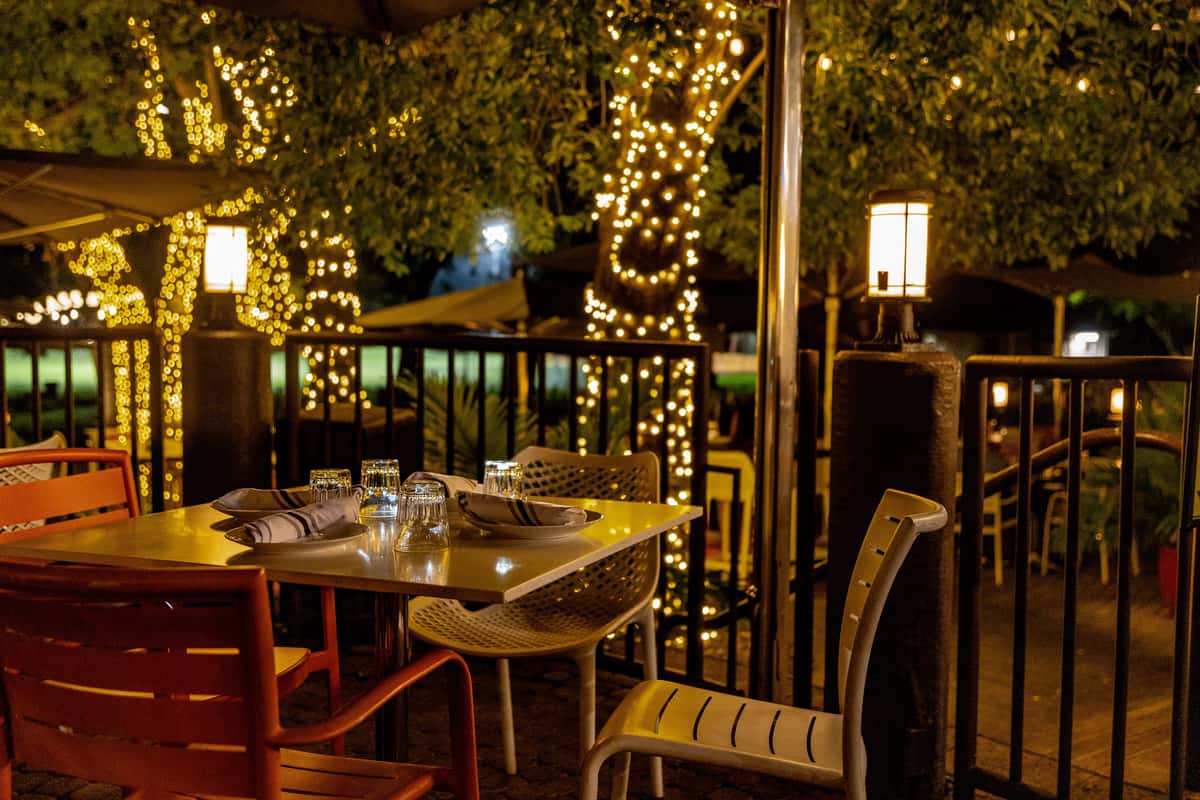
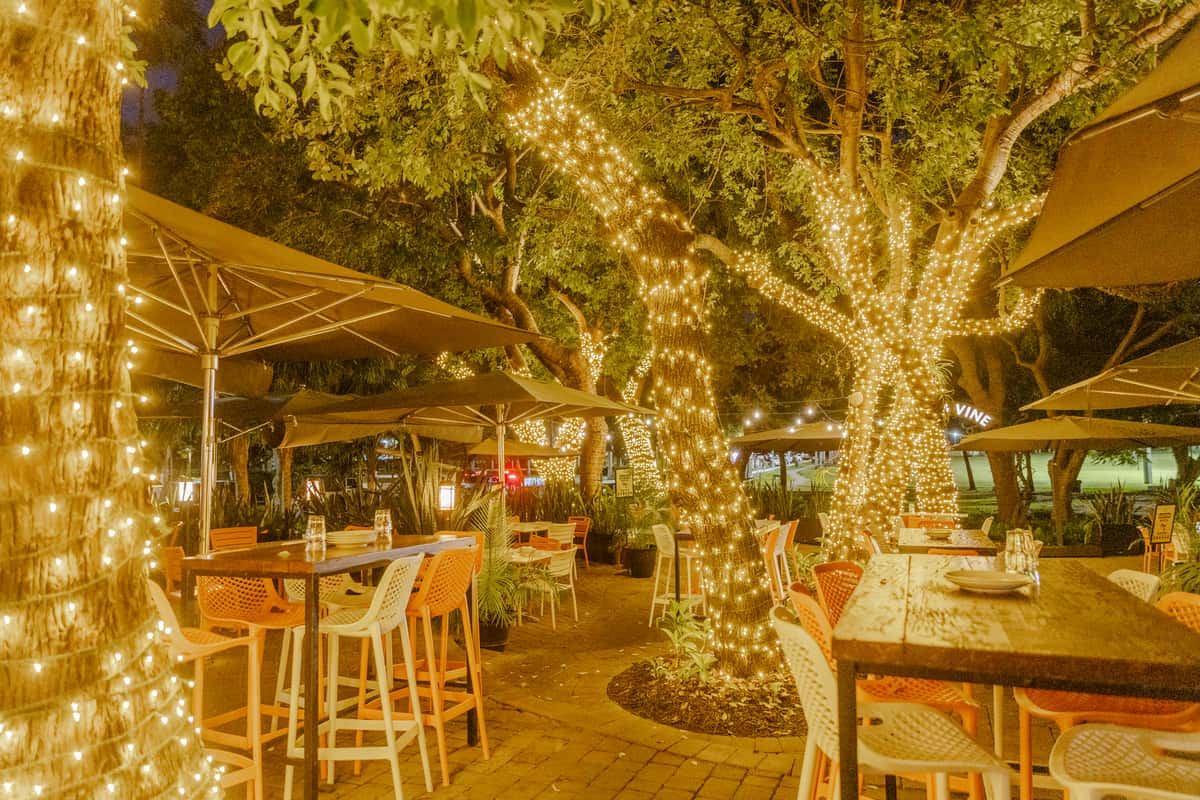
Ambient string and Edison bulb lighting play a central role in establishing warmth and intimacy at Miami event venues. Edison bulbs, with their exposed filaments and warm amber glow, soften industrial and garden settings alike. String lights draped overhead across open-air spaces create a canopy of soft light that mimics starlight, making outdoor receptions feel both elegant and relaxed. This technique works particularly well in venues framed by natural canopy, where the bulbs complement the organic surroundings rather than competing with them. For planners designing under tree cover or pergolas, Edison string lighting remains one of the most cost-effective ways to elevate ambiance without overpowering the setting.
How Are LED Installations and Projection Mapping Being Used?
LED installations and projection mapping are being used to turn walls, floors, and ceilings into dynamic visual canvases at Miami events. Programmable LED arrays allow planners to shift color temperatures throughout an evening, moving from warm cocktail-hour tones to vibrant dance-floor hues with a single control input. Projection mapping goes further, casting custom graphics, brand logos, or animated patterns onto architectural surfaces without physical modification. According to Remick Architecture, color choices in hospitality spaces directly influence guest behavior; red stimulates appetite and excitement, blues and greens induce relaxation and trust, while purples convey luxury and creativity. These findings make intentional LED color programming a strategic tool, not just a decorative one.
Why Is Candlelight and Natural Flame Still Trending?
Candlelight and natural flame are still trending because they deliver a sensory warmth that no digital alternative fully replicates. Flickering flames create subtle, constantly shifting light patterns that hold visual attention and lower perceived stress. Tapered candles in brass holders suit Art Deco or Mediterranean-styled tablescapes, while pillar candles grouped at varying heights anchor bohemian garden arrangements. Many Miami planners now combine real flame with LED candle accents to satisfy venue fire codes without sacrificing ambiance. The tactile, primal quality of natural flame adds a grounding element that balances the high-tech LED and projection trends increasingly present in modern event design.
With lighting strategies defined, the layout and furniture choices complete the guest experience.
What Furniture and Layout Trends Are Reshaping Event Spaces?
Furniture and layout trends reshaping event spaces center on flexible, guest-focused configurations. Lounge-style seating and communal table layouts are replacing rigid banquet rows across Miami venues.
How Are Lounge-Style Seating Arrangements Changing Events?
Lounge-style seating arrangements are changing events by replacing formal rows with relaxed, conversation-driven zones. Low sofas, ottomans, and accent chairs grouped into intimate clusters encourage guests to mingle naturally rather than stay anchored to assigned seats. This shift reflects a broader move toward experiential gatherings where comfort drives engagement.
Mixed-height furniture, from cocktail tables paired with bar stools to deep-cushioned sectionals, creates visual variety across the floor plan. For outdoor settings like those beneath a natural canopy, lounge configurations also complement the surrounding landscape. Prioritizing comfort over rigidity makes the event feel less staged and more genuinely social.
What Role Do Communal and Share-Friendly Table Layouts Play?
Communal and share-friendly table layouts play a central role in fostering connection among guests. Long harvest tables, family-style platters, and open seating plans break down the isolation of individual place settings, turning meals into collaborative experiences.
These layouts work especially well for events built around shared culinary moments:
- Harvest tables seat larger groups side by side, sparking conversation between guests who might not otherwise interact.
- Family-style service encourages passing dishes, which creates a tactile, participatory dining rhythm.
- Flexible bench-and-chair combinations allow planners to adjust capacity without sacrificing aesthetic cohesion.
For venues designed around sharing, like garden-inspired spaces with menus built for communal plates, this layout trend aligns seamlessly with the culinary philosophy already in place. With layout strategies established, technology and interactive elements add another layer to the modern event experience.
How Are Technology and Interactive Elements Enhancing Venues?
Technology and interactive elements are enhancing venues by creating immersive, shareable experiences that blend digital innovation with physical event spaces. Miami event venues increasingly integrate tools such as social media walls, interactive photo installations, QR-code menus, and live-streamed event features to engage guests beyond traditional formats.
These digital layers do not replace thoughtful design; they amplify it. When a projection display highlights a venue's architectural details, or a custom hashtag feed appears on a screen surrounded by tropical greenery, the technology serves the atmosphere rather than competing with it. For planners seeking fresh ideas, the most effective approach pairs interactive elements with the venue's existing aesthetic, ensuring tech feels intentional rather than forced.
With digital engagement now a baseline expectation, floral and greenery trends offer the organic counterbalance that grounds Miami's most memorable event spaces.
What Floral and Greenery Trends Are Defining Miami Venues?
The floral and greenery trends defining Miami venues include tropical statement installations, living green walls, dried and preserved botanical accents, and loose, garden-gathered arrangements that replace rigid, formal floristry. These elements reflect the broader shift toward biophilic, nature-immersive event design across South Florida's hospitality spaces.
Miami's subtropical climate gives event designers access to bold, year-round botanical options that would require costly importing in other markets. This natural advantage has pushed local venues toward floral concepts that feel organic to the landscape rather than artificially staged. Orchids, monstera leaves, bird of paradise stems, and trailing bougainvillea have become signature elements, chosen because they thrive locally and reinforce the tropical identity guests expect.
Living green walls and vertical garden installations continue to gain momentum as both permanent venue features and temporary event additions. These installations serve double duty: they create lush photographic backdrops while contributing to the biophilic design principle of blurring the boundary between indoors and outdoors. According to Inside Out Contracts, biophilic design maximizes natural light, utilizes organic forms and patterns, prioritizes sustainable natural materials, and aims to blur the lines between indoors and outdoors.
Dried and preserved florals, including pampas grass, dried palms, and bleached ruscus, have become popular for their sustainability and textural contrast against fresh tropical greenery. Event planners increasingly mix preserved elements with live botanicals to reduce waste while maintaining visual depth. This approach aligns with the broader sustainability movement influencing every layer of Miami venue design.
Loose, garden-style arrangements now dominate over tightly structured centerpieces. Asymmetrical compositions with trailing vines, ferns, and wildflower-inspired bundles create an effortless aesthetic that pairs naturally with outdoor and indoor-outdoor venues. For planners working in settings already surrounded by mature tree canopies and natural landscaping, this trend allows floral design to complement rather than compete with the existing environment.
Coconut Grove's established tree canopy and garden-rich surroundings make it a natural fit for these botanical-forward trends.
How Does Coconut Grove's Setting Influence Venue Design Choices?
Coconut Grove's setting influences venue design choices by encouraging designers to harmonize lush tropical surroundings, historic neighborhood character, and waterfront proximity into cohesive event spaces. The Grove's mature tree canopy, walkable village atmosphere, and coastal breezes shape everything from color palettes to spatial flow.
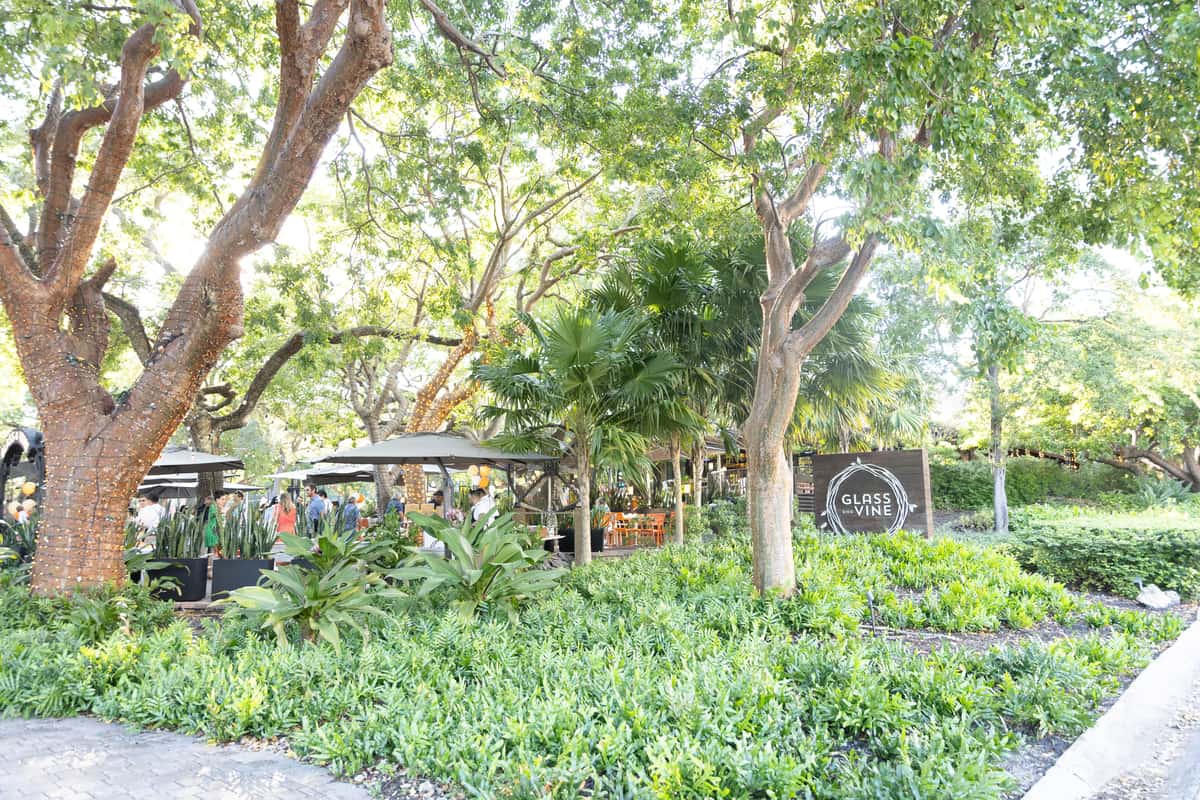
Coconut Grove's dense oak canopy and subtropical foliage create a natural architectural framework that venues build around rather than replace. Designers working in this neighborhood lean into the existing landscape, using open-air layouts and organic materials that complement the surrounding parkland. This approach differs from the high-rise, glass-heavy aesthetic common in downtown Miami or South Beach.
Color choices in Grove venues tend to draw directly from the environment. According to Remick Architecture, blues and greens induce relaxation and trust in hospitality spaces, while reds stimulate appetite and excitement, and purples convey luxury and creativity. Venues surrounded by tropical greenery, like those nestled under Peacock Park's canopy, naturally benefit from this calming effect, often reinforcing it with earth tones and coastal accents rather than competing against the palette nature already provides.
The neighborhood's walkable, village-scale character also shapes spatial design. Unlike sprawling convention-style venues, Coconut Grove spaces favor intimate layouts with distinct zones, garden pathways, and transitions between shaded and open areas. This creates a sense of discovery that feels organic to a neighborhood originally built around gathering places like the historic Peacock Inn.
Waterfront proximity adds another layer. Designers orient seating, lighting, and sightlines to capture bay breezes and water views, turning the surrounding landscape into an active design element rather than mere backdrop. For event planners seeking a venue where design and setting feel inseparable, Coconut Grove's natural character offers a foundation that few Miami neighborhoods can match.
How Can a Garden-Inspired Outdoor Dining Venue Elevate Your Miami Event?
A garden-inspired outdoor dining venue can elevate your Miami event by combining natural surroundings with flexible event capacity. Below, explore how Glass & Vine's Coconut Grove setting hosts events and the key design takeaways shaping Miami venues.
Can Glass & Vine's Open-Air Setting in Coconut Grove Host Your Next Event?
Yes, Glass & Vine's open-air setting in Coconut Grove can host your next event. Glass & Vine accommodates semi-private dining for 40 seated or 60 cocktail guests, with full buyout options for 200 seated or 300 cocktail guests. The restaurant sits beneath Peacock Park's oak canopy, offering a garden-inspired atmosphere that blends natural shade with refined service.
Coconut Grove itself strengthens the appeal. According to Juliana Savoia Real Estate, the neighborhood has a population of 34,651, a median age of 40.9, and an average individual income of $72,815. This affluent, mature demographic aligns well with upscale private events, corporate gatherings, and celebratory occasions.
Glass & Vine brings several features that complement current Miami event venue design trends:
- Natural canopy dining under mature oaks creates built-in biophilic ambiance without added décor costs.
- A playground-adjacent layout lets families attend events comfortably.
- Dog-friendly patio access accommodates inclusive gatherings.
- Brunch, lunch, dinner, and happy hour menus provide flexible timing for any event format.
For planners seeking a venue where tropical design elements are already part of the architecture, this combination of location, capacity, and natural setting is difficult to replicate elsewhere in Miami.
What Are the Key Takeaways About Miami Event Venue Design Trends?
The key takeaways about Miami event venue design trends center on five actionable principles:
- Biophilic integration matters most. Venues that blur indoor-outdoor boundaries through natural light, organic materials, and living greenery consistently create stronger guest experiences.
- Open-air flexibility drives revenue. A YISITE analysis found that a 60-seat outdoor venue gaining just one extra table turn weekly at a $30 average check adds nearly $94,000 in annual incremental income.
- Color and material choices shape mood. Tropical palettes, reclaimed wood, and sustainable finishes align with both guest expectations and environmental responsibility.
- Lighting sets the emotional tone. Layered approaches combining ambient string lights, candles, and LED installations define the most memorable event spaces.
- Neighborhood context amplifies the venue. Walkable, affluent areas like Coconut Grove add perceived value before guests even step inside.
Prioritizing venues that already embody these trends, rather than retrofitting generic spaces, saves planning time and delivers a more cohesive event experience.