
Ideas for Decorating Outdoor Dance Floor Miami Party
Ideas for Decorating Outdoor Dance Floor Miami Party
Decorating an outdoor dance floor for a Miami party is the process of selecting weather-appropriate materials, cohesive themes, and layered design elements that transform an open-air surface into a functional, visually striking centerpiece for celebration.
This guide covers climate and surface planning, Miami-inspired decoration themes, lighting and floral techniques, flooring and overhead treatments, perimeter styling, weather resistance, and venue selection in Coconut Grove.
Miami's tropical heat, humidity, and summer rainfall shape every material and fixture decision; sealed plywood, vinyl-wrapped tiles, and composite decking each serve different ground conditions, while proper sizing (roughly 4.5 square feet per dancer) keeps the floor proportional to the crowd.
Six decoration themes rooted in Miami's culture give planners a clear starting point. Tropical garden designs use tropical plants like bird of paradise and monstera; Art Deco glam channels geometric patterns and metallic accents from Miami Beach's 1930s architecture; coastal bohemian layers wicker, macramé, and driftwood; neon nightlife relies on LED strips and UV-reactive décor; minimalist modern favors clean lines and neutral palettes; and Old Havana brings wrought-iron lanterns, jewel tones, and Latin-inspired details.
Lighting options range from energy-efficient LED string lights and color-shifting uplights to projection mapping that syncs visuals to music. Hanging floral installations, living green walls, and tropical border plants add vertical texture without consuming floor space.
Custom vinyl wraps, mirrored panels, draped fabric canopies, and balloon garlands each layer additional atmosphere, while lounge zones and themed cocktail tables improve guest circulation. Choosing appropriately IP-rated fixtures, marine-grade textiles, and UV-treated finishes can help protect decorative elements during sudden downpours and coastal gusts.
What Should You Consider Before Decorating an Outdoor Dance Floor in Miami?
You should consider Miami's tropical climate, proper floor sizing, surface material selection, and local permit requirements before decorating an outdoor dance floor. The subsections below cover climate impact, ideal dimensions, and surface choices.
How Does Miami's Tropical Climate Affect Dance Floor Décor Choices?
Miami's tropical climate affects dance floor décor choices by exposing every material, fixture, and decorative element to intense heat, high humidity, heavy rainfall, and strong winds. A dance floor, defined by Oxford Learner's Dictionaries as "an area where people can dance in a hotel, club, etc.," becomes far more vulnerable when placed outdoors in South Florida conditions.
Decorations must withstand sudden afternoon downpours, salt-laden air, and UV exposure that fades fabrics and warps untreated wood. Lightweight centerpieces and unsecured signage can become hazards when gusts pick up during summer storms. Prioritizing weather-rated materials at the planning stage saves costly last-minute replacements and keeps guests safe throughout the event.
What Size Dance Floor Works Best for a Miami Outdoor Party?
The size dance floor that works best for a Miami outdoor party depends on guest count, event style, and available venue space. A common planning benchmark allocates roughly 4.5 square feet per dancing guest, so a party expecting 100 dancers needs approximately 450 square feet of floor area.
Modular rental sections, often sold in 3-by-3-foot panels, make it easy to scale up or down. According to the University of Florida Reitz Union's archived rental-rate schedule, dance floor sections in that size cost between $4 and $12 per panel depending on the renter category. Leaving adequate clearance around the perimeter allows room for décor borders, lighting rigs, and safe foot traffic between the dance area and surrounding seating.
How Do You Choose a Dance Floor Surface for an Outdoor Miami Venue?
You choose a dance floor surface for an outdoor Miami venue by matching the material to the specific ground conditions, expected weather, and decorative theme of the event. Common outdoor surface options include:
- Sealed plywood panels: Affordable and paintable, though they require waterproof coatings for Miami's rain.
- Vinyl-wrapped interlocking tiles: Moisture-resistant, customizable with printed graphics, and quick to install on grass or sand.
- Composite decking sections: Engineered to resist warping, fading, and mold in humid climates.
- Portable parquet flooring: Classic look suited to formal events, but needs a flat, level subbase.
According to the USDA Forest Service Forest Products Laboratory, wood finishes protect outdoor wood surfaces from water, sunlight, and weathering while providing a cleanable surface. For any Miami outdoor event, slip resistance matters as much as aesthetics; textured finishes or anti-slip coatings prevent accidents on surfaces that may collect condensation overnight.
With surface and sizing decisions in place, selecting a decoration theme brings the entire dance floor vision together.
What Are the Top Outdoor Dance Floor Decoration Themes for Miami Parties?
The top outdoor dance floor decoration themes for Miami parties draw from the city's tropical landscape, architectural heritage, and vibrant nightlife culture. The following themes cover tropical garden, Art Deco glam, coastal bohemian, neon nightlife, minimalist modern, and Old Havana styles.
Tropical Garden Theme
The tropical garden theme transforms an outdoor dance floor into a lush, immersive landscape using native plants, bold foliage, and organic textures. Monstera leaves, bird of paradise, and heliconia arranged along the dance floor perimeter establish an immediate sense of place. The University of Florida's Florida-Friendly Landscaping Plant Guide covers data on 500 Florida-Friendly plants, including appearance, drought tolerance, and salt tolerance, making it a practical resource for selecting species suited to specific Miami growing conditions.
- Potted palms and ferns anchor the corners of the dance floor.
- Orchid clusters on cocktail tables tie into the surrounding greenery.
- Bamboo tiki torches or rattan lanterns add warm, ambient glow.
This theme works especially well in garden venues where existing canopy already provides a natural ceiling.
Art Deco Glam Theme
The Art Deco glam theme channels Miami Beach's iconic 1930s architecture into dance floor décor through geometric patterns, metallic accents, and high-contrast color palettes. According to the City of Miami Beach, Art Deco features include bold geometric shapes, clean lines, symmetrical designs, zigzags, chevrons, and materials such as stainless steel, aluminum, and glass.
- Black-and-white checkered floor wraps with gold border detailing.
- Mirrored table centerpieces reflecting geometric candle holders.
- Sunburst motifs on signage and backdrop panels.
For planners who want a theme that feels distinctly Miami without going tropical, Art Deco glam delivers sophistication rooted in local history.
Coastal Bohemian Theme
The coastal bohemian theme blends beachy relaxation with eclectic, layered textures around the dance floor. NACE's 2025 Experience Wellness Lounge showcased this aesthetic through crisp white couches, wicker basket nest chairs, marble accent tables, green accents with plants, and calming misters to create an airy, restorative atmosphere.
- Macramé hangings and driftwood arches frame the dance floor entry.
- Woven jute rugs define lounge zones at the perimeter.
- Dried pampas grass in clay pots softens hard edges.
Coastal bohemian is one of the most forgiving themes for outdoor setups because its intentionally relaxed look absorbs imperfections gracefully.
Neon Nightlife Theme
The neon nightlife theme uses bold, electric lighting as the primary decorative element on and around the outdoor dance floor. Custom neon signs, LED strip lighting along floor edges, and color-wash uplights create the high-energy atmosphere Miami's club scene is known for. Fluorescent and UV-reactive décor elements, such as glow-in-the-dark table runners and neon balloon installations, amplify the effect after sunset.
- Neon signage with custom phrases or monograms as a photo backdrop.
- LED strips embedded under transparent or frosted dance floor panels.
- UV body paint stations near the dance floor for guest interaction.
This theme peaks in visual impact after dark, making it ideal for evening celebrations.
Minimalist Modern Theme
The minimalist modern theme strips dance floor decoration down to clean lines, neutral palettes, and intentional negative space. White or concrete-toned furniture, geometric planters with single-stem greenery, and simple pendant lighting define this aesthetic. Polished surfaces and restrained color, typically white, grey, and matte black, let the venue's natural surroundings and the dance floor itself become focal points.
- Acrylic furniture and transparent décor preserve visual openness.
- Single-variety floral arrangements in monochromatic vessels.
- Recessed or hidden lighting to maintain uncluttered sightlines.
Less truly becomes more here; every piece must earn its placement.
Old Havana Theme
The Old Havana theme brings Cuban heritage and warm nostalgia to an outdoor Miami dance floor through vintage furniture, rich jewel tones, and Latin-inspired details. Wrought-iron lanterns, terracotta planters, and cigar-box centerpieces set the scene. Deep emerald greens, burnt oranges, and aged gold accents evoke the patina of Havana's colonial architecture.
- Vintage rum barrels repurposed as cocktail tables.
- Hand-painted ceramic tiles bordering the dance floor.
- Live Latin music or a curated salsa playlist to complete the sensory experience.
With décor themes selected, the next step is choosing lighting that brings each concept to life.
What Lighting Ideas Work Best for an Outdoor Dance Floor in Miami?
The best lighting ideas for an outdoor dance floor in Miami include string lights, LED uplights, projection mapping, lantern arrangements, and neon signs. Each option creates a distinct atmosphere suited to open-air celebrations.
How Do String Lights and Fairy Lights Transform an Outdoor Dance Floor?
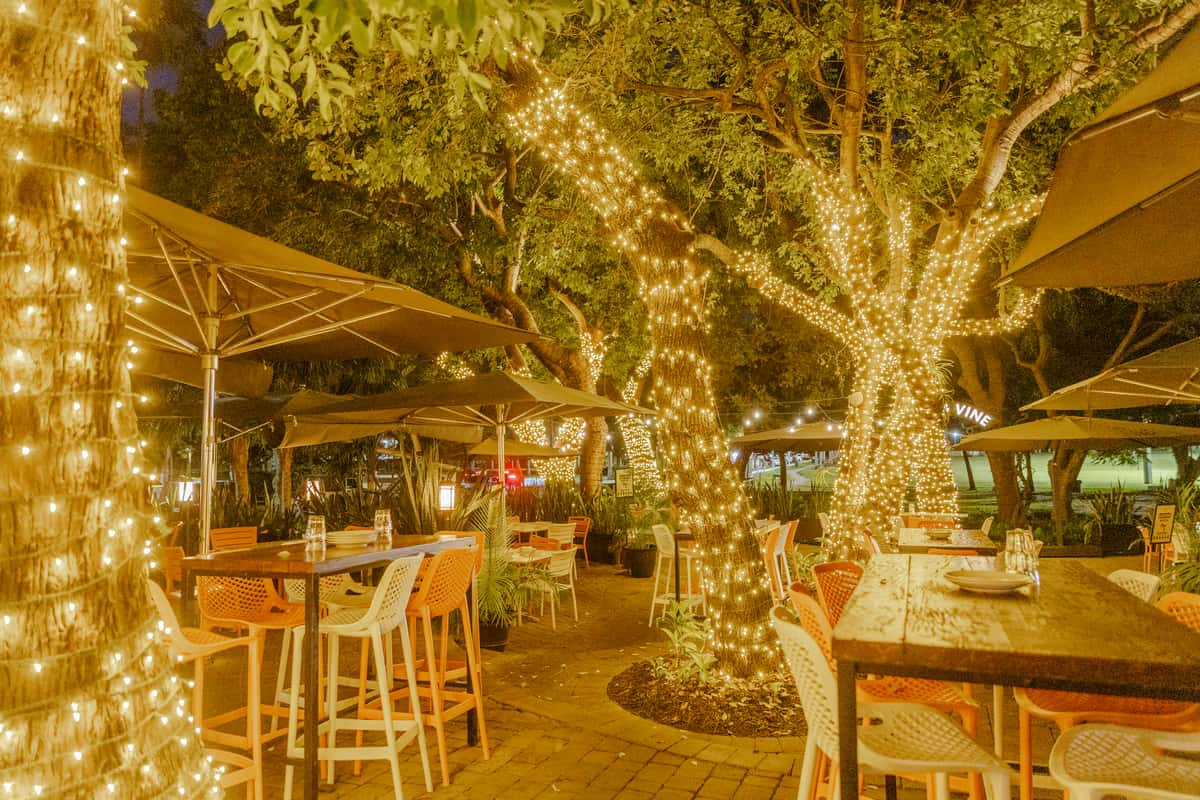
String lights and fairy lights transform an outdoor dance floor by creating a warm, layered canopy of ambient glow that defines the space without harsh brightness. Draped overhead in parallel lines or crisscross patterns, they guide guests naturally toward the dancing area while softening the surrounding landscape.
LED string lights are the practical choice for Miami's outdoor conditions. According to U.S. Environmental Protection Agency guidance, Energy Star LED outdoor lights require just 1/50th of the electricity of conventional lights and last 20 to 30 years. That durability matters in a city hosting year-round events; Miami-Dade County welcomed 28.2 million visitors in the July 2024 to June 2025 period, highlighting the scale of the region's tourism activity. Warm white fairy lights suit tropical garden themes, while color-changing strands complement neon nightlife setups.
What Effect Do LED Uplights Create Around a Dance Floor?
LED uplights create a dramatic wash of color that frames an outdoor dance floor from ground level, drawing the eye inward and establishing a visual boundary. Positioned along the perimeter or behind planters, these fixtures cast light upward onto trees, walls, or fabric backdrops.
Color flexibility is their greatest advantage. A single set of wireless, battery-powered LED uplights can shift from soft amber during dinner to vibrant magenta or teal once dancing begins. Because the fixtures sit at ground level, they still require suitable weather protection against rain and water accumulation. For Miami events, choosing uplights with a weather-resistant IP rating ensures reliable performance even when tropical humidity spikes. Pairing uplights with overhead string lights adds vertical depth that makes the dance floor feel immersive rather than flat.
How Can Projection Mapping Elevate a Miami Dance Floor?
Projection mapping elevates a Miami dance floor by casting dynamic, customizable visuals directly onto the floor surface, walls, or surrounding structures. Patterns can shift in real time, syncing to music tempo or transitioning between themed designs throughout the evening.
Miami already embraces this technology at the civic level. According to June 2025 minutes from the Miami-Dade County Cultural Affairs Council, the Lightspeed Facility project in Sweetwater incorporates light-based artwork, video projection mapping, kinetic artwork, and interactive media that responds to weather or atmospheric conditions. Bringing that same concept to a private outdoor celebration transforms a standard dance surface into an animated canvas. Tropical foliage patterns, ocean waves, or custom monograms can all rotate seamlessly, giving each phase of the party its own visual identity.
What Are the Best Lantern and Candle Arrangements for a Dance Floor Perimeter?
The best lantern and candle arrangements for a dance floor perimeter use a mix of heights and groupings to create depth without obstructing foot traffic. Cluster three to five lanterns at varying heights at each corner of the dance floor, then space individual lanterns every four to six feet along the edges.
Key placement guidelines include:
- Use hurricane-glass lanterns or enclosed pillar holders to shield flames from Miami's coastal breezes.
- Opt for LED flameless candles where open flames pose a safety concern or violate venue regulations.
- Alternate lantern finishes, such as brushed brass, matte black, or whitewashed wood, to match the party's theme.
- Place lanterns on low platforms or weighted bases so dancers cannot knock them over.
Floating candles in shallow glass bowls add a reflective element that pairs well with waterfront settings. For the most natural look, stagger heights rather than lining identical pieces in a single row.
How Do Neon Signs Add Personality to an Outdoor Dance Floor?
Neon signs add personality to an outdoor dance floor by serving as a bold, glowing focal point that anchors the party's theme. Custom phrases, names, or icons give guests a recognizable centerpiece for photos and wayfinding.
This approach has deep roots in South Florida's architectural identity. The City of Miami Beach identifies neon lighting used for dramatic effect as a defining feature of Art Deco design, alongside bold geometric shapes, vibrant color contrasts, and zigzag or sunburst motifs. A custom neon sign at an outdoor dance floor channels that same energy, whether it spells out a couple's names at a wedding or displays a playful phrase at a corporate event. LED neon flex tubing now replicates the classic glow while consuming far less power and generating minimal heat, making it practical for Miami's warm evenings.
With lighting anchored to the party's style, floral and greenery arrangements layer additional texture around the dance floor.
What Floral and Greenery Arrangements Enhance an Outdoor Dance Floor?
Floral and greenery arrangements enhance an outdoor dance floor by adding texture, color, and vertical dimension. The sections below cover hanging installations, tropical border plants suited to Miami, and living green walls as backdrops.
How Do Hanging Floral Installations Frame an Outdoor Dance Floor?
Hanging floral installations frame an outdoor dance floor by creating a canopy of color and movement overhead. Suspended arrangements, such as floral chandeliers, cascading garland hoops, and inverted bouquet clusters, draw the eye upward and define the dance area without occupying ground space.
For Miami's outdoor conditions, selecting heat-tolerant blooms like orchids, bougainvillea, and heliconias helps installations hold up through an evening event. Securing each piece to a sturdy overhead structure or truss system is essential when gusts pick up near the coast. Lightweight frames with wire or monofilament keep the look airy while reducing wind resistance. Mixing fresh flowers with preserved greenery, such as dried palm fronds, extends visual impact and reduces wilting under humidity.
What Tropical Plants Work Best as Dance Floor Border Décor in Miami?
The tropical plants that work best as dance floor border décor in Miami include bird of paradise, bromeliads, cabbage palms, crotons, and elephant ears. These species thrive in South Florida's heat and humidity, maintaining vibrant color throughout an outdoor event.
According to Fairchild Tropical Botanic Garden's Native Plant Network, growing native plants in pesticide-free landscapes can offer lower maintenance costs and increased wildlife presence, while suitable potted specimens may also be used for event borders. Potted arrangements let planners reposition or remove décor quickly if weather shifts. Grouping plants at varied heights, from low-growing ferns to tall palms, creates a lush perimeter that guides guests onto the dance floor. For hosts who want décor that lasts beyond the party, many of these species can be transplanted into a home garden afterward.
How Can a Living Green Wall Serve as a Dance Floor Backdrop?
A living green wall serves as a dance floor backdrop by providing a dense, vertical surface of foliage that doubles as a photo-ready feature and may offer limited sound absorption depending on its construction. Modular panel systems, filled with ferns, pothos, moss, and philodendrons, allow quick assembly and breakdown for a single event.
Freestanding green wall frames eliminate the need to attach anything to permanent structures, which may simplify installation, although venue approvals or permits can still apply. Integrated drip irrigation keeps plants hydrated in Miami's heat without visible watering equipment. Adding accent lighting, such as small uplights at the base, transforms the wall into a dramatic focal point after sunset. For sustainability-minded planners, renting living walls from local nurseries keeps costs down and ensures the plants return to cultivation rather than ending up as waste.
With greenery framing the dance area, complementary surface treatments can elevate the floor itself.
What Flooring and Surface Décor Ideas Elevate a Miami Dance Floor?
Flooring and surface décor ideas elevate a Miami dance floor by turning the ground itself into a design statement. Custom vinyl wraps, mirrored panels, and painted patterns each offer distinct visual impact.
How Do Custom Vinyl Dance Floor Wraps Create a Branded Look?
Custom vinyl dance floor wraps create a branded look by printing logos, monograms, or full-bleed graphics directly onto adhesive panels that cover the entire surface. These wraps transform a standard rental floor into a seamless extension of any event's visual identity, from corporate launches to wedding receptions.
Vinyl wraps suit outdoor Miami events because they resist moisture and can be applied over plywood, composite, or interlocking tile surfaces. Event designers increasingly treat every surface as a branding opportunity. According to the National Association for Catering and Events, the 2025 NACE Experience Wellness Lounge used cohesive material choices, including marble accent tables and green accents, to create an airy, restorative atmosphere.
For outdoor parties, choosing a matte-finish vinyl prevents glare under string lights and Miami's intense sun, while a glossy finish amplifies evening lighting effects.
What Effect Do Mirrored or Reflective Floor Panels Add?
Mirrored or reflective floor panels add depth and luminosity by bouncing light across the dance surface. These panels create an illusion of expanded space, making even compact outdoor setups in Miami feel open and dramatic.
Reflective surfaces amplify the output of surrounding lighting elements, such as uplights, string lights, and candles, multiplying their visual effect without additional fixtures. Acrylic mirror panels can be lighter and less prone to shattering than ordinary glass, but either material must be suitable for pedestrian use.
Humidity and foot traffic are the main considerations for Miami installations. Anti-fog coatings and non-slip clear overlays keep panels safe and visually sharp throughout the evening. Placing reflective panels at the center of the floor while using matte borders prevents a disorienting all-mirror surface.
How Can Painted or Stenciled Patterns Personalize a Dance Floor?
Painted or stenciled patterns personalize a dance floor by adding custom artwork, geometric designs, or thematic motifs directly onto the surface. This technique suits Miami's diverse party aesthetics, from Art Deco chevrons to tropical leaf silhouettes.
Effective pattern options include:
- Geometric tile patterns inspired by Miami's Art Deco heritage
- Tropical botanical stencils featuring monstera or palm fronds
- Monogram crests centered on the floor for weddings
- Ombré color gradients radiating from the center outward
Outdoor-rated floor paint or removable chalk-based formulas let hosts customize rental surfaces without permanent damage. For durability during a Miami party, applying a clear polyurethane topcoat protects the design from foot traffic and evening dew.
Painted floors offer the most budget-friendly personalization method compared to wraps or reflective panels, making them ideal for hosts who want high-impact décor without specialty rental costs. With surface treatments selected, overhead canopy décor adds the next layer of atmosphere.
What Overhead and Canopy Décor Ideas Work for Outdoor Dance Floors?
Overhead and canopy décor ideas that work for outdoor dance floors include draped fabric canopies, hanging installations, and sculptural pieces like balloon garlands. Each approach adds vertical interest and defines the dance area from above.
How Do Draped Fabric Canopies Set the Mood Over a Dance Floor?
Draped fabric canopies set the mood over a dance floor by creating an intimate, enclosed atmosphere within an open-air setting. Sheer fabrics like chiffon or organza soften overhead space, filtering light while allowing airflow. Heavier materials such as sailcloth or linen add a more structured, elegant frame.
For Miami's outdoor events, lightweight, weather-resistant fabrics perform best. The key options include:
- Sheer chiffon swags gathered at center points for a romantic, billowing effect
- Sailcloth tent panels that provide sun protection and a clean, polished look
- Layered tulle in gradient colors to reinforce a specific party theme
Anchoring fabric to sturdy overhead frames or tensioned cable systems prevents sagging in humid conditions. Choosing UV-resistant and quick-dry textiles is essential when staging any canopy outdoors in South Florida.
What Hanging Installations Add Dimension Above a Dance Floor?
Hanging installations that add dimension above a dance floor include suspended floral arrangements, geometric frames, crystal strands, and paper lantern clusters. These elements draw the eye upward and transform empty vertical space into a design feature.
Effective hanging installation types include:
- Floral chandeliers made from trailing greenery, orchids, or tropical blooms
- Geometric metal frames (hexagons, diamonds) wrapped with vines or string lights
- Crystal or acrylic bead curtains that catch and scatter light across the floor
- Clustered paper lanterns at staggered heights for layered visual depth
Each installation should be rigged to weight-rated anchor points. As a design option, mixing two to three installation types at varied heights can create visual interest without overwhelming the dance area.
How Do Balloon Garlands and Sculptural Pieces Work Outdoors in Miami?
Balloon garlands and sculptural pieces work outdoors in Miami when planners account for heat, humidity, and wind. Standard latex balloons degrade faster in direct sunlight and high temperatures; using UV-treated or foil balloons extends their display life considerably.
According to NOAA's 1991 to 2020 climate normals, Miami International Airport's mean daily maximum temperature reaches 90.7°F in August, making heat exposure an important consideration for outdoor balloon displays. Practical strategies for outdoor balloon and sculptural décor include:
- Installing balloon garlands in shaded areas or under canopy structures
- Choosing foil or Qualatex-grade latex designed for outdoor use
- Securing sculptural frames with weighted bases or engineered anchors rated for the wind conditions specified by the structure's manufacturer and applicable requirements.
- Scheduling inflation as close to event time as possible
Sculptural pieces made from acrylic, powder-coated metal, or resin resist moisture better than paper or untreated wood. With the right materials selected, overhead décor naturally complements the furniture and perimeter styling around the dance floor.
What Furniture and Perimeter Styling Complements an Outdoor Dance Floor?
Furniture and perimeter styling that complements an outdoor dance floor includes lounge zones for guest circulation, themed cocktail tables, and coordinated décor accents. The sections below cover how lounge areas improve flow and how cocktail table décor ties into your dance floor theme.
How Do Lounge Zones Around the Dance Floor Improve Guest Flow?
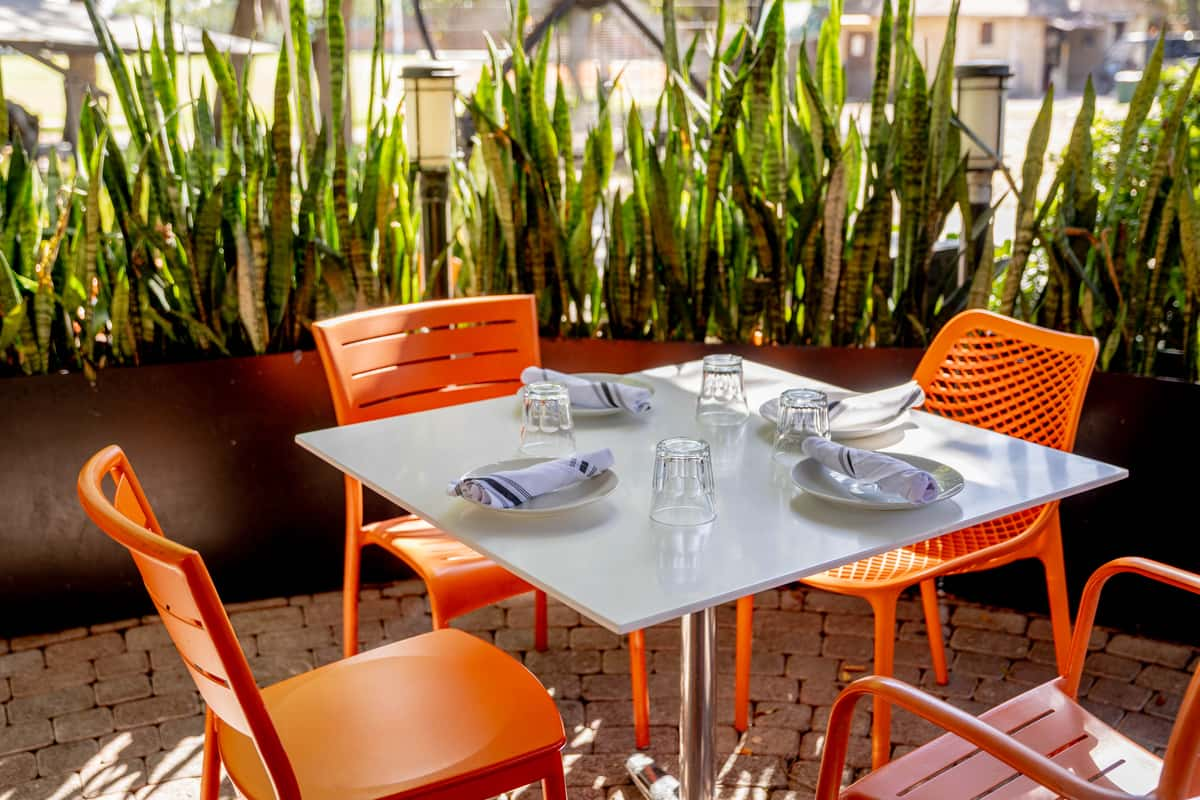
Lounge zones around the dance floor improve guest flow by creating designated rest areas that pull stationary guests away from active dancers. Placing clusters of low sofas, accent chairs, and ottomans at two or three points along the perimeter gives people a clear destination when they step off the floor. This separation prevents bottlenecks where dancing meets dining. Arrange seating to face the dance floor so guests remain visually connected to the energy. For Miami outdoor events, weather-resistant wicker, teak, or powder-coated aluminum frames hold up well in humid conditions. Coordinating upholstery colors and throw pillows with the dance floor theme unifies the entire event space.
What Kinds of Cocktail Table Décor Tie into the Dance Floor Theme?
Cocktail table décor ties into the dance floor theme through consistent color palettes, material choices, and accent details that mirror the floor's design story. Key approaches include:
- Matching table linens or runners to the dominant dance floor color scheme.
- Adding centerpieces that reflect the chosen theme, such as tropical leaves for a garden concept or geometric metallic vessels for Art Deco glam.
- Incorporating LED puck lights under translucent tabletops to echo any uplighting around the dance floor.
- Using themed signage, table numbers, or small props that reinforce the overall motif.
According to Arizona State University's event planning guide, banquet-style layouts require roughly 20 square feet per person when accommodating bars, buffets, a dance floor, and a stage. Factoring this spacing into cocktail table placement ensures guests can move freely between the dance area and surrounding tables.
With perimeter furniture and table styling aligned, weather-resistant materials keep the look intact throughout your Miami celebration.
How Do You Keep Outdoor Dance Floor Decorations Weather-Resistant in Miami?
You keep outdoor dance floor decorations weather-resistant in Miami by selecting materials rated for high humidity, UV exposure, and sudden rainfall. Key strategies include choosing IP-rated lighting, applying protective wood finishes, and planning around hurricane season.
Why Do Miami's Rain and Humidity Require Special Material Choices?
Miami's rain and humidity require special material choices because the city experiences extreme moisture year-round. According to NOAA's 1991–2020 monthly normals for Miami International Airport, mean precipitation reaches 10.22 inches in September and 9.58 inches in August, with summer temperatures averaging near 90°F. Combined with high humidity during humid weather, untreated fabrics, paper elements, and unsealed wood may deteriorate more quickly in these conditions.
Weather-resistant material choices for dance floor décor include:
- Synthetic florals and UV-stabilized greenery instead of fresh-cut arrangements prone to wilting.
- Marine-grade textiles for draping and canopy fabrics that resist mildew.
- Powder-coated metal frames for arches, signage, and structural pieces.
- Acrylic or tempered glass accents instead of materials that warp or stain.
Prioritizing materials engineered for coastal climates is the single most effective investment for any outdoor Miami event.
What IP Ratings Should Outdoor Dance Floor Lights Have?
Outdoor dance floor lights should have n IP rating appropriate to their exposure conditions for reliable performance in Miami's conditions. The International Electrotechnical Commission states that IP ratings grade an enclosure's resistance against intrusion of dust or liquids, with the first numeral (0–6) rating solid-object protection and the second numeral (0–9) rating liquid protection.
For outdoor dance floors, recommended IP ratings are:
- IP44: Provides protection against solid objects larger than 1 mm and splashing water; may suit some sheltered installations.
- IP65: Dust-tight and protected against water jets; may suit many exposed installations.
- IP67: Dust-tight and protected against temporary immersion under specified test conditions; may suit installations with potential brief immersion if the manufacturer permits it.
Selecting Energy Star LED options also reduces energy costs significantly. Always confirm IP ratings before renting or purchasing any lighting for an exposed outdoor event.
How Do You Protect Wood and Fabric Décor from Sun and Rain?
You protect wood and fabric décor from sun and rain by applying appropriate finishes and choosing weather-rated textiles. The USDA Forest Service notes that wood finishes protect surfaces and provide a cleanable barrier, and that for wood used outdoors, protection from water, sunlight, and weathering is most important.
Essential protection steps include:
- Applying exterior-grade polyurethane or marine varnish to any exposed wooden signs, frames, or table accents.
- Using UV-resistant spray treatments on fabric elements like table runners, cushion covers, and draped canopies.
- Positioning delicate décor under overhead structures whenever possible to limit direct sun exposure.
- Keeping waterproof tarps or covers on standby for quick deployment during sudden afternoon showers.
For planners working in South Florida, building a rain contingency into every décor layout is not optional; it is essential.
When Should You Schedule Setup and Takedown During Hurricane Season?
You should schedule setup and takedown during hurricane season with close attention to NOAA forecasts and county permit timelines. The National Hurricane Center states that the Atlantic hurricane season runs from June 1 to November 30, with peak activity occurring around September 10 and most storms concentrated between mid-August and mid-October.
Practical scheduling guidelines include:
- Monitoring seven-day forecasts daily during the week before the event.
- Delaying final décor installation until 24–48 hours before the event to minimize exposure time.
- Planning teardown within hours of event completion, especially for elevated or canopy-mounted pieces.
- Using weighted bases, sandbags, and quick-release anchor systems on all freestanding structures.
Miami-Dade County's draft solicitation for the Greynolds Park Love-In event also specifies short-term event permits for temporary structures like tents larger than 10 by 12 feet, with applications submitted 30–45 days before the event. Filing early leaves room for weather-related rescheduling without losing permits or deposits.
With weather-resistant décor strategies in place, the right venue amplifies every design choice.
How Can a Garden-Inspired Coconut Grove Venue Enhance Your Outdoor Party?
A garden-inspired Coconut Grove venue enhances your outdoor party by providing a naturally decorated setting that complements dance floor décor. Below, explore how Glass & Vine's open-air space fits decorated celebrations and review the key takeaways from this guide.
Does Glass & Vine's Open-Air Setting in Peacock Park Suit a Decorated Outdoor Celebration?
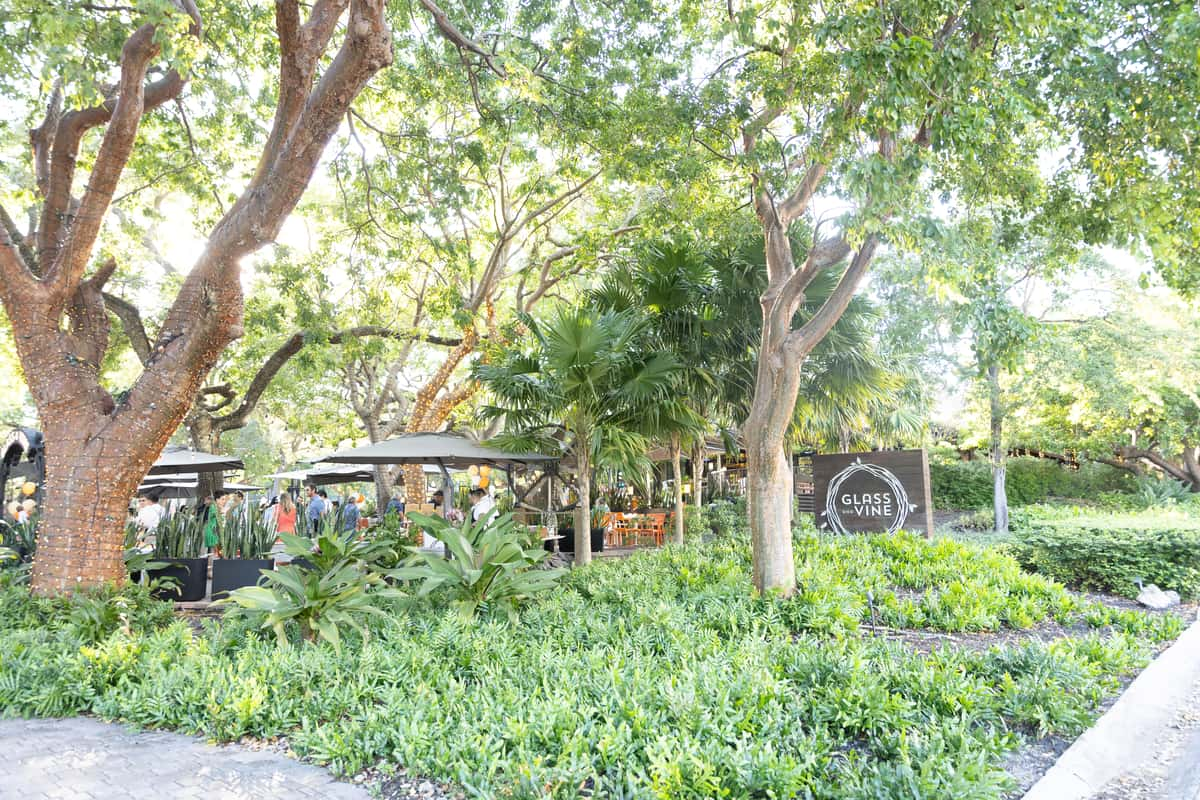
Yes, Glass & Vine's open-air setting in Peacock Park suits a decorated outdoor celebration. The restaurant sits beneath a mature oak canopy in one of Miami's oldest neighborhoods, providing a garden-inspired backdrop that reduces the need for heavy structural décor. Coconut Grove itself carries deep architectural character; according to the City of Miami Historic Preservation Division, the neighborhood's Coconut Grove West district features Bahamian-style Conch houses along Charles Avenue, reflecting a heritage that naturally blends tropical greenery with distinctive design. Glass & Vine's lush patio, playground-adjacent layout, and dog-friendly atmosphere make it adaptable for celebrations ranging from intimate gatherings to larger parties. For hosts planning a decorated outdoor dance floor, a venue with built-in natural beauty means every added element, from string lights to floral installations, works with the surroundings rather than against them.
What Are the Key Takeaways About Decorating an Outdoor Dance Floor for a Miami Party?
The key takeaways about decorating an outdoor dance floor for a Miami party center on climate readiness, cohesive theming, and layered design:
- Choose weather-resistant materials and IP-rated lighting to handle Miami's heat and humidity.
- Size the dance floor based on the expected number of dancers, while allowing roughly 20 square feet per person for the overall banquet layout when bars, buffets, a dance floor, and a stage share the space.
- Select a theme that reflects Miami's cultural palette, such as tropical garden, Art Deco glam, coastal bohemian, or Old Havana.
- Layer lighting, florals, overhead canopies, and perimeter furniture so each element reinforces the central theme.
- Use native or Florida-friendly plants for border décor to lower maintenance and support sustainability.
- Plan around hurricane season by securing temporary structures and confirming permit and insurance timelines well in advance.
A venue like Glass & Vine, with its garden canopy already in place, gives hosts a head start on creating an unforgettable outdoor dance floor experience.