
How To Properly Cook Ribeye Steak In The Oven?
How To Properly Cook Ribeye Steak In The Oven?
Oven-cooked ribeye steak is a dry-heat method that uses the cut's rich intramuscular marbling to self-baste during cooking, producing a juicy, flavorful result with consistent heat and minimal hands-on effort. This guide covers selecting and preparing your ribeye, dialing in oven temperatures and cook times for every doneness level, mastering searing techniques, and avoiding common mistakes that compromise results.
Choosing the right steak sets the foundation. A ribeye between 1 and 1.5 inches thick, graded USDA Choice or Prime, gives you the marbling needed to stay tender under sustained oven heat; bone-in cuts add flavor while boneless cook more predictably.
Preparation involves tempering the steak to room temperature so surface moisture evaporates, enabling the Maillard browning reaction to occur efficiently. Generous seasoning with coarse salt and black pepper (or an overnight dry brine for deeper flavor) completes the steak before it enters the oven.
Oven temperature ranges from 250°F for rare to 400°F for well-done, and two searing approaches; reverse sear or sear-first; each suit different steak thicknesses and schedules. Cook times span roughly 10 to 35 minutes depending on cut thickness, making an instant-read thermometer the single most reliable tool for hitting your target doneness.
Resting the finished ribeye for at least 3 minutes redistributes juices and completes carryover cooking, while pairing it with balanced sides like roasted potatoes, sautéed mushrooms, or an acidic salad rounds out the plate.
What Makes Ribeye Steak Ideal for Oven Cooking?
Ribeye steak is ideal for oven cooking because its rich marbling bastes the meat from within during dry-heat exposure, producing a juicy, flavorful result without constant attention. The oven's consistent, enveloping heat renders intramuscular fat evenly, something that distinguishes ribeye from leaner cuts like sirloin or filet mignon.
This marbling is what sets the ribeye apart. According to Kansas State University's School of Consumer Sciences, Prime beef has abundant marbling that is ideal for dry-heat cooking such as grilling or broiling, while Choice beef, typically sold in grocery stores, offers high quality with less marbling suitable for various cooking methods. Because oven roasting and broiling are both dry-heat techniques, the ribeye's fat content works in the cook's favor, melting slowly to keep the steak tender throughout.
For home cooks, this matters practically: a well-marbled ribeye is more forgiving in an oven than a lean cut. Even slight overcooking won't dry it out as quickly, giving you a wider window to hit your target doneness. That natural insurance policy makes the ribeye one of the most reliable steaks to cook at home, especially for those still building confidence with oven techniques.
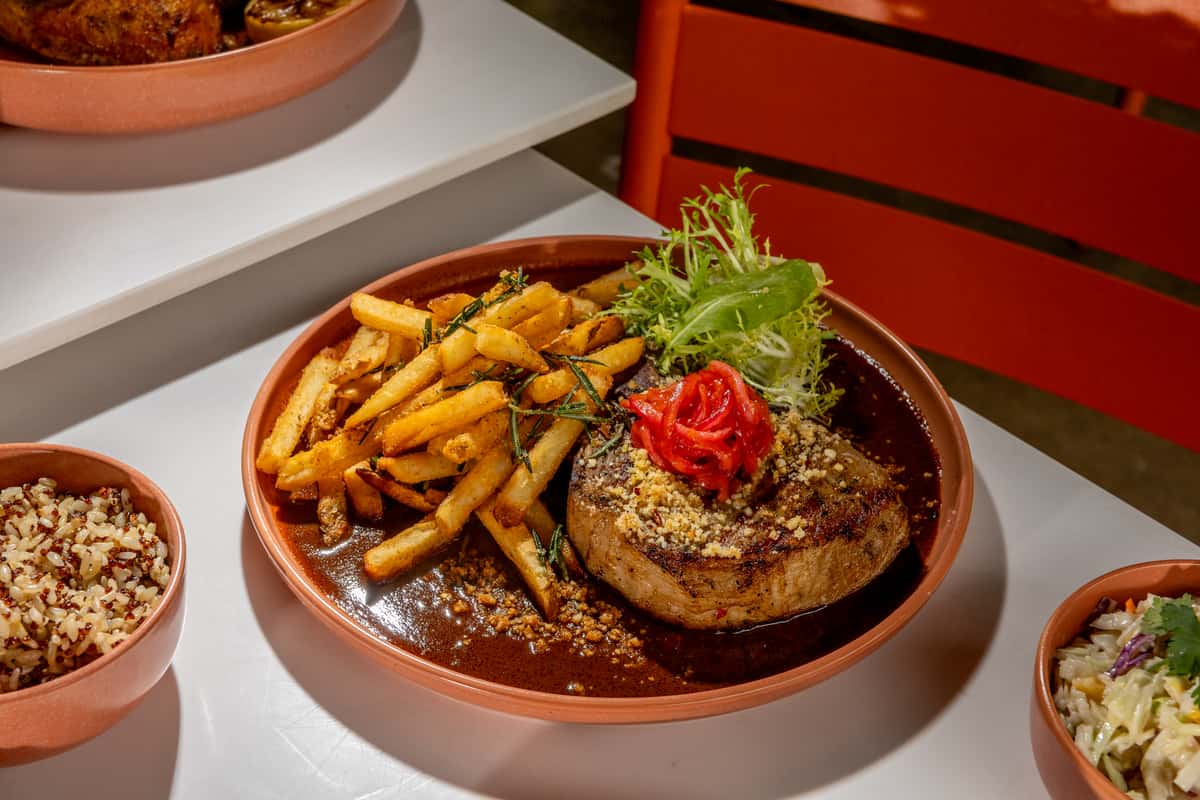
How Should You Select the Best Ribeye for Oven Cooking?
You should select the best ribeye for oven cooking by evaluating three factors: steak thickness, bone-in versus boneless cut, and USDA quality grade. Each choice affects cooking time, moisture retention, and final flavor.
What Is the Ideal Thickness for Oven-Cooked Ribeye?
The ideal thickness for oven-cooked ribeye is between 1 and 1.5 inches. Steaks cut thinner than 1 inch overcook quickly in the oven's dry heat, leaving little margin for error when targeting a specific doneness. Thicker cuts, around 1.5 inches, provide a larger window to develop a proper crust while keeping the interior at the desired temperature. For most home cooks, a 1.25-inch ribeye strikes the best balance between a well-browned exterior and a juicy center. Anything over 2 inches can work but typically requires a reverse-sear approach to cook evenly.
Should You Choose Bone-In or Boneless Ribeye for the Oven?
You should choose bone-in ribeye if you prioritize flavor and slower, more forgiving heat transfer; choose boneless for faster cooking and easier slicing. The bone acts as an insulator, which means bone-in cuts need slightly more oven time at the same thickness.
According to Beef. It's What's For Dinner broiling guidelines, a 1-inch bone-in ribeye requires 13 to 17 minutes, while a 1-inch boneless ribeye requires 14 to 18 minutes under the broiler. At 1.5 inches, bone-in steaks need 24 to 31 minutes compared to 21 to 27 minutes for boneless. For consistent oven results, boneless ribeye is more predictable, though bone-in delivers richer flavor from the marrow and connective tissue surrounding the rib bone.
What USDA Grade of Ribeye Works Best for Oven Cooking?
USDA Prime grade ribeye works best for oven cooking because its abundant marbling keeps the steak moist under sustained dry heat. According to Washington State University Extension, USDA beef quality grades are determined by animal maturity and intramuscular fat observed in the ribeye muscle between the 12th and 13th ribs, with marbling being the deciding factor for most feedlot cattle.
The three grades most relevant for home cooking are:
Prime has the highest marbling and excels with dry-heat methods like roasting and broiling.
Choice offers good marbling at a lower price point and performs well in the oven with proper technique.
Select contains less intramuscular fat and benefits from careful temperature monitoring to avoid dryness.
For oven cooking specifically, Choice is the practical sweet spot for most budgets. With proper seasoning and accurate temperature control, the next steps in preparation make even more difference than grade alone.
How Should You Prepare Ribeye Steak Before It Goes in the Oven?
You should prepare ribeye steak before it goes in the oven by tempering it to room temperature, seasoning generously, and optionally dry brining for deeper flavor. Each step builds the foundation for a better sear and more even cook.
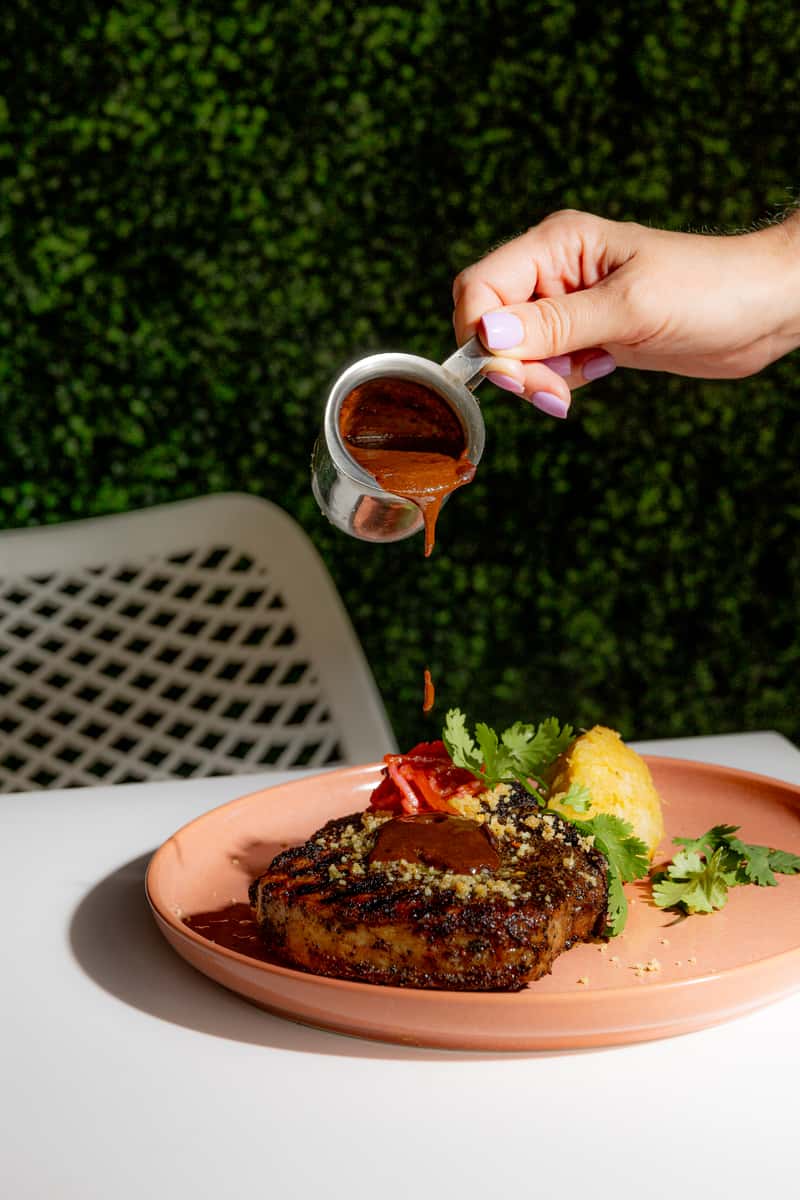
How Far in Advance Should You Temper Ribeye to Room Temperature?
You should temper ribeye to room temperature approximately 30 to 45 minutes before cooking. Pulling the steak from the refrigerator early allows the surface moisture to evaporate, which is critical for browning. According to research from North Carolina State University's College of Agriculture and Life Sciences, water holds down the temperature of the meat, so as moisture leaves, surface temperatures rise to around 350 degrees Fahrenheit, the point where the Maillard reaction happens quickly and efficiently. A cold steak placed directly into a hot oven or pan will cook unevenly, with the exterior overcooking before the center reaches the target doneness. Tempering is one of the simplest steps, yet skipping it is one of the most common preparation mistakes.
What Is the Best Way to Season a Ribeye for the Oven?
The best way to season a ribeye for the oven is with a generous coating of coarse salt and freshly cracked black pepper on all sides. Ribeye's rich marbling carries flavor throughout the meat, so simple seasoning lets the beef's natural taste shine. For added depth, consider:
Garlic powder or minced fresh garlic pressed into the surface.
A light brush of high-smoke-point oil, such as avocado or grapeseed, to promote crust formation.
Fresh herbs like thyme or rosemary placed on top during oven cooking.
Season just before cooking unless you plan to dry brine. When using a cast iron pan for the sear, its nonstick properties when properly heated help build an even crust without the steak sticking.
Should You Dry Brine Ribeye Before Oven Cooking?
Yes, you should dry brine ribeye before oven cooking if time allows. Dry brining involves salting the steak and resting it uncovered in the refrigerator for at least one hour, ideally up to 24 hours. Salt draws moisture to the surface initially, then the liquid reabsorbs into the muscle fibers along with the dissolved salt. This process seasons the meat beyond the surface and improves moisture retention during high-heat cooking. The result is a juicier interior with a drier exterior that sears more effectively. For best results, use about three-quarters of a teaspoon of kosher salt per pound of ribeye, applied evenly on both sides.
With preparation complete, choosing the right oven temperature determines your final doneness.
What Oven Temperature Should You Use for Ribeye Steak?
The oven temperature you should use for ribeye steak depends on your desired doneness, ranging from 250°F for rare to 400°F or higher for well-done. Each doneness level requires a specific oven setting and target internal temperature.
What Temperature Works Best for a Rare Ribeye?
The temperature that works best for a rare ribeye is a low oven set to 250°F. This gentle heat brings the steak slowly to an internal temperature of 120–125°F, preserving the cool, red center that defines rare doneness. Remove the ribeye when a thin, instant-read thermometer inserted into the side reads about 5°F below your target, since carryover cooking will raise the temperature during rest. A low oven is particularly forgiving with well-marbled cuts because the intramuscular fat stays soft and buttery at these temperatures rather than rendering out.
What Temperature Works Best for a Medium-Rare Ribeye?
The temperature that works best for a medium-rare ribeye is 275°F. Medium-rare is widely considered the ideal doneness for ribeye because the marbling begins to soften and baste the meat from within, producing a warm, pink center at 130–135°F internal temperature. According to Michigan State University Extension, a steak targeting medium-rare at 145°F can be pulled at 140°F since the internal temperature continues to rise briefly after removal from the heat source. For a true medium-rare with maximum juiciness, pull closer to 130°F and let carryover do the rest. This doneness level strikes the best balance between rendered fat and tender texture in a heavily marbled cut.
What Temperature Works Best for a Medium Ribeye?
The temperature that works best for a medium ribeye is 325°F. At this moderate oven setting, the ribeye reaches an internal temperature of 140–150°F, producing a pink center with firmer texture throughout. More intramuscular fat renders at this range, which adds flavor to the drippings but reduces overall juiciness compared to medium-rare. Pull the steak when your instant-read thermometer shows roughly 5°F below your final target to account for carryover. For ribeye specifically, medium remains a solid choice because the cut's generous marbling compensates for the additional moisture loss that leaner steaks would suffer.
What Temperature Works Best for a Well-Done Ribeye?
The temperature that works best for a well-done ribeye is 375–400°F. A higher oven temperature drives the interior to 160°F and above, eliminating all pink and producing a uniformly brown center. Most of the intramuscular fat renders out at this stage, so the finished steak will be noticeably firmer and drier than lower doneness levels. Ribeye handles well-done cooking better than leaner cuts precisely because it starts with more marbling to lose. Still, monitoring with an instant-read thermometer is essential to avoid pushing past 165°F, where even a well-marbled ribeye becomes tough.
With your oven temperature dialed in for the right doneness, the next consideration is whether to sear your ribeye before or after it enters the oven.
Should You Sear Ribeye Before or After Oven Cooking?
You should sear ribeye either before or after oven cooking, depending on your preferred method. Both approaches produce a flavorful crust, but they differ in timing, temperature control, and ease of hitting your target doneness. The two main techniques are reverse searing and the traditional sear-first method.
How Do You Reverse Sear a Ribeye Using the Oven?
You reverse sear a ribeye by cooking it in a low oven first, then finishing with a high-heat sear on the stovetop. Set your oven to 250°F and place the seasoned ribeye on a wire rack over a sheet pan. Cook until the internal temperature reaches about 10 to 15 degrees below your target doneness. Then transfer the steak to a preheated cast-iron skillet with oil and sear each side for roughly 60 seconds.
This method works especially well for thicker cuts of 1.5 inches or more, since the gradual heat produces an even edge-to-edge cook. According to North Carolina State University, surface temperatures need to reach around 350°F for the Maillard reaction to happen quickly and efficiently, which the final high-heat sear achieves in seconds. For anyone who prioritizes precise doneness control, reverse searing is the more forgiving technique.
How Do You Sear First Then Finish Ribeye in the Oven?
You sear first then finish ribeye in the oven by starting the steak in a screaming-hot cast-iron skillet, then transferring it to a preheated oven to reach the desired internal temperature. Heat the skillet over high heat until it just begins to smoke, add a high-smoke-point oil, and sear the ribeye for about two minutes per side. Then move the skillet directly into an oven set between 400°F and 425°F.
This traditional approach suits steaks around one inch thick that need less time to cook through. The immediate sear locks in a deep, caramelized crust from the start. As noted by Virginia Tech, cast iron pans are incredibly versatile and can move seamlessly from stove to oven, making them the ideal vessel for this technique. For weeknight cooking when speed matters, the sear-first method delivers a restaurant-quality ribeye with a faster overall timeline.
With your searing method chosen, knowing exact cook times for your steak's thickness ensures consistent results.
How Long Does It Take to Cook Ribeye Steak in the Oven?
It takes between 10 and 25 minutes to cook ribeye steak in the oven, depending on thickness and desired doneness. The sections below break down timing for one-inch, one-and-a-half-inch, and two-inch cuts.
How Long Should You Oven-Cook a One-Inch Ribeye?
You should oven-cook a one-inch ribeye for approximately 10 to 18 minutes at 400°F to 450°F, depending on your target doneness. According to Beef - It's What's For Dinner, a boneless one-inch ribeye requires 14 to 18 minutes under a broiler, while bone-in cuts need 13 to 17 minutes. For a standard oven roast at 400°F, expect roughly 10 to 12 minutes for medium-rare or 14 to 16 minutes for medium. Always verify with an instant-read thermometer rather than relying on time alone, since oven calibration and starting temperature both affect results. One-inch steaks cook quickly, so checking early prevents overshooting your preferred doneness.
How Long Should You Oven-Cook a One-and-a-Half-Inch Ribeye?
You should oven-cook a one-and-a-half-inch ribeye for approximately 18 to 25 minutes at 400°F, adjusting for your preferred level of doneness. According to Beef - It's What's For Dinner, boneless ribeyes at this thickness require 21 to 27 minutes when broiled, while bone-in cuts need 24 to 31 minutes. The added half inch of thickness creates a meaningful difference in cooking time compared to a one-inch steak. This thickness is arguably the sweet spot for oven cooking, since it allows a well-developed crust to form before the interior overcooks. Insert your thermometer from the side of the steak to get the most accurate reading.
How Long Should You Oven-Cook a Two-Inch Ribeye?
You should oven-cook a two-inch ribeye for approximately 25 to 35 minutes at 400°F, though the reverse-sear method works especially well at this thickness. A low oven set to 250°F to 275°F may require 30 to 45 minutes before a final high-heat sear. Two-inch cuts benefit from slower, gentler heat because the exterior can easily overcook while the center remains underdone at higher temperatures. For steaks this thick, patience is the most important ingredient. Pull the steak when the thermometer reads five degrees below your target, since carryover cooking will bring it to the finish line during rest.
Understanding cook times by thickness sets the foundation, but internal temperature remains the definitive measure of doneness.
What Internal Temperature Indicates Ribeye Is Done?
The internal temperature that indicates ribeye is done depends on your preferred level of doneness. Target temperatures range from 120°F for rare to 160°F for well-done, and accounting for carryover cooking is essential for accuracy.
Rather than cutting into your steak to check progress, use an instant-read thermometer inserted through the side of the ribeye into its thickest point. According to Michigan State University Extension, a medium-rare steak reaches 145°F, but it can be pulled from heat at 140°F since the internal temperature continues to rise briefly after removal. This carryover effect means you should always remove your ribeye about 5°F below the final target.
The standard pull temperatures for oven-cooked ribeye are:
Rare: Remove at 115–120°F for a final temperature of 120–125°F.
Medium-rare: Remove at 130–135°F for a final temperature of 135–140°F.
Medium: Remove at 140–145°F for a final temperature of 145–150°F.
Medium-well: Remove at 150°F for a final temperature of 155°F.
Well-done: Remove at 155°F for a final temperature of 160°F.
Investing in a reliable instant-read thermometer is the single most impactful upgrade a home cook can make for consistent steak results. Proper resting after reaching target temperature locks in those juices and completes the cooking process.
How Do You Rest Ribeye Steak After Oven Cooking?
You rest ribeye steak after oven cooking by transferring it to a warm plate or cutting board, tenting it loosely with aluminum foil, and letting it sit undisturbed for at least 3 minutes before slicing. Resting allows the internal temperature to stabilize and the muscle fibers to relax, redistributing juices throughout the meat rather than losing them onto the plate.
According to the USDA Food Safety and Inspection Service, beef cooked to 145°F (62.8°C) should rest for a minimum of 3 minutes. For thicker ribeye steaks, resting for 5 to 10 minutes yields even better results. During this period, carryover cooking continues to raise the internal temperature by a few degrees, which is why pulling the steak slightly before your target doneness matters. Cutting too soon forces flavorful juices out of the steak, leaving the meat drier and less tender. This single step, often rushed by home cooks, can make the difference between a good ribeye and an exceptional one.
Understanding how resting preserves your ribeye's juiciness sets the stage for avoiding other pitfalls that can undermine your results.
What Are Common Mistakes When Cooking Ribeye in the Oven?
Common mistakes when cooking ribeye in the oven include skipping the resting period, using the wrong temperature, neglecting to preheat the pan, and cutting into the steak too early to check doneness.
Skipping the thermometer. Cutting into ribeye to check doneness releases juices instantly. According to Michigan State University Extension, sliding a thin, instant-read thermometer into the side of the cut preserves moisture and gives an accurate reading.
Not resting the steak. Pulling ribeye from the oven and slicing immediately forces juices out. USDA guidelines recommend allowing steak to rest at least 3 minutes after reaching 145°F.
Overcrowding the pan. Placing multiple ribeyes in one skillet drops the pan's surface temperature, which prevents the Maillard reaction from occurring efficiently. That browning reaction accelerates around 350°F, so a cold, crowded pan produces steamed rather than seared meat.
Using a cold steak. Putting a refrigerator-cold ribeye directly into a hot oven creates uneven cooking. The exterior overcooks before the center reaches the target internal temperature.
Ignoring carryover cooking. Internal temperature continues to rise after the steak leaves the oven. For medium-rare at 145°F, removing the ribeye at 140°F accounts for this residual heat.
Choosing the wrong cookware. Thin baking sheets cannot retain or distribute heat evenly. Cast iron pans, as noted by Virginia Tech researchers, are incredibly versatile, working on the stove and in the oven while providing nonstick properties when properly seasoned.
Avoiding these errors is largely a matter of patience and the right tools. A reliable thermometer and a well-heated cast iron skillet eliminate most guesswork, making the difference between a mediocre result and a restaurant-quality ribeye. Knowing what to serve alongside your perfectly cooked steak completes the experience.
What Should You Serve Alongside Oven-Cooked Ribeye?
You should serve alongside oven-cooked ribeye a combination of sides that balance the steak's rich, fatty profile. The best pairings include starchy, vegetable, and acidic components.
Roasted potatoes or creamy mashed potatoes absorb rendered beef fat and complement the savory crust.
Sautéed mushrooms echo the umami depth of a well-marbled ribeye.
Creamed spinach or roasted asparagus adds a vegetal contrast that cuts through the richness.
A simple arugula salad with lemon vinaigrette provides acidity to cleanse the palate between bites.
Compound butter with herbs melts over the rested steak, reinforcing flavor without overpowering the beef.
For most home cooks, the mistake is overcomplicating the plate. Ribeye carries enough flavor on its own; sides should support, not compete. Understanding how to build a balanced steak dinner sets the stage for appreciating how restaurants approach the same challenge.
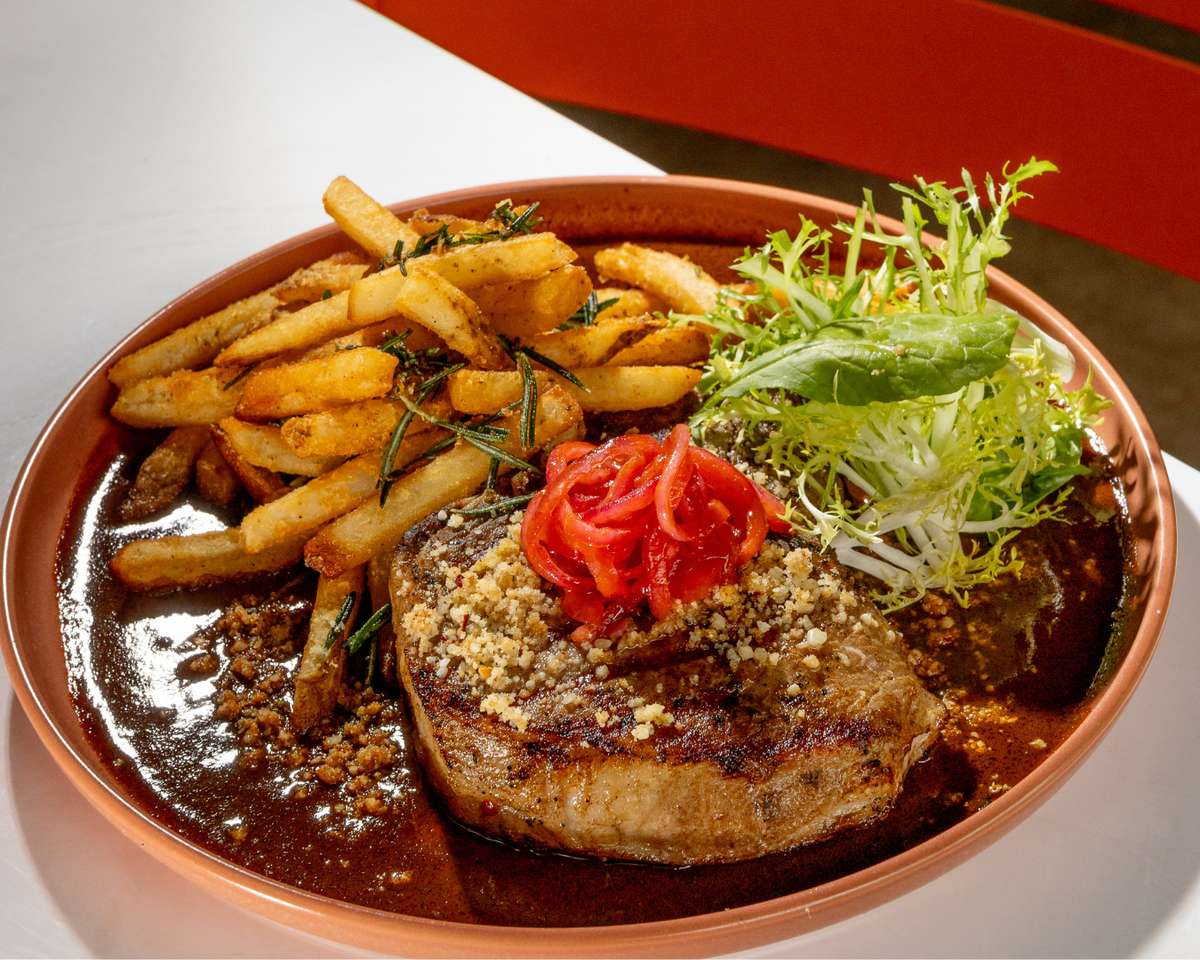
How Does Dining Out Compare to Cooking Ribeye at Home?
Dining out for ribeye offers professional preparation and ambiance, while cooking at home provides control over technique and cost. The comparison involves spending trends, steak quality preferences, and what a curated restaurant experience adds beyond the plate.
Can Glass & Vine's Locally Sourced Cuisine in Coconut Grove Elevate Your Ribeye Experience?
Yes, Glass & Vine's locally sourced cuisine in Coconut Grove can elevate your ribeye experience beyond what a home kitchen delivers. Set beneath the oak canopy of Peacock Park, Glass & Vine pairs refined culinary technique with ingredients sourced for freshness and flavor. The open-air, garden-inspired setting transforms a steak dinner into something sensory and atmospheric, something difficult to replicate at home.
While mastering oven-cooked ribeye is rewarding, a restaurant like Glass & Vine handles every variable: sourcing, seasoning, searing, resting, and plating. For those who appreciate ribeye but want to skip the prep, Glass & Vine offers a relaxed yet elevated alternative in the heart of Miami's Coconut Grove.
What Are the Key Takeaways About How to Properly Cook Ribeye Steak in the Oven?
The key takeaways about how to properly cook ribeye steak in the oven center on steak selection, temperature control, and resting. Choose a thick-cut ribeye with visible marbling, season generously, and use an instant-read thermometer to hit your target doneness. Searing before or after oven cooking develops the Maillard crust that defines a great steak, and resting redistributes juices for a tender finish.
Steak size also shapes the experience. According to a study published through South Dakota State University's Open PRAIRIE repository, consumers were willing to pay a premium of $1.50 per kilogram for large ribeye steaks over average-sized cuts, while half-sized ribeyes were discounted by $1.01 per kilogram. Investing in a full-sized, well-marbled ribeye is worth it for the best oven-cooked result.