
How to Plan a Corporate Event Miami
How to Plan a Corporate Event Miami
Planning a corporate event in Miami is the process of aligning your business objectives with the right venue, budget, vendors, and logistics to create a gathering that delivers measurable results in one of the country's most dynamic event markets.
This guide covers foundational planning steps, venue selection across Miami's neighborhoods, event types suited to corporate goals, menu and beverage programming, on-the-ground logistics, atmosphere and engagement strategy, local permits and regulations, and post-event success measurement.
Foundational planning starts with defining SMART objectives that connect every decision to a business outcome, then building a budget where venue and catering typically consume 60 to 70 percent of total costs. Lead time matters in Miami; popular spaces book months ahead, especially during peak convention season from November through April.
Venue selection depends on whether your format calls for indoor infrastructure or open-air ambiance, with guest count shaping everything from seating configuration to permit requirements. Coconut Grove sits between Brickell and Coral Gables, offering planners flexibility depending on an event's tone and audience.
Miami supports a wide range of corporate formats, including team-building activities, product launches, executive dinners, networking mixers, holiday celebrations, and seminars. Each format pairs differently with food service styles, bar programs, and dietary accommodation strategies.
Coordinating logistics like parking, audiovisual technology, and weather contingency planning requires South Florida-specific preparation; afternoon storms between June and September can materialize in minutes. Layered lighting, purposeful entertainment, and a venue with built-in natural character create atmosphere more effectively than heavy décor spending alone.
Local regulations around alcohol licensing, noise ordinances, and event permits shape your vendor contracts and timeline. Tracking success through attendance data, engagement metrics, and post-event surveys ensures the event's impact extends well beyond the day itself.
What Are the First Steps to Planning a Corporate Event in Miami?
The first steps to planning a corporate event in Miami are defining clear goals, establishing a realistic budget, and setting your planning timeline. Each of these foundational decisions shapes every choice that follows.
What Goals Should You Define Before Planning a Corporate Event?
The goals you should define before planning a corporate event are purpose-driven objectives that connect the event to measurable business outcomes. Every decision, from venue selection to catering style, flows from these initial goals.
According to Cvent's corporate event planning guide, event objectives should follow the SMART framework:
- Specific: Identify the desired outcome and timeline.
- Measurable: Define success through ROI or return on objectives.
- Achievable: Set targets your team can realistically deliver.
- Relevant: Align the event with broader business goals.
- Time-bound: Attach deadlines to each milestone.
Common corporate event goals include launching a product, strengthening client relationships, rewarding employees, or generating leads. Without clearly defined objectives, budgets inflate and logistics lose focus. Starting with SMART goals is the single most effective way to keep a Miami corporate event on track from day one.
How Do You Set a Realistic Budget for a Corporate Event in Miami?
You set a realistic budget for a corporate event in Miami by identifying your guest count, event format, and must-have elements first, then allocating funds proportionally across major cost categories. Miami's market carries a premium, so accurate budgeting prevents costly surprises.
According to Booking.com for Business, 65% of corporate event budgets are allocated to venue and food costs. With that concentration in mind, prioritize these line items:
- Venue and catering: The largest expense; secure pricing early.
- Entertainment: Solo DJ packages start around $2,500, while name-brand talent with production riders can exceed $25,000.
- AV and technology: Presentation equipment, microphones, and lighting.
- Décor and rentals: Tenting, furniture, and floral arrangements.
- Transportation and parking: Valet or shuttle services for guests.
For most planners, building a 10-15% contingency buffer into the total budget is essential in Miami's competitive vendor market.
How Far in Advance Should You Start Planning a Miami Corporate Event?
You should start planning a Miami corporate event at least three to six months in advance, depending on the event's scale and complexity. Larger events with 200 or more guests, custom production, or peak-season dates often require six to twelve months of lead time.
Miami's high demand for event venues, especially during convention season from November through April, means popular spaces book quickly. Securing your venue and key vendors early locks in availability and pricing before seasonal rate increases take effect. Smaller gatherings, such as executive dinners or team happy hours, can come together in four to eight weeks when the venue offers in-house coordination.
Building a phased timeline with vendor deadlines, guest RSVP milestones, and a final walkthrough week keeps every detail accountable. With your goals, budget, and timeline established, the next step is choosing the right Miami venue.
How Do You Choose the Right Venue for a Corporate Event in Miami?
You choose the right venue for a corporate event in Miami by evaluating indoor and outdoor capacity, location accessibility, and total cost alignment with your budget. The following sections cover indoor venue priorities, outdoor considerations, guest count impact, and essential site visit questions.
What Should You Look for in an Indoor Corporate Event Venue in Miami?
You should look for built-in AV capability, flexible floor plans, and bundled catering when evaluating an indoor corporate event venue in Miami. Venue rental and catering account for 60–70% of total event costs, according to Booking.com for Business, so choosing a space with in-house food service reduces coordination overhead and controls spending.
Key indoor venue priorities include:
- Climate control and acoustics suitable for presentations and panel discussions.
- Modular layout options that shift between theater, banquet, and cocktail configurations.
- On-site catering partnerships that simplify vendor management and reduce outside fees.
- Proximity to transit and hotels, particularly for out-of-town attendees.
Location within Miami matters as much as the space itself. Coconut Grove sits equidistant from Brickell's high-rise event floors and Coral Gables' historic properties, which gives planners real venue flexibility depending on an event's tone. For most mid-size corporate gatherings, prioritizing a venue that bundles food, beverage, and space into one contract produces fewer logistical surprises than assembling everything separately.
What Should You Look for in an Outdoor Corporate Event Venue in Miami?
You should look for a reliable weather contingency plan, adequate shade, and permitted noise levels in an outdoor corporate event venue in Miami. Open-air spaces create a memorable atmosphere, but they demand more logistical preparation than enclosed rooms.
Essential outdoor venue features include:
- Covered or canopy-shaded areas that protect guests from sun exposure and light rain.
- A contractual rain contingency specifying indoor backup or tent provisions.
- Compliant sound infrastructure that meets Miami-Dade noise ordinances, especially for evening events.
- Accessible restrooms, power sources, and lighting built into the property rather than rented separately.
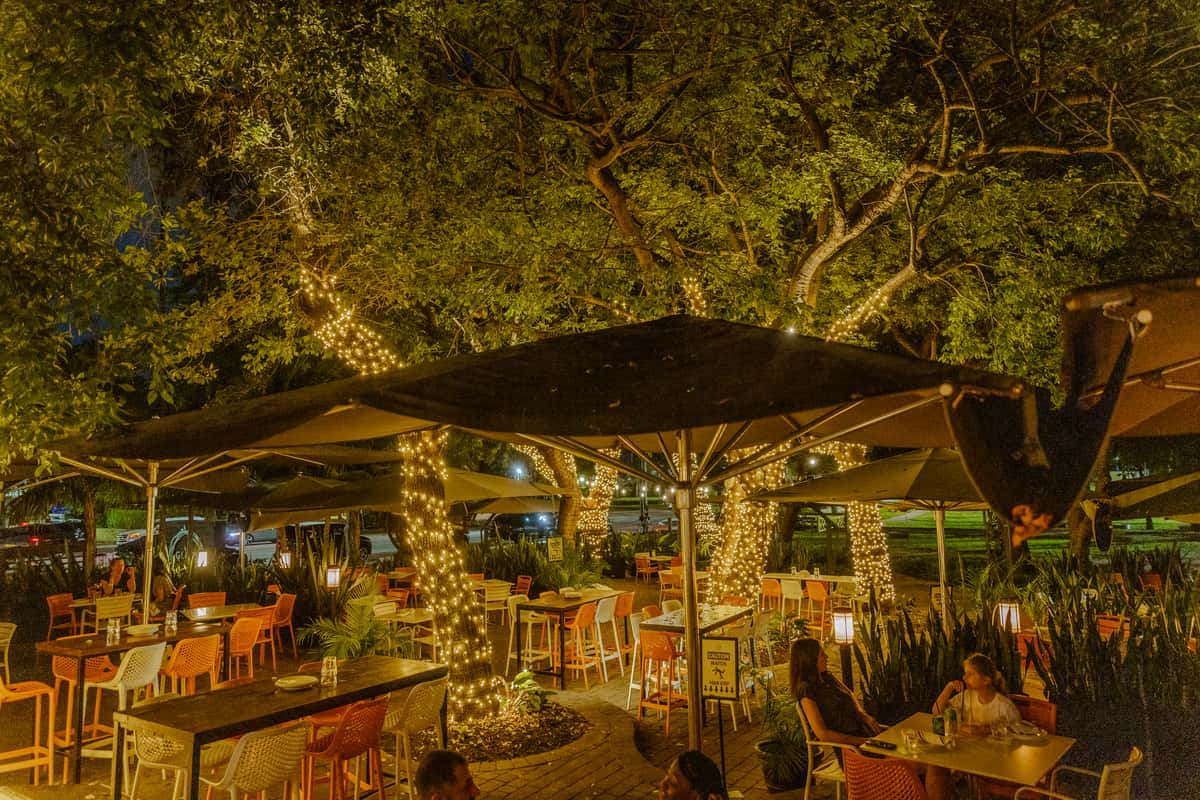
Garden settings with mature tree canopies offer natural shade and visual appeal that reduce décor costs considerably. When an outdoor venue already provides ambiance through its landscape, planners can redirect budget toward catering and programming instead.
How Does Guest Count Affect Venue Selection in Miami?
Guest count affects venue selection in Miami by determining minimum square footage, catering format, seating configuration, and permit requirements. A 50-person executive dinner demands an intimate space, while a 300-person product launch needs open floor plans with staging capacity.
Miami-Dade County saw a record 28.23 million visitors in 2024, according to the Greater Miami Convention & Visitors Bureau. That tourism volume means venues book quickly, especially during peak convention months.
- Under 75 guests: Private dining rooms or garden patios work well for seated meals and focused discussions.
- 75–200 guests: Mid-size restaurants, boutique hotels, and park-adjacent venues offer the best balance of atmosphere and capacity.
- 200+ guests: Convention-style spaces, large outdoor properties, or waterfront estates become necessary.
Confirming maximum occupancy with the venue early prevents costly last-minute changes to layout or vendor contracts.
What Questions Should You Ask During a Miami Venue Site Visit?
The questions you should ask during a Miami venue site visit cover capacity limits, vendor restrictions, insurance requirements, and hidden fees. A thorough walkthrough prevents contract surprises that inflate costs after signing.
Ask about the following during every site visit:
- What is the venue's maximum capacity for your preferred layout (seated dinner, cocktail reception, theater-style)?
- Are outside vendors permitted, or must you use approved caterers and AV providers?
- What insurance and permits does the venue require from the event organizer?
- What is the noise cutoff time, and does the venue handle compliance or does the planner?
- Are setup and breakdown hours included in the rental fee, or billed separately?
- What happens if the event exceeds the agreed timeline?
Always request a second visit during the same time of day your event will run. Lighting, noise levels, and foot traffic shift dramatically between afternoon and evening, and those conditions directly shape the guest experience.
With the right venue locked in, the next step is matching your event type to Miami's unique hosting opportunities.
What Types of Corporate Events Can You Host in Miami?
The types of corporate events you can host in Miami range from intimate executive dinners to large-scale conferences. The sections below cover team-building events, product launches, client appreciation dinners, networking mixers, holiday celebrations, and seminars.
Team-Building Events
Team-building events strengthen collaboration, communication, and morale across departments. According to a 2024 Flair.hr report, 63% of leaders observed improved team communication and 61% noted enhanced morale following team-building activities. Miami's outdoor venues make these gatherings especially effective, as tropical surroundings create a relaxed atmosphere where colleagues connect beyond the office. Activities can include group cooking challenges, scavenger hunts, or collaborative problem-solving exercises. A garden setting with open-air flow encourages organic interaction that structured conference rooms simply cannot replicate.
Product Launches and Brand Activations
Product launches and brand activations are corporate events designed to generate excitement around a new offering or reinforce brand identity. Miami's vibrant cultural energy provides a natural backdrop for creating memorable first impressions. These events typically combine curated food and beverage programs with visual storytelling elements, from branded installations to live demonstrations. Choosing a venue with distinctive ambiance reduces the need for heavy production buildouts, since the setting itself becomes part of the brand narrative. For companies seeking national media attention, Miami's status as a high-profile destination adds inherent cachet to any launch.
Executive Dinners and Client Appreciation Events
Executive dinners and client appreciation events are intimate, high-touch gatherings built around hospitality and relationship-building. A seated dinner for key clients or senior leadership requires a venue that balances sophistication with warmth. Menu curation matters significantly here; locally sourced, chef-driven courses signal thoughtfulness and attention to detail. These smaller-format events, often in the 20 to 50 guest range, benefit from settings where conversation flows naturally without competing with crowd noise. The goal is an environment where every guest feels personally valued.
Company Happy Hours and Networking Mixers
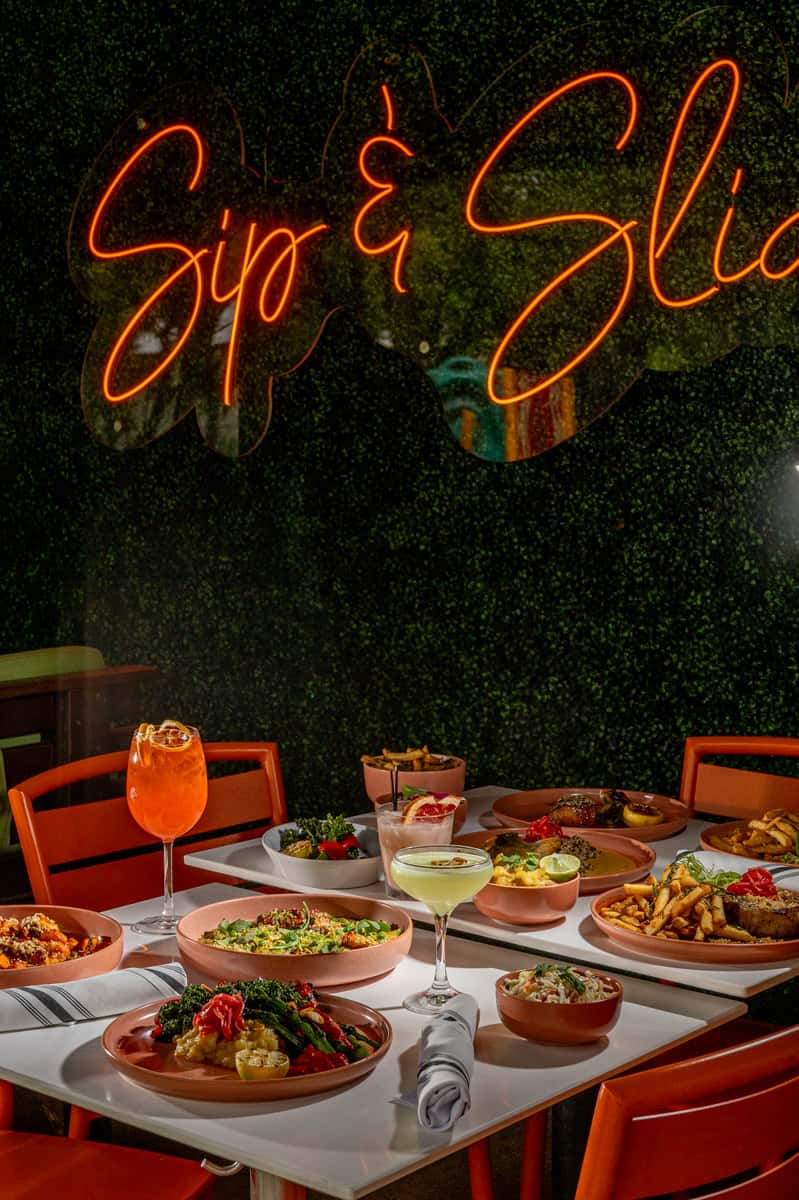
Company happy hours and networking mixers are casual, social-forward events that encourage organic conversation among colleagues, clients, or industry peers. These gatherings work best in open, walkable spaces where guests can move freely between groups. A curated cocktail program and shareable bites keep the atmosphere light while still reflecting corporate standards. With team building ranking as the most popular corporate event type at 50% and after-work parties close behind at 46%, according to Flair.hr, these formats consistently drive strong attendance and employee satisfaction.
Holiday Parties and Milestone Celebrations
Holiday parties and milestone celebrations mark company achievements, year-end milestones, or seasonal traditions. These events typically carry a higher production value than casual mixers, incorporating themed décor, entertainment, and multi-course dining. Miami's year-round warm climate allows outdoor celebrations even during winter months, a distinct advantage over northern cities. Whether recognizing a company anniversary, a successful quarter, or a holiday gathering, the venue atmosphere sets the emotional tone. Lush, garden-inspired settings create a festive yet refined experience that feels special without excessive formality.
Conferences and Seminars
Conferences and seminars are structured corporate events focused on education, strategy, and professional development. These formats require reliable audiovisual capabilities, flexible seating configurations, and breakout-friendly layouts. Miami draws strong attendance for corporate conferences partly because the destination itself incentivizes participation. Planners should look for venues that balance functional infrastructure with an engaging atmosphere, since attendees retain more in environments that feel dynamic rather than sterile. For smaller seminars and leadership retreats, an outdoor venue with natural light and garden surroundings offers a welcome alternative to conventional hotel ballrooms.
With the right event format selected, building a tailored menu becomes the next planning priority.
How Do You Plan a Corporate Event Menu in Miami?
You plan a corporate event menu in Miami by selecting a food service style that matches your event format, accommodating dietary restrictions across your guest list, and deciding whether a curated bar program fits your goals.
What Food Service Styles Work Best for Corporate Events?
The food service styles that work best for corporate events depend on the event's format, guest count, and objectives. Because corporate events serve strategic purposes, from launching products to rewarding staff, the menu format must support the agenda rather than compete with it. According to Cvent, corporate events are often staged to communicate company strategy, motivate staff, or influence customer behavior toward the brand.
The most effective service styles for corporate settings include:
- Plated dinners suit executive gatherings and client appreciation events where structured pacing matters.
- Buffet stations allow flexibility for larger groups and networking-focused formats.
- Passed hors d'oeuvres keep guests circulating during cocktail receptions and product launches.
- Family-style service encourages conversation and works well for team-building dinners.
Matching service style to event purpose prevents awkward logistics and keeps the focus on your goals.
How Do You Accommodate Dietary Restrictions at a Corporate Event?
You accommodate dietary restrictions at a corporate event by collecting guest preferences early and building menu options that cover the most common needs. Pre-event surveys sent with RSVPs should ask about allergies and dietary preferences directly.
A well-planned corporate menu addresses these categories:
- Food allergies such as nuts, shellfish, dairy, and gluten require clearly labeled dishes and kitchen protocols.
- Religious dietary laws including kosher and halal preparations need advance coordination with the caterer.
- Plant-based preferences like vegan and vegetarian options should be integrated into the main menu, not treated as afterthoughts.
- Medical restrictions such as low-sodium or diabetic-friendly selections accommodate guests with chronic conditions.
Labeling every dish with its ingredients eliminates guesswork and shows attendees their needs were anticipated.
Should You Include a Curated Bar Program at a Corporate Event?
Yes, you should include a curated bar program at a corporate event when the format encourages socializing and the occasion warrants it. A thoughtfully designed beverage menu elevates networking receptions, happy hours, and celebration dinners. Since venue and food costs account for roughly 65% of corporate event budgets, according to Booking.com for Business, the bar program should be scaled to match overall spending priorities.
Effective bar program options include:
- Signature cocktails tied to the company brand or event theme.
- Limited open bar with a set time window to control costs.
- Wine and beer pairings selected to complement the food menu.
- Non-alcoholic craft options for guests who prefer alcohol-free beverages.
For planners weighing this decision, a curated program signals intentionality and attention to detail, which reflects well on the host organization. With the menu finalized, coordinating logistics like parking, AV, and weather planning brings the full event together.
What Logistics Do You Need to Coordinate for a Miami Corporate Event?
The logistics you need to coordinate for a Miami corporate event include parking and transportation, audiovisual technology, and weather contingency planning. Each element requires advance preparation specific to South Florida's urban layout and climate.
How Do You Handle Parking and Transportation in Miami?
You handle parking and transportation in Miami by securing dedicated parking arrangements and coordinating guest transit well before the event date. Coconut Grove offers street parking and nearby garages, but capacity fills quickly during peak hours. Corporate planners should consider these transportation options:
- Arrange valet parking service to streamline guest arrivals and reduce congestion.
- Book shuttle loops from nearby hotels or central meeting points for larger groups.
- Share rideshare drop-off coordinates with attendees in advance.
- Reserve a block of spaces in the closest municipal garage if the venue lacks a private lot.
Confirming these details at least three weeks out prevents day-of bottlenecks, especially for events exceeding 100 guests.
What Audiovisual and Technology Setup Do Corporate Events Require?
The audiovisual and technology setup corporate events require depends on the event format, guest count, and presentation needs. Presentations and keynotes call for a high-lumen projector or LED display, a wireless microphone system, and a confidence monitor for speakers. Networking mixers and dinners typically need ambient sound reinforcement and background music capability rather than a full stage rig.
Essential AV elements for most corporate events include:
- Wired and wireless microphones for speeches or panel discussions.
- A sound system sized to the venue's square footage and ceiling height.
- Wi-Fi bandwidth sufficient for simultaneous guest connectivity and live streaming.
- On-site AV technician support for real-time troubleshooting.
Conducting a technical walkthrough at the venue at least two weeks prior helps identify power access points and signal dead zones.
How Do You Plan for Miami's Weather at an Outdoor Corporate Event?
You plan for Miami's weather at an outdoor corporate event by building a rain contingency into every contract and timeline. South Florida offers beautiful conditions roughly eight months of the year, but the period from June through September brings afternoon thunderstorms that can materialize in under 20 minutes, according to a 2025 Opulence Entertainment Group production guide. That speed leaves no room for improvisation.
Practical weather planning measures include:
- Requiring a covered backup space or tent structure in the venue contract.
- Monitoring radar forecasts starting 72 hours before the event and assigning a weather-watch point person.
- Scheduling outdoor programming during morning hours when storm risk is lowest.
- Placing all AV equipment under weatherproof cover regardless of the forecast.
For planners choosing open-air venues during peak summer months, the contingency plan is not optional; it is the plan. With logistics locked in, creating the right atmosphere becomes the next priority. Some Coconut Grove venues, including the oak-canopied setting at Glass & Vine, naturally provide overhead shade cover that mitigates Miami's intense sun exposure while still delivering an open-air experience.
How Do You Create an Engaging Atmosphere at a Corporate Event?
You create an engaging atmosphere at a corporate event by combining strategic lighting, purposeful entertainment, and a venue whose built-in ambiance does much of the work. The following sections cover décor and lighting, entertainment programming, and why venue ambiance outweighs decoration alone.
What Décor and Lighting Choices Elevate a Corporate Event?
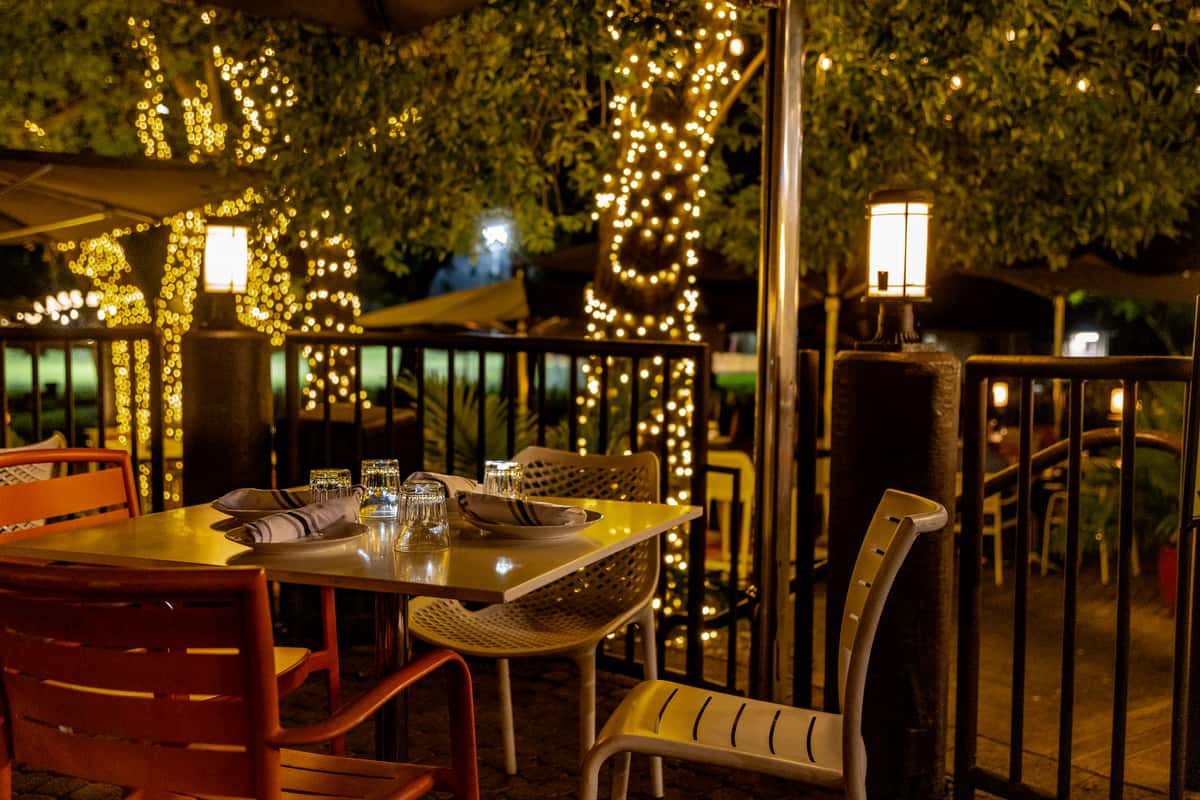
Décor and lighting choices elevate a corporate event by setting the visual tone guests experience from the moment they arrive. Layered lighting produces the most impact: ambient uplighting establishes mood, pin spots highlight centerpieces or signage, and bistro string lights soften outdoor spaces. Color temperature matters just as much as fixture placement. Warm tones around 2700K encourage relaxed networking, while cooler tones suit presentation-heavy formats. Décor should reinforce brand identity without overwhelming the space. Branded table runners, floral arrangements in company colors, and minimalist signage all communicate professionalism. For outdoor Miami venues, natural elements like tropical greenery reduce the need for heavy decorative installations, letting the setting itself carry the aesthetic.
How Does Entertainment or Programming Keep Guests Engaged?
Entertainment or programming keeps guests engaged by breaking passive attendance into active participation. Structured programming creates natural rhythm throughout the event, alternating between high-energy moments and conversational breaks. According to a 2025 Miami event production cost guide by Opulence Entertainment Group, live entertainment budgets for Miami corporate events start around $2,500 for a solo DJ and scale to $25,000 or more for name-brand talent with full production riders. Effective engagement options include:
- Live acoustic sets during cocktail hours to encourage mingling.
- Interactive stations, such as mixology demos or branded photo activations.
- Keynote segments or panel discussions that tie back to the event's objectives.
- Team-building activities woven into the timeline rather than isolated as a separate block.
The best programming matches the event's purpose. A client appreciation dinner benefits from understated live music, while a product launch demands high-energy visuals and a tightly scripted reveal.
Why Does Venue Ambiance Matter More Than Decoration Alone?
Venue ambiance matters more than decoration alone because ambiance is the cumulative sensory experience guests absorb, while décor addresses only the visual layer. A venue with strong natural character, such as mature tree canopies, open-air layouts, or distinctive architecture, provides a baseline atmosphere that no amount of rented décor can replicate. When a space already carries its own personality, event planners can direct more of the budget toward food, entertainment, and guest experience rather than compensating for a blank-box venue. In Miami, where corporate groups often include out-of-town attendees, a venue with built-in tropical ambiance creates a memorable sense of place that reinforces the event's purpose.
With atmosphere established, understanding local permits and regulations ensures the event runs without disruption.
What Permits or Regulations Apply to Corporate Events in Miami?
The permits and regulations that apply to corporate events in Miami include alcohol licensing, noise ordinance compliance, and event-specific permits from Miami-Dade County. Understanding these requirements before signing a venue contract prevents costly surprises and last-minute cancellations.
Corporate events serving alcohol in Miami must comply with Florida's Division of Alcoholic Beverages and Tobacco (ABT) rules. According to The Barn 305, Florida requires licensed bartenders with TIPS or ServSafe Alcohol certification, proper liquor liability insurance, and full venue compliance with ABT regulations. Most established venues hold their own liquor licenses, which simplifies compliance for planners. However, if your event takes place at a non-traditional site, securing a temporary or special event license adds time and paperwork to your planning timeline. Always confirm your venue's licensing status during the site visit.
Miami-Dade County enforces a noise ordinance that directly affects corporate events with live music, DJs, or amplified sound. Sound audible at 100 feet from the building between 11:00 p.m. and 7:00 a.m. constitutes a violation under the county ordinance. This means evening events with entertainment need to either wrap up before 11:00 p.m. or move sound indoors. For planners considering open-air venues in neighborhoods like Coconut Grove, factoring in these limits early shapes your entertainment schedule and vendor contracts.
Beyond alcohol and noise, Miami corporate events may require additional permits depending on scale and format:
- Events on public property or parks require a special event permit from the City of Miami.
- Temporary structures like tents or stages often need separate building permits.
- Events exceeding certain guest counts may require off-duty police or fire safety personnel.
- Food service from outside caterers may need temporary health department approval.
Skipping any of these steps risks fines or event shutdowns, so building permit timelines into your planning calendar is essential. For most corporate planners, choosing a fully permitted venue with on-site catering eliminates the majority of these regulatory hurdles before they start.
With regulatory requirements handled, the next step is tracking whether your event delivered measurable results.
How Do You Measure the Success of a Corporate Event in Miami?
You measure the success of a corporate event in Miami by tracking quantifiable KPIs alongside qualitative attendee feedback. Key metrics include attendance rates, engagement levels, post-event survey scores, and measurable business outcomes such as lead generation or employee retention changes.
Attendance rate compared to RSVPs serves as the most immediate performance indicator. A strong showing signals that the event concept, location, and timing resonated with your audience. Beyond headcount, deeper engagement metrics reveal whether the experience created lasting value:
- Post-event survey scores measure guest satisfaction with the venue, food, programming, and overall experience.
- Social media mentions and shares quantify organic reach and brand visibility generated during the event.
- Lead conversion rates track how many new business contacts or deals originated from the gathering.
- Employee engagement shifts capture changes in morale, communication, and productivity following team-focused events.
According to Flair.hr, increased engagement levels result in a 41% reduction in absenteeism, a 24% decrease in turnover in high-turnover organizations, a 17% boost in productivity, and a 21% rise in profitability. These figures underscore why corporate events should be evaluated not just on the day itself, but through their downstream impact on organizational performance.
For most planners, the mistake is measuring only logistics (on-time start, budget adherence) while ignoring behavioral outcomes. The most successful corporate events in Miami produce measurable shifts in how attendees think, connect, or act weeks after the event ends.
With clear success metrics established, the right venue amplifies every outcome you are tracking.
How Can an Open-Air Coconut Grove Venue Enhance Your Corporate Event?
An open-air Coconut Grove venue can enhance your corporate event by combining Miami's natural beauty with a polished setting that feels distinct from conventional hotel ballrooms. Below, explore how Glass & Vine's garden setting serves corporate groups and the key takeaways for planning your event.
Can Glass & Vine's Garden Setting Host Your Next Miami Corporate Event?
Yes, Glass & Vine's garden setting can host your next Miami corporate event. Located beneath the oak canopy of Peacock Park in Coconut Grove, Glass & Vine offers a lush, open-air environment suited for executive dinners, team gatherings, client appreciation events, and networking mixers. The restaurant sits in a historically significant location, once the site of Miami's first hotel, which adds a layer of character that generic conference spaces lack.
Glass & Vine provides brunch, lunch, and dinner service alongside a curated cocktail, beer, and wine program, making it adaptable to daytime seminars or evening receptions. Coconut Grove's central position between Brickell and Coral Gables gives attendees convenient access from multiple directions. For planners seeking a venue where refined food, natural ambiance, and flexible event formats converge, this garden setting delivers without the overhead of heavy décor budgets.
What Are the Key Takeaways for Planning a Corporate Event in Miami?
The key takeaways for planning a corporate event in Miami center on early preparation, smart budgeting, and venue alignment with your goals:
- Define SMART objectives before selecting a venue or setting a budget.
- Allocate 60 to 70 percent of your total budget to venue and catering, since these dominate costs.
- Build a weather contingency into every outdoor event contract, especially between June and September.
- Match your venue's atmosphere to the event type; a garden setting works for relationship-driven events, while a ballroom suits large-scale conferences.
- Confirm parking, AV capabilities, and noise compliance during your site visit.
- Measure success through attendee engagement, post-event surveys, and alignment with your original objectives.
Choosing a venue like Glass & Vine in Coconut Grove gives corporate planners a distinctive Miami setting where natural surroundings, quality cuisine, and logistical convenience come together in one location.