
How To Make Smoked Fish Dip
How To Make Smoked Fish Dip
The best smoked fish dip recipe combines properly smoked fish, a creamy dairy base, fresh herbs, citrus brightness, and balanced seasoning into a chunky, shareable spread you can assemble in minutes.
This guide covers fish selection and smoking technique, ingredient building blocks and step-by-step assembly, texture and storage fundamentals, flavorful recipe variations, and the South Florida roots that made this appetizer iconic.
Choosing the right fish sets the entire flavor direction. Fatty, flaky species like mullet, mahi-mahi, kingfish, whitefish, and salmon each deliver distinct smoke intensity and texture, from mullet's bold earthiness to salmon's buttery richness.
Smoking at home hinges on mild wood chips, consistent temperature control, and knowing when the flesh feels firm and springy rather than soft or sticky. These details separate a properly smoked fillet from one that falls apart or tastes bitter.
The base comes together through full-fat cream cheese, sour cream, fresh dill, lemon juice, and restrained seasoning folded gently around hand-flaked fish. Over-blending destroys the rustic, chunky texture that defines a great batch.
Chilling for at least two hours lets flavors meld, while proper airtight storage keeps the dip fresh for days in the refrigerator or months in the freezer. Spicy, tropical, and low-dairy variations offer ways to customize without losing the smoky core.
Smoked fish dip earned its place as a South Florida staple through generations of coastal fishing tradition, and Coconut Grove remains one of the best places to experience that heritage firsthand.
What Ingredients Do You Need for Smoked Fish Dip?
The ingredients you need for smoked fish dip include a quality smoked fish, a creamy dairy base, fresh herbs, acidic brighteners, and well-chosen seasonings. Each component plays a distinct role in building flavor and texture.
What Type of Smoked Fish Works Best for Dip?
The type of smoked fish that works best for dip depends on the flavor and texture you want. Flaky, mild fish like smoked mullet or smoked whitefish produces a classic, approachable dip with clean smoke flavor. Fattier options such as smoked salmon or smoked mahi-mahi create a richer, more full-bodied result. For a traditional South Florida smoked fish dip, mullet remains the go-to choice because its delicate flesh breaks apart easily and absorbs seasonings without overpowering the other ingredients. Whichever variety you choose, the fish should feel firm and springy, not soft or sticky, which indicates proper smoking.
What Cream Cheese and Dairy Base Should You Use?
The cream cheese and dairy base you should use is full-fat cream cheese combined with sour cream. Full-fat cream cheese provides the dense, spreadable foundation, while sour cream loosens the texture and adds tanginess. Mayonnaise is another common addition for extra richness and a silkier mouthfeel. For dairy-free versions, plant-based cream cheese substitutes are available, although they lack nutritional parity. According to a 2022 study published in the National Library of Medicine, only 3% of plant-based cheese alternatives contain 5 grams or more of protein, and few qualify as good sources of calcium. This nutritional gap makes traditional dairy the stronger choice when both flavor and nutrition matter.
What Fresh Herbs and Aromatics Add the Most Flavor?
The fresh herbs and aromatics that add the most flavor to smoked fish dip include:
- Fresh dill contributes a bright, slightly anise-like note that pairs naturally with smoked fish.
- Flat-leaf parsley adds clean, herbaceous freshness without competing with the smoke.
- Chives or scallions deliver a mild onion bite and sharp aroma.
- Minced celery provides subtle crunch and a vegetal undertone that balances the richness.
Finely chopping these aromatics ensures even distribution throughout the dip. Adding them after mixing the base, rather than blending them in, preserves their color and distinct texture.
What Acidic Ingredients Brighten Smoked Fish Dip?
The acidic ingredients that brighten smoked fish dip are fresh lemon juice, hot sauce, and Worcestershire sauce. Fresh lemon juice is the most essential; it cuts through the richness of cream cheese and smoked fish while sharpening every other flavor in the bowl. A few dashes of hot sauce, such as Tabasco or Crystal, layer in vinegar-based acidity alongside gentle heat. Worcestershire sauce contributes a fermented, umami-forward tang that deepens complexity. Start with a tablespoon of lemon juice and adjust upward, since the dip's flavors meld and mellow during refrigeration.
What Spices and Seasonings Round Out the Flavor?
The spices and seasonings that round out the flavor of smoked fish dip are:
- Smoked paprika reinforces the smoky character without adding heat.
- Old Bay seasoning brings a balanced, celery-salt-forward warmth traditional in coastal Southern cooking.
- Freshly cracked black pepper adds sharp bite and aromatic depth.
- Garlic powder or fresh minced garlic provides a savory backbone.
- Kosher salt balances and amplifies every ingredient.
Season conservatively at first. The smoked fish itself carries salt from the curing process, so tasting before each addition prevents an overly salty result. A small pinch of cayenne works well for those who prefer subtle lingering warmth.
With all ingredients prepped, the next step is selecting and smoking the right fish.
How Do You Pick the Right Fish to Smoke for Dip?
You pick the right fish to smoke for dip by matching fat content, texture, and flavor intensity to your desired result. Each species brings a distinct character to the finished spread, from mild and flaky to rich and buttery.
How Does Smoked Mullet Perform in Fish Dip?
Smoked mullet performs exceptionally well in fish dip, particularly across South Florida where it is considered the traditional choice. Mullet has a moderate fat content that absorbs smoke deeply, producing a pronounced, earthy flavor. Its flesh flakes into chunky pieces that hold up during mixing, giving the dip a satisfying texture without turning mushy. For anyone seeking an authentic, bold-flavored smoked fish dip, mullet is the benchmark species. Its affordability and local availability make it an especially practical option for large batches.
How Does Smoked Mahi-Mahi Perform in Fish Dip?
Smoked mahi-mahi performs well in fish dip as a lean, mild-flavored option. Because mahi-mahi is a low-fat fish, it absorbs less smoke than fattier species, resulting in a cleaner, more delicate flavor profile. Its firm flesh breaks into tight, dry flakes. This means the dip benefits from a slightly heavier hand with the cream cheese or sour cream base to compensate for the lower moisture content. Mahi-mahi works best when you want the other ingredients, particularly fresh herbs and citrus, to take center stage rather than the smoke itself.
How Does Smoked Kingfish Perform in Fish Dip?
Smoked kingfish performs in fish dip as a rich, assertive option with high oil content. King mackerel carries substantial natural fat, which translates into intense smokiness and a moist, dense texture after smoking. The flavor is strong, so kingfish dip pairs well with bold additions like horseradish, hot sauce, or pickled jalapeños that can stand up to its intensity. A little goes a long way; blending kingfish with a milder species like mahi-mahi can balance the final dip if the full-strength flavor feels overpowering on its own.
How Does Smoked Whitefish Perform in Fish Dip?
Smoked whitefish performs in fish dip as a silky, subtly sweet base popular in Great Lakes and deli-style preparations. Its delicate flesh breaks apart easily into fine, almost creamy flakes that blend seamlessly with dairy. The mild smoke character lets gentle seasonings like chives, dill, and lemon shine through. Whitefish produces the smoothest texture of any common dip fish, which makes it ideal if you prefer a spreadable consistency over a chunky one. It is less common in South Florida fish markets but well worth sourcing for a refined, lighter variation.
How Does Smoked Salmon Perform in Fish Dip?
Smoked salmon performs in fish dip as the richest, most buttery option available. Its high natural fat content delivers a lush mouthfeel and deep, rounded smokiness. According to the NIH Office of Dietary Supplements, cold-water fatty fish such as salmon contain high amounts of long-chain omega-3 fatty acids, while lower-fat species like bass and tilapia contain significantly less. This nutritional density adds a functional benefit beyond flavor. Smoked salmon creates a naturally creamy dip that needs less dairy to achieve a smooth consistency.
With the right fish selected, the next step is mastering how to smoke it at home.
How Do You Smoke the Fish at Home Before Making Dip?
You smoke fish at home before making dip by selecting mild wood chips, maintaining precise temperatures, and monitoring texture for doneness. The subsections below cover wood selection, ideal smoking times, and how to confirm your fish is ready.
What Wood Chips Give Fish Dip the Best Flavor?
The wood chips that give fish dip the best flavor are mild, low-intensity varieties such as beech, alder, apple, and cherry. Stronger options like mesquite or oak can easily overpower delicate fish. According to Tasting Table, chef Ranieri identifies the wood you use as one of two major factors in ruining smoked fish, advising cooks to "use mild wood chips like beech wood" and "avoid strong-flavored chips like mesquite or oak, unless you really like intense smoke flavor." For dip specifically, subtler smoke lets the fish's natural brininess come through in the finished spread. Fruitwood chips, often overlooked, produce a slightly sweet undertone that pairs exceptionally well with cream cheese bases.
What Temperature and Time Should You Smoke the Fish?
You should smoke the fish at 140 degrees Fahrenheit for hot smoking or below 90 degrees Fahrenheit for cold smoking. According to the Tasting Table, Ranieri recommends targeting 140 degrees Fahrenheit for hot smoking, which may take only 15 to 30 minutes over a well-stocked fire, while cold smoking requires 1 to 2 hours with the chamber kept below 90 degrees. Hot smoking works best for dip because it fully cooks the flesh, making it easier to flake and blend. Whichever method you choose, consistent temperature matters more than total time. Fluctuations cause uneven cooking, leaving some portions overdone while others remain underdone.
How Do You Know When the Fish Is Properly Smoked?
You know the fish is properly smoked when it feels firm, springy, and fairly rigid to the touch. According to the Food and Agriculture Organization of the United Nations, properly smoked fish or fillets are firm and springy, while fish that feel soft, flabby, and sticky on the surface have either not been fully cured or were in poor condition when processed. Color provides another reliable indicator; the exterior should display a uniform golden to amber hue with no raw-looking patches. Before flaking for dip, let the smoked fish cool to room temperature so the texture sets completely.
With your fish properly smoked, the next step is preparing it for the dip itself.
What Are the Step-by-Step Instructions for Making It?
The step-by-step instructions for making smoked fish dip involve three stages: prepping and flaking the fish, mixing the base ingredients, and adjusting seasoning and consistency.
How Do You Prep and Flake the Smoked Fish?
You prep and flake the smoked fish by removing the skin, picking out all pin bones, and breaking the flesh into uneven pieces by hand. Start by placing the cooled smoked fillets on a clean cutting board. Peel the skin away in one piece, then run your fingers slowly through the meat to locate and discard any small bones.
Once the fillet is clean, use a fork or your fingers to break it into a mix of fine shreds and larger chunks. This variety in flake size is what gives the finished dip its signature texture. Resist the urge to use a food processor here; hand-flaking preserves those rustic, irregular pieces that hold up in every bite.
How Do You Mix the Base Without Over-Blending?
You mix the base without over-blending by folding softened cream cheese, sour cream, and seasonings together with a spatula before gently stirring in the flaked fish. Combine the dairy base first until smooth, using room-temperature cream cheese so it incorporates easily.
Add the following to the dairy base before folding in the fish:
- Fresh lemon juice for brightness.
- A few dashes of hot sauce for gentle heat.
- Finely diced celery or red onion for crunch.
- Chopped fresh dill or chives for herbaceous depth.
Fold the flaked smoked fish in last, using no more than 10 to 12 gentle strokes. Over-mixing breaks down those carefully preserved flakes into a paste, eliminating the chunky texture that distinguishes a great dip from a forgettable one.
How Do You Adjust Seasoning and Consistency?
You adjust seasoning and consistency by tasting the dip after chilling and making small, targeted additions. The flavors meld and mellow during refrigeration, so what tasted perfectly seasoned at room temperature may need a boost once cold.
Key adjustments include:
- Adding a squeeze of fresh lemon juice if the dip tastes flat.
- Stirring in an extra spoonful of sour cream if the texture is too thick.
- Mixing in a pinch of salt or a dash of hot sauce if the smoke flavor overpowers everything else.
- Folding in a splash of the fish's liquid if more moisture is needed.
Always adjust in small increments and taste between each addition. Balanced seasoning should let the smoky fish remain the dominant flavor, with acid and heat playing supporting roles.
With these steps complete, avoiding common texture mistakes will keep your dip from falling flat.
What Texture Mistakes Should You Avoid?
The texture mistakes you should avoid center on over-processing, uneven flaking, and improper ingredient ratios. These errors turn a rustic, chunky dip into something pasty or watery.
- Over-blending the base. A food processor running too long breaks fish down into a smooth paste, eliminating the flaked texture that defines great smoked fish dip. Pulse in short bursts and fold the fish in by hand for visible, satisfying chunks.
- Using cold cream cheese straight from the fridge. Firm cream cheese resists blending evenly, creating lumps throughout the dip. Letting it soften at room temperature for 20 to 30 minutes produces a uniform, creamy consistency.
- Adding too much liquid at once. Lemon juice, hot sauce, or Worcestershire poured in all at once can thin the dip beyond recovery. Add acidic and liquid ingredients a teaspoon at a time, mixing between additions.
- Skipping the chill time. Freshly mixed dip lacks body because the flavors and fats have not had time to set. Refrigerating for at least one hour firms the texture and melds the ingredients.
- Under-draining the smoked fish. Excess moisture trapped in the fish dilutes the base. Pat fillets thoroughly with paper towels before flaking to prevent a soupy result.
The most common thread across these mistakes is impatience. Rushing any step, from softening dairy to chilling the finished dip, compromises the balance between creamy and chunky that makes smoked fish dip worth eating. Proper chilling time plays an equally important role in the final result.
How Long Should Smoked Fish Dip Chill Before Serving?
Smoked fish dip should chill for at least two hours before serving, though overnight refrigeration produces the best results. This resting period allows the cream cheese base to firm up, the smoky fish flavors to meld with the acidic and aromatic ingredients, and the seasoning to distribute evenly throughout the dip.
Rushing the chill time is one of the most common mistakes home cooks make. A freshly mixed dip tastes flat and loose compared to one that has rested properly, because the dairy needs time to absorb the smoke-forward flavors from the fish. Covering the bowl tightly with plastic wrap pressed directly against the surface prevents dry skin from forming while the dip sets.
For best texture, remove the dip from the refrigerator about 10 to 15 minutes before guests arrive. This brief counter rest softens the spread just enough for easy scooping without losing the firm, cohesive consistency that makes it cling to crackers and crostini. Patience during the chilling stage separates a good smoked fish dip from a great one.
Understanding proper chill time naturally leads to choosing the right vessel for serving, starting with the best crackers and dippers to pair alongside it.
What Are the Best Crackers and Dippers to Serve With It?
The best crackers and dippers to serve with smoked fish dip balance crunch, flavor, and sturdiness. A well-chosen spread of accompaniments turns a simple dip into a complete appetizer worth building a gathering around. The right pairing depends on texture contrast and how well each dipper holds up under a generous scoop.
Sturdy, neutral crackers let the smoky, creamy dip remain the star. Options that work well include:
- Water crackers provide a clean, crisp base that highlights the dip's flavor without competing.
- Pita chips offer a thick, crunchy structure that holds up to heavy scooping.
- Crostini or toasted baguette rounds add a satisfying chew and a lightly toasted flavor.
- Rye crackers contribute an earthy depth that complements the smokiness of the fish.
- Seeded crackers (sesame, everything seasoning) introduce subtle nuttiness and visual texture.
Fresh vegetables and other dippers round out the presentation with color and lighter contrast:
- Celery sticks deliver a cool, watery crunch that cleanses the palate between bites.
- Cucumber rounds pair naturally with seafood-based spreads and add refreshing moisture.
- Endive leaves serve as edible, boat-shaped scoops with a pleasant bitterness.
- Sliced radishes bring a peppery bite that cuts through the richness of cream cheese.
- Bell pepper strips offer sweetness and snap alongside the savory dip.
For the strongest results, offer at least one option from each category. Mixing textures keeps guests reaching back for more, and the visual variety of crackers alongside colorful vegetables elevates the entire spread. Avoid anything too delicate or thin; smoked fish dip is dense, and flimsy crackers will snap under the weight.
Pairing matters just as much as preparation when it comes to making your smoked fish dip memorable. Knowing how to store the remaining dip properly ensures it stays fresh for the next round.
How Do You Store and Keep Smoked Fish Dip Fresh?
You store and keep smoked fish dip fresh by refrigerating it in an airtight container and consuming it within a safe window. The sections below cover refrigerator shelf life and freezing options.
How Long Does Smoked Fish Dip Last in the Fridge?
Smoked fish dip lasts in the fridge for up to 5 days when stored properly. The dairy base, particularly cream cheese and sour cream, shortens the shelf life compared to plain smoked fish alone. To maximize freshness, keep these practices in mind:
- Transfer the dip to an airtight glass or plastic container immediately after serving.
- Press a layer of plastic wrap directly onto the surface before sealing the lid to limit air exposure.
- Store the container in the coldest part of the refrigerator, typically the back of the lowest shelf.
- Discard the dip if it develops an off smell, sour taste, or visible discoloration.
Because the dairy ingredients are more perishable than the smoked fish itself, the dip's safe window is considerably shorter than what smoked fish alone can tolerate. When in doubt, trust your senses; if anything seems off, it is safer to discard it.
Can You Freeze Smoked Fish Dip for Later?
Yes, you can freeze smoked fish dip for later, though the texture may change slightly upon thawing. According to the U.S. Food and Drug Administration, smoked fish can be safely stored in the refrigerator for up to 14 days and in the freezer for up to 2 months. Cream cheese-based dips may become slightly grainy after freezing, so a quick stir or brief whip after thawing helps restore smoothness. Portion the dip into small, freezer-safe containers, leaving a half-inch of headspace for expansion. Thaw overnight in the refrigerator rather than at room temperature to maintain food safety. For the best results, freeze the dip within a day of making it.
With proper storage handled, exploring recipe variations keeps your smoked fish dip exciting.
What Variations Can You Try With Smoked Fish Dip?
You can try variations of smoked fish dip that range from spicy and heat-forward to tropical and fruity to low-dairy and lighter. Each version builds on the classic base while shifting flavor or dietary focus.
How Do You Make a Spicy Smoked Fish Dip?
You make a spicy smoked fish dip by folding heat-building ingredients into the standard cream cheese and smoked fish base. Start with one or two finely diced jalapeños, seeds removed for moderate heat or left in for more intensity. A few dashes of hot sauce, a pinch of cayenne, and a teaspoon of smoked paprika deepen the warmth without overwhelming the fish. Chipotle peppers in adobo sauce work especially well here, adding a smoky heat that complements the fish rather than competing with it. Taste and adjust gradually; you can always add more heat, but you cannot take it away.
How Do You Make a Tropical Smoked Fish Dip?
You make a tropical smoked fish dip by incorporating fresh fruit and bright aromatics into the base. Fold in diced mango or pineapple for natural sweetness, then balance with fresh lime juice and a handful of chopped cilantro. A small amount of finely minced habanero adds subtle heat that pairs well with the fruit. This variation leans into the flavors common across South Florida cuisine, where tropical ingredients and fresh-caught seafood naturally intersect. Coconut cream can replace a portion of the sour cream for added richness. The result should taste bright and layered, with the smoke flavor acting as a backdrop rather than the dominant note.
How Do You Make a Low-Dairy Smoked Fish Dip?
You make a low-dairy smoked fish dip by substituting traditional cream cheese and sour cream with plant-based or lighter alternatives. Ripe avocado mashed into the base provides creaminess and healthy fats without any dairy. Full-fat coconut cream or cashew-based cream cheese also works as a substitute. According to a 2022 study published through the National Library of Medicine, only 3% of plant-based cheese alternatives contain 5 grams or more of protein, so pairing your chosen substitute with a protein-rich smoked fish like salmon helps maintain nutritional balance. A generous squeeze of lemon and extra seasoning compensate for the milder flavor profile of dairy-free bases.
With these variations covered, the roots of smoked fish dip run deep in South Florida tradition.
Why Is Smoked Fish Dip a South Florida Staple?
Smoked fish dip is a South Florida staple because the region's abundant coastal fisheries, warm-water climate, and outdoor dining culture created the perfect conditions for this shareable appetizer to thrive. Generations of anglers and waterfront restaurants turned freshly smoked local catch into a creamy, smoky spread that became synonymous with the area's laid-back lifestyle.
Florida's commercial fishing industry supplies the foundation for this tradition. According to the Florida Department of Agriculture and Consumer Services, Florida fishermen landed 96.5 million pounds of fish worth $240.5 million in wholesale value in 2024. That steady supply of mullet, mahi-mahi, kingfish, and other species keeps smoked fish dip on menus from the Keys to Palm Beach. The dish reflects a practical culinary heritage: smoking preserved the daily catch in Florida's heat long before modern refrigeration, and the technique naturally evolved into a beloved appetizer.
South Florida's culture of casual, communal eating also plays a role. Smoked fish dip pairs perfectly with crackers and cold drinks on a dock, at a backyard gathering, or under a waterfront canopy. Few appetizers capture the region's identity quite as well, blending local seafood traditions with the relaxed, share-everything attitude that defines dining here. This communal, outdoor dining tradition thrives in settings like Glass & Vine in Coconut Grove, where shareable dishes crafted from locally-sourced ingredients are enjoyed beneath the oak canopy of historic Peacock Park, a space that honors South Florida's coastal heritage while creating a relaxed gathering place for families, friends, and seafood lovers.
With this regional tradition in mind, exploring where to enjoy expertly prepared seafood dishes brings the experience full circle.
Where Can You Enjoy Shareable Dishes in Coconut Grove?
You can enjoy shareable dishes in Coconut Grove at Glass & Vine, a lush open-air restaurant set beneath the oak canopy of Peacock Park. The sections below cover Glass & Vine's locally sourced seafood and key takeaways from this smoked fish dip recipe.
Does Glass & Vine Serve Locally Sourced Seafood Dishes?
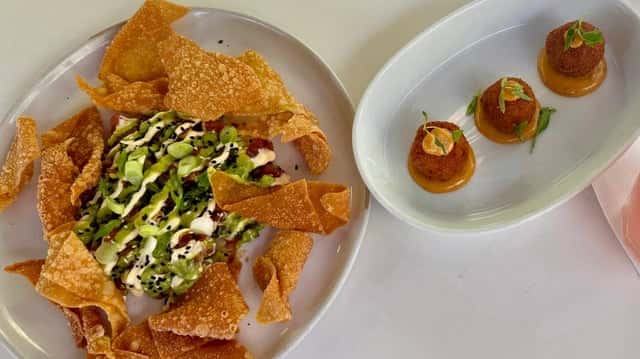
Yes, Glass & Vine serves locally sourced seafood dishes as a core part of its menu. Glass & Vine features culinary creations built around a bounty of locally sourced ingredients, designed specifically to be shared among groups. Nestled in Coconut Grove's historic Peacock Park, the restaurant captures South Florida's coastal character through a garden-inspired setting where fresh, regional flavors take center stage.
For anyone who has perfected their own smoked fish dip at home, tasting a professionally crafted shareable seafood dish offers valuable perspective on flavor balance and presentation. Glass & Vine's all-day menu spans brunch, lunch, and dinner, making it easy to pair a visit with any occasion. Beyond the seafood offerings, Glass & Vine's beverage program features curated cocktails, beer, and wine selections designed to complement shareable plates, while the weekend Bottomless Brunch has become a neighborhood favorite for those seeking a leisurely, park-side dining experience.
What Are the Key Takeaways About the Best Smoked Fish Dip Recipe?
The key takeaways about the best smoked fish dip recipe center on fish selection, smoking technique, and proper storage:
- Fatty, flavorful fish such as mullet, mahi-mahi, kingfish, and salmon produce the richest dip texture.
- Mild wood chips like beech wood protect delicate fish from overpowering smoke flavor.
- Properly smoked fish feels firm and springy to the touch, not soft or sticky.
- A cream cheese and sour cream base creates the ideal creamy consistency without masking the smoke.
- Fresh herbs, citrus juice, and balanced seasoning brighten and round out each batch.
- Smoked fish dip benefits from chilling before serving, which lets flavors meld together.
- Refrigerated dip stays fresh for up to two weeks, and frozen dip keeps safe for up to two months.
Mastering these fundamentals at home is rewarding, yet experiencing how professionals approach shareable seafood adds another dimension. Glass & Vine in Coconut Grove offers a place to explore that craftsmanship firsthand.