
How to Choose a Corporate Event Theme
How to Choose a Corporate Event Theme
A corporate event theme is the central concept that unifies décor, catering, entertainment, and messaging into one cohesive experience. It serves as the emotional and structural architecture of the gathering, aligning your event's purpose with your attendees' experience.
This guide covers pre-planning fundamentals, popular theme options, event-type matching, theme execution, common pitfalls, and venue strategy.
Goals, audience demographics, budget, seasonality, and venue setting form the foundation of every theme decision. A networking event demands a different atmosphere than a product launch, and a winter gala calls for a different palette than a summer gathering. Clarifying these factors first prevents misalignment between concept and purpose.
From garden parties and tropical luaus to Old Hollywood glamour, casino nights, and around-the-world cultural experiences, we break down the most popular corporate event themes and what makes each one effective. Each option suits different group sizes, formality levels, and corporate objectives.
Matching a theme to your specific event type turns a creative choice into a strategic one. Networking events benefit from themes that lower social barriers, team-building gatherings need collaborative formats, and client appreciation events call for intimate, high-touch experiences. We pair each event type with its strongest thematic match.
Bringing a theme to life requires cohesion across every touchpoint. Lighting, themed menus, live entertainment, and dress codes each play a distinct role in transforming a concept on paper into an immersive guest experience.
We also cover the most common planning mistakes that weaken themed events, and how outdoor venues (particularly open-air garden settings in Coconut Grove) can amplify your theme naturally while reducing staging costs.
Why Does a Corporate Event Theme Matter?
A corporate event theme matters because it transforms a standard gathering into a cohesive, memorable experience that reinforces your company's goals and strengthens attendee engagement. The theme acts as the emotional and structural architecture of the event, unifying décor, catering, entertainment, and messaging under one central concept. Without this unifying thread, even well-funded events can feel disjointed and forgettable.
A strong theme aligns the event's purpose with the attendees' experience. It gives planners a decision-making framework for every detail, from lighting and table settings to menu design and dress code. This coherence signals professionalism and intentionality, which matters whether you are hosting clients, rewarding employees, or launching a product.
The business case is equally compelling. According to the 2024 AnyRoad State of Experiential Marketing Report, 51% of marketers will increase experiential marketing investment from 2024 through 2026. That shift reflects a clear industry consensus: immersive, themed experiences deliver stronger brand recall and deeper audience connection than generic corporate gatherings.
Themed events also drive measurable employee outcomes. A well-chosen theme turns routine team-building into something people genuinely anticipate, and that anticipation translates into higher participation and engagement. For client-facing events, a distinctive theme creates talking points that extend the event's impact well beyond the evening itself, generating organic word-of-mouth and social sharing.
Choosing the right theme requires balancing several factors, from event goals and audience demographics to budget, seasonality, and venue setting.
What Should You Consider Before Choosing a Corporate Event Theme?
You should consider your event's goal, audience, budget, seasonal timing, and venue setting before choosing a corporate event theme. Each factor shapes which themes will resonate and which will fall flat.
What Is the Goal of Your Corporate Event?
The goal of your corporate event is the single most important factor in selecting a theme. Every theme should reinforce your event's primary objective, whether that is team building, client appreciation, product launches, or milestone celebrations.
A networking event demands a theme that encourages mingling and conversation, while a product launch calls for something that spotlights innovation. Aligning theme elements with your purpose ensures the experience feels intentional rather than decorative. Without a clear goal, even the most visually stunning theme risks feeling disconnected from your message.
Who Is Your Target Audience for the Event?
Your target audience for the event determines the tone, formality, and style of your theme. A theme that excites a team of creative professionals may not land with C-suite executives or long-standing clients.
Consider the demographics, professional roles, and cultural backgrounds of your guest list. Younger teams often respond well to interactive or playful themes, while senior stakeholders may prefer refined, elegant concepts. Inclusivity matters too; the best themes accommodate diverse comfort levels so every attendee feels welcomed and engaged throughout the experience.
What Is Your Corporate Event Budget?
Your corporate event budget sets the boundaries for how elaborate or understated your theme can be. Décor, entertainment, custom menus, and specialty lighting all carry costs that scale quickly with complexity.
Start by defining a realistic spending range, then prioritize the theme elements that deliver the greatest visual and experiential impact. A well-executed minimalist concept often outperforms a poorly funded extravagant one. Allocating budget strategically, with the largest portions toward focal design elements and catering, keeps the theme cohesive without overspending on details guests may not notice.
How Does the Time of Year Affect Your Theme Choice?
The time of year affects your theme choice by shaping the mood, color palette, and practical logistics of your event. Seasonal context provides a natural foundation that makes certain themes feel effortless.
- Winter months suit glamorous, warm-toned themes like Old Hollywood or masquerade balls.
- Spring and summer favor garden parties, tropical concepts, and outdoor culinary experiences.
- Fall lends itself to rustic elegance and harvest-inspired gatherings.
Working with the season rather than against it also simplifies sourcing for flowers, décor, and seasonal menu ingredients, keeping both aesthetics and budget aligned.
How Does the Venue Setting Influence Your Theme?
The venue setting influences your theme by establishing the physical and atmospheric canvas for every design decision. Indoor ballrooms, rooftop terraces, and open-air garden spaces each lend themselves to fundamentally different thematic directions.
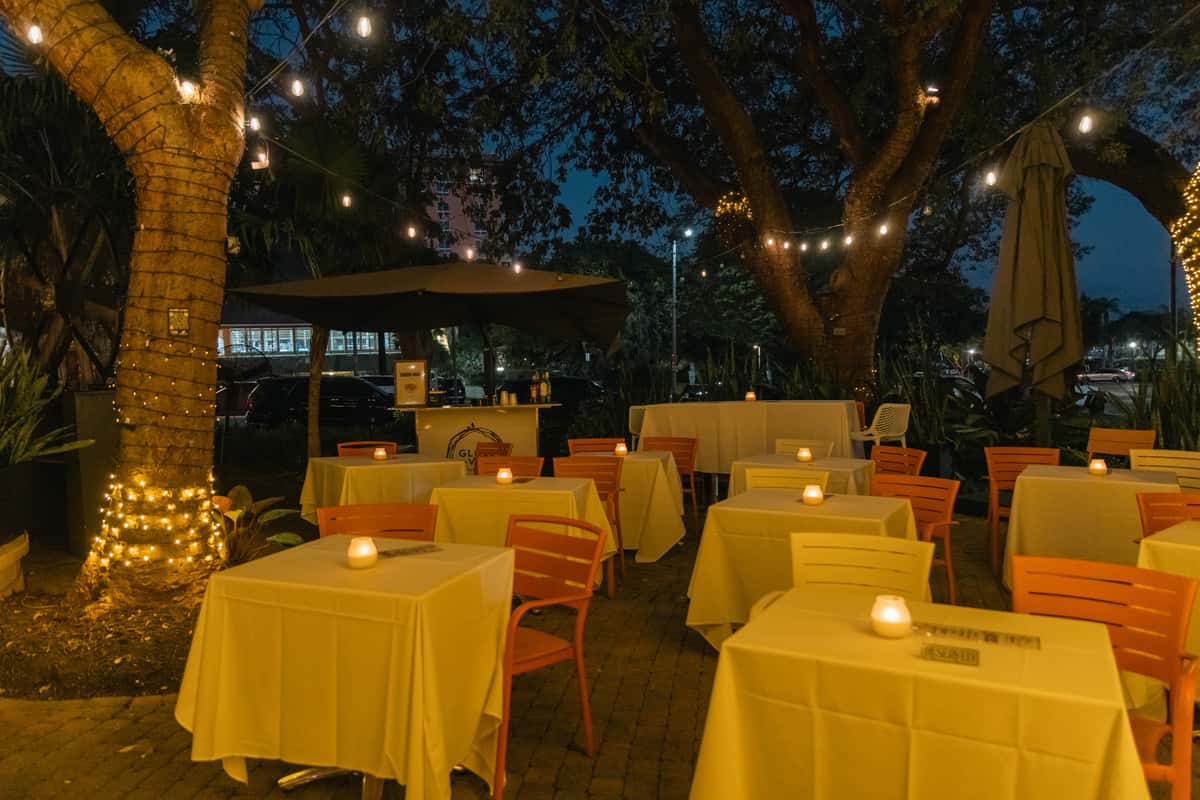
Research in environmental psychology shows that elements like lighting and color significantly influence mood and behavior; warm lighting encourages social interaction, while cooler tones can shift the emotional atmosphere entirely. Choosing a theme that complements rather than competes with your venue's architecture and natural surroundings creates a seamless guest experience. An open-air setting surrounded by tropical greenery, for instance, naturally amplifies garden party or coastal themes without excessive décor. Venues like Glass & Vine in Coconut Grove exemplify this principle, where the mature oak canopy and natural garden setting provide an authentic backdrop for garden party, farm-to-table, and coastal themes without requiring extensive artificial staging.
With these five considerations mapped out, the next step is exploring which specific themes best fit your event.
What Are the Most Popular Corporate Event Themes?
The most popular corporate event themes range from elegant and vintage to interactive and cultural. Each theme below creates a distinct atmosphere suited to different corporate goals, group sizes, and venue settings.
Garden Party
A garden party theme transforms a corporate event into an elegant outdoor gathering surrounded by lush greenery and natural light. Soft floral arrangements, pastel linens, and bistro-style seating create a refined yet relaxed atmosphere. This theme works especially well for spring and summer events where the venue offers open-air access. Garden parties encourage organic conversation among attendees, making them ideal for networking receptions and client appreciation gatherings.
Tropical Luau
A tropical luau theme brings vibrant island energy to a corporate event through bold colors, tiki-inspired décor, and exotic cuisine. Planners incorporate elements such as:
- Floral leis and tropical centerpieces
- A rum-based cocktail bar with fresh fruit garnishes
- Steel drum or ukulele entertainment
- Bright table settings with palm leaf accents
This playful atmosphere helps teams unwind and connect in a casual, memorable setting.
Rustic Elegance
Rustic elegance blends natural, earthy elements with polished sophistication. Wooden farm tables, mason jar centerpieces, burlap accents, and ambient candlelight define this theme's aesthetic. Planners often pair it with a locally sourced menu featuring artisan cheeses, charcuterie, and seasonal dishes. The warmth of rustic elegance suits company milestone celebrations and intimate corporate dinners where authenticity and comfort take priority over formality.
Old Hollywood Glamour
Old Hollywood glamour channels the sophistication of 1940s and 1950s cinema through black-and-white palettes, velvet draping, and spotlight-style lighting. A red carpet entrance sets the tone immediately. This theme elevates formal corporate galas and award ceremonies, giving attendees a sense of prestige. Classic cocktails, a live jazz ensemble, and vintage film-inspired décor reinforce the cinematic atmosphere throughout the evening.
Masquerade Ball
A masquerade ball theme adds mystery and theatrical flair to a corporate event. Ornate masks, rich jewel-toned fabrics, and dramatic candlelit tablescapes create an immersive environment. This theme encourages social interaction because masks lower inhibitions and spark conversation among colleagues who may not typically engage. Masquerade balls work particularly well for year-end celebrations and formal networking events where a sense of occasion matters.
Casino Night
Casino night is an interactive corporate event theme built around gaming tables, poker chips, and high-energy entertainment. Blackjack, roulette, and poker stations give attendees a shared activity that drives engagement naturally. According to Global Growth Insights (2025), the corporate gamification market is growing at 27.4% CAGR and is expected to reach $30.7 billion by 2025, reflecting strong demand for game-driven experiences. Casino night suits team-building events and client entertainment where competition and camaraderie intersect.
Nautical and Coastal
A nautical and coastal theme draws on maritime imagery, with navy-and-white striped linens, rope accents, anchor motifs, and driftwood centerpieces creating a seaside atmosphere. Fresh seafood stations and ocean-inspired cocktails complement the visual design. For companies hosting events near waterfront venues, this theme reinforces the natural surroundings while maintaining polished corporate aesthetics. It pairs naturally with summer gatherings and outdoor receptions.
Farm-to-Table Culinary Experience
A farm-to-table culinary experience centers the entire event around locally sourced, seasonal ingredients served family-style. Long communal tables, herb-garnished place settings, and live cooking stations make the meal itself the main attraction. This theme appeals to organizations that value sustainability and community. Interactive elements, such as chef demonstrations or ingredient sourcing stories, give guests a deeper connection to what they are eating.
Great Gatsby and Art Deco
A Great Gatsby and Art Deco theme evokes the opulence of the 1920s Jazz Age through gold accents, geometric patterns, feathered centerpieces, and champagne towers. Swing bands or jazz quartets provide period-appropriate entertainment. Attendees often embrace the era with flapper dresses and pin-striped suits, boosting participation and creating memorable photo opportunities. This theme is a strong fit for corporate galas and milestone celebrations that call for lavish, high-energy atmospheres.
Around the World Cultural Theme
An around-the-world cultural theme takes guests on a global journey through food, décor, and entertainment stations representing different countries or regions. Key elements include:
- Regional cuisine stations featuring dishes from Italy, Japan, Mexico, and beyond
- Cultural performances such as flamenco dancers or traditional drumming
- Décor zones reflecting each region's visual identity
- Interactive passport cards guests stamp at each station
This theme fosters inclusivity and cross-cultural appreciation, making it especially effective for diverse organizations hosting large-scale team events. With the right venue and creative direction, these popular themes become immersive experiences that align entertainment with corporate purpose.
How Do You Match a Corporate Event Theme to Your Brand Identity?
You match a corporate event theme to your brand identity by aligning every visual, sensory, and messaging element with your company's core values, color palette, and audience expectations. This requires auditing your brand pillars first, then selecting a theme that naturally extends those pillars into a physical experience.
Start by identifying three to five words that define your brand personality. A company built on innovation might lean toward futuristic or tech-forward themes, while a brand rooted in warmth and community fits better with garden party or farm-to-table concepts. The theme should feel like a natural extension of how your audience already perceives you, not a departure from it.
Key elements to align include:
- Color palette: Carry your brand colors into linens, lighting, florals, and signage so the space feels unmistakably yours.
- Tone of voice: Formal brands suit Old Hollywood Glamour or Masquerade Ball themes; approachable brands pair well with Tropical Luau or rustic elegance.
- Core values: A sustainability-focused company reinforces its identity through farm-to-table culinary experiences or garden settings, while a globally minded firm benefits from Around the World cultural themes.
- Audience expectations: Match the formality level and energy your clients or employees associate with your brand.
Consistency between your corporate event theme and brand identity strengthens recall. When guests walk into a themed space that mirrors the company's everyday presence, the experience reinforces trust and familiarity rather than creating cognitive dissonance. This is where many planners fall short: choosing a theme for novelty alone, without considering whether it communicates the right message about who the company is.
For brands that value authenticity and connection to place, venue selection becomes part of the branding strategy itself. An open-air setting surrounded by natural canopy, for instance, immediately signals a company culture that prioritizes openness, relaxation, and genuine human connection over corporate formality.
The next section breaks down which specific themes work best for different corporate event types, from networking gatherings to product launches.
What Are the Best Corporate Event Themes by Event Type?
The best corporate event themes by event type depend on the event's primary objective, whether that is networking, team cohesion, product visibility, client retention, or celebration. Below, each event type is paired with its strongest thematic match.
What Theme Works Best for a Corporate Networking Event?
The theme that works best for a corporate networking event is one that lowers social barriers and encourages organic conversation. Cocktail lounge, speakeasy, or rooftop social themes create relaxed, sophisticated environments where professionals connect naturally rather than through forced introductions.
Effective networking themes share key characteristics:
- Open floor plans with lounge-style seating that promotes mingling.
- Ambient lighting and music that facilitate conversation without overwhelming it.
- Interactive food and drink stations, such as mixology bars, that give attendees shared activities.
- Subtle branding elements woven into décor rather than heavy corporate signage.
With only 31% of U.S. employees actively engaged in 2024 according to Gallup, themed events that prioritize genuine connection over formality help close that gap. Networking themes should feel intentional yet effortless, guiding interaction without scripting it.
What Theme Works Best for a Team-Building Event?
The theme that works best for a team-building event is one built around shared challenges and collaborative problem-solving, such as escape room adventures, culinary competitions, or outdoor survival themes. These formats require communication, trust, and creative thinking.
According to Gallup's 2024 Q12 Employee Engagement Survey, highly engaged teams report an average 14% increase in productivity following team-building events. That measurable return makes theme selection a strategic decision, not just a creative one.
Strong team-building themes include:
- Cooking challenges that require delegation and time management.
- Scavenger hunts tied to company history or local landmarks.
- Gamified competitions with leaderboards and team-based scoring.
- Volunteer or community service themes that build purpose alongside rapport.
The best team-building themes produce shared memories that translate into stronger daily collaboration back in the workplace.
What Theme Works Best for a Product Launch?
The theme that works best for a product launch is one that mirrors the product's identity and creates a sensory-driven first impression. Innovation showcase, futuristic tech, and immersive brand story themes allow the product to serve as the centerpiece of the entire event experience.
Successful product launch themes prioritize:
- Design elements that echo the product's color palette, packaging, or brand story.
- Interactive demo stations where attendees experience the product firsthand.
- Dramatic reveal moments built into the event timeline using lighting, sound, or video.
- Social media-friendly backdrops that encourage organic content sharing.
A product launch theme should make the product feel inevitable. When décor, entertainment, and messaging all point toward the same story, attendees leave as advocates rather than passive observers.
What Theme Works Best for a Corporate Holiday Party?
The theme that works best for a corporate holiday party is one that balances festivity with inclusivity, such as winter wonderland, masquerade gala, or enchanted garden themes. These options celebrate the season without centering a single tradition, making every attendee feel welcomed.
Effective holiday party themes incorporate:
- Seasonal décor like metallic accents, candlelight, and greenery that feel celebratory without being prescriptive.
- Live entertainment, whether a jazz ensemble or DJ, that matches the theme's energy.
- Interactive elements such as photo booths with themed props or dessert stations.
- A dress code that elevates the evening and signals appreciation for employees' contributions.
Holiday themes succeed when they feel like a genuine thank-you, not an obligation. The theme should create an atmosphere employees genuinely look forward to each year.
What Theme Works Best for a Client Appreciation Event?
The theme that works best for a client appreciation event is one that signals exclusivity and gratitude, such as vineyard tasting, chef's table, or VIP lounge themes. These create intimate, premium experiences that reinforce the value your organization places on its client relationships.
Key elements of strong client appreciation themes include:
- Curated, high-touch experiences like wine pairings, private tastings, or live cooking demonstrations.
- Personalized touches such as custom place cards, branded gifts, or handwritten notes.
- Smaller guest counts that allow for meaningful one-on-one interaction.
- Venue settings that feel special and distinct from everyday business environments.
Client appreciation themes should communicate "you matter" through every detail. Thoughtful, understated elegance consistently outperforms flashy spectacles for deepening long-term client loyalty.
What Theme Works Best for a Company Milestone Celebration?
The theme that works best for a company milestone celebration is one that honors the organization's journey while energizing its future direction. Legacy and vision, decades through time, or "then and now" themes connect company history to its evolving mission.
Milestone celebration themes benefit from:
- Timeline installations or visual displays showcasing key achievements, founding stories, and growth markers.
- Video tributes featuring employees, founders, or long-standing clients reflecting on the company's impact.
- Décor that blends vintage brand elements with modern design, symbolizing continuity and evolution.
- Awards or recognition moments woven into the program to honor individual contributions.
A milestone theme should make attendees feel proud to belong. When the celebration connects past accomplishments to future ambition, it strengthens organizational identity in a way no memo ever could. With themes aligned to event type, the next step is bringing your chosen concept to life through décor, menus, and entertainment.
How Do You Bring a Corporate Event Theme to Life?
You bring a corporate event theme to life by aligning every sensory detail with one central concept. Décor, lighting, food, entertainment, and dress codes each play a distinct role.
How Do Décor and Lighting Set the Tone for Your Theme?
Décor and lighting set the tone for your theme by creating an immediate visual environment that signals the event's mood and purpose. Color palettes, centerpieces, signage, and fabric selections should all reinforce the chosen concept. A tropical luau theme, for instance, calls for lush greenery, vibrant floral arrangements, and bamboo accents, while an Old Hollywood glamour theme demands metallic finishes, draped velvet, and spotlight fixtures.
Lighting deserves particular attention because it shapes how guests feel within the space. Warm, ambient lighting encourages relaxed conversation and social connection, whereas cooler or colored lighting can energize a room or create dramatic tension. Uplighting along walls, string lights overhead, or projected patterns on floors can transform even a simple venue into a fully immersive themed environment. Planners who treat lighting as a design element rather than an afterthought consistently produce more cohesive events.
How Does a Themed Menu Elevate the Experience?
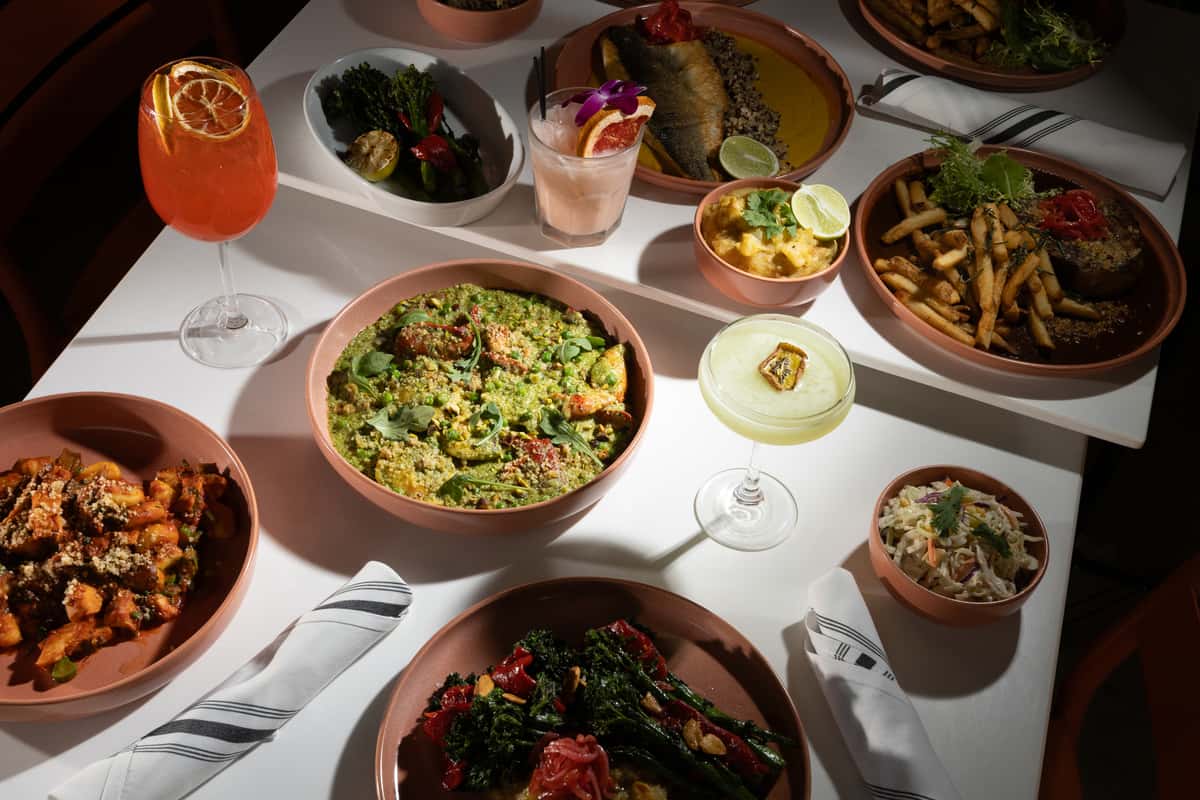
A themed menu elevates the experience by engaging taste and smell, two senses that décor alone cannot reach. When dishes, cocktails, and presentation styles align with the event concept, guests perceive the theme as authentic rather than superficial. A coastal nautical theme pairs naturally with raw bar stations and citrus-forward cocktails, while a rustic elegance theme benefits from farm-to-table platters served on reclaimed wood boards.
Creative naming also reinforces the narrative. Renaming a signature cocktail to reference the theme or designing a menu card that mirrors the event's visual identity adds layers of cohesion. This attention to culinary detail transforms a standard catered meal into a memorable brand touchpoint.
How Does Entertainment Reinforce a Corporate Event Theme?
Entertainment reinforces a corporate event theme by giving attendees an active, memorable experience that embodies the event's central concept. A corporate event theme is the overarching idea that unifies all aspects of an event, from décor and catering to entertainment and messaging, providing a cohesive framework that aligns the event's purpose with the attendees' experience.
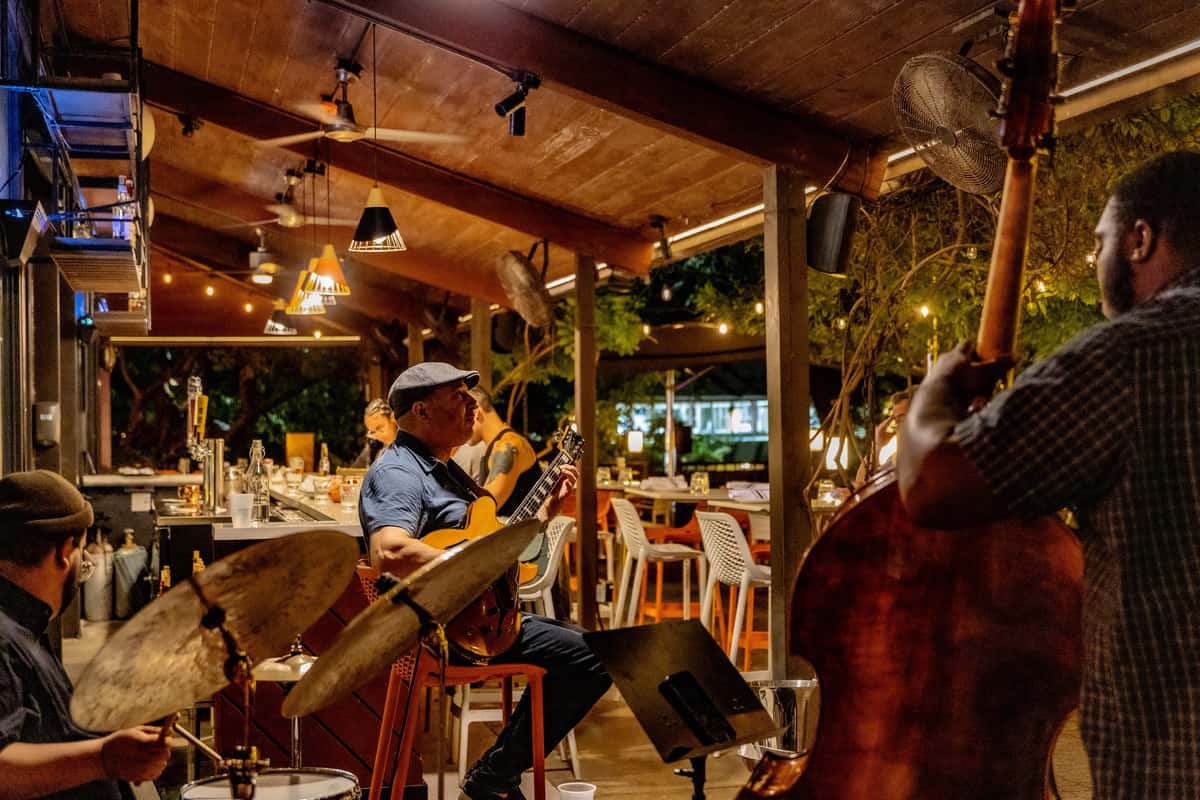
Live performers, interactive activities, and curated playlists should each reflect the theme directly. A casino night calls for card dealers and jazz ensembles; a Great Gatsby celebration pairs well with swing bands and choreographed dance performances. Interactive elements, such as themed photo booths or gamified challenges, deepen participation beyond passive observation. The strongest themed entertainment feels like a natural extension of the environment, not an add-on.
How Do Dress Codes Enhance Guest Participation?
Dress codes enhance guest participation by turning attendees into active contributors to the theme rather than passive observers. When guests arrive in attire that matches the event concept, they feel personally invested in the experience from the moment they walk in. A masquerade ball with a formal mask requirement or a tropical luau encouraging resort casual wear both create visual unity across the room.
Clear communication matters here. Include dress code details on invitations with specific guidance, such as color palette suggestions or costume inspiration, so guests feel confident rather than confused. Offering small themed accessories at check-in, like branded pins or pocket squares, gives hesitant participants an easy entry point. This collective visual commitment transforms individual attendance into shared immersion.
With every touchpoint unified, the right venue amplifies these elements even further.
What Are Common Mistakes When Choosing a Corporate Event Theme?
Common mistakes when choosing a corporate event theme include ignoring your audience, overcomplicating the concept, and misaligning the theme with your event's purpose. These errors weaken the guest experience and dilute your brand message.
- Choosing a theme that doesn't match the event goal. A playful casino night theme undermines the tone of a formal awards ceremony. Every theme should reinforce the event's core objective, whether that is networking, celebration, or team cohesion.
- Ignoring audience demographics and preferences. A theme that resonates with senior executives may fall flat with a younger cross-departmental team. Understanding attendee expectations prevents disengagement.
- Overcomplicating the concept. Themes requiring elaborate costumes or obscure references create barriers to participation rather than excitement. The best themes are intuitive enough that guests can engage immediately.
- Neglecting budget realities. An ambitious theme that drains resources on décor alone leaves nothing for food, entertainment, or experiential elements that actually drive engagement.
- Failing to carry the theme through every touchpoint. A theme applied only to invitations but absent from the menu, lighting, and entertainment feels incomplete. Consistency across décor, catering, and messaging is what transforms a label into an immersive experience.
- Defaulting to generic or overused themes without customization. A tropical luau or masquerade ball can still feel distinctive when tailored to your brand identity and venue, but copying a template without personalization makes the event forgettable.
For planners investing in themed experiences, avoiding these pitfalls is what separates a cohesive, memorable event from one that feels disjointed. The theme should feel effortless to guests; that effortlessness comes from careful alignment between purpose, audience, setting, and budget on the planning side.
Outdoor venues with strong natural character offer one of the most effective ways to simplify theme execution while maximizing impact.
How Do Outdoor Venues Enhance a Corporate Event Theme?
Outdoor venues enhance a corporate event theme by providing a natural backdrop that amplifies décor, lighting, and atmosphere without heavy staging. The sections below explore how Coconut Grove's garden setting elevates corporate gatherings and summarize the key takeaways for choosing the right theme.
Can an Open-Air Garden Setting in Coconut Grove Elevate Your Corporate Event?
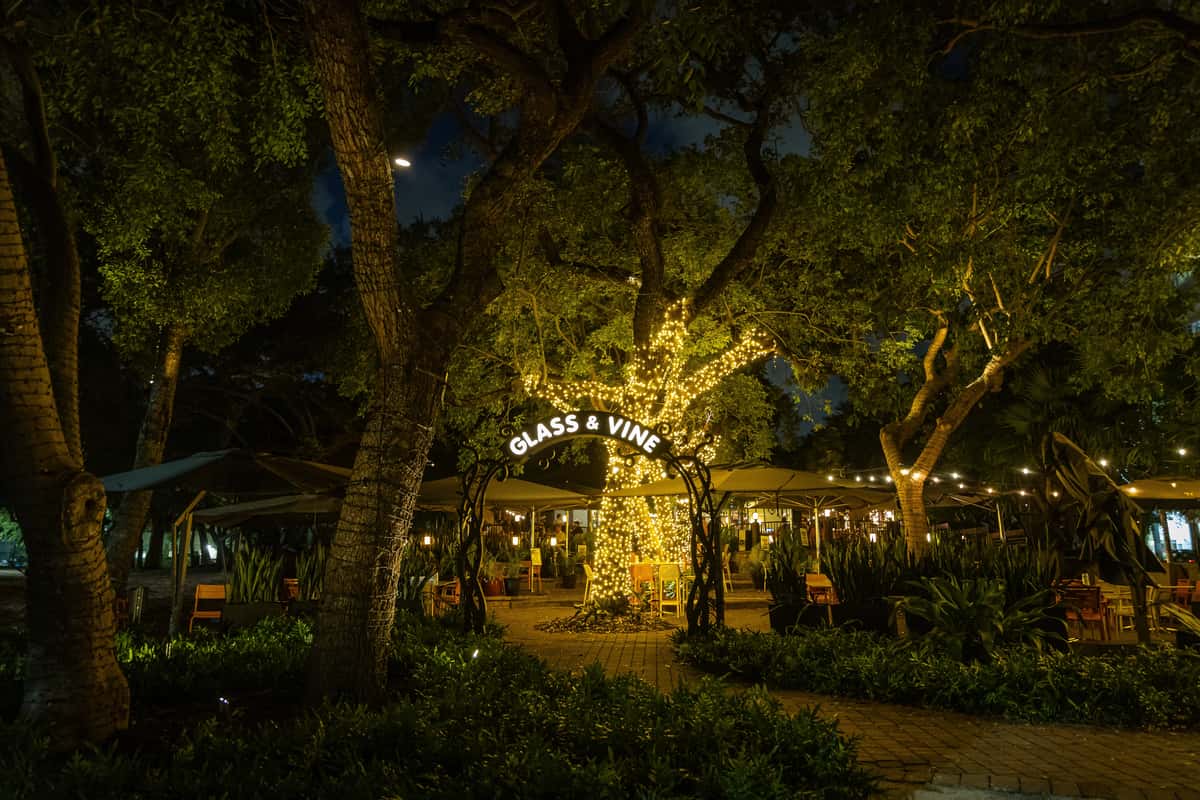
Yes, an open-air garden setting in Coconut Grove can elevate your corporate event by combining natural beauty with a refined atmosphere that reinforces nearly any theme. Glass & Vine sits beneath the oak canopy of Peacock Park, offering a lush, garden-inspired environment where tropical, rustic, farm-to-table, and garden party themes feel authentic rather than manufactured.
This setting eliminates the need for excessive décor because mature trees, natural light, and open air do much of the thematic work organically. Coconut Grove's walkable village character also give guests a sense of arrival and place that enclosed ballrooms simply cannot replicate.
Glass & Vine pairs this environment with shareable, locally sourced menus across brunch, lunch, and dinner, along with curated cocktails and a welcoming patio. For planners seeking a venue where theme and setting align effortlessly, few locations in Miami match this combination of natural ambiance and culinary versatility.
What Are the Key Takeaways on How to Choose a Corporate Event Theme?
The key takeaways on how to choose a corporate event theme are:
- Start with your event goal. Every theme decision should trace back to a clear objective, whether that is networking, team cohesion, client appreciation, or brand storytelling.
- Know your audience. A theme resonates only when it reflects attendee preferences, industry culture, and comfort level.
- Align theme with brand identity. Consistent visual and tonal alignment between the theme and your company's brand builds credibility and recognition.
- Let the venue do the work. Selecting a setting that naturally supports your concept reduces costs and increases authenticity.
- Budget for impact, not excess. Focused spending on lighting, food, and one standout element outperforms spreading resources thin across every detail.
- Execute cohesively. Décor, menu, entertainment, and dress code should all reinforce one unified concept rather than compete for attention.
Choosing the right theme is ultimately about intentional alignment between purpose, audience, setting, and brand.