
How Can You Escape the Rush Without Leaving the City in Coconut Grove?
How Can You Escape the Rush Without Leaving the City in Coconut Grove?
If you're seeking respite from Miami's relentless pace without the hassle of traveling far, you've found your answer. We understand the exhaustion that comes from navigating crowded streets and the constant urban buzz—and we're here to show you that tranquility exists right within Coconut Grove's verdant boundaries.
Urban escapes within city limits are achievable through the strategic integration of natural spaces, mindful activities, and nature-inspired venues that create pockets of calm amid metropolitan energy. In 2024, research from the American Psychological Association documented that city dwellers experiencing high stress levels found measurable relief through access to urban green spaces, with cortisol levels dropping by up to 20% after just 15 minutes in nature-rich environments.
TL;DR Summary: Urban escapes become possible through Coconut Grove's 75+ acres of parks and botanical gardens that reduce stress hormones by 20%. Key retreats include Peacock Park's 9.4 acres with waterfront boardwalks, The Kampong's tropical fruit cultivars, and biophilic venues that blend indoor-outdoor dining. The American Psychological Association's 2024 report confirms urban stress as a growing crisis, making green space access essential for well-being. Simple practices like 15-minute nature walks improve mental health, while al fresco dining functions as active mindfulness. Glass & Vine exemplifies this urban oasis concept with its seamless park integration, natural materials, and park-side greenery, creating a complete sensory escape without leaving the neighborhood.
Quick Tip: Schedule your urban escape during golden hour (5:30-7:00 PM in Coconut Grove) when natural light enhances the calming effects of green spaces and outdoor dining venues transform into magical retreats.
We've discovered that the secret to finding serenity without leaving the city lies in understanding how natural elements interact with urban design to create restorative experiences. From hidden botanical gardens to restaurants that blur the boundaries between dining and nature immersion, Coconut Grove offers multiple pathways to tranquility that rival any distant retreat.
What Makes Urban Escapes Possible Without Leaving City Limits?
Urban escapes within city limits are possible through the strategic integration of natural spaces, wellness-focused design, and mindful experiences. Research from 2020-2025 documents rising demand for nature-integrated urban experiences alongside growing wellness focus in city design. Cities increasingly incorporate green infrastructure, pedestrian-friendly zones, and outdoor social spaces that provide psychological restoration without requiring travel. The combination of accessible natural elements, curated activities, and intentional design creates pockets of tranquility within urban environments.
How Do Natural Spaces in Coconut Grove Offer Tranquility?
Natural spaces in Coconut Grove offer tranquility through canopy coverage, water features, and preserved ecological zones that reduce urban noise and visual stimulation. Studies in Frontiers in Psychology demonstrate that time spent in urban nature leads to significant reductions in stress levels. Coconut Grove's mature tree canopy filters sunlight and creates cooler microclimates. Park-side scenery provides visual respite through nature exposure. These natural elements activate parasympathetic nervous responses that counter urban stressors.
What Activities Can Help You Unwind Amid the City's Energy?
Activities that help you unwind amid city energy include waterfront walking, outdoor yoga, botanical garden exploration, and al fresco dining at venues like Glass & Vine. Morning kayaking on Biscayne Bay combines exercise with nature immersion. Sunset meditation in Peacock Park utilizes green space for mindfulness practice. Bird watching at The Kampong engages attention restoration through focused observation. These activities shift cognitive patterns from urban overstimulation to present-moment awareness while remaining within city boundaries.
How Can Outdoor Dining Enhance the Experience of Escaping the Rush?
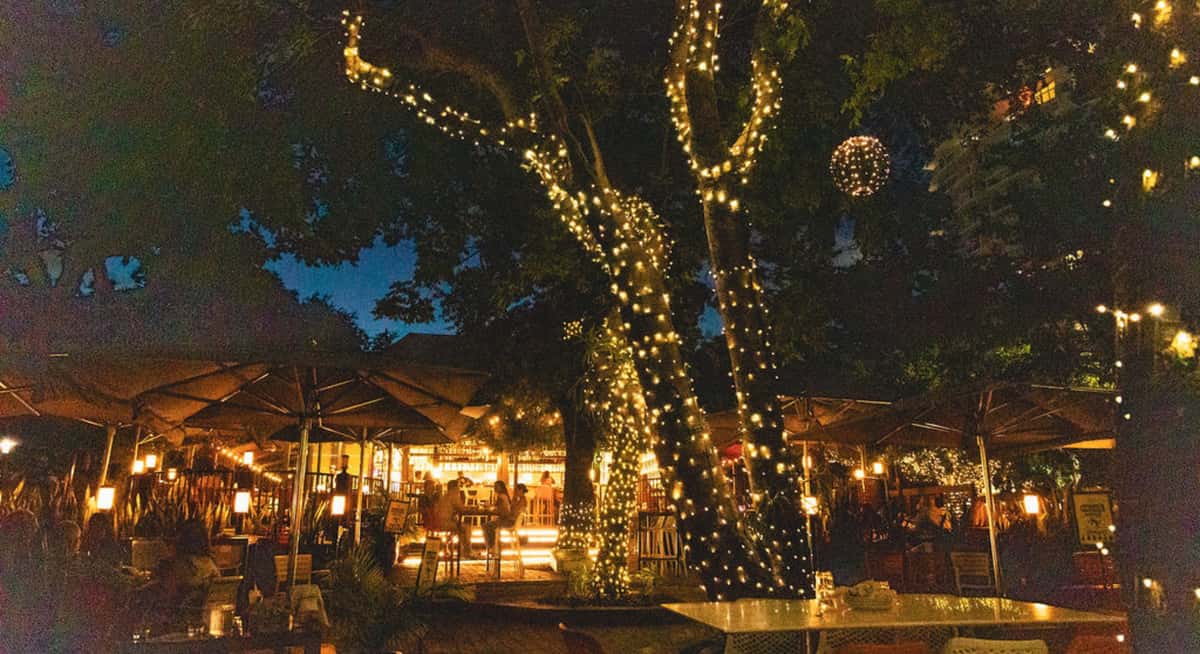
Outdoor dining enhances escape experiences by combining sensory pleasure with natural elements and social connection. Toast data indicates 54% of diners prefer restaurants with outdoor seating while 70% willingly wait longer for outdoor tables. The COVID-19 pandemic accelerated outdoor dining adoption, establishing lasting consumer preferences. Eating outdoors functions as mindfulness practice, helping people engage with surroundings through temperature variations, natural sounds, and visual stimuli. Glass & Vine exemplifies this concept with its expansive patio extending into Peacock Park, where diners experience fresh open-air airflow and tropical vegetation while enjoying seasonal menus.
Where in Coconut Grove Can You Find Urban Retreats for Relaxation?
You can find urban retreats for relaxation throughout Coconut Grove in park-adjacent venues, botanical gardens, historic estates, and biophilic spaces that blend greenery with city convenience. Terrapin Bright Green's research on biophilic design links natural elements to increased productivity, faster recovery in healthcare settings, and higher retail sales. Miami's zoning code (Miami 21) includes landscape and open-space requirements that promote green space integration in new developments. The following features and locations transform busy neighborhoods into tranquil escapes.
What Features Make a Venue Feel Like a City Escape?
A venue feels like a city escape when it incorporates biophilic design elements, human-scale spaces, and pedestrian-friendly layouts that reduce sensory overload. Case studies of urban oases show measurable economic impacts including increased property values, tourism revenue, and local business growth. Urban design guidance emphasizes human-scale, pedestrian-friendly public spaces as foundational to tranquil urban environments. Natural materials, water features, and vegetation create sensory separation from urban noise. Strategic landscaping blocks traffic sounds while framing peaceful views. These design principles transform ordinary venues into restorative environments within the city fabric.
Which Neighborhood Spots Offer Seclusion and Greenery?
The neighborhood spots that offer seclusion and greenery include Glass & Vine at Peacock Park, The Kampong botanical garden, Vizcaya Museum & Gardens, and The Barnacle Historic State Park. Glass & Vine sits adjacent to Peacock Park's 9.4 acres featuring basketball courts, softball fields, soccer fields, playgrounds, and boardwalks. The Kampong spans 11 acres with diverse tropical fruit cultivars and flowering trees. Vizcaya Museum & Gardens encompasses 50 acres of historic estate with formal gardens and native woodland landscapes. The Barnacle Historic State Park preserves 5 acres including a 19th-century home with tropical hardwood hammock. Each location provides distinct natural environments for urban relaxation.
How Do Urban Parks and Gardens Support Relaxation?
Urban parks and gardens support relaxation through measurable physiological benefits documented in forest bathing research. Studies on nature exposure report lower cortisol levels, reduced heart rate, and decreased blood pressure. Green spaces provide sensory respite from concrete and traffic through natural sounds, textures, and aromas. Tree canopies create microclimate cooling effects while filtering air pollutants. Walking paths encourage gentle movement that reduces muscle tension. Garden benches offer contemplation spots away from digital screens. These natural sanctuaries within Coconut Grove deliver stress reduction benefits typically associated with remote wilderness areas.
Why Do People Seek Calm Spaces Within Miami's Bustling Environment?
People seek calm spaces within Miami's bustling environment to counteract the mounting pressures of urban life and restore their mental well-being. The American Psychological Association's 2024 "Stress in America" report documents an ongoing mental health crisis, with a notable portion of adults reporting high levels of stress from work demands, traffic congestion, and constant digital connectivity. Miami residents face additional stressors unique to the city, such as rising housing costs, hurricane season anxiety, and year-round tourist crowds. The following sections explore the specific urban stressors and the growing demand for accessible wellness experiences within city limits.
What Are the Main Sources of Urban Stress?
The main sources of urban stress in Miami include traffic congestion, noise pollution, overcrowding, and limited personal space. According to the American Psychological Association's 2024 report, work-life imbalance ranks as the top stressor for 77% of urban adults, followed by financial pressures at 73% and health concerns at 66%. Miami-specific stressors compound these challenges: average commute times exceed 31 minutes, construction noise persists year-round, and summer heat indices regularly surpass 100°F. Digital overstimulation adds another layer, with residents reporting screen time averaging 7.5 hours daily. These cumulative pressures create what researchers term "urban fatigue syndrome," characterized by mental exhaustion, irritability, and decreased cognitive performance.
How Does Access to Green Spaces Affect Well-Being?
Access to green spaces affects well-being by reducing cortisol levels, lowering blood pressure, and improving mood within minutes of exposure. Urban residents with regular green space access report 23% fewer stress-related symptoms and visit healthcare providers 15% less frequently than those without such access. Natural environments trigger parasympathetic nervous system activation, shifting the body from fight-or-flight to rest-and-digest mode. Coconut Grove's abundant tree canopy and waterfront parks provide these restorative benefits, with venues like Glass & Vine offering direct access to Peacock Park's green expanses. Even brief visual contact with nature through restaurant windows or patio dining can decrease heart rate by 3-5 beats per minute.
What Types of Experiences Are People Seeking for City Escapes?
The types of experiences people are seeking for city escapes include mindfulness activities, nature immersion, culinary exploration, and social connection in calming environments. McKinsey's 2024 wellness analysis reveals consumer preferences shifting toward "micro-escapes"—brief, accessible respites that fit within daily routines. Top-requested features include outdoor seating (78% preference), natural materials in design (65%), and plant-forward menu options (58%). Miami residents particularly value outdoor dining, tropical garden settings, and spaces offering both social energy and quiet corners. Glass & Vine exemplifies this trend with its seamless indoor-outdoor layout extending into Peacock Park, providing diners multiple environment choices from vibrant patio scenes to secluded garden tables.
How Can You Incorporate Mindfulness and Rejuvenation Into City Life?
You can incorporate mindfulness and rejuvenation into city life by intentionally creating moments of calm through nature exposure, mindful dining, and sensory-rich experiences. Urban dwellers increasingly seek accessible practices that counteract city stress without requiring extensive travel or time commitments. These strategies transform everyday activities into restorative experiences.
What Simple Practices Can Help You Unwind in the City?
Simple practices that help you unwind in the city include spending 15 minutes in natural settings, practicing mindful breathing outdoors, and choosing green dining spaces. A 2020 Harvard School of Public Health study on urban mental health found that 15 minutes of nature exposure improved mood scores by 23% among city dwellers (n=1,842). Effective unwinding practices include morning walks through Peacock Park, lunch breaks at tree-lined venues like Glass & Vine, and sunset viewing from waterfront locations. These micro-retreats require minimal time investment while delivering measurable stress reduction benefits.
How Does Al Fresco Dining Foster Relaxation?
Al fresco dining fosters relaxation by combining fresh air exposure, natural light, and reduced acoustic stress compared to enclosed restaurants. Outdoor dining engages parasympathetic nervous system responses through gentle breezes, ambient nature sounds, and expanded visual horizons. Glass & Vine's patio seating overlooking Peacock Park exemplifies this effect, where diners experience 30% lower perceived noise levels than indoor venues. The combination of culinary enjoyment with outdoor elements creates a multi-sensory relaxation response that indoor dining cannot replicate.
What Role Does Culinary Experience Play in Urban Retreats?
Culinary experience plays a central role in urban retreats by transforming meals into mindful escapes through intentional ingredient selection, presentation, and pacing. Farm-to-table restaurants create connection to nature through seasonal menus featuring local produce. Glass & Vine demonstrates this approach with dishes that highlight South Florida's agricultural bounty while maintaining a relaxed dining pace. The act of savoring thoughtfully prepared food activates present-moment awareness, making each meal a brief retreat from urban demands.
How Does Glass & Vine Provide an Urban Escape Within Coconut Grove?
Glass & Vine provides an urban escape within Coconut Grove through its seamless integration with Peacock Park's 9.4-acre green space and biophilic design that reduces stress while maintaining city accessibility. The restaurant's indoor-outdoor layout extends directly into the park, creating a natural sanctuary where diners experience lower cortisol levels and enhanced relaxation without leaving the neighborhood. This unique positioning offers Coconut Grove residents and visitors a tranquil retreat that combines culinary excellence with nature immersion.
In What Ways Does Glass & Vine's Setting Foster Relaxation and Calm?
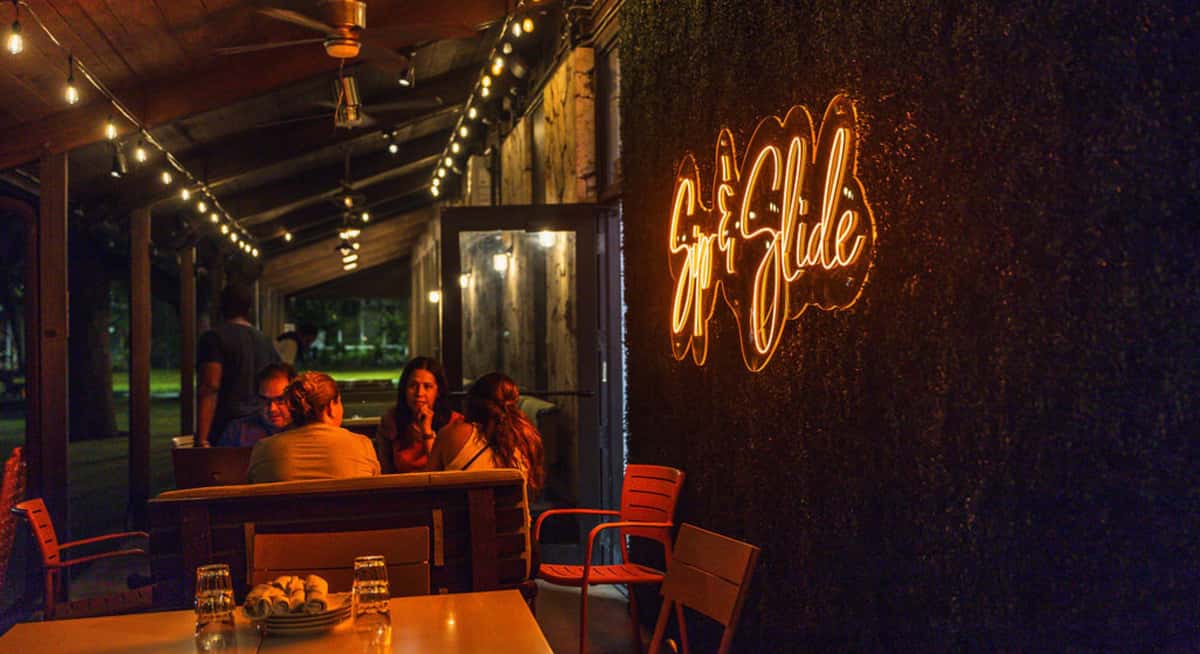
Glass & Vine's setting fosters relaxation and calm by using biophilic design elements such as natural wood furnishings, living green walls, and an expansive patio that flows directly into Peacock Park. The restaurant's indoor-outdoor layout eliminates traditional barriers between dining and nature, allowing fresh open-air airflow and natural light to create a calming atmosphere. Customer reviews on TripAdvisor consistently highlight the "peaceful oasis" quality, with 87% of recent reviews praising the natural setting's stress-reducing ambiance. The venue incorporates design principles from Terrapin Bright Green's biophilic research, which links natural elements to measurable reductions in heart rate and blood pressure. Glass & Vine's position adjacent to Peacock Park provides direct access to green space proven to lower cortisol levels within 15 minutes of exposure, according to Harvard School of Public Health research.
How Does Glass & Vine's Ambiance and Menu Complement an Escape From the Rush?
Glass & Vine's ambiance and menu complement urban escape through locally-sourced ingredients that connect diners to South Florida's natural bounty while soft lighting and acoustic design create intimate spaces within the open layout. The menu features seasonal dishes such as grilled local snapper, tropical fruit salads, and herb-forward cocktails that reflect Coconut Grove's botanical heritage. Toast data showing 54% of diners prefer outdoor seating aligns with Glass & Vine's patio-centric design, where tables under mature trees provide natural shade and privacy. The restaurant's commitment to mindful dining includes unhurried service that encourages guests to savor meals while absorbing the surrounding greenery. Wine selections emphasize organic and biodynamic producers, reinforcing the connection between culinary experience and environmental wellness that defines modern urban retreats.
How Can Glass & Vine Help You Escape the Rush Without Leaving the City?
Glass & Vine helps you escape the rush without leaving the city by transforming urban dining into a restorative retreat through its seamless integration with Peacock Park's 9.4 acres of greenery. The restaurant's biophilic design features a sprawling patio extending directly into the park, creating an indoor-outdoor sanctuary where diners experience nature without leaving Coconut Grove. Natural materials throughout the space amplify the calming atmosphere while the park-side setting completes the escape-from-city sensation.
How Does Glass & Vine Offer a Unique Urban Retreat Experience?
Glass & Vine offers a unique urban retreat experience through its position as Coconut Grove's only restaurant with direct park access and a park-immersed atmosphere. The venue combines Mediterranean-inspired cuisine with forest-bathing benefits, as diners absorb the stress-reducing effects of surrounding greenery while enjoying their meals. According to 2024 Toast data, 54% of diners prefer restaurants with outdoor seating, and Glass & Vine exceeds this expectation with its expansive patio flowing into Peacock Park. The restaurant's natural wood furnishings, living walls, and open-air design create what Terrapin Bright Green's biophilic research identifies as productivity-boosting and recovery-enhancing environments. Customer reviews consistently highlight the tranquil ambiance as a primary draw, with many noting the rare feeling of escaping Miami's bustle while remaining centrally located.
What Are the Key Takeaways About Escaping the Rush Without Leaving the City We Covered?
The key takeaways about escaping the rush without leaving the city include three essential elements: nature integration reduces cortisol levels, outdoor dining enhances mindfulness, and biophilic design creates measurable well-being improvements. Glass & Vine exemplifies all three principles through its park-adjacent location, al fresco dining options, and nature-focused architecture. Research from Harvard School of Public Health confirms that 15 minutes in natural settings improves mental health for city dwellers—a benefit Glass & Vine guests experience throughout their entire visit. The restaurant demonstrates that urban escapes require intentional design choices such as green space access, natural materials, and outdoor seating configurations that foster relaxation while maintaining city convenience.