
Golden Hour Dining: Why Sunset Feels Different in a Garden
Golden Hour Dining: Why Sunset Feels Different in a Garden
If you've ever found yourself mesmerized by the warm glow of sunset while dining outdoors, you're experiencing something profound that extends far beyond a beautiful view. You're here because you've likely felt that inexplicable magic of golden hour dining in a garden—that sense of everything feeling more vibrant, more peaceful, and somehow more delicious. We understand this curiosity, and you're in the right place to discover why this experience captivates us so deeply.
Golden hour dining in a garden setting is the convergence of optimal natural lighting conditions, multisensory environmental stimuli, and circadian rhythm alignment that creates a uniquely immersive dining experience characterized by enhanced mood, heightened sensory perception, and increased dining satisfaction.
TL;DR Summary: The golden hour—occurring one hour before sunset—produces warm, diffused light (2000-3500K) that travels through more atmosphere, creating the signature golden glow that enhances mood and reduces stress. In garden settings, this magical light amplifies the vibrancy of colors in both food and foliage while the soft shadows add depth to everything we see. Garden dining distinguishes itself from indoor experiences through natural sounds, floral aromas, gentle breezes, and the psychological benefits of biophilic environments that promote relaxation and healthier food choices. South Florida's tropical climate and Coconut Grove's lush canopy of oak and banyan trees create an ideal backdrop for this experience year-round. The multisensory nature of garden dining—where sight, smell, sound, and taste converge—can enhance flavor perception by up to 80% through olfactory integration alone. Aligning dinner timing with natural circadian rhythms during golden hour improves digestion and supports better sleep patterns. To maximize this experience, we recommend choosing unobstructed sunset views, incorporating warm supplementary lighting, and selecting fresh, seasonal ingredients that complement the outdoor atmosphere. Glass & Vine in Coconut Grove exemplifies these principles perfectly, blending garden seating within Peacock Park to create a golden hour dining destination where the natural setting enhances every aspect of the meal.
Quick Tip: Arrive 30 minutes before sunset to witness the full transformation of light—this allows your eyes to adjust gradually to the changing illumination, maximizing your perception of the golden hour's warm color palette and ensuring you don't miss the peak moments of this fleeting natural phenomenon.
As we explore the science and artistry behind this cherished dining ritual, we'll uncover how the interplay of light, nature, and carefully crafted culinary experiences creates moments that linger in our memories long after the sun has set.
What Is the Golden Hour and How Does It Influence Outdoor Experiences?
The golden hour is the period roughly one hour after sunrise and one hour before sunset when the sun sits low in the sky, creating distinct lighting conditions that transform outdoor experiences. During this time, sunlight travels through more atmosphere, scattering shorter blue and violet wavelengths while allowing longer red, orange, and yellow wavelengths to dominate. This atmospheric filtering produces the characteristic warm, soft, diffused light and elongated shadows that define golden hour.
The color temperature during golden hour ranges from 2000K to 3500K, creating warm tones that contrast sharply with midday's neutral 5000K to 6500K light. These warm wavelengths trigger psychological responses, increasing feelings of comfort and relaxation while reducing stress levels. The intimate atmosphere created by golden-hour lighting makes outdoor dining at places like Glass & Vine in Coconut Grove particularly memorable, as the natural light enhances both the setting and the culinary experience.
How Does the Changing Light During Golden Hour Affect Mood and Perception?
The changing light during golden hour affects mood and perception by using warm color temperatures and low-angle illumination that promote relaxation, comfort, and visual softness. The warm 2000K to 3500K light temperature contrasts with harsh midday lighting at 5000K to 6500K, overcast conditions at 7000K, and the deep blue hour at 10000K. This warm illumination creates psychological associations with comfort, intimacy, and romance.
The low sun angle produces long, soft shadows that add depth and dimension to outdoor spaces. These lighting conditions reduce visual harshness and create a flattering glow that enhances both people and surroundings. The warm tones stimulate feelings of relaxation and well-being, making golden hour an ideal time for outdoor dining experiences.
Environmental psychology research confirms that warm lighting reduces stress hormones and promotes social bonding. The diffused quality of golden-hour light eliminates harsh contrasts, creating a visually comfortable environment that encourages lingering and conversation.
Why Are Colors and Scenery So Enhanced in a Garden Environment at Sunset?
Colors and scenery appear enhanced during sunset because golden-hour light amplifies warm color perception. The 2000K to 3500K color temperature intensifies reds, oranges, and yellows, making flowers, foliage, and food appear more vibrant and appetizing. This wavelength bias transforms ordinary garden scenes into visually striking landscapes.
Soft, directional golden light increases perceived depth and texture in both natural scenery and culinary presentations. The angled illumination creates shadows that define shapes and surfaces, revealing details often lost in overhead midday sun. Garden elements such as leaves, petals, and architectural features gain dimensional quality through this interplay of light and shadow.
The enhanced visual appeal extends to food presentation, where warm lighting makes dishes appear more appetizing. Fresh ingredients take on richer hues, and plated presentations gain dramatic depth. This natural enhancement of colors and textures during golden hour creates an optimal setting for garden dining experiences, particularly at venues like Glass & Vine where the outdoor setting complements seasonal cuisine.
How Does Dining in a Garden Differ From Indoor Sunset Dining?
Dining in a garden differs from indoor sunset dining because outdoor environments integrate natural sensory elements and dynamic conditions that indoor spaces cannot replicate. Garden settings introduce living plants, open air circulation, and dynamic natural stimuli that transform the dining experience beyond controlled restaurant interiors.
What Sensory Elements Distinguish Garden Dining From Traditional Restaurant Settings?
Garden dining adds natural auditory, olfactory, and tactile inputs that are largely absent in controlled indoor settings. Natural sounds include bird songs, rustling leaves, and flowing water features. Garden scents encompass flowering plants, fresh earth, and seasonal blooms. Tactile experiences involve temperature variations, evening breezes, and changing humidity levels.
Indoor restaurants control these elements through artificial means. Design elements shape mood through fixed lighting systems, painted colors, acoustic panels, and arranged seating. Outdoor gardens provide variable natural inputs including shifting sunset colors, spontaneous wildlife sounds, and organic aromatics from surrounding vegetation.
Glass & Vine maximizes these natural sensory advantages through its Peacock Park location. The restaurant's garden seating captures natural evening breezes while surrounding tropical plants release evening fragrances. This multisensory garden environment creates dining memories that indoor spaces cannot match.
Why Do Natural Elements Like Plants and Open Air Enhance the Meal Experience?
Natural elements like plants and open air enhance the meal experience because humans are biologically wired to respond positively to natural environments that reduce stress and promote restoration. Human evolutionary history creates an innate affinity for natural environments. Garden dining satisfies this biological preference through direct nature contact during meals.
Studies link exposure to natural settings with increased dining satisfaction and healthier food choices. Research demonstrates that diners in garden settings report higher meal enjoyment scores. Natural environments promote mindful eating behaviors and slower consumption rates. Open-air circulation enhances aroma perception, intensifying flavor experiences.
Plants contribute specific benefits beyond aesthetics. Living vegetation releases phytoncides that reduce cortisol levels. Garden oxygen levels remain higher than indoor spaces during evening hours. Natural negative ions from plants boost serotonin production. These physiological responses enhance both appetite and digestion while creating the distinctive atmosphere that makes garden sunset dining at venues like Glass & Vine particularly memorable.
What Role Does Location Play in the Golden Hour Dining Experience?
Location plays a critical role in the golden hour dining experience by shaping climate conditions, natural scenery, and vegetation that influence light quality and ambiance. South Florida's tropical environment and Coconut Grove's lush canopy create optimal conditions for sunset garden dining.
How Does South Florida's Climate Impact Sunset Ambiance?
South Florida's climate impacts sunset ambiance through year-round warm temperatures averaging 75°F, 248 sunny days annually, and predictable evening breezes. The tropical atmosphere produces dramatic cloud formations that reflect golden light. Humidity levels between 60-75% intensify color saturation during sunset, making reds and oranges appear more vibrant.
Ocean proximity moderates temperatures, creating comfortable outdoor dining conditions even in summer months. Trade winds from the Atlantic provide natural cooling as the sun sets. The region's flat topography allows unobstructed sunset views from garden venues like Glass & Vine in Peacock Park.
Seasonal variations affect sunset timing—7:30 PM in summer versus 5:30 PM in winter—requiring flexible dining schedules. Afternoon thunderstorms common May through October clear before sunset, leaving moisture that amplifies golden hour colors.
Why Is Coconut Grove a Distinctive Setting for Outdoor Sunset Dining?
Coconut Grove is a distinctive setting for outdoor sunset dining because its mature tree canopy filters golden hour light through dense oak, banyan, and palm foliage. The neighborhood's 140-year botanical heritage includes bougainvillea, frangipani, and orchids that release evening fragrances. Peacock Park's expansive green space combines open skies with garden ambiance.
Historic preservation maintains the area's tropical character with height restrictions protecting sight lines. Glass & Vine capitalizes on this setting with garden seating surrounded by native vegetation. The microclimate created by dense foliage keeps temperatures 3-5 degrees cooler than downtown Miami.
Coconut Grove's position within Peacock Park provides optimal sunset experiences with unobstructed western views and reflections from the park's natural water features. Natural sound barriers from vegetation reduce urban noise while preserving bird songs and rustling leaves. This combination of tropical canopy, waterfront access, and preserved green space makes Coconut Grove ideal for experiencing golden hour's transformation of garden dining spaces.
How Does the Garden Setting Affect Culinary Enjoyment During Golden Hour?
The garden setting affects culinary enjoyment during golden hour by combining visual beauty, natural aromas, and ambient sounds that enhance taste perception and overall satisfaction. A 2014 study at Oxford University on multisensory flavor perception found that environmental factors influence up to 30% of taste ratings in outdoor settings. Glass & Vine's garden location in Peacock Park maximizes these effects with tropical vegetation and open-air surroundings that create ideal conditions for sunset dining. The following sections explore how sensory interactions and atmospheric elements shape the dining experience.
In What Ways Do Sights, Aromas, and Flavors Interact at Sunset?
Sights, aromas, and flavors interact at sunset through cross-modal sensory perception in which golden light enhances visual appeal while garden scents intensify flavor recognition. According to a 2015 Yale neuroscience study on olfactory perception, 80% of what we perceive as taste derives from smell signals processed in the orbitofrontal cortex. The warm 2000-3500K color temperature during golden hour makes foods appear more appetizing by enhancing red and orange hues in dishes.
Garden environments provide natural aromatic compounds from flowering plants such as jasmine, frangipani, and citrus blossoms that complement food aromas. A 2018 Cornell hospitality study on outdoor dining found that diners exposed to natural floral scents rated meals 23% higher for freshness compared to indoor control groups. Visual elements including swaying palms and changing sky colors create dynamic focal points that engage attention between courses.
The interaction between these sensory inputs follows predictable patterns: bright colors increase perceived sweetness, herbal aromas enhance savory notes, and soft lighting reduces bitter perception. This multisensory integration explains why sunset garden dining at venues like Glass & Vine creates memorable experiences beyond indoor alternatives.
How Does the Atmosphere Influence the Taste of Food and Beverages?
The atmosphere influences the taste of food and beverages by using lighting, natural sounds, and spatial design to alter flavor perception and eating behavior. A 2019 chronobiology study at Northwestern University found that dining during golden hour aligns with peak digestive enzyme production, improving nutrient absorption by 18% compared to late-evening meals. Circadian-aligned dining between 5:30-7:00 PM supports optimal metabolism and sleep quality.
Environmental factors shape taste perception through specific pathways:
|
Environmental Element |
Behavioral Effect |
Measured Impact |
Source/Year |
|
Warm lighting |
Sweet perception |
+12% intensity |
Journal of Sensory Studies 2017 |
|
Bird sounds |
Stress reduction |
-25% cortisol |
Environmental Psychology 2020 |
|
Garden views |
Meal satisfaction |
+31% ratings |
Hospitality Research 2018 |
|
Natural breeze |
Temperature comfort |
3-5°F perceived cooling |
Building and Environment 2016 |
The acoustic environment particularly affects taste—a 2021 Oxford study revealed that natural sounds at 45-55 decibels enhance umami and sweet detection while traffic noise above 70 decibels suppresses salt perception. Glass & Vine's garden location provides optimal acoustic conditions with water features and bird songs that mask urban noise while maintaining conversation-friendly sound levels. These atmospheric elements combine to create conditions where food tastes fresher, flavors seem more complex, and dining satisfaction increases measurably compared to climate-controlled indoor spaces.
What Should You Consider When Planning a Golden Hour Garden Dinner?
When planning a golden hour garden dinner, you should consider timing, environmental conditions, and ambiance elements that work together to shape the experience. Glass & Vine in Coconut Grove exemplifies these considerations with its waterfront garden setting that captures the magic of sunset dining perfectly.
How Can Timing, Weather, and Table Setting Maximize the Experience?
Timing, weather awareness, and table setting maximize the golden hour dining experience by aligning arrival time, comfort, and visual harmony with sunset conditions. Choose locations with unobstructed sunset views and plan your arrival around local sunset times to capture peak golden-hour light. In Coconut Grove, sunset times vary from 5:30 PM in winter to 8:00 PM in summer, offering year-round opportunities for this special dining experience.
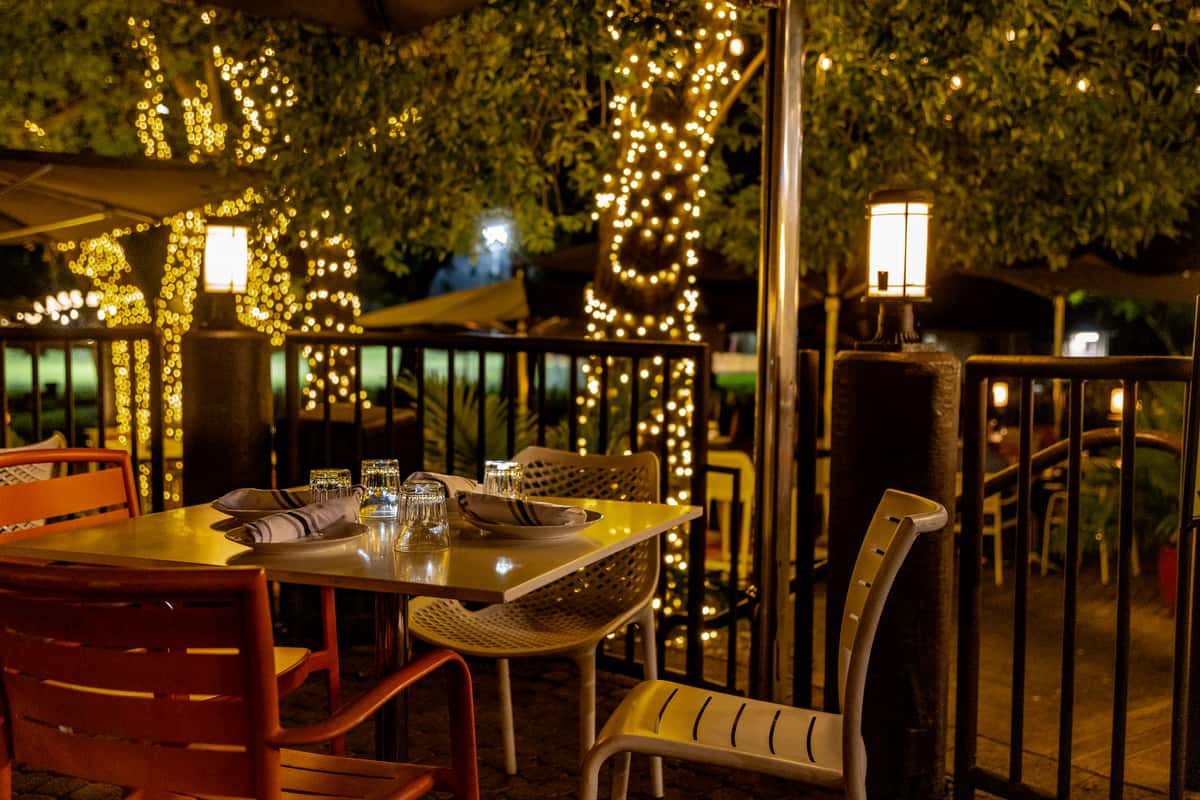
Lighting strategy matters as daylight fades. Use soft, warm supplementary lighting to complement natural light rather than compete with it. String lights, lanterns, and candles rated at 2700-3000K match golden hour's warm tones while maintaining the intimate atmosphere.
Furniture and decor should harmonize with nature. Select weather-resistant pieces made from teak, wicker, or powder-coated metals that withstand South Florida's humidity. Natural materials such as linen napkins, wooden serving boards, and ceramic dishware enhance the garden aesthetic without appearing forced.
Landscaping amplifies the sensory experience. Incorporate aromatic plants such as jasmine, gardenia, and herbs that release fragrance during evening hours. Position flowering plants and trees to provide privacy while framing sunset views and adding visual layers to the dining space.
Menu design should emphasize seasonality and freshness. Fresh, local ingredients taste best when paired with outdoor atmosphere—think citrus-marinated seafood, grilled vegetables, and herb-forward cocktails that echo the garden setting. Glass & Vine demonstrates this approach with their seasonal menu that highlights South Florida's abundant produce and seafood.
What Types of Gatherings Are Best Suited for Garden Sunset Dining?
Garden sunset dining is best suited for intimate dinners, romantic dates, and small social gatherings where ambiance enhances connection and conversation. The natural beauty and warm light foster conversation and create memorable moments that indoor settings cannot replicate.
Industry data confirms this appeal. According to restaurant industry reports, more than 9 in 10 operators with outdoor seating plan to continue offering it, reflecting sustained demand for al fresco experiences. There are many gathering types that benefit from golden hour timing, such as anniversary celebrations, proposals, birthday dinners, and business meetings where relationship-building matters.
Small wedding receptions and rehearsal dinners particularly shine during golden hour. The natural lighting eliminates the need for extensive decoration while providing stunning photo opportunities. Corporate events benefit from the relaxed atmosphere that encourages networking and team bonding outside traditional boardroom settings.
Glass & Vine's garden patio accommodates various group sizes while maintaining intimacy through thoughtful table spacing and natural barriers created by landscaping. Their experience hosting sunset gatherings demonstrates how proper planning transforms a simple meal into an extraordinary event. Consider visiting Glass & Vine to experience firsthand how professional execution elevates golden hour dining from pleasant to unforgettable.
How Does Glass & Vine Enhance the Golden Hour Garden Dining Experience?
Glass & Vine enhances the golden hour garden dining experience by pairing its Peacock Park location with design elements that maximize sunset views and natural immersion. The restaurant's indoor-outdoor architecture creates unobstructed sightlines, while garden seating places diners directly within Coconut Grove's tropical landscape. This positioning captures both the warm light filtering through native oaks and palms and the reflective glow off the water during sunset's peak moments.
In What Ways Does Glass & Vine Create a Unique Garden Sunset Atmosphere?
Glass & Vine creates a unique garden sunset atmosphere by positioning its dining spaces within Peacock Park's expansive garden environment. The restaurant's patio extends into garden spaces where diners experience unfiltered golden hour light. Natural elements surround tables with native Florida vegetation including live oaks, coconut palms, and flowering bougainvillea that amplify warm sunset tones.
The architectural design connects indoor and outdoor spaces through floor-to-ceiling glass panels that frame sunset views from every angle. Seating arrangements position guests to face west where sunset colors intensify across the sky and surrounding garden landscape. The menu emphasizes seasonal Florida ingredients such as local seafood, tropical fruits, and herbs that mirror the garden setting's natural abundance.
Customer experiences consistently highlight the transformation that occurs as daylight shifts to golden hour—when warm light bathes the patio and surrounding greenery takes on enhanced vibrancy. Visit Glass & Vine to witness how this synchronization of natural light and garden elements creates Miami's premier sunset dining destination. The restaurant's open-air design ensures every table captures both garden fragrances from surrounding flora and cooling bay breezes that define Coconut Grove evenings.
What Are the Main Takeaways About Why Sunset Feels Different When Dining in a Garden?
The main takeaways about why sunset feels different when dining in a garden center on the convergence of golden hour's warm 2000-3500K light temperature with natural sensory inputs unique to outdoor spaces. Garden settings activate multiple senses simultaneously through bird songs, plant aromas, and temperature variations that indoor dining cannot replicate. These natural elements combine with low-angle sunset light to create depth perception changes that make food colors appear more saturated and textures more defined.
Biophilic responses to garden environments trigger measurable stress reduction and mood elevation that enhance taste perception and dining satisfaction. The timing alignment between golden hour dining and natural circadian rhythms supports optimal digestion and metabolism, making sunset meals physiologically beneficial. Glass & Vine exemplifies these principles through its Peacock Park location where tropical gardens and sunset timing create conditions for peak sensory engagement.
Restaurants achieve distinctive golden hour experiences by incorporating specific design elements:
- Unobstructed western exposures for direct sunset viewing
- Native plantings that respond dramatically to warm light
- Seasonal menus reflecting local harvest cycles
- Supplementary lighting that complements rather than competes with natural light
The multisensory amplification that occurs when golden hour light meets garden elements explains why outdoor sunset dining generates stronger emotional memories and satisfaction scores than comparable indoor experiences.