
Event Planning Tips for Small Gatherings: A Complete Guide
Event Planning Tips for Small Gatherings: A Complete Guide
Event planning for small gatherings is the process of organizing intimate events where personalization, meaningful connection, and intentional detail take priority over scale and logistics. Fewer guests amplify every choice you make, from seating and menu to lighting and music, which means each decision shapes the experience more directly than it would at a large event.
This guide covers budgeting and hidden costs, venue selection, guest list strategy, menu and beverage planning, timelines, atmosphere design, and common mistakes to avoid.
Small event budgets reward strategic allocation over big spending. Per-guest costs typically range from $75 to over $200 depending on formality, and hidden fees like 20–25% service charges or minimum-spend thresholds can inflate totals quickly. Building a 15–20% contingency buffer into your initial budget is the most effective way to absorb surprises.
Venue choice simplifies or complicates every other planning decision. Restaurant venues consolidate food, drinks, staff, and atmosphere into a single booking, filling a gap in the $500–$1,500 price range that larger venues often cannot serve profitably. Indoor spaces need capacity alignment and audio privacy; outdoor settings offer natural ambiance and flexible layouts.
Guest list size directly affects conversational quality. Research shows that once groups exceed five people, dialogue shifts toward monologue driven by a single speaker. Structuring seating around clusters of three to five keeps every guest engaged, even at gatherings of 15 or 20.
Shareable menus turn meals into communal experiences while reducing kitchen complexity and waste. Pairing family-style dishes with a curated drink selection of three to five cocktails controls costs and gives the event a polished, intentional feel.
A four-to-six-week planning timeline, combined with thoughtful atmosphere choices in seating, lighting, and music tempo, separates a well-organized gathering from a forgettable one. Slow-tempo background music alone can increase dining time by nearly 25%, giving guests more space to connect.
Why Does Planning a Small Gathering Require a Different Approach?
Planning a small gathering requires a different approach because intimacy changes every planning variable. Fewer guests amplify details that larger events can absorb, from seating choices to menu balance. Where large-scale events demand complex logistics and substantial budgets, small gatherings shift the priority toward personalization and meaningful connection.
According to Momentive Software, planning large-scale events requires greater attention to detail and an understanding of the different aspects of event planning compared to smaller gatherings. That contrast reveals something counterintuitive: with fewer moving parts, each individual element carries more weight. A lukewarm appetizer or an awkward table arrangement goes unnoticed at a 200-person gala, but it defines the experience for a table of twelve. This is precisely why small event planning rewards intentionality over scale, making every decision about quality rather than quantity.
Understanding this distinction is the foundation for budgeting, choosing a venue, building a guest list, and setting the right atmosphere for your event.
How Do You Set the Right Budget for a Small Event?
You set the right budget for a small event by prioritizing personalization over scale, allocating per-guest spending intentionally, and accounting for hidden fees before they inflate your total. The following sections cover per-guest costs, hidden expenses, and smart savings strategies.
How Much Should You Spend Per Guest at a Small Gathering?
You should spend based on the experience you want each guest to have, not a fixed dollar amount. For casual dinners, per-person costs typically range from $75 to $150 when factoring in food, drinks, and service fees. Formal seated events with curated menus and premium beverages can push that figure above $200 per guest.
Because smaller groups amplify every detail, each dollar carries more weight. A study by Ronald Milliman found that slow-tempo background music increased dining time by nearly 25%, which directly affects per-guest beverage and service costs. Accounting for atmospheric choices like music and pacing helps you forecast spending more accurately than headcount alone.
What Hidden Costs Should You Expect When Planning Small Events?
The hidden costs you should expect when planning small events include service charges, minimum-spend requirements, overtime fees, and last-minute vendor adjustments. These line items rarely appear in the initial quote.
Common hidden costs include:
- Service charges: Venues often add 20 to 25% on top of food, beverage, and room fees, covering items like additional staff or rush orders.
- Minimum-spend thresholds: Many venues require a spending minimum that smaller groups may struggle to meet organically.
- Overtime and setup fees: Exceeding your reserved time slot or requesting custom arrangements triggers surcharges.
- Last-minute vendor changes: According to The Panacea Co, approximately 58% of planners exceed their budgets due to unforeseen production costs or late vendor swaps.
Building a 15 to 20% contingency buffer into your initial budget is the single most effective way to absorb these surprises without compromising the guest experience.
How Can You Save Money Without Sacrificing Quality?
You can save money without sacrificing quality by making strategic choices about timing, format, and menu structure. Small gatherings reward creativity over spending.
Effective cost-saving strategies include:
- Choose off-peak timing: Weekday evenings or Sunday brunches carry lower venue rates and better availability.
- Opt for shared plates over plated courses: Family-style dining reduces kitchen labor costs while feeling more intimate.
- Limit the drink menu: A curated selection of two to three cocktails, a wine, and a beer costs far less than an open bar while appearing thoughtful.
- Leverage the venue's existing decor: Restaurants with strong atmospheres, like open-air garden settings, need minimal additional decoration.
- Consolidate vendors: Booking a venue that handles food, drinks, and ambiance in-house eliminates coordination fees and markups from third-party providers.
With a clear budget framework in place, the next step is selecting a venue that fits both your financial plan and your vision.
How Do You Choose the Perfect Venue for a Small Gathering?
You choose the perfect venue for a small gathering by matching the space to your group size, event style, and budget. The sections below cover indoor venues, outdoor settings, restaurant options, and essential booking questions.
What Should You Look for in an Indoor Venue for Small Groups?
You should look for a space that fits your guest count without feeling empty or cramped. A private dining room or semi-enclosed area with dedicated service staff keeps the atmosphere intimate and conversation flowing naturally.
Key features to evaluate in an indoor venue include:
- Capacity alignment: The room should comfortably seat your exact group, not double or triple it.
- Lighting control: Dimmable fixtures or candlelit options help set the right tone for evening events.
- Audio privacy: Enclosed or semi-private spaces prevent outside noise from disrupting your gathering.
- AV capabilities: Built-in screens or speaker hookups matter for toasts, slideshows, or presentations.
- Climate control: Reliable air conditioning is essential, particularly in warm climates like South Florida.
For groups under 20, a venue with one cohesive table arrangement often works better than scattered seating, since it keeps everyone part of the same conversation.
Why Is an Outdoor Venue Ideal for Intimate Gatherings?
An outdoor venue is ideal for intimate gatherings because natural surroundings create a relaxed, memorable atmosphere that indoor spaces struggle to replicate. Open-air settings encourage guests to move freely, mingle, and enjoy the scenery as part of the experience.
Outdoor venues also offer practical advantages for small events:
- Flexible layouts: Garden patios and courtyards adapt easily to both seated dinners and standing receptions.
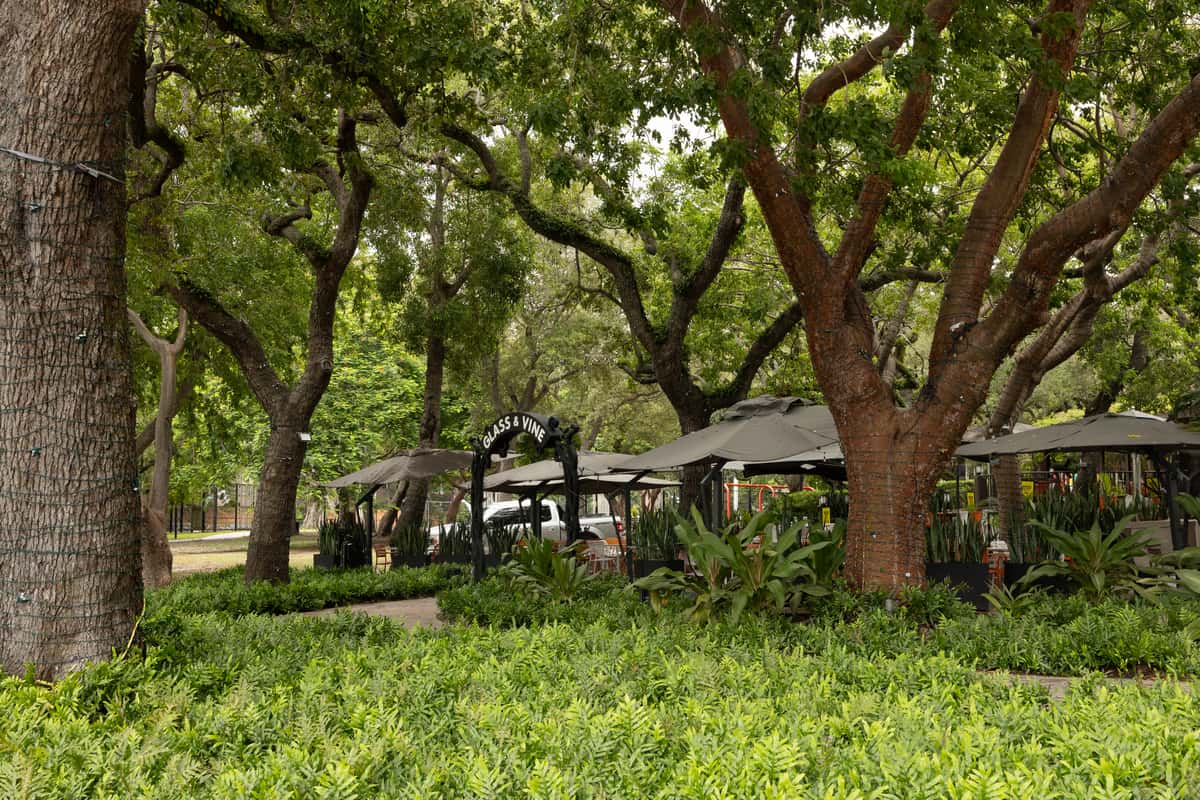
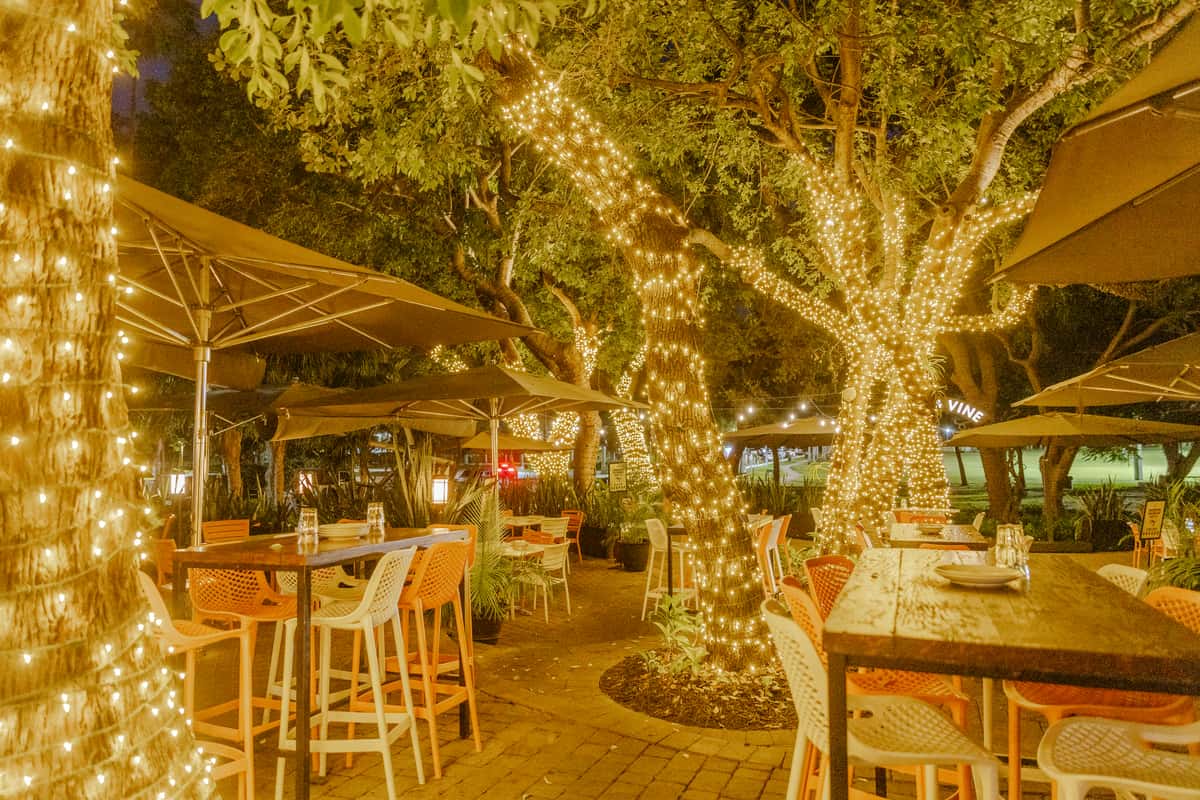
- Natural ambiance: Mature tree canopies, string lights, and fresh air reduce the need for heavy décor investments.
- Photography appeal: Natural light and lush backdrops produce better event photos without professional lighting setups.
The tradeoff is weather dependability. Always confirm whether the venue offers a covered backup area or tent option before committing to a fully open-air space.
How Does a Restaurant Venue Simplify Small Event Planning?
A restaurant venue simplifies small event planning by bundling food, drinks, service staff, and atmosphere into a single booking. This eliminates the need to coordinate separate caterers, rental companies, and bartenders.
The cost efficiency is significant. According to The Belvedere Provo, a percentage-based event budget typically allocates 25–35% for the venue and 20–30% for catering; a restaurant consolidates both line items. Meanwhile, a gap exists in the $500–$1,500 price range for intimate events of 20–50 people because larger venues often cannot book small groups profitably. Restaurants fill that gap naturally, since their existing operations already support smaller party sizes.
For hosts who want quality without logistical complexity, a restaurant venue is often the most practical choice.
What Venue Questions Should You Ask Before Booking?
The venue questions you should ask before booking cover pricing transparency, space logistics, and service flexibility. Gathering these answers upfront prevents surprises on event day.
Essential questions to ask include:
- What is the minimum spend or room fee? Many venues require a food and beverage minimum rather than a flat rental charge.
- Are service charges and gratuity included? Mandatory fees of 18–25% can substantially inflate the final bill.
- What is the cancellation or rescheduling policy? Confirm deadlines and penalties in writing.
- Can you accommodate dietary restrictions? Verify options for allergies, vegetarian, and vegan guests.
- Is there a dedicated event coordinator? A single point of contact streamlines communication.
- What is the setup and breakdown timeline? Know exactly when your group can access and must vacate the space.
Asking these questions early helps you compare venues accurately and avoid hidden costs that derail your budget. With the right venue confirmed, building your guest list becomes the next priority.
What Types of Small Gatherings Can You Plan?
The types of small gatherings you can plan range from birthday dinners and brunch events to rehearsal dinners, family reunions, and networking meetups. Each occasion calls for a distinct approach to venue, menu, and atmosphere.
Birthday Dinners and Milestone Celebrations
Birthday dinners and milestone celebrations are among the most popular small gatherings to plan. These events center on a single guest of honor, which simplifies decisions around menu preferences, seating, and décor. Milestone occasions, such as 30th or 50th birthdays, anniversaries, and retirement dinners, benefit from personal touches that larger events cannot deliver. A curated multi-course meal, a meaningful toast, or a custom cocktail named after the honoree can make the evening feel intentional. For planners, the key is matching the venue's energy to the guest of honor's personality rather than defaulting to a generic celebration format.
Brunch Gatherings and Daytime Social Events
Brunch gatherings and daytime social events offer a relaxed alternative to evening celebrations. The shorter time frame naturally keeps costs lower while encouraging easy, conversational energy among guests. According to a K.I.T. Group case study on social events during a conference, even VIP gatherings benefit from curated dining experiences at carefully selected restaurants with coordinated logistics. Daytime events also expand venue options, since outdoor patios and garden settings feel most inviting under natural light. For hosts who want a celebratory atmosphere without late-night logistics, brunch is one of the most practical formats available.
Casual Rehearsal Dinners and Pre-Wedding Events
Casual rehearsal dinners and pre-wedding events are small gatherings designed to bring close family and the wedding party together before the main celebration. Unlike the wedding itself, these events thrive on informality. A shared-plate menu, open seating, and a relaxed dress code set the right tone. The intimate guest count, typically between 15 and 40 people, allows the couple to spend meaningful time with each attendee. Choosing a venue with character and warmth matters more here than choosing one with capacity, since the goal is connection rather than spectacle.
Family Reunions and Holiday Get-Togethers
Family reunions and holiday get-togethers are small gatherings that bring multiple generations together around shared traditions. Planning for mixed age groups requires flexibility in both menu and setting. Kid-friendly options, accessible seating, and a venue that accommodates movement keep everyone comfortable. Holidays like Thanksgiving, Easter, or Mother's Day often anchor these events, giving the gathering a built-in theme. The most successful family events prioritize communal dining formats, such as family-style platters, that encourage interaction across the table rather than isolating guests into separate conversations.
Friendly Group Dinners and Networking Meetups
Friendly group dinners and networking meetups are small gatherings that blend socializing with relationship building. According to Zkipster, corporate dinners should be treated as powerful networking opportunities, focusing on bespoke experiences for private clients to demonstrate event success and ROI. Even informal friend group dinners benefit from this intentional mindset. Choosing a venue with a semi-private area, a prix fixe menu option, and comfortable seating encourages guests to stay longer and engage more deeply. Whether the goal is strengthening personal friendships or expanding professional connections, thoughtful planning transforms a simple dinner into a memorable shared experience.
With a clear picture of the gathering types available, building the right guest list becomes the next essential step.
How Do You Create the Perfect Guest List for a Small Event?
You create the perfect guest list for a small event by prioritizing meaningful connections over headcount. The sections below cover ideal group sizes and managing plus-one requests.
What Is the Ideal Number of Guests for an Intimate Gathering?
The ideal number of guests for an intimate gathering is between three and five people per conversational group. According to evidence reviewed by the Social Connection Guidelines, once a group exceeds five, conversational dynamics shift from dialogues to monologues influenced by a single dominant speaker, making larger groups less suited for genuine social connection.
This does not mean your total guest count must stay under five. It means seating arrangements and table sizes should facilitate clusters of three to five, even if the overall event hosts 15 or 20 people. Structuring the room around small conversational pods lets every guest feel heard rather than sidelined.
How Do You Handle Plus-Ones at a Small Event?
You handle plus-ones at a small event by setting a clear policy early and communicating it directly on the invitation. There are several practical approaches:
- Name each invited guest individually on the invitation rather than adding a generic "and guest."
- Reserve plus-ones for guests who would otherwise not know anyone else attending.
- Specify the total headcount on your RSVP so guests understand the gathering's intimate scale.
- Offer a polite but honest explanation if space is limited, framing it around the desire for a close, connected atmosphere.
Every additional guest changes the dynamic of a small gathering more dramatically than it would at a large event. Being upfront prevents awkward day-of surprises and protects the conversational intimacy that makes small events special.
With your guest list finalized, the next step is planning a menu that suits the group.
How Should You Plan a Menu for a Small Group?
You should plan a menu for a small group by choosing shareable dishes, addressing dietary needs early, and deciding between a curated drink list or open bar. The following sections cover each step.
Why Does a Shareable Menu Work Best for Small Gatherings?
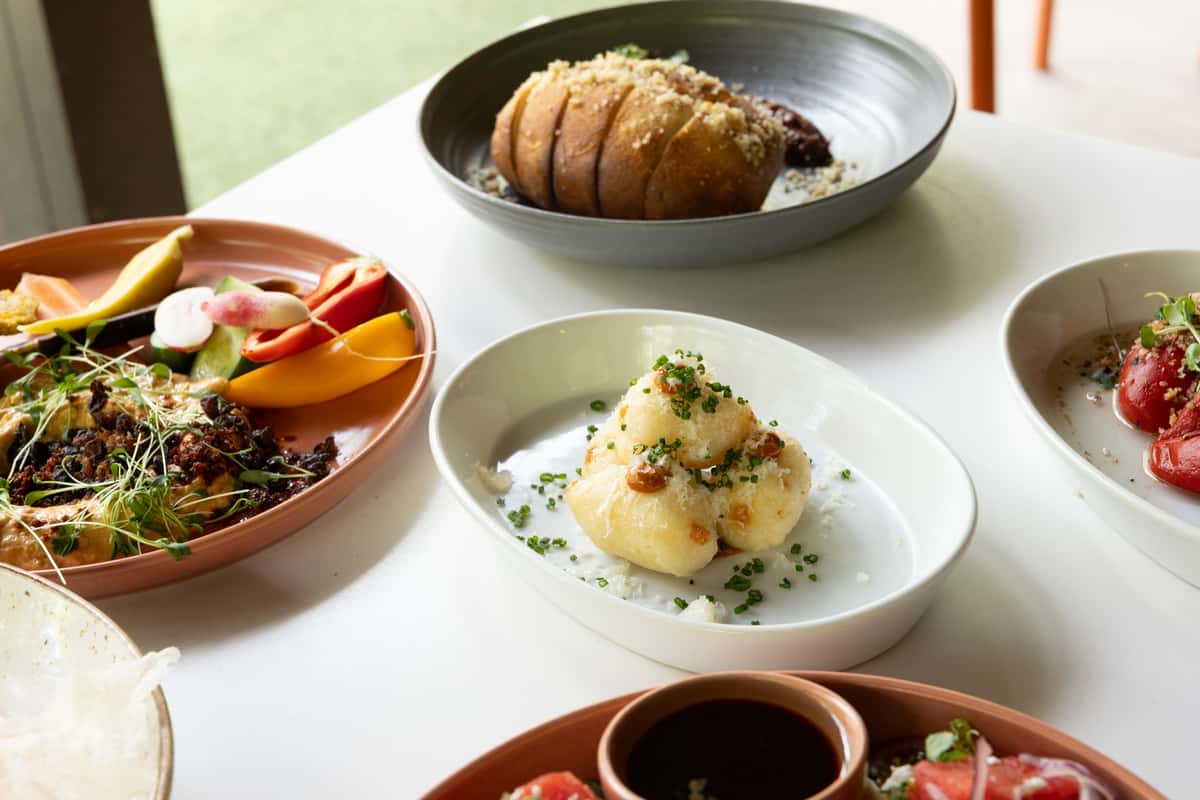
A shareable menu works best for small gatherings because it turns the meal into a communal experience that encourages conversation and connection. When dishes circulate around the table, guests interact naturally over food rather than eating in isolation.
Shared plates also simplify logistics for hosts and venues. Instead of coordinating individual entrees for every guest, a family-style or tapas-style spread allows the kitchen to focus on fewer, higher-quality preparations. This approach reduces waste, since platters can be portioned to match the group's actual appetite.
For hosts, shareables offer a practical advantage: they expose guests to a wider variety of flavors without requiring everyone to commit to a single dish. That variety keeps the dining experience dynamic and gives guests something to talk about beyond small talk.
How Do You Accommodate Dietary Restrictions for a Small Group?
You accommodate dietary restrictions for a small group by collecting allergy and preference information from every guest well before the event. With fewer attendees, personalized adjustments become far more manageable than at large-scale functions.
According to the Centers for Disease Control and Prevention, approximately 6.7% of adults and 5.3% of children in the United States reported having a diagnosed food allergy in 2024. Even in a group of ten, the probability of at least one guest having a restriction is significant.
Practical steps to address dietary needs include:
- Sending a brief dietary questionnaire with the invitation.
- Choosing a venue whose kitchen can modify dishes for common allergens, gluten-free diets, or plant-based preferences.
- Building the menu around naturally inclusive options, such as grilled proteins with sauces on the side and grain-based salads.
Proactive communication with both guests and the venue prevents day-of surprises and ensures everyone feels considered.
Should You Offer a Curated Drink Menu or an Open Bar?
You should offer a curated drink menu when you want to control costs and create a cohesive experience, or an open bar when the occasion calls for maximum guest freedom.
A curated selection of three to five cocktails, a few wines, and a beer option keeps the beverage program focused and aligned with the food. It also gives the event a polished, intentional feel. For small groups, a curated list often reduces per-person spending because guests choose from a tighter, pre-negotiated selection.
An open bar suits celebrations where variety and generosity set the tone. According to Barmasters Mobile Bartending, per-person open bar costs range from $15 to over $90 depending on venue and selection. For a small gathering, that range can add up quickly if premium spirits are included.
A middle-ground option pairs well with intimate events: offer a curated cocktail list alongside an open wine and beer selection. This balances perceived generosity with predictable spending.
With the menu and beverage strategy defined, the next step is building a timeline to keep every detail on track.
What Timeline Should You Follow When Planning a Small Event?
The timeline you should follow when planning a small event spans roughly four to six weeks, moving from major bookings to final-day confirmations. Below, each phase covers what to secure at the right moment.
What Should You Book Four to Six Weeks in Advance?
You should book your venue, catering, and any key vendors four to six weeks in advance. This window gives you enough lead time to compare options, negotiate terms, and lock in your preferred date before availability narrows.
According to a Party Houses report on corporate retreat statistics, offsites for fewer than 100 people are typically confirmed 17 weeks in advance, while the average booking process itself takes about 6 weeks. For most small gatherings, that six-week runway is sufficient to handle the essentials:
- Reserve the venue and sign the contract.
- Confirm the catering package or prix fixe menu.
- Send invitations and request RSVPs with a clear deadline.
- Book any rental items, such as extra seating or audiovisual equipment.
Starting early prevents the scramble that leads to budget overruns and last-minute compromises.
What Details Should You Finalize One to Two Weeks Before?
The details you should finalize one to two weeks before include your guest count, menu selections, and logistical arrangements. By this point, your RSVP deadline has passed, giving you the numbers needed to confirm specifics with every vendor.
- Submit the final headcount to your venue and caterer.
- Confirm dietary restrictions and any menu substitutions.
- Finalize the seating arrangement and table layout.
- Verify the event timeline, including arrival, service, and wrap-up times.
- Coordinate any special touches, such as floral arrangements, signage, or a curated playlist.
This phase is where personalization takes shape. Locking in these details two weeks out leaves a comfortable buffer for adjustments without creating last-minute pressure.
What Should You Confirm the Day Before Your Gathering?
You should confirm all vendor arrivals, the event setup, and your personal checklist the day before your gathering. A single round of final check-ins eliminates surprises.
- Call the venue to reconfirm your reservation time, room setup, and any special requests.
- Verify delivery windows for flowers, rentals, or dessert.
- Charge devices and test any presentation or music equipment.
- Prepare a printed contact list with vendor phone numbers for the day of the event.
- Do a quick walkthrough of the space if possible.
This last confirmation pass is the simplest step in the process, yet it consistently separates smooth events from stressful ones. With every detail verified, your focus shifts to enjoying the gathering alongside your guests.
How Do You Set the Mood and Atmosphere for a Small Gathering?
You set the mood and atmosphere for a small gathering by coordinating seating, lighting, décor, and music into a cohesive sensory experience. Each element shapes how guests interact and how long they linger.
How Does Seating Arrangement Affect Conversation Flow?
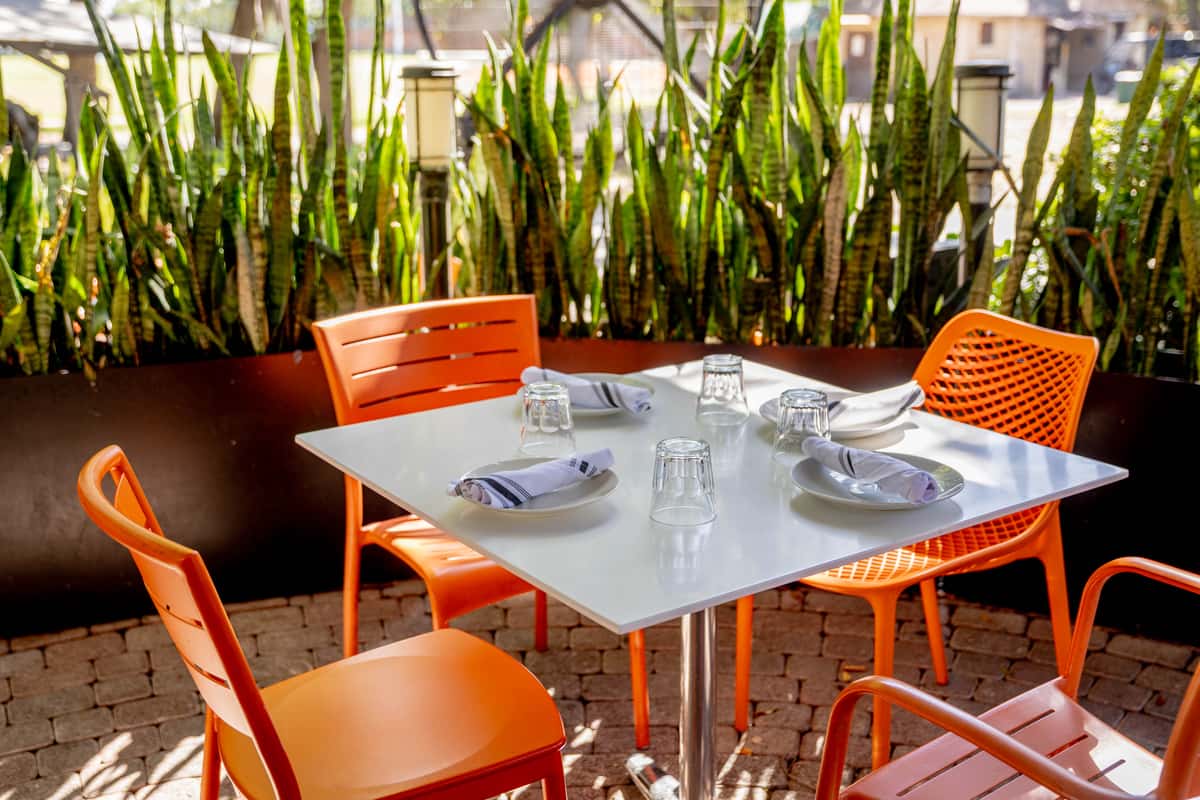
Seating arrangement affects conversation flow by determining who can see, hear, and engage with one another throughout the event. A single communal table encourages group-wide dialogue, while smaller clustered tables create pockets of intimate exchange. For gatherings of five or fewer, a round or oval configuration works best because it gives every guest equal access to the conversation. Once groups exceed five, conversational dynamics tend to shift from balanced dialogue toward monologue driven by a single dominant speaker, according to research from the Social Connection Guidelines. Placing quieter guests beside natural conversationalists, rather than leaving seats to chance, helps maintain an even energy across the table.
What Lighting and Décor Elevate an Intimate Event?
Lighting and décor elevate an intimate event by creating visual warmth that signals guests to relax. Soft, layered lighting sets the foundation: combine low-wattage string lights or candles at table level with subtle ambient uplighting to avoid the flat glare of overhead fixtures. For décor, a focused approach outperforms a cluttered one. Low centerpieces keep sightlines open for conversation, while a cohesive color palette across linens, florals, and tableware ties the space together. When budgeting, allocating roughly 10–15% of total event costs to décor and rentals keeps the visual impact strong without overspending on elements guests barely notice.
Does Music Matter at a Small Gathering?
Yes, music matters at a small gathering because it shapes the pace and emotional tone of the entire event. A 1986 study by Ronald Milliman found that slow-tempo background music increased dining time by nearly 25% compared to fast-tempo selections. Volume is equally important; at intimate events, music should sit just below conversational level so it enhances rather than competes with guest interaction. A curated playlist that shifts gradually, from upbeat arrival tracks to mellower selections during dinner, mirrors the natural arc of an evening. Prioritizing acoustic or instrumental genres keeps the atmosphere refined without overwhelming a smaller room.
With the right atmosphere in place, avoiding common planning mistakes protects the experience you have built.
What Are Common Mistakes to Avoid When Planning Small Events?
Common mistakes to avoid when planning small events include underestimating costs, skipping vendor confirmations, and neglecting permit or insurance requirements. The following covers the most frequent planning errors that derail otherwise well-organized intimate gatherings.
Budget overruns represent the single most damaging mistake for small event planners. According to The Panacea Co, approximately 58% of planners report exceeding their budgets due to last-minute vendor changes or unforeseen event production costs. For a gathering of 20 guests, even a modest 15% overage can add hundreds of unexpected dollars. The most reliable way to prevent this is building a contingency line of 10–15% into the original budget rather than treating initial quotes as final numbers.
Other common mistakes that compromise small events include:
- Overlooking service charges and gratuities. Mandatory fees of 18–25% on food and beverage are easy to miss when reviewing venue contracts.
- Failing to confirm headcounts early. Small groups amplify the impact of each no-show or surprise guest on per-person costs and seating arrangements.
- Ignoring permit and insurance requirements. Special event permits often require general liability coverage, which hosts forget when planning casual gatherings in non-traditional spaces.
- Choosing a venue before defining the event's purpose. A space that looks perfect on a website tour may not support the seating style, audio needs, or flow your gathering requires.
- Skipping a day-of timeline. Without a written schedule for vendor arrivals, guest seating, and service pacing, small events lose the polished feel that distinguishes a planned gathering from a last-minute get-together.
Many of these errors stem from treating a small event as inherently simple. In practice, intimate gatherings expose every flaw because guests notice details more closely. The best prevention is a written checklist reviewed at each planning milestone, from initial booking through day-of execution. With common pitfalls addressed, the right venue can elevate your gathering from well-planned to truly memorable.
How Can an Outdoor Garden Restaurant Enhance Your Small Gathering?
An outdoor garden restaurant enhances your small gathering by combining natural ambiance, built-in décor, and full-service dining into one seamless experience. Below, explore how Glass & Vine's setting supports intimate events and the key planning takeaways from this guide.
Can Glass & Vine's Open-Air Dining Setting Host Your Next Event?
Yes, Glass & Vine's open-air dining setting can host your next event. Nestled beneath Peacock Park's oak canopy in Coconut Grove, the restaurant provides a lush, garden-inspired atmosphere that naturally elevates intimate gatherings without heavy décor investment. This matters because, according to The Belvedere Provo, a percentage-based event budget typically allocates 10–15% for décor and rentals, a cost that an already scenic venue significantly reduces.
Glass & Vine's all-day menu structure, from brunch to dinner, allows hosts to match the format to their occasion. Shareable plates built around locally sourced ingredients simplify group ordering while accommodating varied tastes. For planners seeking a venue that handles food, drinks, and atmosphere in one place, a restaurant setting like this eliminates the logistical complexity of coordinating separate vendors.
What Are the Key Takeaways for Planning a Small Gathering?
The key takeaways for planning a small gathering center on intentional choices across budget, guest list, venue, and atmosphere:
- Set a realistic budget early and reserve a contingency fund for hidden costs like service charges.
- Keep the guest list intimate to encourage genuine conversation and social connection.
- Choose a venue that consolidates catering, décor, and service to simplify coordination.
- Plan your menu around shareable dishes and confirm dietary restrictions in advance.
- Follow a structured timeline, booking the venue four to six weeks out and confirming final details the day before.
- Prioritize atmosphere through thoughtful seating, lighting, and music tempo.
Every detail covered in this guide points to one principle: small gatherings succeed when personalization takes priority over scale. Glass & Vine in Coconut Grove offers the kind of open-air, full-service setting where these planning strategies come together naturally.