
Cocktail Party Vs Seated Dinner Engagement: How to Choose
Cocktail Party Vs Seated Dinner Engagement: How to Choose
Choosing between a cocktail party and seated dinner engagement comes down to how you want your guests to experience the celebration. A cocktail format builds energy through movement, mingling, and passing hors d'oeuvres, while a seated dinner creates intimacy through assigned places, paced courses, and structured conversation.
We cover the core differences between these two formats, guest count and budget planning for each style, venue and menu considerations, how formality and time of day shape your decision, and ways to combine both elements into a hybrid celebration.
A cocktail engagement party suits guest lists of 40 to 80 people, requires less square footage per person, and keeps per-person costs lower through station-based food service. Guests circulate freely, making it ideal for introducing different friend groups and family circles.
A seated dinner works best for 15 to 40 guests, with plated multi-course service that can reach $100 to $150 per person. The structured timeline creates natural moments for toasts, speeches, and deeper table conversation throughout the evening.
Budget differences extend beyond food; cocktail formats reduce rental costs for tables, linens, and place settings, while seated dinners demand higher staffing ratios and more square footage per guest. Venue selection plays a direct role in managing these costs.
Afternoon celebrations lean toward cocktail style, where lighter food expectations match the daylight energy. Evening events favor seated dining, where guests expect a full meal and the pacing of coursed service fits the formality of after-dark gatherings.
For couples who want both social energy and structured intimacy, a hybrid format starting with a cocktail hour before transitioning into seated dining captures the strengths of each style.
What Is a Cocktail Party Engagement Celebration?
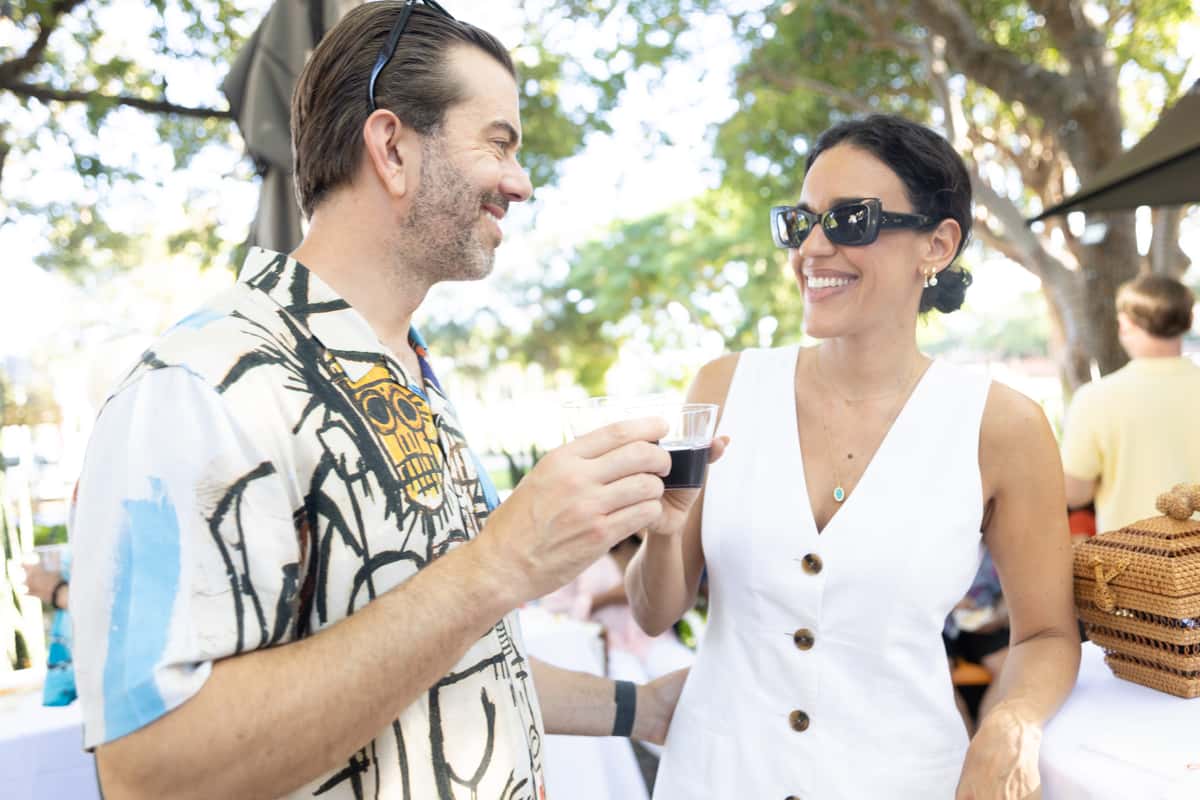
A cocktail party engagement celebration is a standing-format event where guests mingle freely, enjoy passed hors d'oeuvres and drinks, and move between conversations without assigned seating. Instead of a structured multi-course meal, the evening revolves around circulation, small bites, and a social atmosphere that encourages guests to interact with many people throughout the night.
This format prioritizes spontaneity over formality. According to Jennifer Buono Events, cocktail-style events feel dynamic, social, and fluid, with guests free to enjoy varied food stations and explore multiple atmospheres throughout the evening. That sense of movement makes it particularly well suited to engagement parties, where the goal is often introducing different friend groups and family circles to one another for the first time.
For couples who want a celebratory energy without the rigidity of a seated timeline, this style delivers. It naturally accommodates varied arrival times, keeps the mood lively, and lets the couple work the room rather than remain anchored to one table.
What Is a Seated Dinner Engagement Celebration?
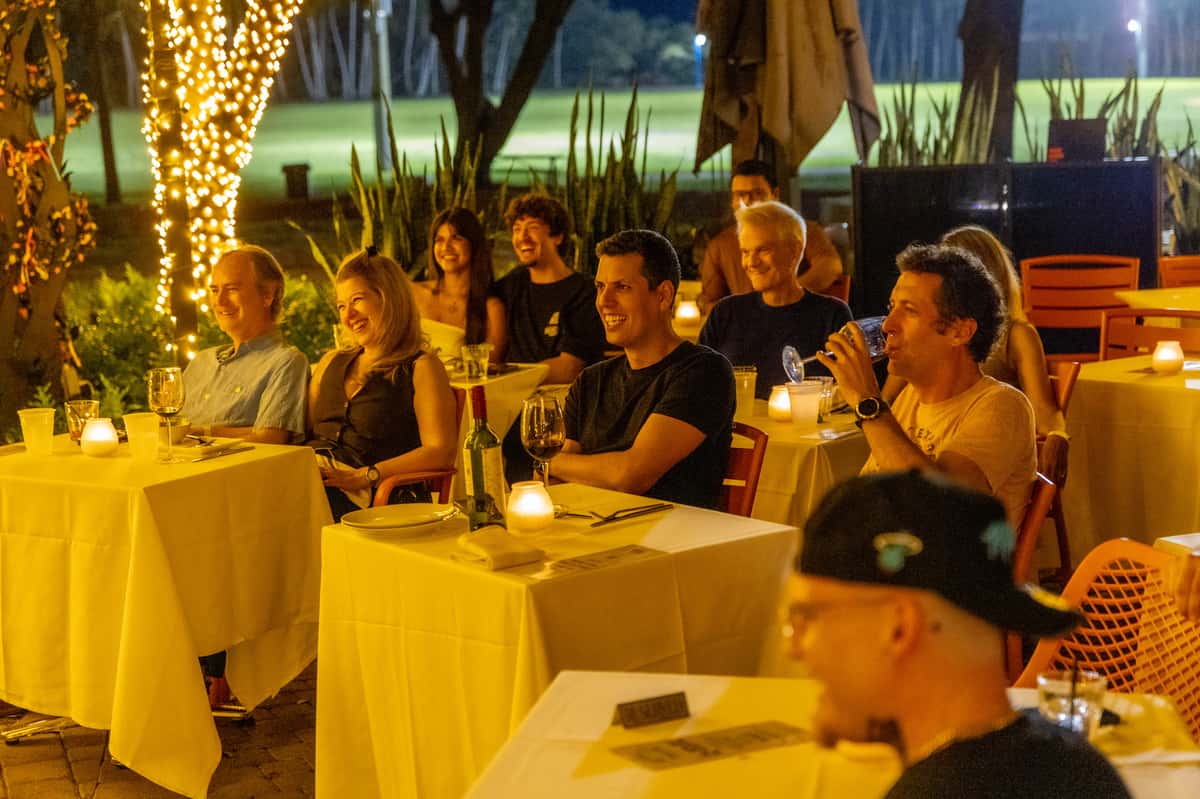
A seated dinner engagement celebration is a formal, structured event where every guest receives an assigned place at a table and enjoys a multi-course meal served in a choreographed sequence. This format creates a defined rhythm for the evening, with paced courses, intentional seating arrangements, and a timeline that guides the entire experience.
Unlike a cocktail-style gathering built around movement and mingling, a seated dinner anchors guests in place. Conversation happens within smaller table groupings, and the couple can incorporate structured moments like toasts, speeches, or a ring exchange ceremony between courses. According to Wedding Seat, a sit-down dinner gives couples a formal, seated evening with assigned places and a structured timeline, while a cocktail-style reception trades chairs for stations and a looser flow without a full seated meal.
For couples who want their engagement party to feel intentional, intimate, and unhurried, a seated dinner provides a natural framework. The paced service allows the evening to unfold gradually, giving each moment, from appetizers to dessert, its own space. This format tends to work especially well for smaller guest counts where deeper conversation matters more than broad circulation.
What Are the Key Differences Between a Cocktail Party and Seated Dinner Engagement?
The key differences between a cocktail party and seated dinner engagement span guest experience, conversation flow, food service, and event pacing. Each format shapes celebration energy in distinct ways.
How Does the Guest Experience Differ at Each Format?
The guest experience differs at each format in how people move, interact, and engage with the celebration. A cocktail party keeps guests on their feet, circulating freely between conversation groups, drink stations, and different areas of the venue. This standing format encourages spontaneous introductions and a lively social atmosphere.
A seated dinner, by contrast, gives every guest an assigned place and a shared progression through the evening. The experience feels more personal and intimate, with deeper one-on-one exchanges at each table. According to The Knot, guests typically consume about one drink per hour or roughly five drinks throughout the evening, so both formats require thoughtful beverage planning to support the overall experience.
How Does the Flow of Conversation Compare?
The flow of conversation compares quite differently between the two formats. Cocktail parties generate brief, high-energy exchanges as guests rotate naturally through the room. Conversations tend to be shorter but more varied, with attendees meeting a wider range of people throughout the celebration.
Seated dinners encourage longer, more sustained dialogue. Guests seated together for multiple courses develop richer conversations that build over the meal. For couples who want family members and friend groups to form genuine connections, the seated format creates that environment more reliably. Cocktail parties, however, are better suited when the goal is broad social mixing across different circles.
How Does the Food Service Style Differ?
The food service style differs fundamentally in structure and presentation. According to Jennifer Buono Events, cocktail-style events feel dynamic, social, and fluid, with guests free to mingle and enjoy varied food stations, whereas a seated dinner creates formality and rhythm where courses are paced and service is choreographed.
Cocktail formats rely on passed hors d'oeuvres and self-serve stations that guests visit at their own pace. Seated dinners deliver plated courses in a deliberate sequence, allowing each dish to shine individually. For engagement celebrations where culinary experience is a priority, the seated format offers more control over presentation and timing.
How Does the Event Timeline Differ?
The event timeline differs in structure and flexibility. Cocktail engagement parties typically run two to three hours with a loose, organic flow. There are no formal course breaks, so the evening unfolds continuously as guests graze and socialize at their own rhythm.
Seated dinners follow a more defined schedule, often spanning three to four hours with distinct phases: arrival and cocktails, first course, main course, dessert, and toasts. This built-in structure makes it easier to plan speeches or special moments at specific points. Couples who prefer a relaxed, go-with-the-flow celebration lean toward cocktail format, while those wanting milestone moments woven into the evening benefit from a seated timeline.
Understanding these format distinctions helps couples align their engagement party with the atmosphere they envision.
How Many Guests Work Best for Each Engagement Party Format?
The ideal guest count depends on whether you choose a cocktail party or seated dinner format. Cocktail parties accommodate larger groups comfortably, while seated dinners work best with smaller, more intimate lists. One important etiquette note: according to WeddingWire, it is not proper to directly ask for gifts, and many couples prefer a "no gifts" policy to ease pressure on attendees.
What Guest Count Suits a Cocktail Party Engagement?
A cocktail party engagement suits a guest count of 40 to 80 people, though the format can scale even higher depending on venue capacity. The standing, mingling nature of cocktail events allows more guests to circulate within the same space without requiring individual place settings.
Keep these planning considerations in mind:
- Every engagement party guest must also receive a wedding invitation, as noted by Brides, so build your list with that commitment in mind.
- Plan for 4 to 6 hors d'oeuvres pieces per guest for each hour, choosing 3 to 5 varieties maximum, according to Well-Dressed Events.
- Cultural traditions, such as ring exchange ceremonies, elder blessings, or sharing sweets, may influence how you structure the gathering regardless of size.
Cocktail formats give couples the flexibility to celebrate with a broad circle without the per-seat cost pressure that comes with plated service. For couples planning larger weddings, this format keeps the engagement party guest list generous yet manageable.
What Guest Count Suits a Seated Dinner Engagement?
A seated dinner engagement suits a guest count of 15 to 40 people. This format requires individual place settings, assigned seating, and plated or family-style courses, all of which limit how many guests a venue can accommodate comfortably.
Smaller groups benefit most from seated dinners because the structured pacing allows meaningful conversation between courses. Each guest receives dedicated attention, making this format ideal for close family and the couple's inner circle. When the list exceeds 40, logistics around table arrangements, service timing, and per-person costs become significantly harder to manage.
For couples who want every guest to share the same experience at the same pace, keeping the count intimate is essential. Understanding how format shapes your guest list makes it easier to align your celebration with budget and venue requirements.
How Much Does a Cocktail Party Engagement Cost Compared to a Seated Dinner?
A cocktail party engagement typically costs less per person than a seated dinner. The sections below break down what to budget for each celebration style.
What Should You Budget for a Cocktail Style Celebration?
You should budget approximately $40 to $70 per person for a cocktail style celebration, depending on the complexity of your hors d'oeuvres and bar package. According to Chef Bill Blackburn's 2025 catering cost data, per-person costs range from $40 for a buffet-style setup to $150 for a plated dinner, placing cocktail formats firmly at the lower end of that spectrum.
Key budget categories for a cocktail engagement include:
- Passed appetizers and food stations
- Bar service, whether limited or open
- Venue rental with standing-friendly layout
- Staffing for service and bartending
Because cocktail celebrations require fewer tables, linens, and place settings, rental costs tend to drop as well. For couples hosting larger guest counts, this format often delivers the best value without sacrificing quality.
What Should You Budget for a Seated Dinner Celebration?
You should budget approximately $100 to $150 per person for a seated dinner celebration. Plated multi-course service sits at the top of the catering cost range, with additional expenses for table rentals, linens, floral centerpieces, and a higher staff-to-guest ratio.
A seated dinner budget typically includes:
- Multi-course plated meal with appetizer, entrée, and dessert
- Full table settings with linens, chargers, and glassware
- Assigned seating arrangements and printed place cards
- Additional service staff for synchronized course delivery
The formality of a seated dinner commands a higher investment, but it also creates a polished, intentional atmosphere that many couples value for milestone celebrations. Choosing the right venue can help manage these costs while still delivering an elevated experience.
What Type of Venue Works Best for Each Engagement Party Style?
The best venue type depends on whether your engagement party follows a cocktail or seated dinner format. Each style demands distinct spatial features, layouts, and amenities.
What Venue Features Support a Cocktail Party Format?
The venue features that support a cocktail party format include open floor plans, multiple circulation zones, and accessible bar stations. Cocktail-style celebrations require guests to move freely, so fixed rows of tables or cramped corridors work against the format's social energy.
Look for venues that offer:
- Flexible open spaces without permanent seating arrangements.
- Multiple bar access points to prevent long lines.
- A mix of indoor and outdoor areas guests can explore.
- High-top tables or lounge clusters scattered throughout the room.
- Adequate standing room with at least 10 to 12 square feet per person.
According to Zola, national averages for wedding venues reach $8,573, so couples planning cocktail-style engagement parties benefit from choosing spaces that maximize capacity without requiring extensive furniture rentals. A venue with built-in ambiance, such as garden lighting or architectural character, also reduces decor costs significantly.
What Venue Features Support a Seated Dinner Format?
The venue features that support a seated dinner format include a dedicated dining room, kitchen infrastructure for plated service, and enough square footage to accommodate full table settings. Seated dinners require structured layouts where every guest has an assigned place and servers can move between tables without disrupting conversation.
Essential features to prioritize:
- A private or semi-private dining area with controlled acoustics.
- Plated service capability from an on-site kitchen.
- At least 18 to 20 square feet per guest to fit round tables and chair clearance.
- Lighting that can be dimmed for an intimate evening atmosphere.
- A designated area for toasts or speeches that all guests can see.
Seated formats reward venues with personality and warmth over sheer size. A garden setting with natural canopy, for instance, provides the intimacy a formal dinner needs while keeping the evening from feeling overly rigid.
With venue requirements clarified, the next step is planning a menu that matches your chosen format.
What Kind of Menu Should You Plan for Each Format?
The menu you plan for each format depends on the event's pacing, service style, and formality. Cocktail parties favor bite-sized variety, seated dinners require coursed progression, and drink menus shift accordingly.
What Food Works Best for a Cocktail Engagement Party?
The food that works best for a cocktail engagement party is a diverse selection of passed hors d'oeuvres and small bites designed for one-handed eating. Since guests circulate rather than sit, every item should be self-contained and easy to enjoy while standing.
Effective cocktail party food options include:
- Passed canapés such as crostini, bruschetta, and smoked salmon bites
- Skewered proteins like grilled shrimp, chicken satay, or beef tenderloin
- Seasonal crudité and dip stations for continuous grazing
- Mini desserts served on trays toward the end of the evening
According to Well-Dressed Events, a standard one-hour cocktail hour calls for 4 to 6 total pieces per guest across 3 to 5 varieties. For a full-evening cocktail engagement party, scaling to 10 to 12 pieces per person ensures no one leaves hungry.
What Food Works Best for a Seated Dinner Engagement Party?
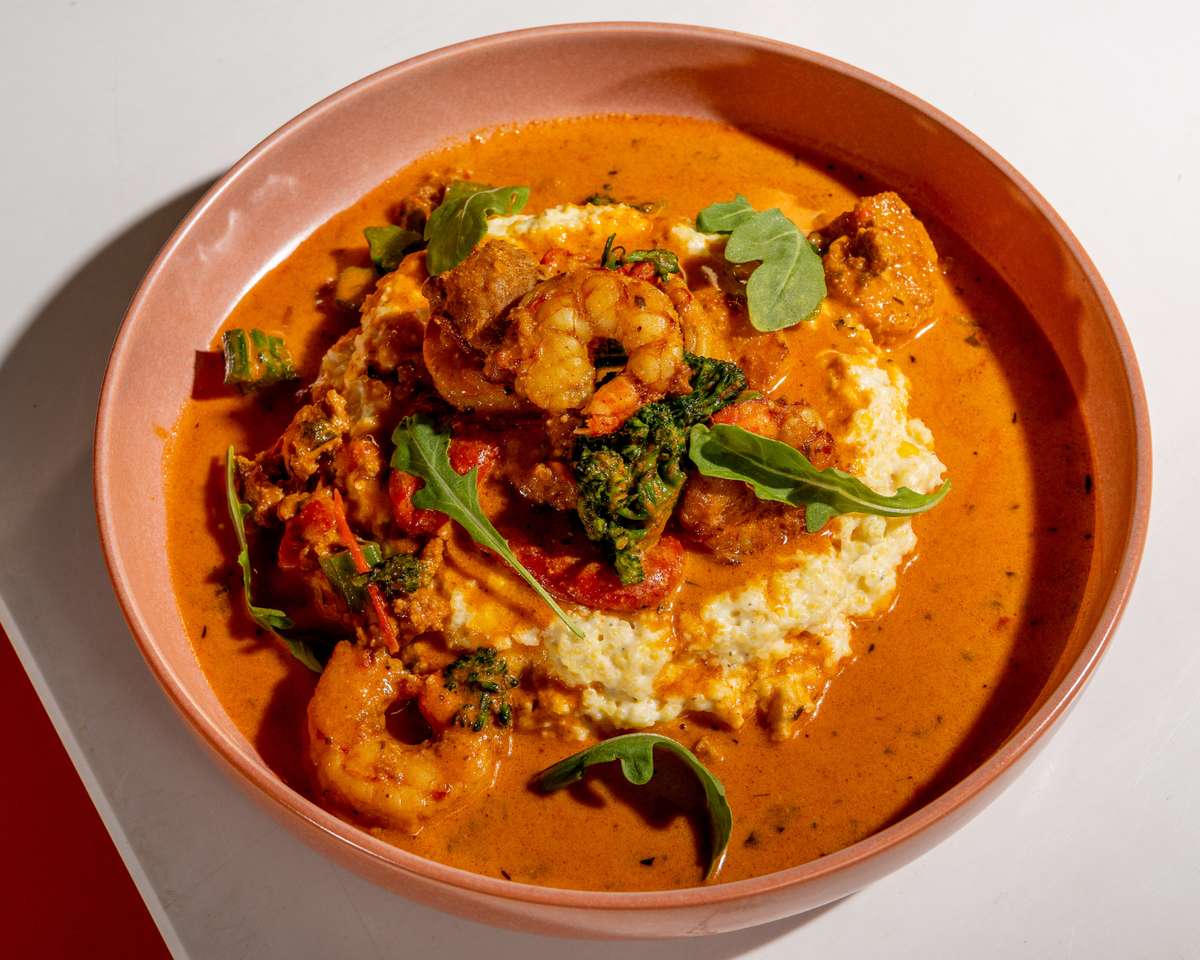
The food that works best for a seated dinner engagement party is a multi-course plated menu with a clear progression from appetizer to dessert. This format allows each dish to shine individually, with pacing controlled by the kitchen and service staff.
A typical seated dinner menu follows this structure:
- A first course of salad, soup, or a light seafood starter
- An entrée offering two or three protein options with accompaniments
- A dessert course, often paired with coffee or a digestif
Seated dinners reward bold, composed plates where presentation matters as much as flavor. For engagement celebrations specifically, a shared family-style first course can warm up the table before individually plated entrées arrive.
How Do Drink Menus Differ Between the Two Formats?
Drink menus differ between the two formats in pacing, variety, and service logistics. Cocktail parties emphasize a broader beverage selection with accessible bar stations, while seated dinners pair wines or signature drinks with each course.
According to The Knot, guests consume roughly one drink per hour, or about five drinks across a full evening. For cocktail formats, a well-stocked bar offering beer, wine, and two to three signature cocktails keeps the line moving. Seated dinners benefit from pre-selected wine pairings that complement each course, reducing service complexity and elevating the meal.
Choosing between open bar access and curated pairings is one of the most consequential menu decisions couples make, because it directly shapes both the guest experience and the overall budget.
How Does the Formality of Your Engagement Affect the Choice?
The formality of your engagement directly shapes whether a cocktail party or seated dinner is the better fit. Casual celebrations align with the relaxed energy of a cocktail format, while formal occasions call for the structure of a seated dinner.
When Does a Casual Engagement Call for a Cocktail Party?
A casual engagement calls for a cocktail party when the couple wants a relaxed, social atmosphere over a structured evening. This format suits celebrations where the focus is on mingling, laughter, and spontaneous conversations rather than a choreographed sequence of courses.
Cocktail-style celebrations work especially well for:
- Laid-back couples who prefer a "come as you are" vibe over black-tie formality.
- Mixed guest lists where not everyone knows each other, since circulation encourages introductions.
- Shorter celebration windows, such as a Sunday afternoon or weeknight gathering.
- Venues with open-air or lounge-style layouts that encourage movement.
For couples celebrating in a setting like Coconut Grove, where the tropical scenery already sets a warm, inviting tone, a cocktail format lets the atmosphere do much of the work. Formality should match the couple's personality; forcing a structured dinner on a naturally easygoing pair often feels stiff.
When Does a Formal Engagement Call for a Seated Dinner?
A formal engagement calls for a seated dinner when the occasion demands structure, elegance, and a deliberate pace. According to Wedding Seat, a sit-down dinner provides a formal, seated evening with assigned places and a structured timeline, while a cocktail-style reception trades chairs for stations, mingling, and a looser flow without a full seated meal.
Seated dinners suit formal engagements because they offer:
- Assigned seating that honors family hierarchy and guest relationships.
- A paced, multi-course progression that creates intentional moments for toasts and speeches.
- A sense of occasion that signals the significance of the milestone being celebrated.
When families place high value on tradition or the guest list includes elders who expect a refined experience, a seated dinner communicates respect and intention in ways a cocktail format simply cannot.
Understanding your celebration's formality narrows the format decision, but the time of day adds another practical layer worth considering.
How Does the Time of Day Influence Your Decision?
The time of day influences your decision by shaping guest expectations around food, energy, and formality. Afternoon celebrations naturally align with lighter, social formats, while evening events call for more structured dining.
Why Does an Afternoon Engagement Celebration Favor Cocktail Style?
An afternoon engagement celebration favors cocktail style because the earlier time slot sets lighter expectations for food and formality. Guests arriving between 2:00 and 5:00 p.m. typically anticipate passed appetizers and drinks rather than a full meal. The relaxed daylight hours encourage movement and mingling, which mirrors the open, circulating flow of a cocktail format. Afternoon light also enhances open-air and garden settings, making the atmosphere feel effortless without heavy décor. Glass & Vine's lush garden setting beneath Peacock Park's oak canopy naturally elevates afternoon cocktail celebrations, where the dappled sunlight and open-air atmosphere create an inviting backdrop without requiring extensive decoration. Shorter duration works in your favor here; a two-to-three-hour cocktail celebration feels complete in the afternoon without guests wondering when dinner will be served.
Why Does an Evening Engagement Celebration Favor Seated Dining?
An evening engagement celebration favors seated dining because guests expect a full meal after 6:00 p.m. Arriving at a nighttime event without a structured dinner can leave guests feeling underfed and uncertain about the timeline. Seated dining provides the paced, multi-course progression that matches evening formality, with appetizers, entrées, and dessert creating natural rhythm. Candlelight, dim lighting, and tableside service all feel more intentional after dark. According to Wedding Seat, a sit-down dinner gives you a formal, seated evening with assigned places and a structured timeline, reinforcing how evening hours and seated formats complement each other. For couples planning a nighttime celebration, seated dining meets the expectations guests bring to an after-dark gathering.
Understanding how timing shapes format preferences helps you evaluate the practical details next, starting with each style's strengths and trade-offs.
What Are the Pros and Cons of a Cocktail Party Engagement?
The pros and cons of a cocktail party engagement center on flexibility, social energy, cost efficiency, and trade-offs in structure. Here is a balanced breakdown.
Pros:
- A cocktail format encourages natural mingling, allowing guests to circulate freely and meet people outside their usual circle.
- Per-person catering costs tend to run lower than plated dinners, since passed hors d'oeuvres and food stations replace multi-course meals.
- Cocktail parties require less square footage per guest. According to All Occasions Event Rental, a cocktail party needs only 10 to 12 square feet per person, compared to 18 to 20 square feet for a plated dinner.
- The relaxed timeline removes pressure from rigid scheduling, giving couples more flexibility with toasts, arrivals, and overall pacing.
- Venue options expand because the format works in spaces that lack formal dining infrastructure.
Venues like Glass & Vine in Coconut Grove demonstrate this versatility, offering an open-air garden setting that transitions seamlessly between standing cocktail formats and seated dining, supported by brunch, lunch, and dinner menus designed for flexible celebration styles.
Cons:
- Elderly guests or those with mobility concerns may find a standing-focused event tiring without adequate seating.
- Conversation depth can suffer when guests constantly rotate rather than settling into longer discussions.
- Controlling food portions and beverage pacing becomes harder without a structured course sequence.
- Formal traditions like seated toasts or family speeches feel less anchored without a defined moment when all guests are stationary and attentive.
- Some guests may perceive a cocktail format as less celebratory than a full dinner, particularly for milestone events.
For couples who value spontaneity over structure, a cocktail engagement party delivers a vibrant, budget-friendly celebration. However, it works best when hosts plan enough seating areas and schedule at least one focal moment to gather everyone together. Understanding these trade-offs alongside the seated dinner format helps couples make a confident choice.
What Are the Pros and Cons of a Seated Dinner Engagement?
The pros and cons of a seated dinner engagement center on the balance between structured elegance and flexibility. A seated format delivers intimacy and formality, though it requires more planning and higher per-guest costs.
Pros of a seated dinner engagement:
- Assigned seating creates intentional guest groupings that encourage deeper, more meaningful conversations throughout the evening.
- A multi-course meal provides a structured timeline, giving the couple natural moments for toasts, speeches, and ring presentations.
- Plated service ensures every guest receives the same high-quality dining experience regardless of mobility or comfort level.
- The formal pacing feels ceremonial, which suits couples who want their engagement celebration to mirror the significance of the occasion.
Cons of a seated dinner engagement:
- Per-person catering costs run significantly higher; according to a 2025 analysis by Chef Bill Blackburn, plated dinner costs reach up to $150 per person compared to $40 for buffet-style alternatives.
- Seating charts require careful social planning to avoid awkward table dynamics between unfamiliar guest groups.
- The structured timeline limits spontaneous mingling, which can feel restrictive for younger or more social crowds.
- Venue space requirements increase substantially, since seated formats need 12 to 20 square feet per person versus 8 to 12 for cocktail layouts.
For couples who value ceremony and meaningful conversation over casual flexibility, a seated dinner remains one of the strongest engagement party formats. Understanding how both styles can work together opens even more possibilities.
Can You Combine Cocktail and Seated Dinner Elements?
Yes, you can combine cocktail and seated dinner elements to create a hybrid engagement celebration that captures the best of both formats. A hybrid approach pairs the social energy of a standing cocktail hour with the intimacy of a seated meal, giving guests variety throughout the evening.
The most effective structure begins with a cocktail reception featuring passed hors d'oeuvres and open mingling, then transitions into a seated dinner with plated courses. This progression lets guests circulate freely during the early portion before settling into more focused conversation over a shared meal. According to Jennifer Buono Events, cocktail-style events feel dynamic and fluid as guests explore varied food stations, while seated dinners create formality and rhythm where courses are paced and service is choreographed.
Couples who blend these elements gain flexibility in several ways:
- A cocktail hour accommodates late arrivals without disrupting the timeline.
- Seated dining ensures every guest shares key moments like toasts and speeches.
- Food stations during the cocktail portion reduce per-person plating costs while the seated course adds a refined focal point.
- The format shift creates a natural energy arc, moving from high-energy socializing to relaxed, intimate dining.
For most engagement celebrations, this combined format is the smartest choice when the guest list includes both close family and a wider social circle. The cocktail portion satisfies guests who thrive on movement, while the seated dinner honors those who prefer structured, meaningful interaction. Timing the transition carefully is essential; plan roughly 60 to 90 minutes for the cocktail portion before guiding guests to their seats.
With a hybrid format offering this kind of versatility, the right venue can make the transition between styles feel seamless.
How Can an Outdoor Garden Venue in Coconut Grove Elevate Your Engagement Celebration?
An outdoor garden venue in Coconut Grove can elevate your engagement celebration by providing a natural, versatile setting that complements both cocktail and seated dinner formats. Below, explore how Glass & Vine's space supports either style and what to keep in mind when making your final choice.
Does Glass & Vine's Open-Air Setting Suit Both Formats?
Yes, Glass & Vine's open-air setting suits both formats. The lush garden layout beneath Peacock Park's oak canopy creates distinct zones that naturally accommodate cocktail-style circulation or structured seated dining. For a cocktail engagement, guests can move freely between the patio, bar area, and garden surroundings, mirroring the social energy this format thrives on. For a seated dinner, the same space transforms into an intimate outdoor dining room where courses unfold at a comfortable pace. Glass & Vine offers brunch, lunch, dinner, and happy hour menus alongside a curated cocktail and wine program, giving couples flexibility to match their food and beverage selections to whichever format they choose. Few venues in Coconut Grove blend this level of culinary range with a genuinely garden-inspired atmosphere.
What Should You Remember When Choosing Your Engagement Party Style?
The most important thing to remember when choosing your engagement party style is that the format should reflect how you and your guests naturally celebrate. A cocktail party rewards couples who want energy and mingling; a seated dinner rewards those who want intimacy and conversation. According to Zola, the ideal engagement party date falls anywhere from a few weeks to a month or two after the proposal, before any other pre-wedding celebrations. Locking in your date early gives you the best venue availability and enough time to tailor the format, menu, and guest count to your vision.
With the right venue and format aligned, your engagement celebration becomes the first memorable chapter of your wedding journey.