
Brunch Vs Breakfast Meaning: How to Choose
Brunch Vs Breakfast Meaning: How to Choose
The difference between brunch and breakfast comes down to timing, purpose, and experience. Breakfast is a functional morning meal that breaks the overnight fast, typically served between 6:00 and 10:00 a.m. Brunch is a late-morning social event combining breakfast and lunch elements, served from 10:00 a.m. to 2:00 p.m. with cocktails, diverse menus, and a leisurely pace.
This guide covers the origins and definitions of each meal, timing distinctions, menu and beverage differences, which dining situations suit each option, cost and atmosphere comparisons, and where to find outdoor brunch in Coconut Grove.
We trace both words to their etymological roots: "breakfast" as a mid-15th century compound meaning to end the nightly fast, and "brunch" as a portmanteau coined in 1895 by Guy Beringer as a cheerful alternative to heavy Sunday meals.
Timing creates the clearest boundary. Breakfast wraps by 10:00 or 11:00 a.m. while brunch extends into early afternoon, and that later window permits the cocktail service that defines the experience.
Menus diverge in complexity. Breakfast centers on quick staples like eggs, toast, and cereal. Brunch layers in composed dishes, shared plates, and signature drinks like mimosas and Bloody Marys that boost both the social energy and the check total.
Each meal suits different people. Breakfast works for families with young children and time-pressed professionals. Brunch rewards couples, friend groups, and anyone treating the meal itself as the main event rather than a stop before one.
Coconut Grove's outdoor dining scene brings these distinctions to life, with garden patios and a neighborhood officially proclaimed Miami's Brunch Capital in 2025.
What Does Breakfast Actually Mean?
Breakfast literally means "to break the fast." The word originated in the mid-15th century as a compound of "break" and "fast," referring to the act of ending the overnight fasting period after sleep, according to the Online Etymology Dictionary. Every time you sit down for your first meal of the day, you are performing exactly what the name describes: breaking a physiological fast that began when you last ate the night before.
This simple etymology distinguishes breakfast from every other meal. It is defined not by specific foods or a social occasion, but by its biological function. Understanding this distinction helps clarify how brunch diverges in both purpose and timing.
What Does Brunch Actually Mean?
Brunch is a portmanteau of "breakfast" and "lunch," describing a late-morning meal that combines elements of both. Its origins, purpose, and social character distinguish it from a standard morning meal.
The term first appeared in print in an 1895 issue of Hunter's Weekly in an article titled "Brunch: A Plea" by British author Guy Beringer, according to Smithsonian Magazine. Beringer proposed brunch as a cheerful, late-morning alternative to heavy post-church Sunday meals. He described it as "sociable and inciting," a meal that "sweeps away the worries and cobwebs of the week."
Unlike breakfast, which simply means to break the overnight fast, brunch carries intentional social purpose. The meal blends morning staples with lunch-weight dishes, served during a window that accommodates sleeping in. Alcohol also plays a defining role; Beringer's original essay explicitly suggested that "beer and whiskey are admitted as substitutes for tea and coffee." That spirit persists today through mimosas, Bloody Marys, and bottomless drink options that no traditional breakfast service offers.
For anyone weighing brunch vs breakfast meaning, the distinction is clear: breakfast fuels the start of a day, while brunch replaces the rush with a leisurely, communal experience designed around relaxation and connection.
What Time Does Breakfast End and Brunch Begin?
Breakfast typically ends between 10:00 and 11:00 a.m., while brunch begins around 10:00 a.m. and extends into the early afternoon. The following subsections cover standard timing for each meal.
What Time Is Breakfast Typically Served?
Breakfast is typically served between 6:00 and 10:00 a.m. Most restaurants open their breakfast service early to accommodate commuters, families, and early risers who need a quick, functional meal before starting the day. Hotel breakfast buffets often close by 10:00 a.m., while standalone diners may stretch service to 10:30 a.m. on weekdays. Weekend breakfast hours sometimes shift slightly later, beginning around 7:00 or 8:00 a.m., though service still wraps before the late-morning window when brunch takes over.
What Time Is Brunch Typically Served?
Brunch is typically served between 10:00 a.m. and 2:00 p.m., primarily on weekends. This late-morning window allows restaurants to bridge breakfast and lunch, offering expanded menus that combine dishes from both meals. The format works well financially; according to a 2024 Marketplace report, brunch service typically offers better profit margins because core ingredients like eggs, potatoes, and bread have relatively low food costs.
The later start time also permits alcohol service, which standard breakfast rarely includes. In neighborhoods built around this dining culture, the brunch window becomes a defining feature. Coconut Grove was officially proclaimed "The Brunch Capital of Miami" in September 2025, reinforcing how central this midday ritual has become to the local dining identity.
What Time Does Brunch End?
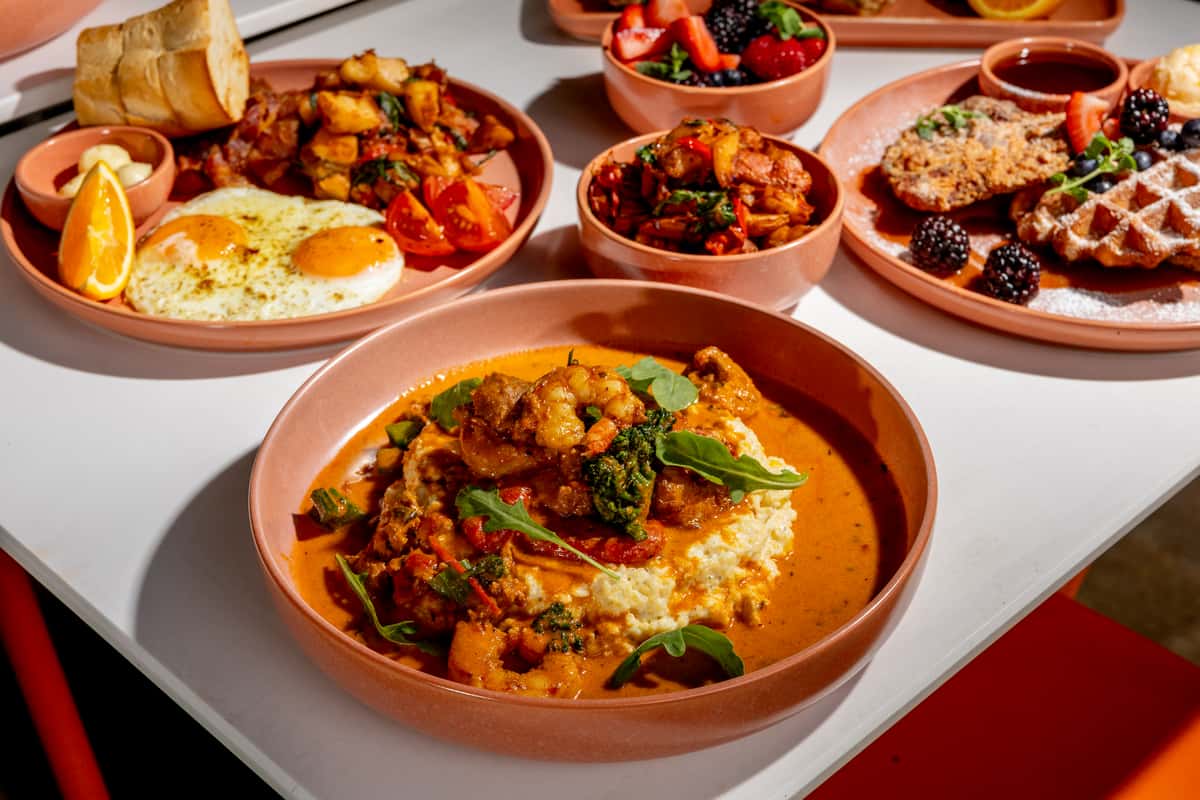
Brunch end time falls between 2:00 and 3:00 p.m. at most restaurants. Some venues close brunch at 2:00 p.m. sharp to transition into dinner prep, while others extend to 3:00 p.m. on holidays like Mother's Day or New Year's Day. The exact cutoff depends on whether a restaurant runs a dedicated brunch-only service or transitions into a lunch menu afterward. For diners arriving after 1:30 p.m., checking with the restaurant beforehand prevents disappointment, especially at popular spots where kitchen transitions happen quickly.
With timing established, the next distinction lies in what actually appears on each meal's plate.
What Foods Are Served at Breakfast Vs Brunch?
The foods served at breakfast vs brunch differ in scope and complexity. Breakfast centers on quick, fuel-focused staples, while brunch expands into heartier, lunch-adjacent dishes. Below, each meal's classic foods and signature drinks are compared.
What Are Classic Breakfast Foods?
Classic breakfast foods are simple, quick-to-prepare staples designed to break the overnight fast. These items prioritize speed and energy:
- Scrambled, fried, or poached eggs
- Toast, bagels, or English muffins
- Oatmeal and cold cereal
- Bacon or sausage links
- Fresh fruit and yogurt
- Pancakes or waffles
The emphasis falls on efficiency. Most breakfast plates feature two or three of these items paired with coffee or juice, assembled in minutes for weekday routines.
What Are Classic Brunch Foods?
Classic brunch foods are more elaborate preparations that blend breakfast ingredients with lunch-style complexity. Successful brunch concepts balance egg-based dishes with diverse, lunch-leaning options:
- Eggs Benedict with hollandaise
- Shakshuka or huevos rancheros
- Avocado toast with poached eggs
- French toast or stuffed crepes
- Smoked salmon platters with capers
- Grain bowls, salads, and charcuterie boards
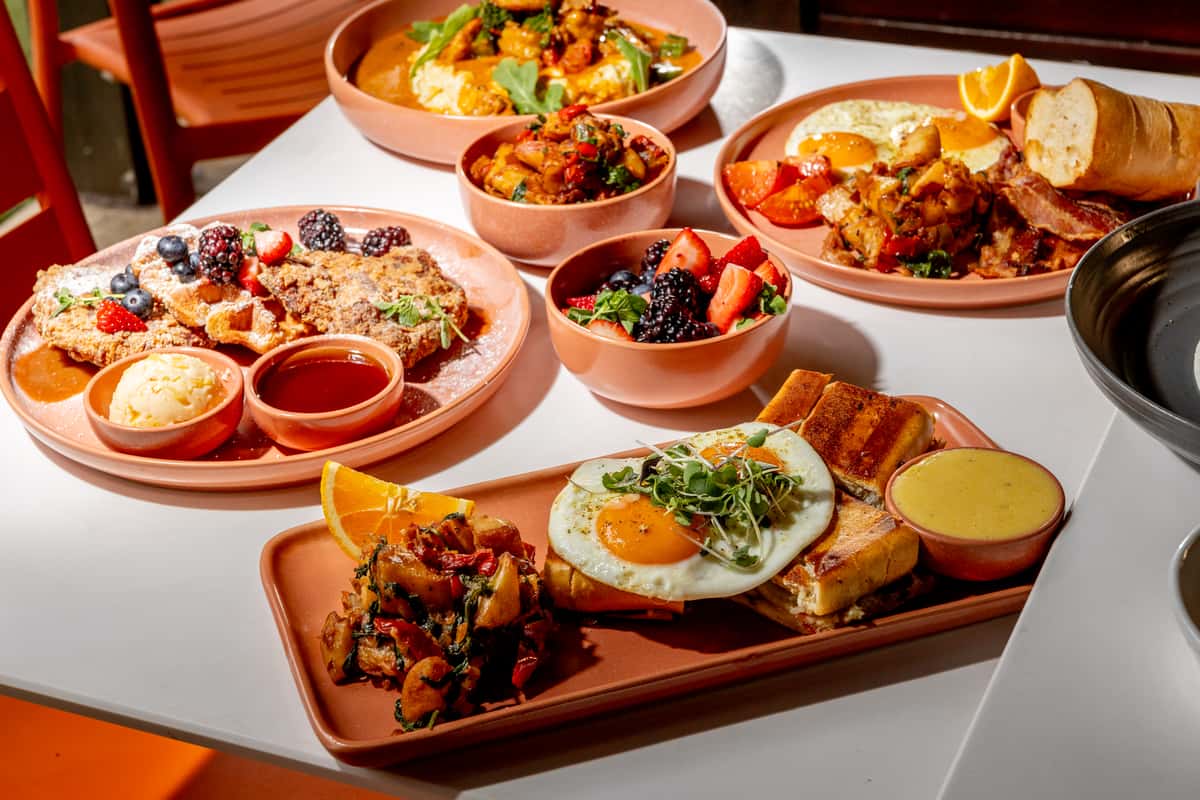
What separates brunch food from breakfast food is the plating, portion size, and ingredient diversity. A brunch plate often combines proteins, greens, and composed sauces that would feel out of place at a 7 a.m. weekday meal.
What Drinks Separate Brunch From Breakfast?
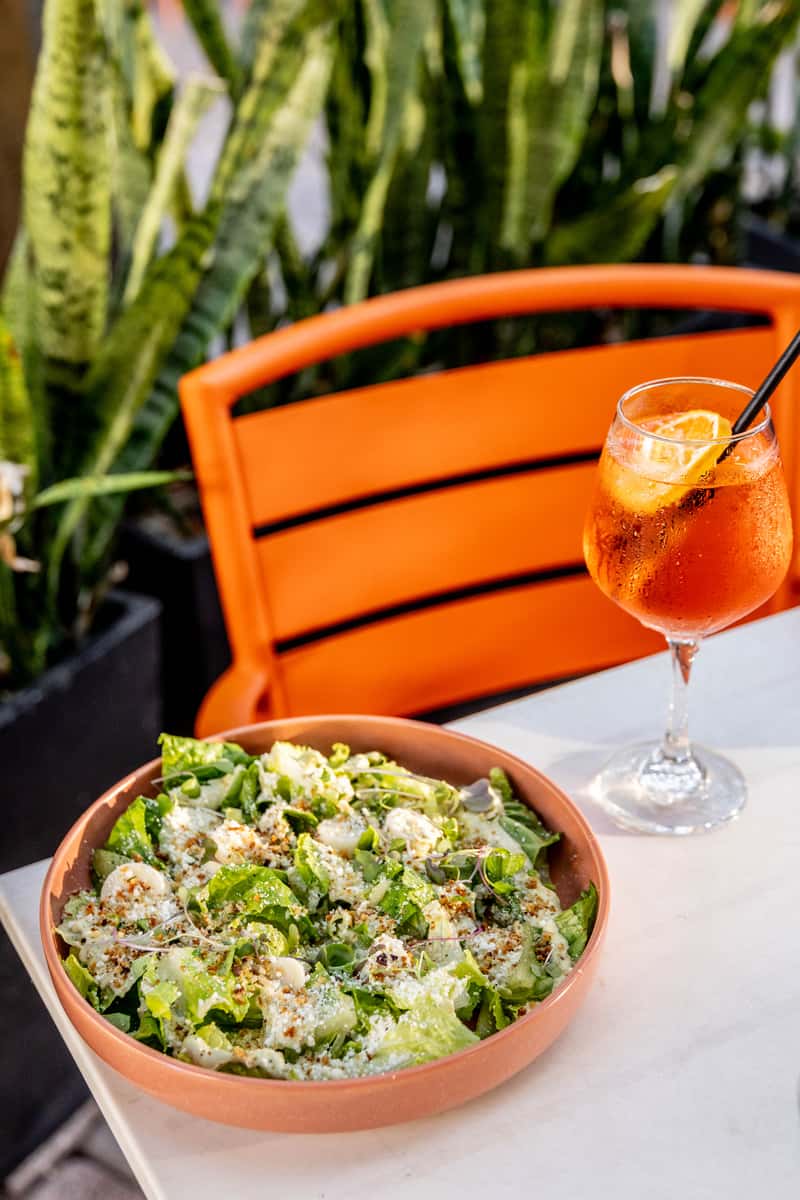
The drinks that separate brunch from breakfast are cocktails. Breakfast beverages remain non-alcoholic: drip coffee, orange juice, tea, and smoothies. Brunch introduces high-margin cocktails like mimosas and Bloody Marys, which boost the average check size compared to standard breakfast service, according to a Citrin Cooperman industry analysis.
This cocktail component is central to brunch's identity. Guy Beringer's original 1895 essay proposing the meal explicitly suggested that "beer and whiskey are admitted as substitutes for tea and coffee." That spirit persists today through champagne-based pours and craft cocktail menus that give brunch its social, celebratory character.
For most diners, the presence of a drink menu is the clearest signal that a meal has crossed from breakfast into brunch territory.
Who Is Breakfast Better Suited For?
Breakfast is better suited for families with young children and professionals who need a quick, early-morning meal. The following sections explain when each group benefits most from choosing breakfast over brunch.
When Should Families With Young Children Choose Breakfast?
Families with young children should choose breakfast when early schedules, routine, and child-friendly timing matter most. Young children thrive on predictable meal patterns, and breakfast's earlier service window aligns naturally with their energy needs.
According to a CDC report, breakfast consumption among U.S. children declines with age, falling from 95.8% for children aged 2–5 years to less than three-quarters (72.9%) for adolescents aged 12–19. This confirms that younger children are already conditioned to eat early. In 2020, 73% of U.S. families with school-aged children reported spending more time together at the breakfast table compared to pre-pandemic routines, reinforcing breakfast as a family bonding opportunity.
For families with toddlers or preschoolers, breakfast offers shorter wait times, simpler menus, and seating availability that later brunch crowds often eliminate.
When Should Professionals on a Tight Schedule Choose Breakfast?
Professionals on a tight schedule should choose breakfast when they need a fast, focused meal before the workday begins. Breakfast service starts earlier, typically between 6:00 and 9:00 a.m., allowing time-constrained diners to eat and leave without the leisurely pace brunch demands.
Shorter menus and quicker table turnover mean less time spent deciding and waiting. For professionals balancing commutes, meetings, or early deadlines, breakfast provides fuel without the social commitment brunch implies. The meal's efficiency makes it practical for weekday mornings when every minute counts, whereas brunch is designed for lingering.
Understanding who benefits from breakfast's structure helps clarify when brunch's relaxed format becomes the better option.
Who Is Brunch Better Suited For?
Brunch is better suited for couples seeking a leisurely date, groups of friends celebrating together, and families with older children who enjoy diverse menus. Each scenario benefits from brunch's relaxed pace and social atmosphere.
When Should Couples Choose Brunch Over Breakfast?
Couples should choose brunch over breakfast when they want a relaxed, lingering meal that doubles as quality time together. The later start removes morning rush pressure, allowing partners to enjoy cocktails, shared plates, and unhurried conversation.
According to a 2025 Revenue Management Solutions survey, over 70% of respondents reported getting restaurant breakfast at least once a week, making it a routine errand rather than a special occasion. Brunch, by contrast, feels like an intentional outing. The availability of mimosas and craft cocktails elevates the experience beyond a standard morning meal, turning it into something worth dressing up for.
For couples prioritizing connection over convenience, brunch transforms an ordinary weekend morning into a memorable date.
When Should Groups of Friends Choose Brunch?
Groups of friends should choose brunch when the goal is socializing rather than fueling up quickly. Brunch's extended service window accommodates different schedules, so latecomers can still join without disrupting the group.
Shared cocktail pitchers, family-style dishes, and longer table times create the communal atmosphere that large friend groups need. Unlike breakfast, where diners often eat and leave within 30 minutes, brunch encourages lingering. The combination of daytime energy and a celebratory drink menu makes it ideal for birthdays, reunions, or simply catching up after a busy week.
Groups that want conversation to flow as freely as the drinks will find brunch far more accommodating than a hurried breakfast slot.
When Should Families With Older Children Choose Brunch?
Families with older children should choose brunch when younger palates have matured enough to appreciate diverse flavors and a wider menu. Teens and pre-teens benefit from menus that blend breakfast comfort with lunch-forward creativity.
According to the Auguste Escoffier School of Culinary Arts, regional brunch variations across the U.S. range from New York's bagels with lox and capers to the Southwest's huevos rancheros and chilaquiles. This diversity gives adventurous young eaters options well beyond standard pancakes or cereal.
Older children also handle later meal times without the meltdowns that make early breakfast more practical for toddlers. The relaxed pace lets families enjoy a shared experience without watching the clock.
Understanding who brunch suits best makes it easier to weigh it against cost differences between the two meals.
Is Brunch More Expensive Than Breakfast?
Brunch is generally more expensive than breakfast due to cocktail additions, larger portions, and diverse menu offerings. Several factors drive the price difference between these two meals.
The primary cost driver is beverages. According to a Citrin Cooperman analysis, brunch menus frequently feature high-margin cocktails like mimosas and Bloody Marys, which boost the average check size compared to standard breakfast service. A coffee-only breakfast tab simply cannot compete with a table ordering rounds of sparkling drinks.
Menu complexity also plays a role. Successful brunch concepts balance egg-and-meat staples with more diverse lunch-leaning dishes, requiring broader ingredient inventory and more elaborate preparation. When a brunch menu leans too heavily on breakfast staples alone, it risks becoming a "breakfast spectrum" meal rather than a true brunch experience worth the premium.
Saturday brunch has become the restaurant industry's busiest daypart, with more than 10% of all dining dollars spent between 8:00 a.m. and 1:00 p.m. on Saturdays. Despite this spending concentration, breakfast and brunch together account for only 5% of total American dining-out occasions. This imbalance means fewer visits but higher per-visit spending, confirming that diners treat brunch as an event worth investing in rather than a routine meal.
For budget-conscious diners, breakfast remains the more economical choice. For those seeking a social, celebratory experience, the brunch premium reflects genuine added value in atmosphere, beverages, and menu variety.
What Is the Difference in Atmosphere Between Brunch and Breakfast?
The difference in atmosphere between brunch and breakfast centers on pacing, social energy, and formality. Breakfast operates as a quick, functional meal focused on fueling the day ahead, while brunch cultivates a leisurely, celebratory environment designed for lingering.
Breakfast atmospheres tend to be quieter and more routine. Diners arrive early, often alone or in small family units, eating efficiently before work or school. The setting feels purposeful: minimal decoration, fast table turnover, and limited socializing beyond the immediate group. Lighting is bright, service is swift, and the expectation is that guests will finish within 30 to 45 minutes.
Brunch atmosphere, by contrast, prioritizes social connection and relaxation. Tables fill with larger groups, conversation grows louder, and the pace slows considerably. Restaurants often enhance the mood with music, curated cocktail presentations, and more intentional decor. As Guy Beringer wrote in his 1895 essay coining the term, brunch "is cheerful, sociable and inciting. It is talk-compelling," according to Mental Floss. That social DNA persists today.
The key atmospheric contrasts include:
- Pacing: Breakfast is fast and functional; brunch encourages guests to stay one to two hours or longer.
- Social dynamic: Breakfast suits solo diners or small households; brunch draws couples, friend groups, and celebratory gatherings.
- Noise level: Breakfast dining rooms remain subdued; brunch settings buzz with conversation and ambient music.
- Beverage culture: Coffee dominates breakfast; brunch introduces cocktails like mimosas and Bloody Marys, which shift the energy toward celebration.
- Dress and presentation: Breakfast carries no dress expectation; brunch often inspires more intentional outfit choices.
For anyone choosing between the two, the decision often comes down to whether you want efficiency or experience. Breakfast delivers nourishment with minimal time investment, making it ideal for structured mornings. Brunch rewards those who treat the meal itself as the event, not merely a stop before one.
Understanding this atmospheric distinction helps clarify which meal fits your weekend plans.
How Do You Decide Between Brunch and Breakfast for a Weekend Out?
You decide between brunch and breakfast for a weekend out by weighing three factors: the occasion's formality, your group's size, and whether children or pets are joining.
What Should You Consider When Planning a Special Occasion?
You should consider the pace, atmosphere, and beverage options that match your celebration. Birthdays, anniversaries, and milestones benefit from brunch's leisurely timeline and cocktail service, while a quiet pre-event breakfast works better when the day holds additional plans afterward.
Key factors for special occasions include:
- Brunch allows extended seating times, giving celebrations room to unfold naturally.
- Cocktail pairings like mimosas or spritzes elevate a celebratory mood in ways coffee-only service cannot.
- Breakfast suits occasions requiring efficiency, such as a morning before a flight or event.
For Mother's Day 2024, according to Numerator, 34% of consumers planned to dine out at a restaurant to celebrate. That trend confirms brunch as a go-to format for milestone gatherings because it combines festive drinks with a relaxed schedule.
What Should You Consider When Dining With a Large Group?
You should consider reservation availability, menu variety, and seating flexibility. Large groups need enough options to satisfy diverse preferences, and brunch menus typically span both breakfast and lunch categories, reducing the risk of limited choices.
Practical considerations for groups include:
- Brunch's wider service window (typically 10 a.m. to 2 p.m.) makes coordinating arrival times easier.
- Shared plates and family-style dishes appear more often on brunch menus than traditional breakfast menus.
- Breakfast restaurants often operate with faster table turns, which can pressure large parties.
For groups of six or more, brunch is generally the stronger choice because it accommodates late arrivals and varied appetites without rushing anyone through the meal.
What Should You Consider When Bringing Kids or Pets?
You should consider timing, dedicated menu options, and outdoor space. Young children do best at earlier seatings when energy levels are high and wait times are shorter. Pets require patio access and a welcoming policy.
Factors for families with kids or pets:
- Early breakfast (before 9 a.m.) aligns with young children's natural hunger and attention spans.
- Brunch venues with outdoor seating, playgrounds nearby, or dedicated kids menus reduce stress for parents.
- Pet-friendly patios with shade and water access make brunch viable for dog owners who want a longer, relaxed meal.
According to General Mills, a 2020 survey found that 73% of U.S. families with school-aged children reported spending more time together at the breakfast table compared to pre-pandemic routines. That habit translates well to weekend dining, where familiar breakfast foods keep younger kids content while parents enjoy a more expansive brunch setting.
With your group's needs defined, the right venue brings the whole experience together.
Where Can You Enjoy Brunch in Coconut Grove's Outdoor Setting?
You can enjoy brunch in Coconut Grove's outdoor setting at numerous restaurants with sidewalk and garden-style patios throughout the neighborhood. Coconut Grove's expansion of outdoor dining options and its official brunch designation make it an ideal destination.
Does Glass & Vine Offer a Garden-Style Brunch Experience?
Yes, Glass & Vine offers a garden-style brunch experience beneath the oak canopy of Peacock Park in Coconut Grove. The open-air restaurant provides a lush, relaxed setting where guests dine surrounded by natural shade and greenery. Glass & Vine serves weekend Bottomless Brunch alongside a menu designed for sharing, featuring locally sourced ingredients. The space welcomes families with a playground nearby, couples seeking a scenic meal, and dog owners with a dedicated patio and doggy menu.
Coconut Grove's outdoor dining scene continues to grow rapidly. According to the Coconut Grove BID Marketing Report, the National Brunch Day event in September 2025 involved 12 participating businesses and distributed 4,000 branded glasses to attendees. This community momentum reinforces why Glass & Vine's location in Peacock Park remains central to the Grove's identity as a brunch destination.

What Are the Key Takeaways About Choosing Brunch Vs Breakfast?
The key takeaways about choosing brunch vs breakfast come down to timing, occasion, and what kind of experience you want. Consider these factors:
- Breakfast suits early risers, families with young children, and professionals who need a quick, efficient meal before their day begins.
- Brunch fits couples, friend groups, and weekend plans where lingering over cocktails, shared plates, and a relaxed atmosphere matters more than speed.
- Menu variety expands at brunch, blending morning staples with lunch-leaning dishes and signature drinks like mimosas and Bloody Marys.
- Atmosphere shifts from functional to social; brunch prioritizes connection and celebration over routine fueling.
- Outdoor settings, like those found throughout Coconut Grove, elevate the brunch experience by adding natural ambiance that breakfast rarely offers.
For those seeking a brunch that balances garden-style charm with a shareable menu, Glass & Vine brings this distinction to life every weekend in Peacock Park.