
Benefits of Renting a Restaurant for Parties | Guide
Benefits of Renting a Restaurant for Parties | Guide
Renting a restaurant for a party is a turnkey approach to event hosting that consolidates catering, service, ambiance, and logistics into a single venue. Instead of coordinating separate vendors for food, furniture, bar service, and décor, hosts gain access to a professional operation already designed for memorable gatherings.
This guide covers how restaurants compare to other venue types, the core operational benefits they provide, which celebrations suit them best, realistic cost expectations, venue selection criteria, step-by-step planning, common mistakes to avoid, and how an open-air Coconut Grove setting elevates the experience.
Restaurants outperform banquet halls, home parties, and hotel ballrooms because every dollar spent goes toward what guests actually enjoy; food, drinks, and atmosphere. The built-in kitchen, trained staff, and existing floor plan eliminate the fragmented vendor management that blank-slate venues demand.
Operational benefits are concrete. A professional kitchen compresses menu planning timelines, experienced servers handle pacing and cleanup, existing décor redirects budget toward food and entertainment, and a licensed bar removes the complexity of temporary permits and outside bartenders.
Restaurants accommodate birthdays, rehearsal dinners, corporate gatherings, showers, holiday celebrations, and graduation parties equally well. Flexible private dining formats scale from intimate groups of 15 to full buyouts exceeding 100 guests.
Costs range from $500 for small gatherings to $25,000 for large-scale buyouts, with most venues structuring pricing around food and beverage minimums rather than flat rental fees. Booking four to twelve months ahead, asking the right questions, and finalizing menus early protect your budget and ensure smooth execution.
Why Is a Restaurant a Better Party Venue Than Other Options?
A restaurant is a better party venue because it combines food, service, ambiance, and logistics under one roof. The sections below compare restaurants to banquet halls, home parties, and event spaces.
How Does a Restaurant Compare to Renting a Banquet Hall?
A restaurant compares to renting a banquet hall by offering a more complete, turnkey experience with fewer outside vendors. Banquet halls typically provide an empty or semi-decorated room, requiring hosts to coordinate separate catering, bar service, and décor. Restaurants eliminate that fragmentation; the kitchen, bar, and trained service staff already operate on-site.
Banquet halls also tend to impose rigid time blocks and extensive rental fees before food costs even begin. A restaurant, by contrast, often structures pricing around a food and beverage minimum, so every dollar spent goes toward what guests actually enjoy. According to a 2021 study published in the International Journal of Engineering and Management Research, price, ambience, and food showed significant positive effects on overall guest satisfaction at event venues. Restaurants naturally excel in all three categories without add-on costs. For hosts who want a polished event without managing multiple contracts, the restaurant model is consistently more practical.
How Does a Restaurant Compare to Hosting a Party at Home?
A restaurant compares to hosting a party at home by removing the burden of preparation, service, and cleanup from the host entirely. Home parties demand that hosts cook, serve, tend bar, manage seating, and clean afterward, which prevents them from actually enjoying their own event.
Key limitations of hosting at home include:
- Limited kitchen capacity, making it difficult to serve hot food to more than a small group simultaneously.
- No professional wait staff, so the host cycles between cooking and socializing.
- Space constraints that restrict guest count and create crowded conditions.
- No liquor liability coverage, which a licensed restaurant carries automatically.
- Hours of post-event cleanup that fall entirely on the host.
A restaurant handles every one of these logistics with experienced staff, proper equipment, and established workflows. The tradeoff in cost is often smaller than expected once grocery bills, rental supplies, and the host's own time are factored in.
How Does a Restaurant Compare to an Event Space or Hotel?
A restaurant compares to an event space or hotel by delivering a more intimate, character-driven atmosphere at a typically lower cost. Event spaces and hotel ballrooms are designed for volume; they accommodate large crowds but often feel generic without significant décor investment. According to The Knot's 2026 Real Weddings Study, the average wedding reception venue cost reached $12,900, reflecting how quickly hotel and event space pricing escalates for celebrations.
Restaurants offer distinct advantages over these alternatives:
- Built-in character and ambiance that require little to no additional decoration.
- Established menus with professional kitchen teams, eliminating the need for outside catering.
- More flexible guest count minimums, making them suitable for groups of 20 to 100.
- A cohesive experience where food, drinks, and setting are already designed to work together.
Hotels and event spaces often charge separate fees for catering, AV equipment, and room setup that restaurants include by default. For most private celebrations, a restaurant strikes the best balance between atmosphere, convenience, and value.
Understanding why restaurants outperform other venue types sets the stage for exploring the specific benefits they provide.
What Are the Main Benefits of Renting a Restaurant for a Party?
The main benefits of renting a restaurant for a party include access to a professional kitchen, trained staff, existing decor, licensed bars, ready-made layouts, and built-in entertainment equipment. Each advantage reduces planning effort and cost.
How Does a Built-In Kitchen Simplify Catering and Menu Planning?
A built-in kitchen simplifies catering and menu planning by eliminating the need to hire external caterers, rent cooking equipment, or coordinate food transport. The restaurant's culinary team handles preparation, plating, and dietary accommodations on-site.
This consolidation is significant because menu finalization alone demands considerable lead time. According to a UK Research and Innovation event-planning timeline, organizers should finalize menus and catering arrangements at least one month before the event. When a commercial kitchen already exists at the venue, that timeline compresses. Ingredient sourcing, cold storage, and cooking infrastructure are already in place, so hosts focus on selecting dishes rather than managing logistics. For most party planners, this single advantage justifies choosing a restaurant over a blank-slate venue.
How Does Professional Staff Reduce Your Planning Stress?
Professional staff reduces your planning stress by handling service logistics that would otherwise fall on the host. Experienced servers, bartenders, and event coordinators manage guest flow, meal timing, and cleanup without outside coordination.
Key tasks restaurant staff absorb include:
- Greeting and seating guests as they arrive.
- Pacing courses to match the event schedule.
- Clearing tables and resetting between stages of the party.
- Responding to last-minute guest requests or dietary needs.
Rather than assembling a temporary team of freelance servers unfamiliar with the space, hosts benefit from a crew that already knows the kitchen workflow and floor plan. This institutional familiarity translates into smoother service and fewer surprises on event day.
How Does an Existing Ambiance Eliminate Decoration Costs?
An existing ambiance eliminates decoration costs by providing a finished aesthetic that requires little or no additional styling. Restaurants invest heavily in interior design, lighting fixtures, table settings, and architectural details that serve as ready-made decor.
Hosts renting a blank event space typically budget for centerpieces, linens, uplighting, signage, and floral arrangements. A restaurant with a strong visual identity, such as a garden setting or waterfront terrace, already delivers the atmosphere guests expect. Minimal personal touches like custom place cards or a small floral accent may be all that is needed. This approach can redirect hundreds or even thousands of dollars toward food, entertainment, or other priorities.
How Do Licensed Bars Streamline Beverage Service?
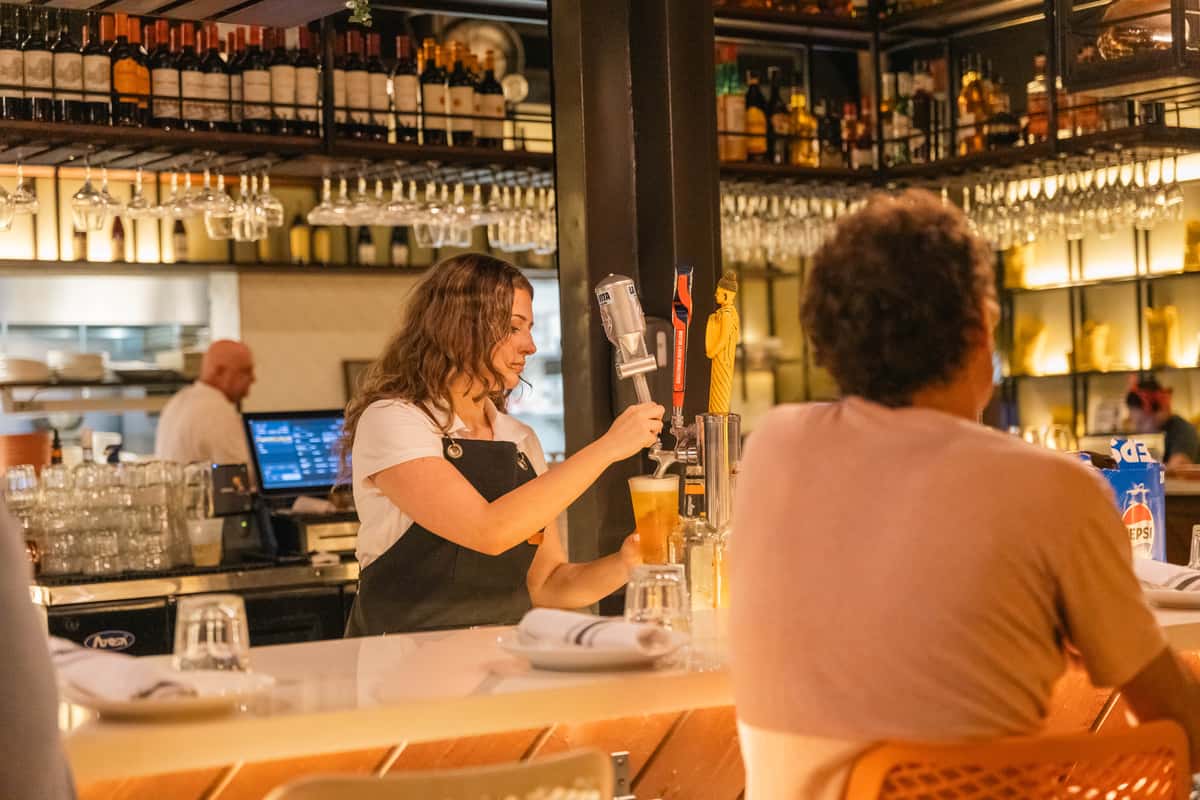
Licensed bars streamline beverage service by providing a fully permitted, stocked, and staffed bar operation within the venue. The restaurant holds the liquor license, maintains inventory, and employs trained bartenders, so hosts avoid the cost and complexity of obtaining temporary permits or hiring outside bar services.
This built-in infrastructure means cocktail menus, wine lists, and beer selections are already curated. Hosts simply choose from existing options or collaborate with the bar team on a custom drink menu. Liability coverage, responsible service training, and compliance with local alcohol regulations are handled by the restaurant. For parties where beverage service is central to the guest experience, this benefit alone removes a major planning burden.
How Does Established Seating and Layout Save Setup Time?
Established seating and layout saves setup time by providing tables, chairs, and floor plans that are already configured for dining and socializing. Hosts skip the rental, delivery, and arrangement of furniture that blank venues require.
Restaurant layouts are designed for efficient guest flow between dining areas, bars, and restrooms. This means:
- No furniture rental contracts or delivery scheduling.
- No day-of setup crews arranging tables and chairs.
- No teardown responsibilities after the event ends.
The practical result is a venue that is event-ready on arrival. Hosts walk into a finished space and focus on personal touches rather than physical infrastructure.
How Does AV and Lighting Equipment Enhance Entertainment?
AV and lighting equipment enhances entertainment by providing sound systems, microphones, ambient lighting controls, and sometimes projection capabilities without additional rentals. Restaurants that host private events often maintain this equipment specifically for speeches, playlists, slideshows, and live performances.
A study published in the International Journal of Engineering and Management Research found that lighting, sound system equipment, and venue design all showed positive relationships with customer satisfaction in event settings. Having these systems pre-installed ensures consistent audio quality for toasts, background music that matches the mood, and lighting that transitions from dinner to dancing without external technicians.
Understanding these core benefits helps clarify what types of celebrations are best suited to a restaurant setting.
What Types of Parties Work Best at a Restaurant Venue?
Restaurant venues accommodate a wide range of private events, from intimate celebrations to large group gatherings. The types that work best include birthday parties, rehearsal dinners, corporate events, showers, holiday parties, and graduation celebrations.
Birthday Parties
Birthday parties are one of the most popular events hosted at restaurant venues. A restaurant eliminates the need to cook, clean, or set up, letting the host focus entirely on the guest of honor. Customizable menus allow organizers to match food and drinks to a theme or preference, whether it is a milestone 50th or a casual 21st celebration. Private or semi-private dining areas give the group its own dedicated space without the logistics of renting chairs, tables, or sound equipment. For hosts who want a stress-free experience, a restaurant birthday party delivers polished service with minimal planning effort.
Rehearsal Dinners and Engagement Parties
Rehearsal dinners and engagement parties pair naturally with restaurant venues because both events center on an elevated dining experience for a defined guest list. Private dining rooms create the intimate atmosphere these pre-wedding celebrations require, typically hosting 20 to 60 guests. Prix fixe menus simplify decision-making for the host while ensuring consistent quality across courses. A restaurant's existing decor, lighting, and table settings also reduce the need for additional rentals. Couples hosting in a destination like Coconut Grove benefit from scenic settings that double as a backdrop for photos, making the evening feel special without heavy event production.
Corporate Events and Team Celebrations
Corporate events and team celebrations thrive in restaurant settings because the professional ambiance requires no additional staging. Restaurants offer structured seating for sit-down dinners, flexible layouts for cocktail-style networking, and AV capabilities for brief presentations or toasts. Private rooms allow confidential conversations during client dinners or executive gatherings. Team celebrations, including promotions, quarterly wins, or holiday appreciation events, benefit from curated food and beverage packages that keep budgets predictable. The built-in service staff handles everything from greeting guests to clearing courses, which frees internal teams from operational logistics entirely.
Baby Showers and Bridal Showers
Baby showers and bridal showers suit restaurant venues because these events prioritize a relaxed, visually appealing atmosphere for smaller guest counts. Most showers range from 15 to 40 guests, fitting comfortably in a semi-private section or patio area. Restaurants with brunch or lunch service offer daytime packages that align with the traditionally earlier timing of showers. According to the Michigan Department of Licensing and Regulatory Affairs, private events such as baby showers and bridal showers may serve alcohol without a separate liquor license when the event is invitation-only and guests are not charged. A restaurant with an existing liquor license simplifies beverage service even further.
Holiday Parties and Milestone Anniversaries
Holiday parties and milestone anniversaries work especially well at restaurant venues because they carry high guest expectations for food, atmosphere, and service. End-of-year gatherings, Thanksgiving dinners, and New Year's Eve celebrations benefit from a restaurant's full kitchen, professional bartenders, and festive existing decor. Milestone anniversaries, whether a 25th or 50th, call for an elegant setting that honors the occasion without burdening the family with event production. Restaurants that offer buyout options or dedicated event spaces give hosts control over music, timing, and guest flow while the venue handles execution.
Graduation Parties and Family Reunions
Graduation parties and family reunions are ideal for restaurant venues because both events involve multigenerational guest lists with diverse dietary needs. A restaurant kitchen accommodates everything from children's portions to allergy-specific dishes on a single menu. Family reunions often draw guests from out of town, so a centrally located venue with ample parking and easy directions reduces friction. Graduation celebrations benefit from the celebratory atmosphere a restaurant naturally provides, complete with dessert options and beverage packages. For hosts coordinating large, mixed-age groups, the built-in structure of restaurant service keeps the event organized without a dedicated planner.
With a clear sense of which events suit restaurant settings, the next step is understanding costs.
How Much Does It Cost to Rent a Restaurant for a Party?
The cost to rent a restaurant for a party depends on guest count, menu selections, and whether you need a private or semi-private space. Below, costs break down by small, medium, and large party sizes.
How Much Does a Restaurant Rental Cost for a Small Party?
A restaurant rental for a small party of 10 to 25 guests typically costs between $500 and $2,500. Many restaurants waive a separate rental fee entirely when the group meets a food and beverage minimum spend, which commonly ranges from $500 to $1,500 for intimate gatherings. Semi-private dining areas, such as a sectioned-off patio or a corner banquette, often carry lower minimums than fully enclosed private rooms. Costs stay manageable at this size because staffing needs are modest and the kitchen handles smaller headcounts within normal operations. For hosts working with a tighter budget, choosing a prix fixe menu over à la carte ordering helps lock in a predictable per-person cost.
How Much Does a Restaurant Rental Cost for a Medium Group?
A restaurant rental for a medium group of 30 to 60 guests generally ranges from $2,000 to $7,500. At this size, most restaurants require a dedicated private or semi-private dining room, and minimum spend thresholds increase accordingly. Per-person costs for food and beverage packages typically fall between $75 and $150, depending on menu complexity and bar service level. Additional charges may apply for items such as:
- Custom floral arrangements or centerpieces
- Specialty cocktail packages beyond standard open-bar options
- Audio-visual equipment for presentations or slideshows
- Extended venue hours beyond the standard event window
Negotiating a bundled package that includes food, drinks, and room access often yields a better overall value than pricing each element separately.
How Much Does a Restaurant Rental Cost for a Large Event?
A restaurant rental for a large event of 75 or more guests typically costs $7,500 to $25,000 or higher. Full buyouts, where the entire restaurant is reserved exclusively for your party, sit at the upper end of this range and frequently require minimum spends of $10,000 to $20,000. Staffing costs rise significantly at scale; according to the Serve & Savour Event Staffing Guide, the ideal ratio is approximately 1 banquet staff member for every 15 guests and 1 chef per 50 guests. For a 100-person event, that translates to roughly 7 servers and 2 chefs dedicated to your party alone. Booking at least three months in advance is essential for events of this size, since coordinating menus, staffing, and logistics demands extended lead time.
Knowing these price ranges helps you set a realistic budget before reaching out to an events coordinator.
What Should You Look for When Choosing a Restaurant for a Party?
You should look for a restaurant that matches your guest count, budget, and event style. Key factors include location, indoor versus outdoor space, menu flexibility, and minimum spend requirements.
How Important Is the Location and Accessibility for Guests?
The location and accessibility for guests is critically important because it directly affects attendance and overall convenience. A centrally located restaurant with ample parking, rideshare drop-off points, and proximity to public transit removes friction for every invitee.
Accessibility extends beyond transportation. Venues must accommodate guests with mobility needs, including wheelchair-accessible entrances, restrooms, and seating areas. For parties in walkable neighborhoods like Coconut Grove, guests can arrive on foot and enjoy the surrounding area before or after the event. Always confirm that the venue's layout works for your specific group, especially if elderly guests or young children will attend.
Why Does Indoor Versus Outdoor Space Matter for Your Event?
Indoor versus outdoor space matters because each setting shapes the mood, comfort level, and social dynamics of your party. Indoor dining rooms offer climate control and predictable acoustics, while outdoor venues create a relaxed, open atmosphere that encourages natural interaction.
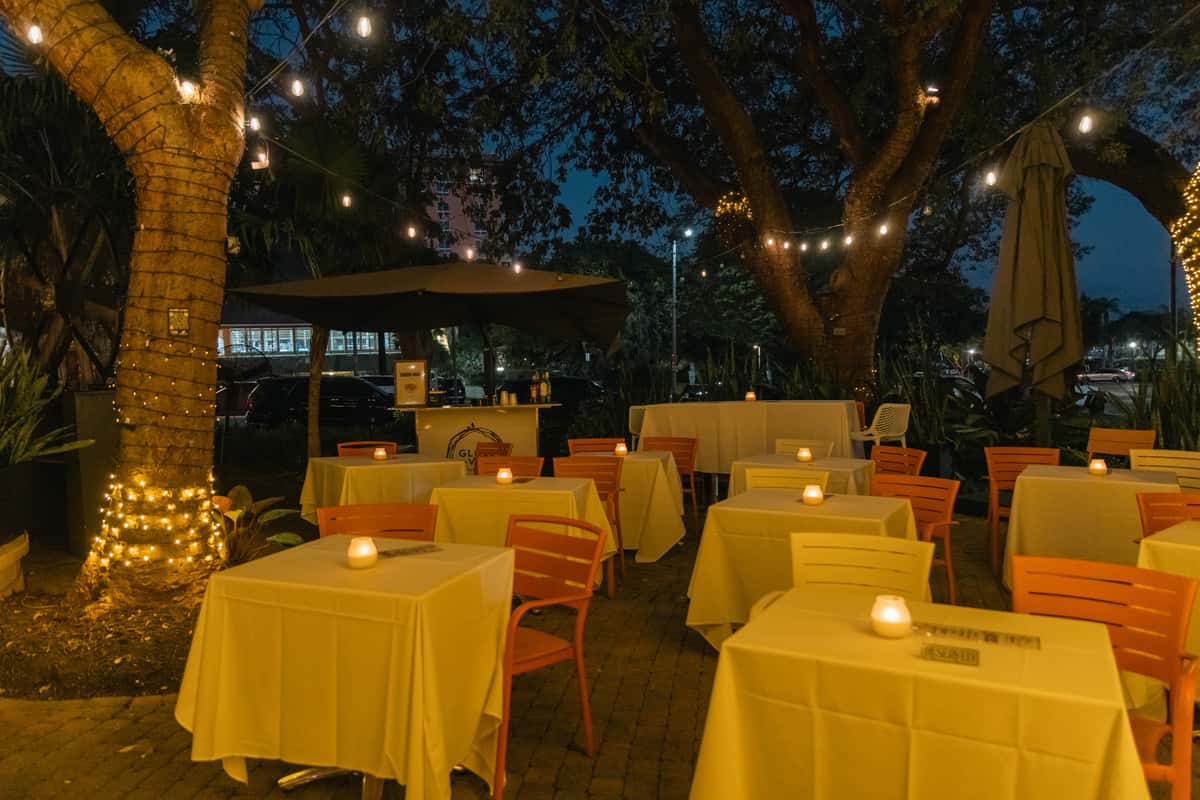
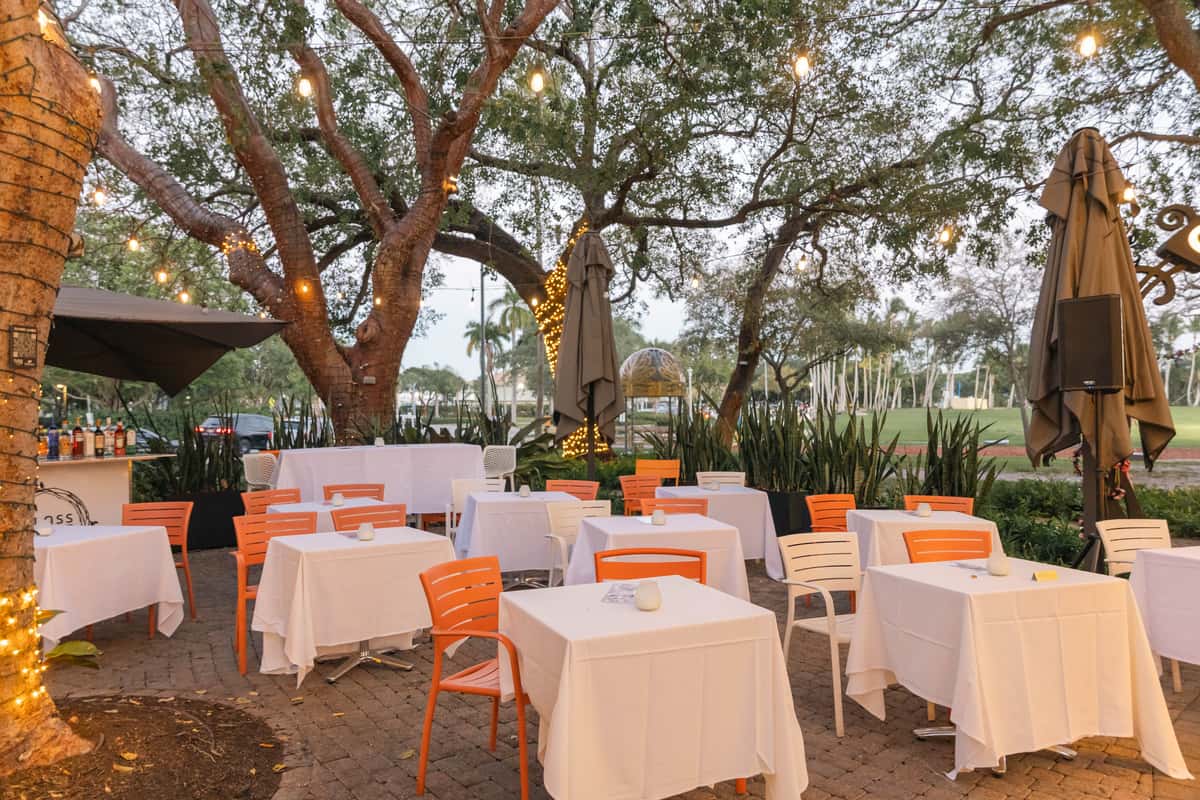
According to Rancho La India, over 60 percent of couples now prefer outdoor weddings, reflecting broader demand for open-air event spaces. This preference makes sense; gatherings held in natural environments tend to break down formal social barriers, encouraging more authentic conversations and spontaneous connections among guests. Glass & Vine's lush, open-air setting in Coconut Grove exemplifies this trend, offering a natural garden atmosphere beneath Peacock Park's oak canopy where guests can connect in a relaxed, pretense-free environment. The venue's all-day menu and family-friendly layout accommodate everything from intimate rehearsal dinners to larger milestone celebrations. For anyone planning a celebration in South Florida, an outdoor restaurant with mature tree cover and garden surroundings offers both visual appeal and comfort. When weather is a concern, choosing a venue with a covered patio or a flexible indoor backup ensures your event runs smoothly regardless of conditions.
What Menu Flexibility Should You Expect?
You should expect a restaurant to offer customizable menu options that accommodate your group's dietary needs and budget. Most private dining venues provide pre-set menus, family-style packages, or fully customized prix fixe selections.
Key menu flexibility features to look for include:
- Multiple course options at different price tiers.
- Accommodations for dietary restrictions, such as vegetarian, vegan, gluten-free, and allergy-sensitive dishes.
- Choice between plated service, buffet-style, or passed appetizers.
- Options for signature cocktails or curated wine pairings alongside the meal.
Restaurants like Glass & Vine in Coconut Grove demonstrate this flexibility through specialized menus designed for diverse guests, including dedicated options for children and even a dog-friendly menu for patio celebrations. Their beverage program features curated cocktails, beer, and wine selections that complement the locally-sourced menu. A restaurant that collaborates with you on the menu, rather than offering a single fixed package, signals a genuine commitment to making your event memorable.
How Do Minimum Spend Requirements Work?
Minimum spend requirements work by setting a dollar threshold that your party must meet in combined food and beverage purchases to reserve a private or semi-private space. The restaurant applies your group's total consumption toward this amount instead of charging a flat rental fee.
This model benefits both sides. Hosts avoid paying a separate room fee on top of dining costs, and the restaurant guarantees revenue for dedicating space exclusively to your group. Minimums typically vary based on the day of the week, time of day, guest count, and whether you reserve a full buyout or a sectioned area. Always ask whether tax, gratuity, and service charges count toward the minimum, as these details vary significantly between venues.
Understanding minimum spend policies early in the planning process prevents budget surprises and helps you select the right restaurant for your party size.
How Do You Plan a Successful Restaurant Party Step by Step?
You plan a successful restaurant party step by step by booking early, asking the right questions, and building a guest-friendly menu. The following sub-sections cover booking timelines, coordinator conversations, and menu creation.
How Far in Advance Should You Book a Restaurant for a Party?
You should book a restaurant for a party four to twelve months before your event date, depending on the size and complexity of the gathering. Large celebrations, holiday parties, and peak-season dates require the longest lead times because popular private dining rooms fill quickly.
A general timeline helps keep preparations on track:
- 10 to 12 months out: Reserve the venue, set a budget, and confirm the date.
- 3 months out: Finalize the guest list, discuss layout options, and confirm technical needs with the restaurant.
- 2 months out: Review the budget, confirm equipment or AV requirements, and collect dietary restrictions from guests.
- 1 month out: Finalize menus, confirm the final headcount, and send event details to attendees.
Starting early gives you leverage to negotiate pricing, secure your preferred space, and avoid last-minute compromises that can diminish the experience.
What Questions Should You Ask the Events Coordinator?
The questions you should ask the events coordinator cover capacity, staffing, costs, and logistics. Preparing a focused list before your first meeting prevents overlooked details that surface too late to fix.
Key questions to bring include:
- What is the maximum guest capacity for the private dining area?
- Is there a minimum spend requirement, and what does it include?
- What is the staff-to-guest ratio for my service style?
- Can the kitchen accommodate dietary restrictions such as vegan, gluten-free, or allergy-specific meals?
- What AV equipment, lighting, or sound systems are available on-site?
- What is the cancellation or date-change policy?
According to Event Staff, the ideal ratio for plated dinners is 1 server per 12 guests and 1 bartender per 50 guests for a simple bar. Confirming these staffing numbers early ensures smooth service throughout your event.
How Do You Create a Party Menu That Suits Every Guest?
You create a party menu that suits every guest by balancing variety, dietary inclusivity, and the restaurant's culinary strengths. Start by collecting dietary needs from your guest list, then work with the chef to design options that cover common restrictions without sacrificing flavor.
Practical steps for inclusive menu planning include:
- Offer at least one protein, one seafood, and one plant-based entree option.
- Include clearly labeled allergen-friendly dishes for guests with nut, dairy, or gluten sensitivities.
- Choose a service style that matches your guest count; buffets work well for casual gatherings, while plated service suits formal celebrations.
- Select shared appetizers and family-style sides to encourage conversation and variety.
According to a Cvent analysis of banquet service ratios, meal service levels range from 1 server per 8 guests to 1 server per 50 guests depending on service type. Matching your menu format to the appropriate staffing level keeps courses flowing and guests satisfied.
With your menu and logistics confirmed, avoiding common pitfalls protects the investment you have made in planning.
What Are Common Mistakes to Avoid When Renting a Restaurant?
Common mistakes to avoid when renting a restaurant include ignoring hidden fees, skipping the venue walkthrough, underestimating guest count, and failing to confirm cancellation terms. The following errors can turn a smooth celebration into a stressful experience.
- Overlooking minimum spend requirements. Many restaurants require a food and beverage minimum rather than a flat rental fee. Confusing the two leads to unexpected charges that blow past your budget.
- Skipping an in-person site visit. Photos rarely capture noise levels, restroom proximity, or actual table spacing. Walking the space reveals layout limitations that affect guest comfort and event flow.
- Underestimating or inflating the guest count. An inaccurate headcount causes either wasted food costs or cramped seating. Confirm your RSVP numbers at least two weeks before the event.
- Ignoring the cancellation and deposit policy. Nonrefundable deposits and narrow cancellation windows are standard. Reading the full contract before signing protects you from forfeiting significant payments.
- Failing to discuss dietary accommodations early. Waiting until the last minute to request vegetarian, allergen-free, or kosher options limits what the kitchen can prepare. According to UK Research and Innovation's event planning timeline, organizers should finalize menus and catering arrangements at least one month before the event.
- Assuming décor and AV are included. Lighting, sound equipment, and decoration permissions vary by venue. Confirm what the restaurant provides versus what you must supply or rent separately.
- Not asking about noise restrictions or time limits. Municipal noise ordinances or lease agreements may impose cutoff times that shorten your celebration unexpectedly.
For planners who want to sidestep these pitfalls entirely, choosing a venue with transparent event coordination makes all the difference.
How Can an Open-Air Restaurant in Coconut Grove Elevate Your Party?
An open-air restaurant in Coconut Grove can elevate your party by combining natural scenery, professional service, and a fully equipped venue in one location. Below, explore how Glass & Vine hosts private events and the essential takeaways for renting a restaurant.
Does Glass & Vine Host Private Events in Its Garden Setting?
Glass & Vine hosts private events in its garden setting beneath the oak canopy of Peacock Park in Coconut Grove. The lush, open-air layout provides a natural backdrop that eliminates the need for extensive decoration, while the on-site kitchen and bar deliver seamless food and beverage service.
Because Glass & Vine holds a liquor license, alcoholic beverages can be served on-premises under trained staff supervision, removing the logistical burden that off-site events typically face. Guests enjoy a relaxed atmosphere where the informal, expansive outdoor space encourages authentic conversation. For hosts planning birthdays, rehearsal dinners, corporate gatherings, or milestone celebrations, this garden setting simplifies coordination by consolidating catering, ambiance, and service into a single venue.
What Are the Key Takeaways About Renting a Restaurant for Parties?
The key takeaways about renting a restaurant for parties center on convenience, cost efficiency, and guest experience:
- A built-in kitchen, professional staff, and licensed bar eliminate the need to hire separate vendors for catering, service, and beverages.
- Existing ambiance, lighting, and seating reduce decoration and setup costs significantly.
- Outdoor restaurant venues foster stronger social connections, with natural settings shown to reduce stress and encourage spontaneous interaction among guests.
- Booking four to twelve months in advance secures your preferred date and gives time to finalize menus, confirm guest counts, and coordinate special requests.
- Choosing a restaurant with location appeal, such as Glass & Vine in Coconut Grove's Peacock Park, adds a memorable sense of place that standalone event spaces rarely match.
For hosts ready to simplify planning while creating an unforgettable experience, Glass & Vine offers a consultation to tailor every detail to your celebration.