
A Restaurant for People Who Love Nature but Live in the City
A Restaurant for People Who Love Nature but Live in the City
When you're seeking an escape from concrete and screens, craving the restorative presence of nature while dining, you've found exactly what you're looking for. We understand that urban living often creates a disconnect from the natural world, and finding restaurants that bridge this gap can transform not just a meal, but your entire state of mind. A restaurant for people who love nature but live in the city is an establishment that integrates biophilic design principles, outdoor dining spaces, locally-sourced seasonal ingredients, and sustainable practices to create an immersive natural dining experience within an urban environment.
TL;DR Summary:
Our exploration reveals the essential elements that make urban restaurants perfect for nature lovers:
- Biophilic design incorporating living walls, natural materials, and organic architecture creates measurable wellness benefits including 21.3% cortisol reduction
- Outdoor dining spaces capture 40%+ of revenue for many restaurants while providing stress relief and enhanced sensory experiences
- Local sourcing from farmers markets and regional growers ensures peak freshness while supporting sustainable agriculture
- Nature-focused programming including farm dinners, growing demonstrations, and seasonal events deepens the connection between diners and their food
- Coconut Grove's unique advantages include year-round outdoor dining, mature tree canopies, and abundant park-side green space
- Glass & Vine exemplifies these principles as an entirely outdoor restaurant nestled in Peacock Park, offering locally-sourced cuisine in a lush garden setting
Quick Tip: When evaluating nature-focused restaurants, look for published local sourcing information and genuine outdoor seating with thoughtful landscaping—not just a few sidewalk tables. The presence of living plants, natural materials, and seasonal menu changes indicates authentic commitment to bringing nature into your dining experience.
How Can a Restaurant Create a Nature-Inspired Atmosphere in an Urban Setting?
A restaurant creates a nature-inspired atmosphere in an urban setting through biophilic design, outdoor seating, and strategic landscaping. Glass & Vine in Coconut Grove exemplifies this approach with its entirely outdoor garden dining concept within Peacock Park. These nature-focused elements transform city dining into an immersive natural experience.
What Are Key Elements of Nature-Focused Restaurant Design?
Nature-focused restaurant design centers on biophilic principles that connect diners to natural environments. Biophilic design uses plants, natural light, organic materials, water features, and place-based relationships to create this connection. Living walls, moss installations, and natural materials such as wood, stone, marble, blackened steel, exposed concrete, and glass form the foundation of restaurant biophilia.
Research demonstrates measurable benefits from biophilic interventions. Project-based findings show an 18% increase in productivity, 22% improvement in meeting effectiveness, and a 28% boost in overall wellbeing. Restaurants implementing these designs must consider lifecycle material impacts and inclusive needs, as approximately 15% of the population is neurodivergent according to biophilic design experts.
|
Element |
Implementation |
Benefit |
|
Natural Materials |
Wood, stone, marble, glass |
Tactile connection, durability |
|
Organic Architecture |
Curved forms, flowing spaces |
Psychological comfort |
|
Natural Lighting |
Skylights, large windows |
Circadian rhythm support |
These design choices prepare diners for deeper nature connections through outdoor experiences.
How Does Outdoor Seating Connect Diners with Nature in the City?
Outdoor seating connects diners with nature in the city by providing direct exposure to fresh air, natural light, greenery, and outdoor sensory experiences. According to Toast POS 2025 data, 54% of respondents are more likely to choose restaurants with outdoor seating when weather permits. The preference is strong—70% of respondents will wait longer for outdoor seating, and 41% specifically choose restaurants for this feature.
Diner preferences reveal specific outdoor dining patterns. Toast POS 2025 research shows 62% prefer covered, screened-in patios, 35% increase summer reservations, and 40% favor late afternoon outdoor dining versus only 21% for dinner service. Protected outdoor seating expands restaurant capacity by 25–50% when shielded from wind, rain, or extreme temperatures.
The financial impact is substantial. National Restaurant Association data reveals 35% of outdoor dining operators report it generates more than 40% of average daily sales. Beyond economics, nature exposure during meals delivers measurable health benefits. A 2019 University of Michigan study published in Frontiers in Psychology found a 21.3% cortisol reduction per hour of nature exposure, with 20-minute nature breaks effectively relieving stress hormones.
Natural outdoor settings enhance sensory dining experiences through improved color, aroma, and taste perception compared to indoor environments. This sensory enhancement complements the landscaping elements that further enrich outdoor dining.
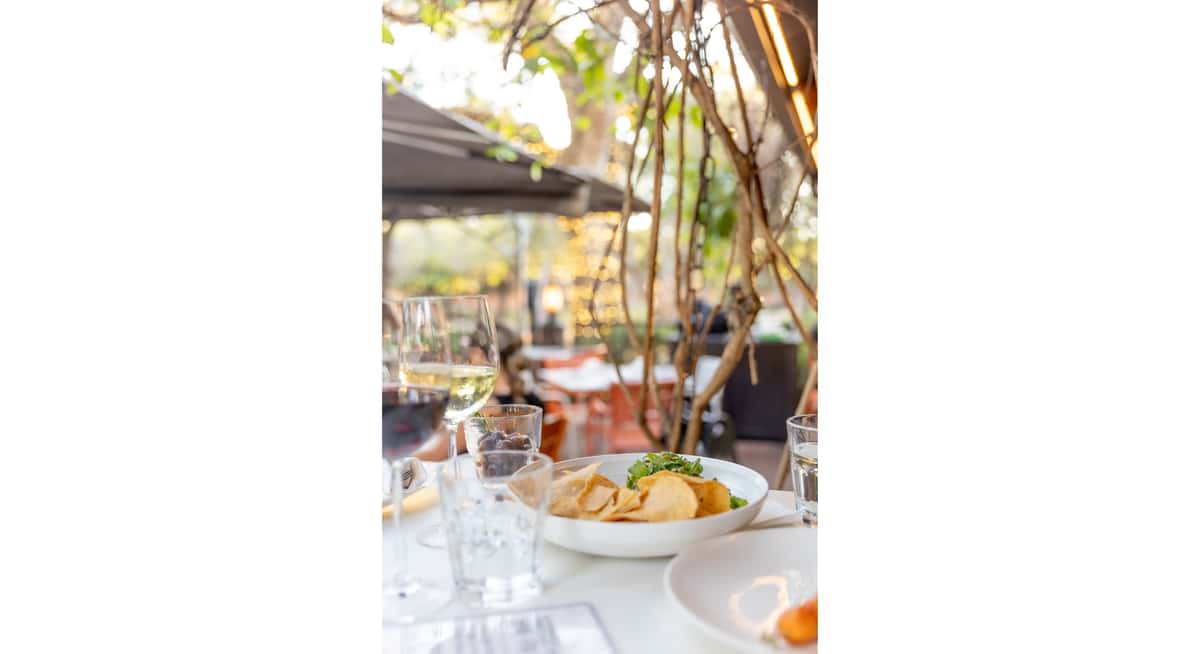
What Role Does Landscaping or Greenery Play in Enhancing the Dining Experience?
Landscaping and greenery enhance the dining experience by transforming urban restaurant spaces into calming natural environments that reduce stress, improve comfort, and mask city noise. Moss walls and preserved moss installations improve air quality, reduce stress, absorb sound, and require minimal maintenance when humidity stays between 40–60% with proper ambient lighting. Vertical gardens maximize greenery in limited urban footprints while supplying fresh herbs for kitchens and naturally filtering air pollutants.
Mature tree canopies provide essential shade and cooling effects. Layered plantings create visual depth, seasonal interest, and microclimate comfort for outdoor diners. Water features including fountains, ponds, and water walls serve as focal points that enhance relaxation while masking urban noise pollution.
Glass & Vine leverages Peacock Park's mature oak canopies and tropical landscaping to create an immersive garden dining experience. The restaurant's location within the park provides natural cooling from open-air airflow and established vegetation that many urban restaurants struggle to replicate. These natural elements work together to transport city diners into a nature-focused environment that feels removed from urban surroundings.
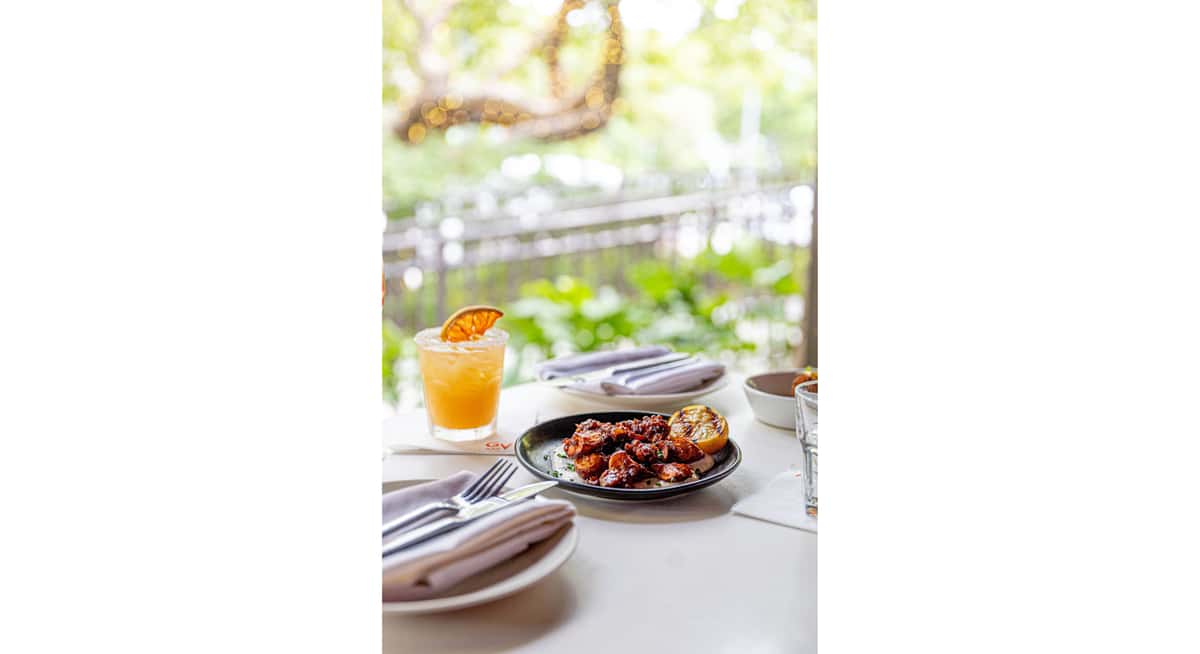
How Does Access to Fresh, Local Ingredients Enhance the Nature-Lover's Dining Experience?
Access to fresh, local ingredients enhances the nature-lover's dining experience by connecting diners to their regional ecosystem through taste, supporting environmental sustainability, and delivering superior flavor and nutrition. Restaurants like Glass & Vine source from nearby farms and markets, creating menus that reflect South Florida's unique agricultural landscape while reducing transportation emissions. Local sourcing strengthens the connection between urban diners and the natural cycles of their region.
How Does Seasonal Menu Planning Appeal to Nature Enthusiasts?
Seasonal menu planning appeals to nature enthusiasts by offering fresher, more flavorful dishes while reducing costs, minimizing waste, and providing regular variety that encourages repeat visits. Glass & Vine adjusts its offerings based on South Florida's growing seasons, featuring stone crab in fall, strawberries in winter, and tropical fruits during summer months. Best practices for seasonal development include researching regional availability calendars, building direct relationships with farmers' markets and local producers, training staff on rotating dishes, and marketing limited-time offerings to create urgency.
Nature-focused diners appreciate menus that reflect environmental rhythms and support agricultural biodiversity. Seasonal planning reduces reliance on long-distance shipping and greenhouse production, lowering carbon footprints. Restaurants communicate seasonality through menu descriptions highlighting harvest dates and farm origins, strengthening the diner's connection to natural cycles.
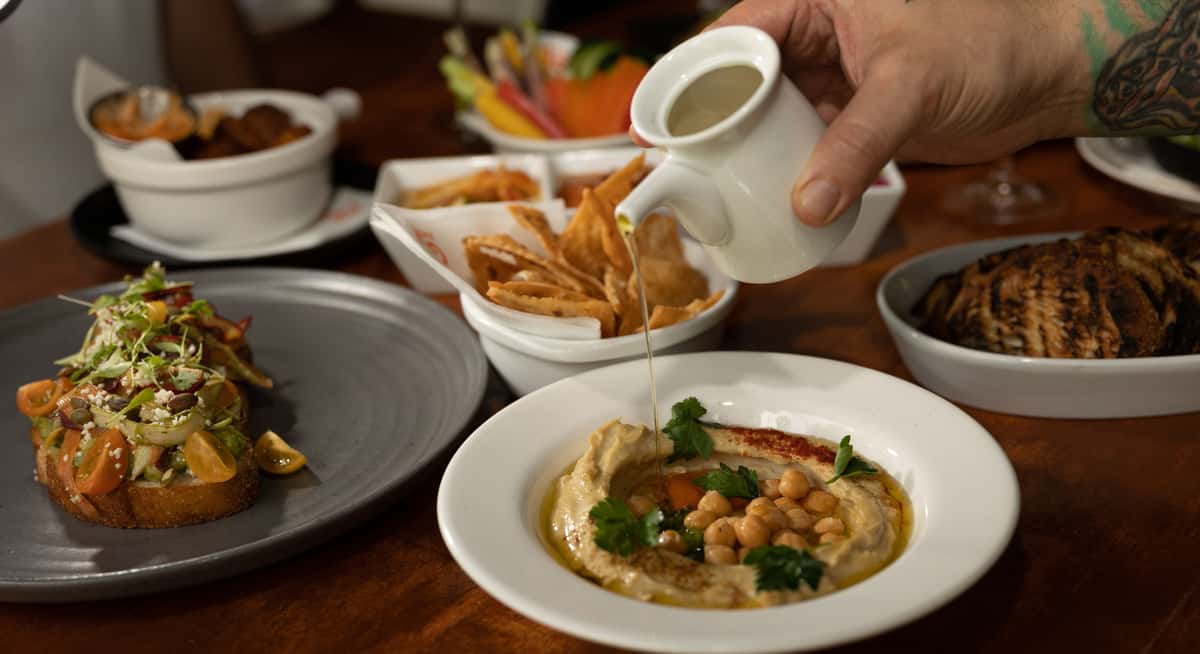
What Are the Benefits of Supporting Sustainable and Organic Food Practices?
The benefits of supporting sustainable and organic food practices include reduced transportation emissions, improved ingredient freshness, stronger local food systems, and better long-term environmental outcomes. Local sourcing from regenerative agriculture operations generates 15-25% ROI for transitioning farmers and can increase yields by 29% compared to conventional methods. Supporting regional suppliers strengthens food systems, reduces waste through fresher produce with longer shelf life, and keeps economic benefits within Coconut Grove and Miami-Dade communities.
|
Impact Area |
Performance Metric |
Value |
|
Supply chains |
Transportation distance |
Reduced 50-200 miles |
|
Regenerative farms |
ROI for farmers |
15-25% increase |
|
Regenerative fields |
Yield comparison |
29% higher |
|
Local sourcing |
Food waste reduction |
20-30% decrease |
|
Community impact |
Economic retention |
65% stays local |
Sustainable practices extend beyond sourcing to include composting programs, water conservation, and energy-efficient equipment. These operational choices resonate with environmentally conscious diners seeking restaurants that align with their values while delivering exceptional culinary experiences rooted in regional terroir.
What Types of Experiences Do Urban Nature-Themed Restaurants Offer Beyond Dining?
Urban nature-themed restaurants offer experiences beyond dining that include community events, educational programming, wellness activities, and immersive outdoor experiences. These venues create immersive experiences that strengthen the connection between city dwellers and the natural world through carefully curated programming and educational initiatives.
How Do Events and Activities Foster a Closer Connection to Nature?
Events and activities foster a closer connection to nature by integrating dining with outdoor movement, learning, and shared community experiences in natural settings. Glass & Vine in Coconut Grove exemplifies this approach by hosting events within Peacock Park's garden setting. Free yoga classes, arts festivals, and seasonal celebrations increase foot traffic while creating memorable experiences that transcend typical restaurant visits.
Restaurants create nature-focused programming to deepen guest connections to ingredients and place. Farm-to-table dinners showcase seasonal harvests through multi-course experiences. Chef talks reveal sourcing stories behind each dish. Market pop-ups bring local producers directly to diners. On-site growing demonstrations transform passive consumption into active learning.
On-site growing systems allow restaurants to host tours and demonstrations that increase transparency and guest engagement. Rooftop gardens produce herbs and microgreens visible from dining areas. Hydroponic farms yield lettuce and tomatoes year-round. Aquaponic systems combine fish farming with vegetable production. These living laboratories invite guests to witness food production firsthand, building trust through radical transparency.
In What Ways Can Restaurants Educate Guests About Nature and Sustainability?
Restaurants use interpretive signage, menu provenance notes, and chef-led talks to educate guests about sourcing and sustainability. MWhy Do Nature Lovers in the City Choose Coconut Grove, FL for Outdoor Dining?
Nature lovers in the city choose Coconut Grove for outdoor dining because this historic Miami neighborhood combines subtropical climate, mature urban parks, and waterfront access that create a unique natural dining environment. Glass & Vine exemplifies this appeal, operating as an entirely outdoor restaurant within Peacock Park at 2820 McFarlane Rd, offering garden dining surrounded by mature oaks and park-side scenery. The area's year-round outdoor dining climate and established green spaces dating to 1883 provide urban dwellers with consistent nature immersion opportunities.
What Unique Natural Features Does Coconut Grove Offer to Urban Diners?
Coconut Grove offers urban diners distinctive natural features centered around Peacock Park, a 9.4-acre public space with boardwalk access, mature oak canopies, and free-roaming Indian peacocks. The subtropical Miami climate enables year-round outdoor dining with temperatures averaging 60–85°F, supporting tropical flora and fauna unavailable in temperate cities. The neighborhood's parkland dates to 1883, creating established mature landscapes that provide authentic natural settings for restaurants like Glass & Vine, which operates entirely outdoors within this historic canopy.
The proximity to Barnacle Historic State Park adds preserved mangrove habitats and native coastal ecosystems within walking distance. These combined features create immersive nature experiences that distinguish Coconut Grove from typical urban dining districts while maintaining city convenience.
How Do City Parks and Green Space Access Enhance the Overall Experience?
City parks and waterfront access enhance dining through natural cooling from open-air airflow and scenic park surroundings, and integration with recreational activities. Waterfront positioning provides temperature moderation, with bay breezes reducing ambient temperatures by 3–5°F during summer months. Glass & Vine capitalizes on these natural advantages through its park location, offering diners immersive views of the surrounding park landscape while enjoying locally-sourced seasonal menus.
Park amenities including playgrounds, sports fields, and community events transform dining into extended recreational outings, increasing average dwell time by 25–40 minutes. Families combine meals at venues like Glass & Vine with park activities, creating multi-generational appeal through dog-friendly and kid-friendly policies. Local shoreline stabilization projects address sea-level concerns, ensuring long-term waterfront dining resilience through infrastructure improvements that protect both natural features and restaurant operations.
The integration of dining with park ecosystems allows guests to experience native birds, butterflies, and coastal vegetation while eating, creating sensory-rich environments that urban indoor restaurants cannot replicate.
What Should Diners Look for When Choosing a Nature-Loving Restaurant in the City?
Diners seeking nature-loving restaurants in the city should evaluate establishments based on transparency, sustainability practices, and authentic outdoor integration. Glass & Vine in Coconut Grove exemplifies these principles through its park garden setting and commitment to local sourcing. Essential criteria include published sourcing information, seasonal menu updates, genuine outdoor spaces with landscaping, waste reduction transparency, and educational opportunities about sustainable practices.
What Questions Can Help Identify a Truly Nature-Focused Restaurant?
The questions that help identify a truly nature-focused restaurant are those that probe sourcing transparency, seasonal adaptability, outdoor authenticity, operational sustainability, and educational engagement. A restaurant demonstrates nature focus by publishing its sourcing partners, such as local farms and fisheries, or actively participating in farmers' markets. Glass & Vine sources from the Coconut Grove Farmers Market and South Dade farms, setting the standard for transparency.
Menu seasonality reveals commitment through regular updates reflecting regional availability. There are many ways to verify this, such as checking menu change frequency, asking about seasonal specials, and observing ingredient origins. Genuine outdoor seating distinguishes nature-focused venues through comfort features like shade structures, climate control systems, and professionally designed landscaping.
Operational transparency appears in composting programs, renewable energy adoption, and on-site growing features. Educational opportunities manifest through farm partnerships, chef talks, and garden tours that connect diners to food origins. These questions guide diners toward restaurants that integrate nature authentically rather than superficially.
How Is Eco-Friendliness Reflected in Restaurant Operations and Guest Experience?
Eco-friendliness is reflected in restaurant operations and guest experience through measurable certifications, sustainable sourcing, waste reduction systems, and health-focused building standards. Green Restaurant Association certification employs GreenPoints™ across seven categories: Energy, Water, Waste, Chemicals, Food, Disposables, and Building. Certification levels progress from Certified at 40+ points through Platinum at 80+ points.
WELL Building Standard addresses occupant health through Air, Water, Nourishment, Light, Fitness, Comfort, and Mind concentrations. Food-service thresholds require at least 50% certified organic produce and 25% certified animal products. Glass & Vine demonstrates these principles through its outdoor-only model and local sourcing commitments.
|
Practice Category |
Specific Implementation |
Guest Impact |
|
Waste Reduction |
Composting systems |
Reduced landfill contribution |
|
Energy Efficiency |
LED lighting, efficient equipment |
Lower carbon footprint |
|
Water Conservation |
Low-flow fixtures |
Resource preservation |
|
Sustainable Packaging |
Biodegradable materials |
Minimal environmental impact |
|
Whole-Product Use |
Root-to-stem cooking |
Creative menu offerings |
Post-pandemic outdoor dining infrastructure favors permanent installations using durable or reclaimed materials. Climate-control systems include misting, heaters, and retractable awnings that extend seasonal usability. Professional landscape design integrates dining spaces with natural surroundings, creating immersive experiences that connect urban diners with nature while maintaining operational sustainability.
How Does Glass & Vine in Coconut Grove, FL Offer a Nature-Inspired Dining Experience in the City?
Glass & Vine delivers a nature-inspired dining experience through its unique location inside Peacock Park at 2820 McFarlane Rd, where diners enjoy meals surrounded by mature oak canopies and garden landscapes. The restaurant operates as Miami's premier entirely outdoor dining venue, eliminating indoor spaces to maximize natural immersion. Grove Bay Hospitality Group has cultivated this park-restaurant concept for over 10 years, celebrating its decade milestone with consistent dedication to outdoor dining excellence.
In What Ways Does Glass & Vine Specialize in Bringing Nature to City Diners?
Glass & Vine specializes in bringing nature to city diners through its complete outdoor dining model within Peacock Park's 9.4-acre natural setting. Weekend bottomless brunch runs Saturday and Sunday from 10am to 4pm at $35 per person for bubbles, mimosas, and bellinis.
The dining experience blends Florida classics with Latin and European influences through shareable plates designed for communal outdoor gatherings. Dog-friendly and kid-friendly policies make Glass & Vine accessible for families seeking nature experiences without leaving Coconut Grove. Weekend valet service operates Friday through Sunday, while regular hours span Monday–Thursday 11:30am–10pm, Friday 11:30am–11pm, and Saturday 10am–11pm.
Natural elements define every aspect of the experience:
- Mature oak tree canopies provide natural shade
- Garden landscapes surround dining areas
- Gentle open-air airflow flows through the open-air setting
- Roaming peacocks add wildlife encounters
- Seasonal menus change with local harvests
What Are the Key Takeaways About Restaurants for Nature Lovers Living in the City?
The key takeaways about restaurants for nature lovers living in the city center on authentic outdoor experiences combined with sustainable practices. Glass & Vine demonstrates that urban restaurants can fully embrace nature through permanent outdoor infrastructure, local sourcing partnerships, and park-integrated locations. According to Toast POS 2025 data, 70% of diners willingly wait longer for outdoor seating, validating Glass & Vine's outdoor-only model.
Essential elements for nature-loving urban diners include:
- Genuine outdoor settings with mature landscaping
- Locally-sourced ingredients from regional farms
- Seasonal menu planning reflecting natural cycles
- Family and pet-friendly outdoor policies
- Year-round outdoor dining capabilities
Glass & Vine exemplifies how restaurants create meaningful nature connections through its Peacock Park location, where dining becomes part of broader outdoor recreation. The subtropical Miami climate enables year-round outdoor service, while the park setting provides natural cooling from bay breezes and tree shade. Nature lovers seeking authentic outdoor dining in Coconut Grove will find Glass & Vine offers the complete integration of natural elements with culinary excellence, making it the ideal destination for those who crave nature experiences without leaving the city.