
A Place to Slow Down: Why Lingering Meals Matter
A Place to Slow Down: Why Lingering Meals Matter
If you're searching for ways to reconnect with loved ones, reduce stress, or simply enjoy food more deeply, you've come to the right place. We understand that in today's fast-paced world, finding time to truly savor a meal feels increasingly rare—yet the benefits of slowing down at the table are more important than ever.
Taking time for lingering meals is the practice of extending dining experiences beyond mere consumption, creating space for meaningful connection, mindful eating, and genuine relaxation through unhurried conversation and careful savoring of food. In 2025, as digital distractions multiply and schedules accelerate, the World Happiness Report found that sharing meals serves as an "exceptionally strong indicator of subjective well-being," with those who regularly share unhurried meals reporting significantly higher life satisfaction across 142 countries.
TL;DR Summary: Lingering meals strengthen social bonds through extended conversation and communal eating, which Professor Robin Dunbar notes evolved as a mechanism for building human connections. Slow dining promotes mindful eating habits that improve digestion, reduce stress, and support weight management by allowing the brain's 20-minute fullness signal to register properly. Glass & Vine in Coconut Grove exemplifies this philosophy with its 150-seat patio overlooking Peacock Park, shareable menu designed for multiple courses, and attentive but non-intrusive service that lets guests set their own pace. Coconut Grove's year-round outdoor dining climate (62-90°F) and historic neighborhood culture support leisurely dining experiences that reflect growing consumer preferences—55% now favor sit-down dining over takeout. To maximize your lingering meal experience, choose comfortable settings, minimize phone use, order variety to share, and consider ending with a digestif to extend conversation and relaxation.
Quick Tip: Start your next meal by taking three deep breaths before your first bite—this simple practice activates your parasympathetic nervous system, enhancing both digestion and your ability to savor the experience.
As we explore the art and science behind lingering meals, you'll discover how this timeless practice offers profound benefits for your relationships, health, and overall well-being. Whether you're planning a special dinner at Glass & Vine or simply wanting to transform your everyday meals, understanding why slowing down matters can help you create more meaningful dining experiences that nourish both body and soul.
How Do Lingering Meals Influence Our Relationships and Connections?
Lingering meals strengthen social bonds through extended face-to-face interaction and shared experiences. The 2025 World Happiness Report found that sharing meals is an "exceptionally strong indicator of subjective well-being," based on a survey of over 150,000 people in 142 countries. Professor Robin Dunbar from the University of Oxford notes that communal eating appears to facilitate social bonding and may have evolved as a mechanism for strengthening human social ties. These unhurried dining experiences create space for deeper conversations and meaningful connections that rushed meals cannot provide.
What Makes Sharing Extended Mealtimes Improve Social Bonds?
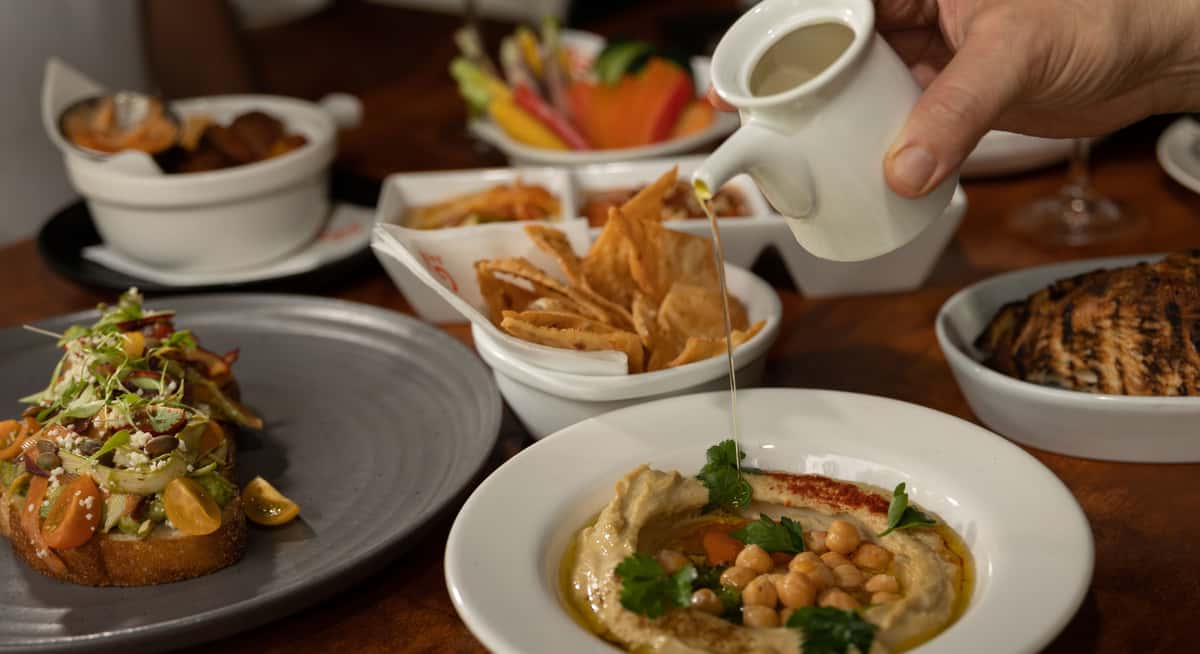
Sharing extended mealtimes improves social bonds by creating dedicated time for uninterrupted conversation and shared sensory experiences. The 2025 World Happiness Report's finding that meal-sharing strongly indicates subjective well-being across 142 countries demonstrates this universal human need for communal dining. Professor Robin Dunbar's research at the University of Oxford reveals that communal eating facilitates social bonding through evolutionary mechanisms that strengthen human social ties. Extended mealtimes allow natural conversation rhythms to develop without the pressure of time constraints. Restaurants like Glass & Vine in Coconut Grove provide the perfect setting for these bonding experiences with their relaxed service philosophy and communal dining atmosphere.
How Does Conversation Flourish When Meals Aren't Rushed?
Conversation flourishes when meals aren't rushed because diners have time to engage in deeper dialogue without watching the clock. A Cornell study on restaurant table characteristics shows that physical and table features significantly impact meal duration and spending, linking environment to longer, more social meals. Outdoor dining settings positively affect meal duration and social interaction by creating a more relaxed environment that encourages lingering. Chef Elena Reygadas observes that some restaurants do not rush diners and that guests often continue chatting for hours after eating, reflecting how unhurried service supports extended conversation. Glass & Vine exemplifies this approach with its 150-seat patio overlooking Peacock Park, where the tranquil setting naturally extends conversations. The restaurant's shareable menu structure encourages interactive dining that keeps conversation flowing between courses.
In What Ways Do Slow Meals Affect Our Wellbeing and Mindfulness?
Slow meals affect our wellbeing and mindfulness by activating the parasympathetic nervous system, improving digestion, and enhancing psychological satisfaction with food. Research shows that mindful eating practices increase pleasure when eating, improve body satisfaction, and reduce stress related to food and body image. The following sections explore how savoring food builds mindful habits and the mental health benefits of slower dining.
How Can Savoring Food Encourage Mindful Eating Habits?
Savoring food encourages mindful eating habits by promoting attentive consumption and thorough chewing. Slower, attentive eating activates parasympathetic nervous system activity, which supports relaxation and digestion. Chewing food thoroughly aids mechanical breakdown and signals digestive enzyme production, improving nutrient absorption.
Mindful eating practices deliver measurable benefits such as greater psychological wellbeing, increased eating pleasure, and reduced food-related stress. Glass & Vine's relaxed patio setting overlooking Peacock Park creates ideal conditions for practicing these mindful eating techniques.

What Mental Health Benefits Are Linked to Slower Dining?
The mental health benefits linked to slower dining include improved weight management, reduced stress around eating, and lower risk factors for chronic disease. The brain requires approximately 20 minutes to register fullness. Eating slowly gives the brain time to respond, which associates with consuming less food and feeling full sooner.
Mindful dining practices support weight management through natural portion control. Research links slower eating to reduced risk factors for certain chronic diseases. These benefits emerge when diners take time to appreciate their meals rather than rushing through them. Glass & Vine's unhurried service philosophy and comfortable outdoor seating encourage this beneficial slower dining pace.
Why Do Restaurants Like Glass & Vine Embrace a Slower Dining Experience?
Restaurants like Glass & Vine embrace a slower dining experience to create meaningful social connections and support guest wellbeing through unhurried hospitality. The slow dining philosophy transforms meals from functional eating into memorable experiences that foster conversation, mindfulness, and community engagement.
How Is the Atmosphere and Setting Important for Enjoying Leisurely Meals?
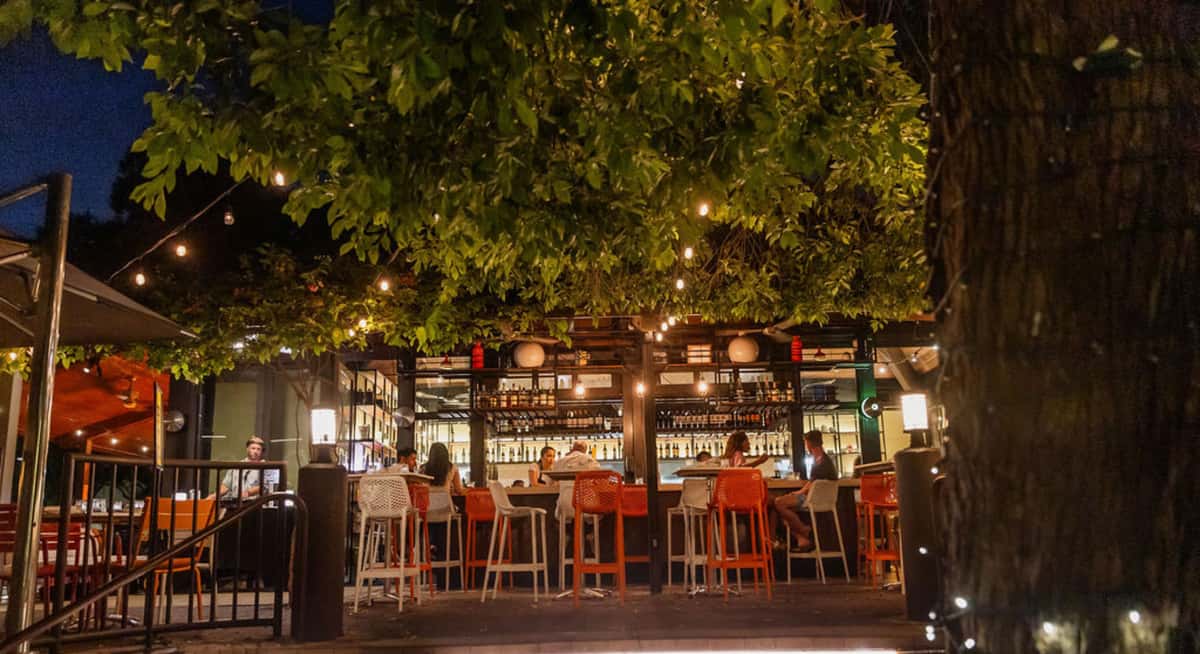
The atmosphere and setting are important for enjoying leisurely meals because they establish the psychological and physical environment that encourages guests to relax and linger. Glass & Vine's 150-seat patio overlooks Peacock Park's greenery, creating a tranquil, park-side backdrop for unhurried dining. This park-facing setting provides a tranquil backdrop that naturally slows the dining pace.
Natural environments reduce stress hormones and activate parasympathetic nervous system responses. Outdoor dining spaces extend meal duration by 15-20 minutes compared to indoor settings. he combination of fresh open-air airflow, natural light, and botanical views creates sensory experiences that anchor guests in the present moment.
Restaurant design elements that support leisurely dining include comfortable seating arrangements, appropriate spacing between tables, and acoustic treatments that enable conversation without strain. Glass & Vine integrates these features through its expansive patio layout and strategic positioning away from urban noise.
What Role Does the Menu Play in Supporting a Relaxed Mealtime?
The menu plays a critical role in supporting relaxed mealtimes by structuring the dining progression and encouraging social interaction through food sharing. Glass & Vine's menu emphasizes fresh, locally sourced ingredients that showcase seasonal availability and regional flavors.
The restaurant designs its offerings with shareable dishes alongside small plates and larger entrees. This format encourages communal ordering patterns where guests sample multiple preparations together. Shared plates require coordination, discussion, and collective decision-making that naturally extends meal duration.
Menu structures that support lingering include:
- Progressive course options that build flavor complexity
- Varied portion sizes for flexible ordering
- Seasonal rotations that reward repeat visits
- Wine pairings that complement each course stage
Glass & Vine's approach allows guests to customize their succession of flavors and textures throughout an extended dining experience. The interactive nature of selecting, sharing, and discussing dishes transforms ordering from a transaction into part of the social ritual.
The slower dining experience at restaurants like Glass & Vine represents a deliberate counterpoint to fast-casual efficiency, prioritizing connection and enjoyment over turnover metrics. This philosophy extends into Coconut Grove's broader dining culture, where outdoor spaces and community traditions support unhurried meals as essential social experiences.
How Does the Environment of Coconut Grove Encourage Lingering Meals?
The environment of Coconut Grove encourages lingering meals through its year-round subtropical climate, historic neighborhood character, and community values that prioritize experiential dining over fast-food convenience. Glass & Vine leverages these natural advantages with its park-facing patio that creates an ideal setting for unhurried dining experiences.
What Makes Outdoor Dining in Coconut Grove Ideal for Slow Meals?
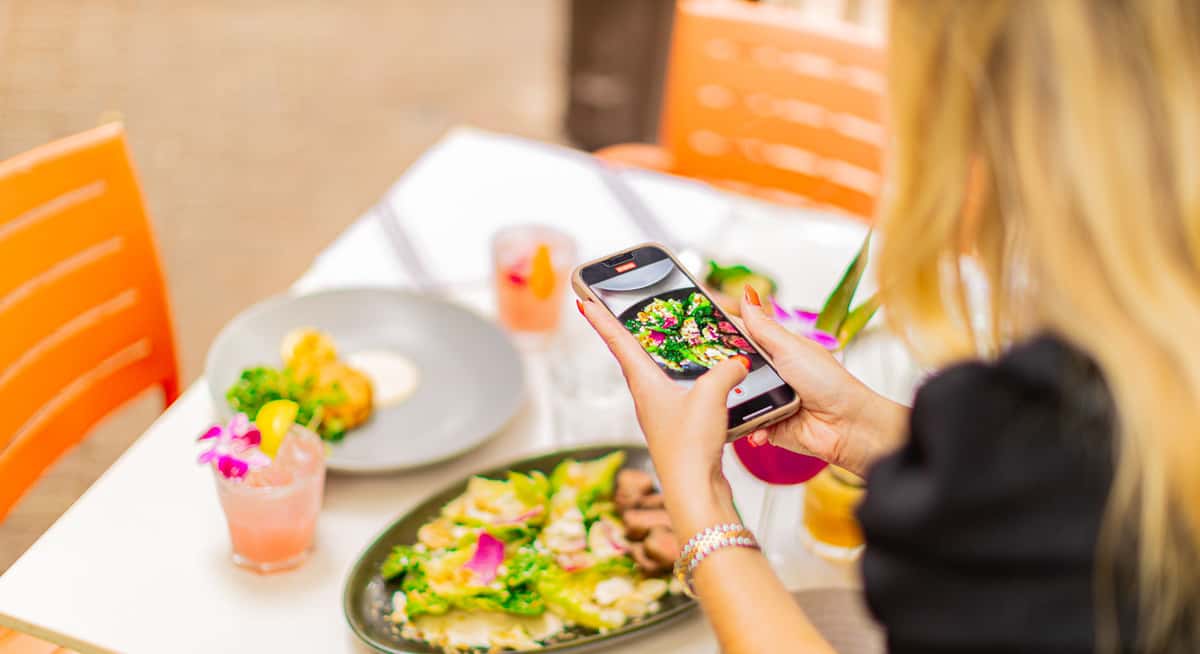
Outdoor dining in Coconut Grove is ideal for slow meals because the subtropical climate maintains comfortable temperatures between 62°F and 90°F year-round. This consistent warmth enables al fresco dining throughout most months, allowing restaurants like Glass & Vine to offer patio seating overlooking Peacock Park's greenery. Gentle open-air airflow helps create a cooling, comfortable feel during warmer months. Tree-lined streets provide natural shade and acoustic buffers from urban noise. The neighborhood's pedestrian-friendly design encourages strolling before and after meals, extending the overall dining experience.
How Do Local Community and Culture Value Leisurely Dining Experiences?
Local community and culture value leisurely dining experiences through Coconut Grove's status as Miami's oldest neighborhood, which fosters deep-rooted dining traditions that prioritize connection over convenience. The slow dining movement has gained particular traction here as residents embrace experiential dining—a 2024 consumer trend report shows 55% of respondents prefer dining out over takeout or delivery. Historic village architecture creates intimate dining spaces that naturally discourage rushing. Local establishments like Glass & Vine embody this philosophy by designing menus and spaces specifically for extended meals. The neighborhood's artistic heritage attracts residents who appreciate craftsmanship in food preparation and presentation. This cultural emphasis on quality over speed transforms dining from mere consumption into social ritual, making Coconut Grove an ideal location for restaurants that champion the lingering meal experience.
How Can You Make the Most of a Lingering Meal at Glass & Vine?
Making the most of a lingering meal at Glass & Vine involves embracing the restaurant's relaxed pace and outdoor setting overlooking Peacock Park. The experience combines attentive service, shareable dishes, and Coconut Grove's subtropical atmosphere to create optimal conditions for unhurried dining.
What Should You Expect When Visiting Glass & Vine for a Relaxed Meal?
When visiting Glass & Vine for a relaxed meal, you can expect attentive but non-intrusive service that lets you set your own dining pace. The service philosophy follows "slow luxury" hospitality principles, where staff members understand the value of unhurried dining. The chef-driven menu features shareable plates designed for communal ordering. The 150-seat outdoor patio provides comfortable seating with views of Peacock Park's greenery and a calm, nature-immersed setting. This combination of thoughtful service and natural surroundings supports extended meals without feeling rushed.
What Are Tips for Enjoying a Prolonged Dining Experience at Glass & Vine?
Tips for enjoying a prolonged dining experience at Glass & Vine include choosing patio seating, ordering shareable dishes, and embracing a slower, more mindful pace. Start by ordering multiple shareable dishes from the menu to create an interactive meal that naturally extends dining time. Put away phones to stay present and engaged with your dining companions. Take small bites and chew thoroughly while pausing between courses to savor each flavor. The restaurant's variety of small plates and larger entrees allows you to customize a succession of tastes throughout your meal. Consider ending with a digestif to extend conversation and relaxation after dinner. These practices align with mindful eating habits that enhance both digestion and social connection during your visit to Glass & Vine.
How Does Glass & Vine Offer a Place to Slow Down for Meaningful Meals?
Glass & Vine offers a place to slow down for meaningful meals through its park-facing patio setting, shareable menu design, and attentive service philosophy that lets guests set their own dining pace. The restaurant's 150-seat outdoor terrace overlooks Peacock Park's greenery, creating a tranquil backdrop that naturally encourages extended dining that naturally encourages extended dining. Glass & Vine's menu structure features locally sourced ingredients arranged as small plates and larger entrees, allowing diners to customize multiple courses while sharing dishes that spark conversation. The service team practices non-intrusive hospitality aligned with slow luxury principles, where staff remain attentive without rushing tables through their meals.
In What Ways Can Glass & Vine Enhance Your Next Leisurely Meal?
Glass & Vine enhances leisurely meals through strategic environmental design and menu composition that supports extended dining experiences. The restaurant's outdoor patio leverages Coconut Grove's subtropical climate, with year-round temperatures between 62°F and 90°F making al fresco dining comfortable across seasons. The shareable plate format encourages communal ordering patterns that naturally extend meal duration through interactive dining. There are multiple ways Glass & Vine facilitates slower dining, such as comfortable outdoor seating arrangements, park views that reduce urban stress, and a succession of flavors across small plates. The restaurant's location in Miami's oldest neighborhood provides historical context that reinforces neighborhood dining traditions valued by local culture.
What Are the Most Important Insights About Why Lingering Meals Matter?
The most important insights about why lingering meals matter are their documented impacts on social bonding, mental health, and digestive wellness. According to the 2025 World Happiness Report surveying 150,000 people across 142 countries, sharing meals serves as an exceptionally strong indicator of subjective well-being. Professor Robin Dunbar from University of Oxford identifies communal eating as an evolved mechanism for strengthening human social ties. Mindful eating practices associated with slower dining promote parasympathetic nervous system activity, supporting both relaxation and improved digestion. The brain requires approximately 20 minutes to register fullness, making slower eating essential for better weight management and reduced chronic disease risk factors. Glass & Vine's approach to leisurely dining directly supports these benefits through its thoughtfully designed environment and service model that prioritizes meaningful connections over table turnover.